Ternary Lithium Battery Safety Must Extend from Cell Chemistry to System Design
en.Wedoany.com Reported - High energy density concentrates a significant amount of electrochemical energy within a limited space. Battery safety must therefore be created through several layers rather than relying on the cell casing or battery management system alone.
Safety engineering for a Ternary Lithium Battery should include material stability, manufacturing control, electrical protection, thermal management, propagation resistance, structural protection, and emergency response.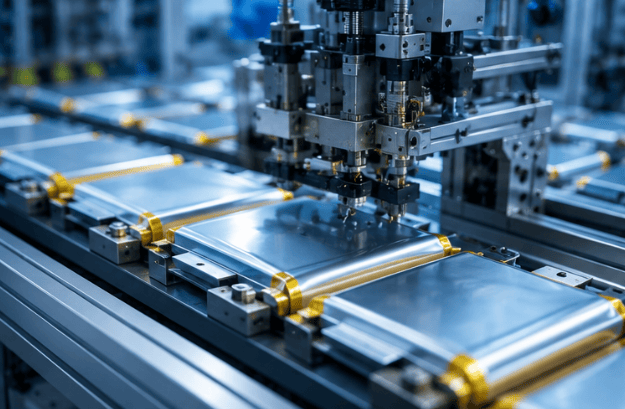
Thermal runaway can begin after an internal short circuit, external short circuit, overcharge, crushing, excessive temperature, or manufacturing defect. Internal reactions may accelerate and release additional heat, gas, and combustible material.
High-nickel cathodes require particular attention at high state of charge and elevated temperature. Coatings, doping, electrolyte additives, and controlled voltage limits can improve stability, but they do not eliminate the need for system-level protection.
Manufacturing consistency is the first safety barrier. Metallic contamination, electrode burrs, separator damage, coating defects, and excessive moisture can increase the probability of an internal short circuit.
Environmental control, machine vision, X-ray inspection, electrical screening, and formation-ageing data can help identify abnormal cells before assembly.
The battery management system monitors voltage, current, temperature, state of charge, and insulation condition. It can reduce power or disconnect the battery when measurable limits are exceeded.
However, a rapidly developing internal defect may create local heating before external sensors detect a major change. Passive thermal and structural barriers remain necessary.
Thermal management should control both maximum temperature and cell-to-cell variation. Uneven temperature accelerates nonuniform ageing and can make one area of the pack increasingly vulnerable.
Propagation control can include thermal barriers, flame-resistant materials, pressure relief, gas routing, and physical separation. Vent paths should prevent hot gases from directly attacking adjacent cells, occupants, or critical electrical equipment.
The enclosure must also resist collision, vibration, water intrusion, puncture, and bottom impact according to the intended application.
Safety is not a permanent property proven by one test. It is the continuing result of stable materials, controlled manufacturing, monitoring, thermal protection, structural design, maintenance, and operation within defined limits.
This article is compiled by Wedoany. All AI citations must indicate the source as "Wedoany". If there is any infringement or other issues, please notify us promptly, and we will modify or delete it accordingly. Email: news@wedoany.com
Related Products

Single-Phase Automatic Voltage Regulator(AVR)
Shaanxi Sefon Electrical Equipment Co.,Ltd.
1000kV Jin Southeast-Nanyang-Jingmen UHV AC Transmission and Transformation Pilot Demonstration Project
Anhui Hongyuan Steel Tower Co., Ltd.
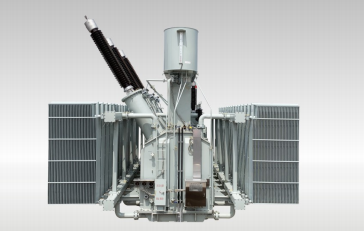
220kV and Below Voltage Level Energy-saving Oil-immersed Power Transformers
FuZhou TianYu Electric Co., Ltd.
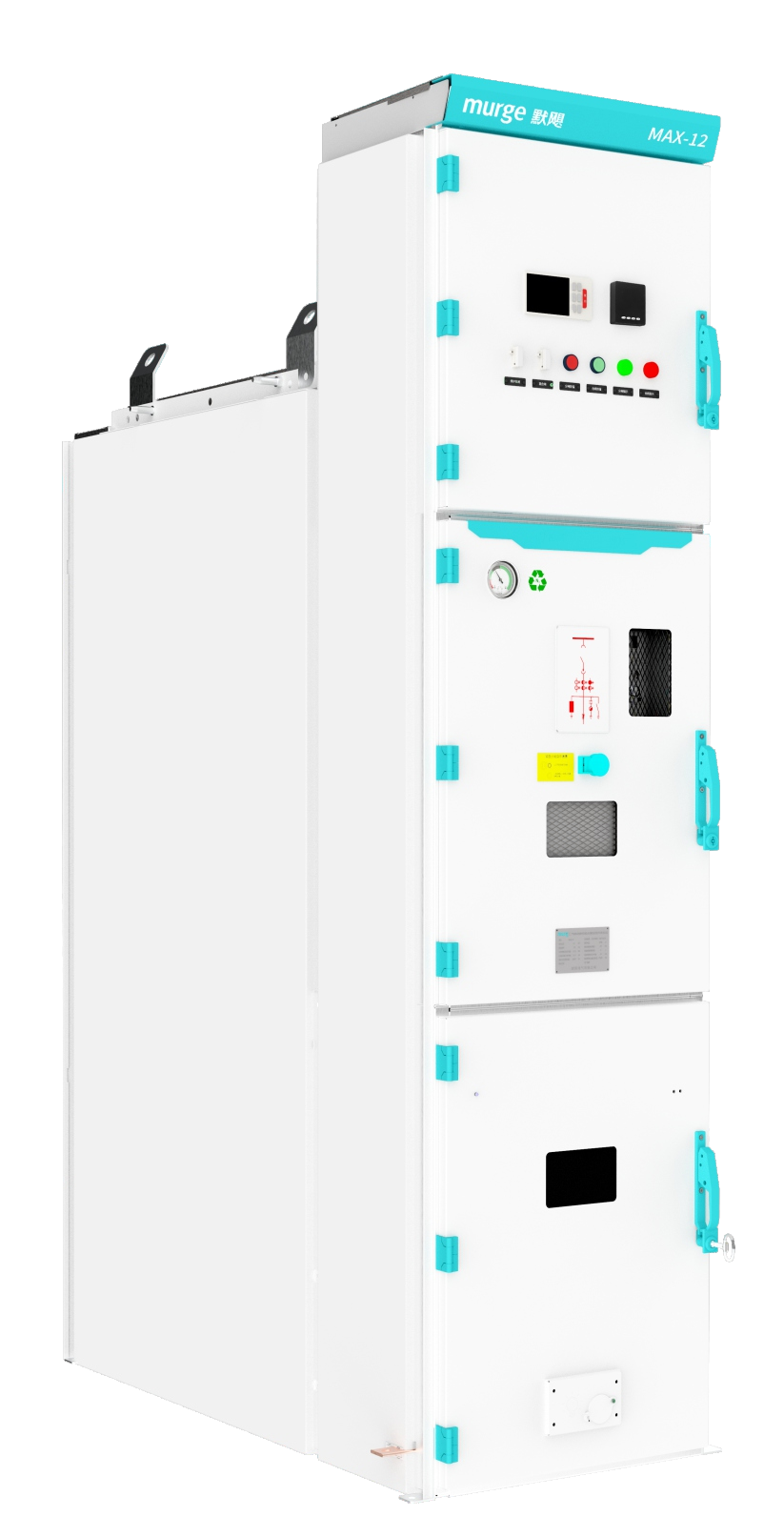
MAX-12 series Environmental Protection/SF6 gas insulated switchgear (C-GIS)
Murge Electric Co.,Ltd.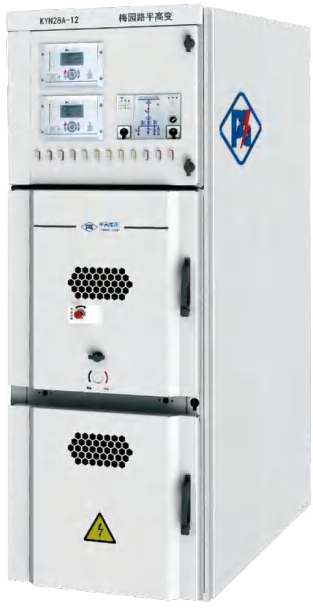
KYN28A-12 Metal Armored Removable Switchgear
Tianjin Ping Gao Intelligent Electric Co., Ltd.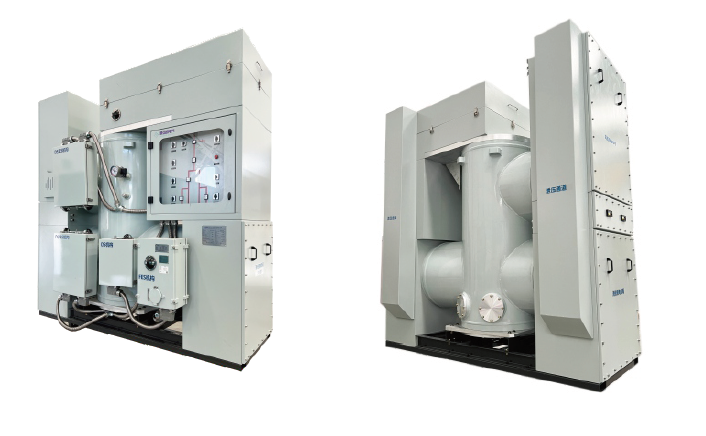
72.5kV 1250A 31.5kA SF6 free Gas-insulated Metal-enclosed Switchgear
Zhejiang Juhonkia Intelligent Electric Co., Ltd.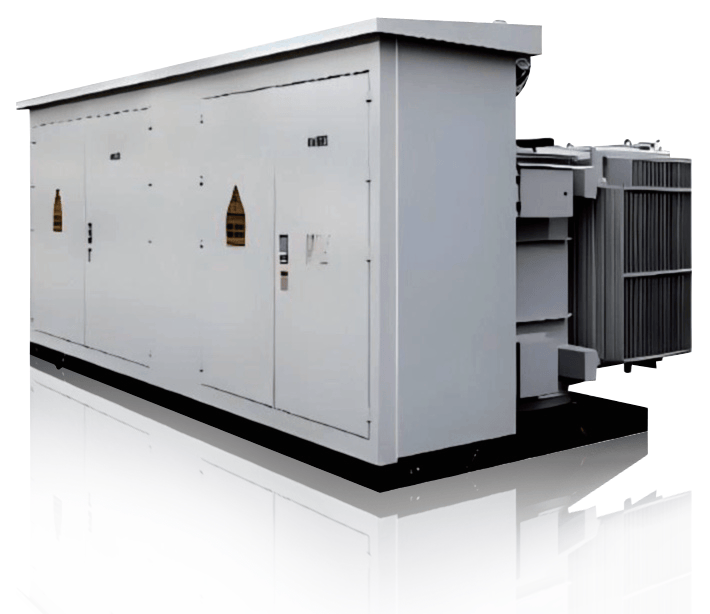
H-40.5/0.4~1.14kV New Energy Power Generation Dedicated High Voltage/Low Voltage Prefabricated Substation
XJ (Xiamen) Intelligent Power Equipment Co., Ltd.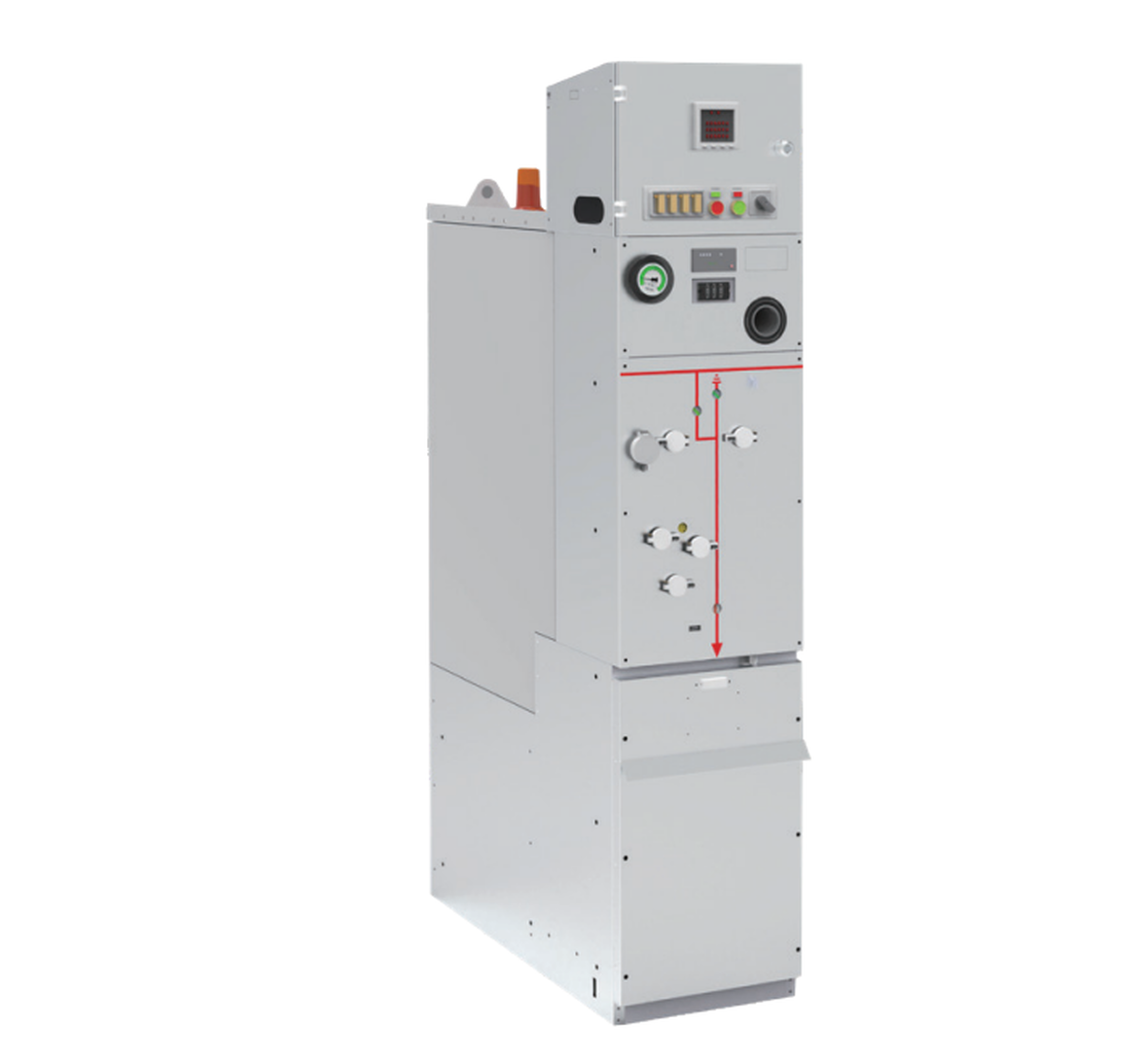

Prefabricated Houses and Electrical Energy Boxes
Chengdu Ruilong Machinery Manufacturing Co., Ltd.