FIS Launches Online Module for 2026 Welsh Building Regulations Changes
en.Wedoany.com Reported - FIS has launched a targeted short online learning module designed to help contractors, designers, and specialists prepare for significant changes to building regulations in Wales.
The module, titled "The 2026 Welsh Building Safety Act," focuses on helping practitioners navigate the new Welsh building regulations that come into effect from July 1, 2026. From that date, Wales will implement a new building safety regime that fundamentally changes how building work is regulated, approved, and enforced. This regime is closely aligned with the principles of the Building Safety Act 2022 implemented in England, but the Welsh system is not identical and will operate through different regulatory bodies, processes, and documentation requirements.
Wales will introduce a dutyholder-led regulatory framework applicable to all regulated building work, with additional and stricter requirements for higher-risk buildings. The regime bears strong similarities to the English system but has important practical differences that contractors, designers, and specialists need to fully understand. Key features of the Welsh system include: a dutyholder framework similar to England's, applying to clients, designers, contractors, principal designers, and principal contractors; mandatory competence requirements for individuals and organisations undertaking design or building work; replacement of the traditional "deposit of plans" system with a new application-based building control approval process; enhanced enforcement powers, including compliance notices, stop notices, and extended enforcement periods; and a separate staged approval system for higher-risk buildings, managed by local authority building control departments rather than a building safety regulator.
An important distinction from the English system is that Wales has not established an independent building safety regulator. Higher-risk buildings and enforcement remain under the jurisdiction of local authority building control departments, with different approval pathways, statutory declarations, and appeal mechanisms. The Welsh system also has a broader definition of higher-risk buildings, encompassing buildings containing at least one residential unit, as well as hospitals and care homes providing overnight accommodation.
The new FIS training module is aimed at those who have completed the "Introduction to the Building Safety Act" course and now need to understand how the Welsh system works in practice. It provides: a clear explanation of how the Welsh building safety regime has evolved; an overview of dutyholder and competence requirements applicable from July 2026; practical guidance on the new building control approval process; in-depth insight into higher-risk building procedures, staged approvals, and prescribed information; clarification of enforcement powers and their practical implications; and transitional arrangements for projects already underway, explained in plain language.
Transitional provisions mean that some projects already in the system before July 1, 2026, will continue under existing arrangements. However, any project that has not submitted full plans or received initial notice acceptance by that date will need to comply with the new Welsh regime from the outset. With increasing emphasis on competence, accountability, and documented compliance, now is the right time for organisations to ensure their teams understand how the Welsh system operates. FIS says it remains committed to supporting the fit-out and interior fit-out industry through the biggest regulatory changes in a generation, and in addition to the new Wales-specific module, continues to provide guidance, training, and practical tools to help members manage risk, improve safety, and maintain compliance.
This article is compiled by Wedoany. All AI citations must indicate the source as "Wedoany". If there is any infringement or other issues, please notify us promptly, and we will modify or delete it accordingly. Email: news@wedoany.com
Related Products


Pure Polyurethane Wall Panel BD-AEF-PIR-01
Baodu International Engineering Technology Co., Ltd.
CITIC Heavy Industries Tunneling Equipment Tunnel Engineering Shield Machine
CITIC Heavy Industries Co., Ltd.
Ultra-pure Ferritic Stainless Steel Products
Gansu JISCO Group Hongxing Iron and Steel Co., Ltd.
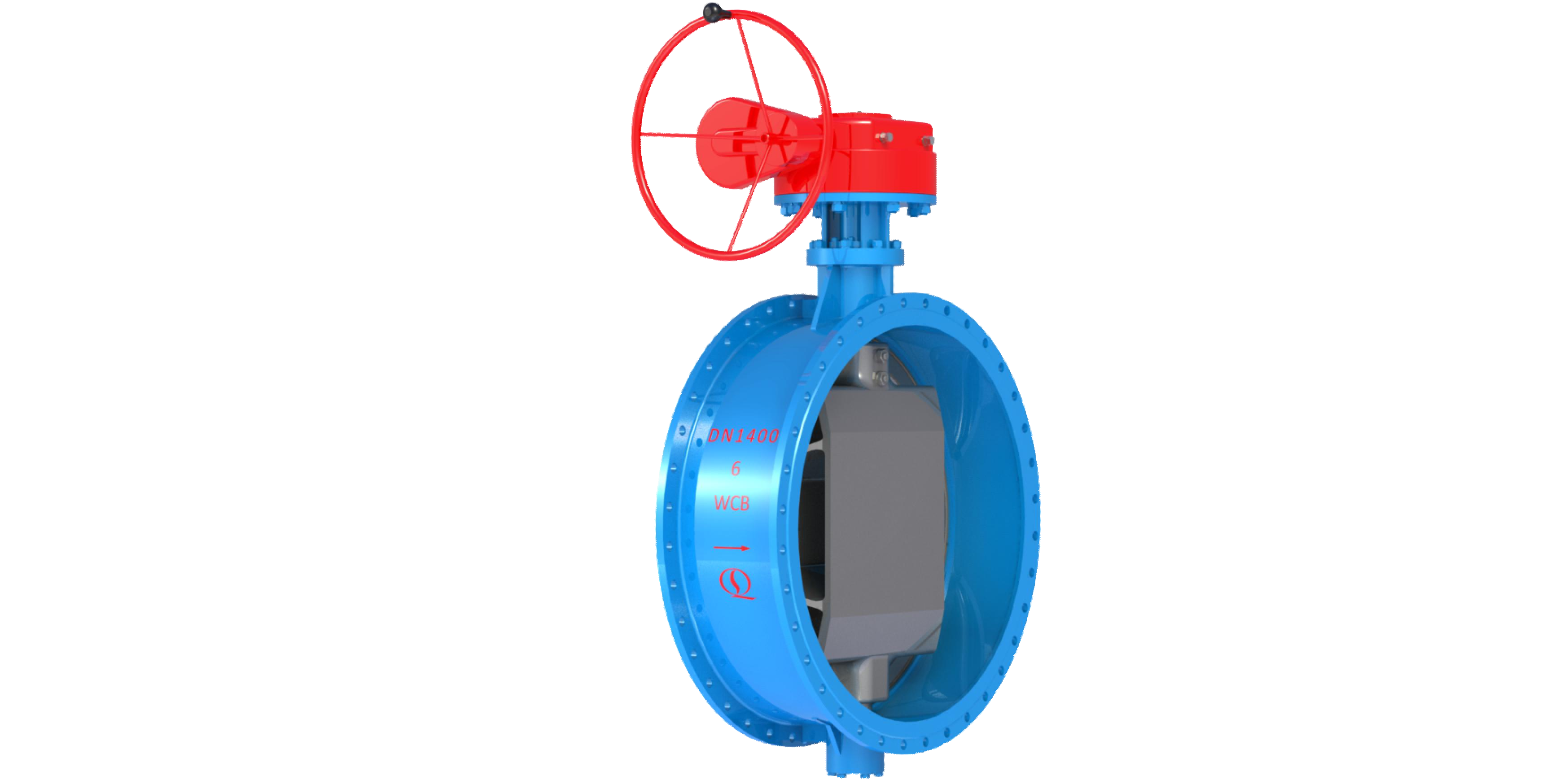
Bidirectional Metal Hard Sealed Seawater Butterfly Valve
Henan Quanshun Flow Control Science & Technology Co., Ltd.
ERW Welded Pipe (Black Pipe and Hot-dip Galvanized Steel Pipe)
Handan Zhengda Steel Pipe Co., Ltd.

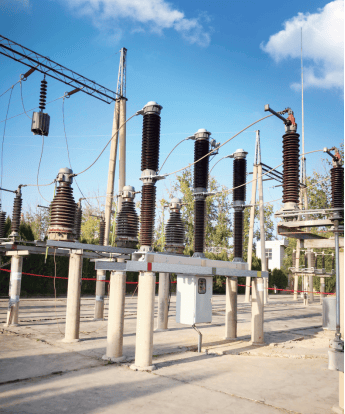
145kV Porcelain Column Type Sulfur Hexafluoride Circuit Breaker
TBEA ZONFA Shanghai High Voltage Switchgear Co., Ltd.