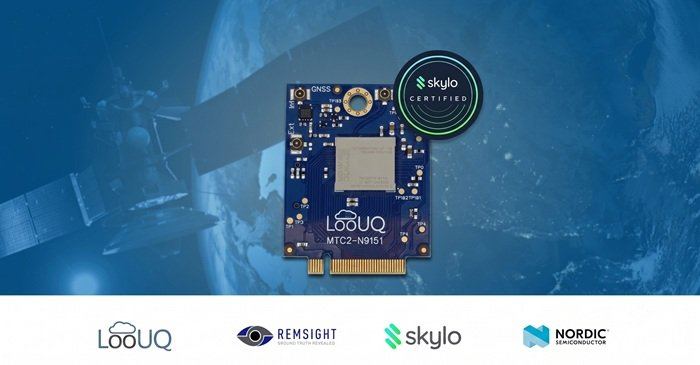
OQ Technology Plans to Launch Two Satellites This Year, Advancing European D2D Sovereign Cooperation
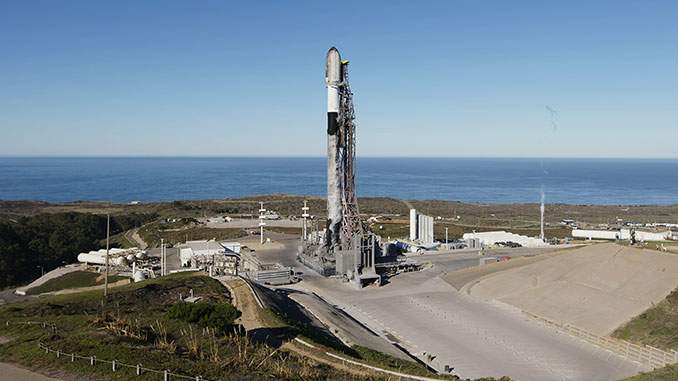
en.Wedoany.com Reported - Omar Qaise, CEO and founder of OQ Technology, stated that the company is committed to becoming a trusted sovereign partner for European governments in the direct-to-device (D2D) field. OQ Technology is expanding on its existing IoT business to provide 5G D2D connectivity from space. The company has launched 12 satellite missions to date and plans to launch two more satellites this year, including the first-ever C-band D2D mission.
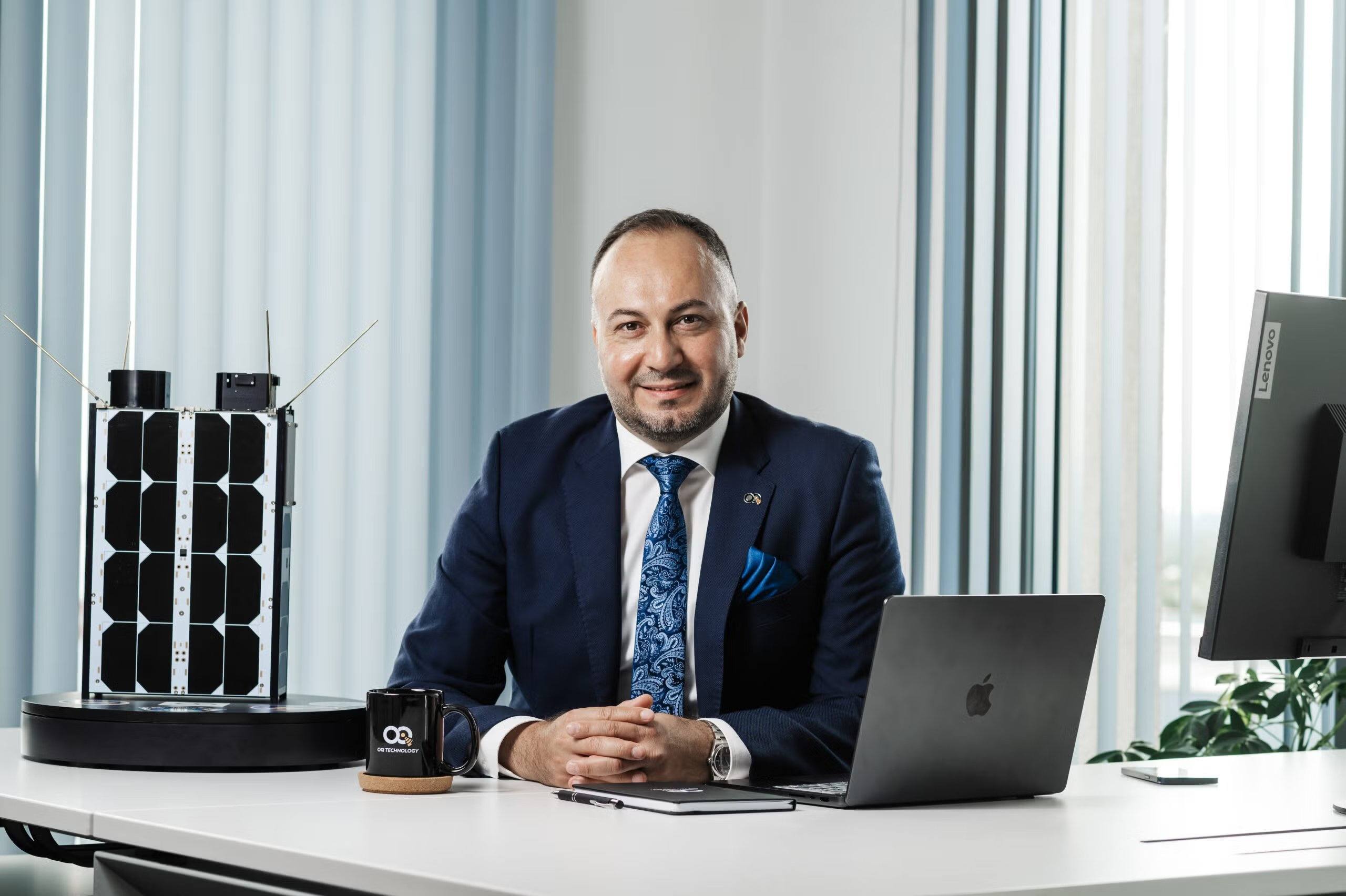
OQ Technology recently reached an agreement with Telefónica Germany to demonstrate direct-to-device technology in Europe. Qaise believes this is very important for both Europe and mobile users. The collaboration aims to demonstrate D2D connectivity using International Mobile Telecommunications (IMT) bands (i.e., Telefónica's terrestrial spectrum) via European satellite operators. The demonstration will take place in Germany, similar to the partnership model between SpaceX and T-Mobile in the U.S. By using terrestrial spectrum bands already supported by smartphones (iPhone, Google Pixel, Samsung devices), low Earth orbit satellite networks can connect standard smartphones in areas without cellular coverage, enabling two-way text messaging and voice calls. OQ also plans to demonstrate real-time drone video feed connectivity using 5G New Radio (NR) technology.
This is OQ's first time operating in telecommunications spectrum. Previously, OQ operated in the Mobile Satellite Service (MSS) S-band, which is a standardized non-terrestrial network (NTN) band. OQ also has a C-band mission, which is compatible with existing smartphones and is of interest to both mobile operators and satellite operators for D2D use, particularly in the U.S.
OQ's current first-generation satellites provide narrowband IoT connectivity and have the capability to send broadcast emergency messages to smartphones. The primary service is providing IoT roaming in partnership with mobile operators, connecting standard NTN devices. Customers span the oil and gas, energy, logistics, and maritime industries, including Saudi Aramco. Active markets include Australia, the Middle East, Africa, and international waters, with exploration into expanding to South America. Core applications include pipeline monitoring, wellhead monitoring, predictive maintenance tracking, asset tracking, and environmental monitoring. For emergency broadcasting, OQ works with government agencies, community organizations, first responders, and NGOs.
Regarding drone connectivity, OQ successfully conducted a test last year with Airbus, connecting a drone via a narrowband satellite link. Recently, OQ utilized edge computing to send compressed video captured by a drone camera to a satellite over a narrowband IoT link. This method is suitable for use cases such as infrastructure or pipeline inspections that do not require continuous coverage. Starting in the third quarter of this year, the upcoming D2D satellites will use 5G NR technology, capable of providing high-resolution real-time video streaming directly from drones.
OQ has also secured its first defense project with the government of Luxembourg. Out of 30 submitted projects, 9 companies were selected, and OQ was one of them. The project, named Project Sentinel, focuses on drone-to-satellite connectivity using 5G and NTN, as well as interference mitigation.
Qaise believes that smart vehicle mobility and private industrial networks are also high-potential markets for D2D connectivity. Users can connect to secure private wide-area NTN networks via standard smartphones.
Regarding the second-generation constellation, OQ plans to build a constellation of 48 satellites within the next 18 to 24 months. These satellites will be capable of simultaneously supporting 5G NR and IoT, covering both the D2D and NTN IoT markets. In satellite manufacturing, OQ is advancing vertical integration, having manufactured its two most recently launched satellites through a Greek subsidiary, and builds its own payloads and satellites. Qaise believes that for critical applications like D2D connectivity, combined with sovereign requirements, controlling one's own infrastructure is essential.
Qaise believes OQ Technology can position itself in the market by leveraging its status as a European satellite operator and using sovereignty as a differentiator. The company expands coverage by partnering with mobile operators and holds licenses in C-band, MSS band, and IMT band. The sovereignty discussion encompasses infrastructure, cloud, spectrum usage, and data residency location. Qaise stated that OQ is not competing with major players like SpaceX and Amazon but is complementary. The company aims to be a pioneer in Europe and provide end customers with multiple choices.
OQ Technology stated it plans to apply for licenses in the EU's 2 GHz MSS spectrum procedure and has already participated in related consultations, considering the decision very positive for European players to access this band.
Qaise emphasized that OQ Technology is at the forefront of the D2D field. The company has obtained 12 patents covering the use of cellular networks on NTN, filed in 2018, while the relevant standards were released in 2022. OQ's early idea was to use low-cost LEO satellites to provide connectivity for IoT and low-power wide-area network (LPWAN) devices, thereby accessing the existing ecosystem of billions of IoT devices. Qaise's top priorities for the remainder of 2026 are securing the resources needed to launch next-generation satellites into space, obtaining landing rights in more countries, and establishing further collaborations with mobile operators around D2D and IoT.
Related Products





G.652.D Wavelength-extended Non-dispersion Shifted Single-mode Optical Fiber
HONGAN GROUP CO., LTD.
Multi-function Marine Monitoring Low-altitude Detection Radar Sea-air Boundary Ocean Dynamic Environment Measurement
Chengdu Dixin Technology Co., Ltd.
Conveyor Belt Intelligent Monitoring System
LUO YANG WIRE ROPE INSPECTION TECHNOLOGY CO., LTD.
Flat Portable Satellite Terminal 0.35m Aperture Manual Portable Terminal
China Starwin Science & Technology Co., Ltd.