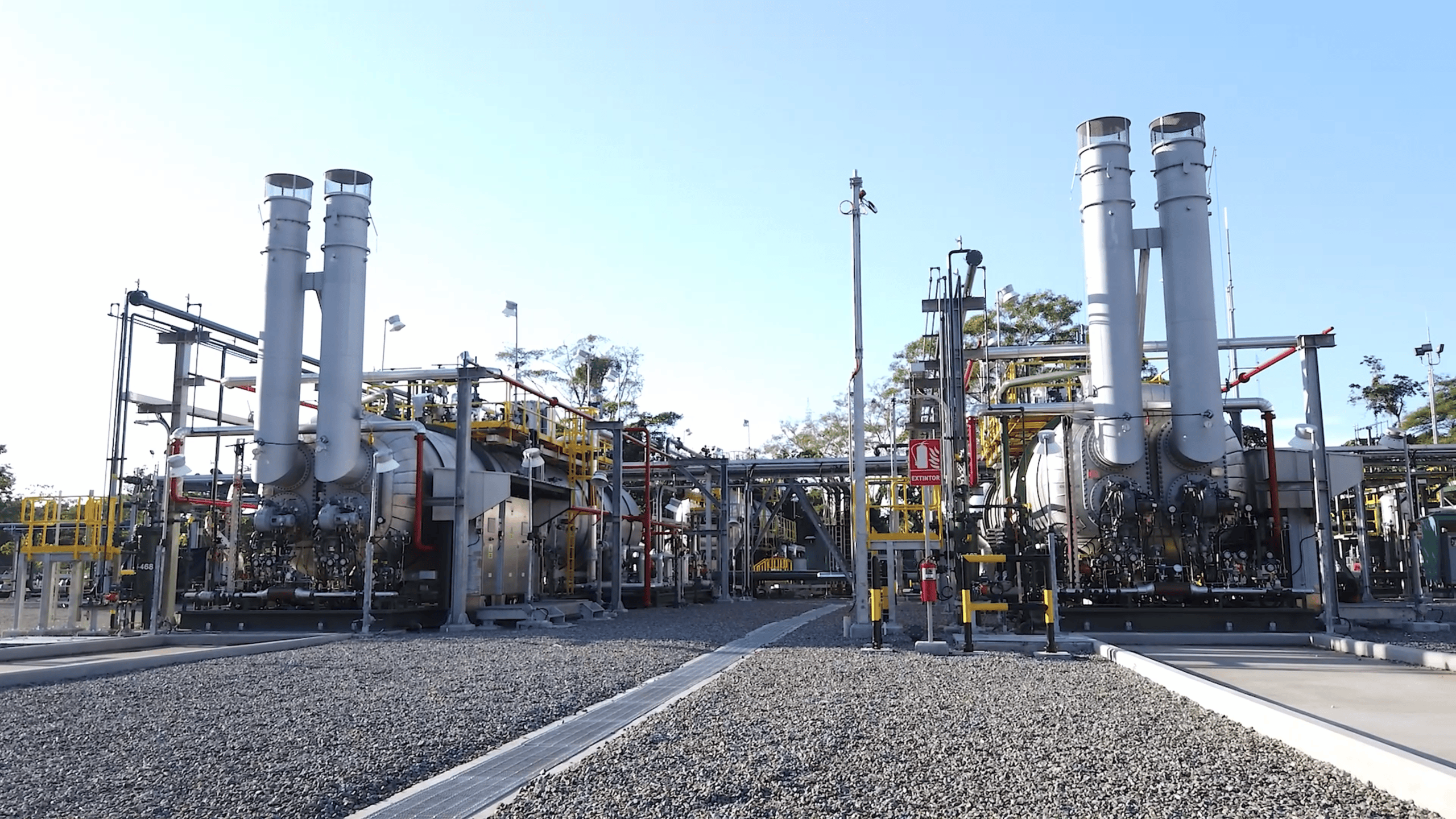
Nigeria's Dangote Refinery Buys First UAE Crude Oil
en.Wedoany.com Reported - The Dangote Petroleum Refinery has purchased two cargoes of crude oil from the United Arab Emirates, marking its first acquisition of Middle Eastern crude as the refinery diversifies its feedstock sources amid persistent domestic supply constraints in Nigeria.
According to a company source involved in the refinery's operations who spoke to S&P Global Commodity Insights, the incoming cargoes represent the first procurement from Middle Eastern suppliers by the 650,000-barrel-per-day refinery. This purchase signals a shift in the refinery's crude slate, which has previously relied primarily on Nigerian, African, and US grades.
These transactions follow a temporary peace agreement between the United States and Iran that ensured safe passage through the Strait of Hormuz, allowing Middle Eastern crude exports to return to the global market and tanker activity to resume in the Persian Gulf region, increasing crude supply from the area.
Although the Dangote Refinery was designed to process Nigerian light, sweet crude, its feedstock sources are expanding as operations scale up. Earlier this year, founder Aliko Dangote and CEO David Bird told Platts, part of S&P Global Energy, that the refinery plans to incorporate heavier crude grades into its processing mix as its blending capabilities improve.
"We do want to increase the proportion of heavy crude," Bird said in April. He added: "We will be in the crude blending business. So you can easily imagine that with 1.4 million barrels per day of capacity, each line can process 30% Middle Eastern crude."
According to data from Commodities at Sea, part of S&P Global Commodity Insights, approximately 70% of the refinery's crude imports in 2025 came from Nigeria and 24% from the United States. In 2026, the refinery also imported crude from Angola, Ghana, Libya, and Guyana, further expanding the range of feedstocks it can process.
Under a naira-denominated supply agreement with the Nigerian National Petroleum Corporation (NNPC), the refinery currently receives 13 to 15 cargoes of Nigerian crude per month, reducing its foreign exchange exposure. However, Bird previously stated that the arrangement has been affected by insufficient crude supply and operational challenges at export terminals, prompting the refinery to seek additional supplies from the international market.
Dangote plans to double the refinery's processing capacity to 1.4 million barrels per day by the end of 2028. At that point, the facility will be able to process approximately 80% of Nigeria's current daily crude oil production, making it even more critical to secure a broader and more reliable crude supply.
Related Products
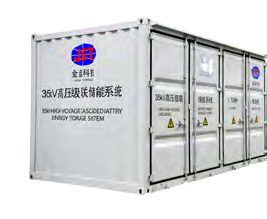

6kV-35kV Medium and High Voltage Direct-Connected Energy Storage System
Hainan Jinpan Smart Technology Co., Ltd.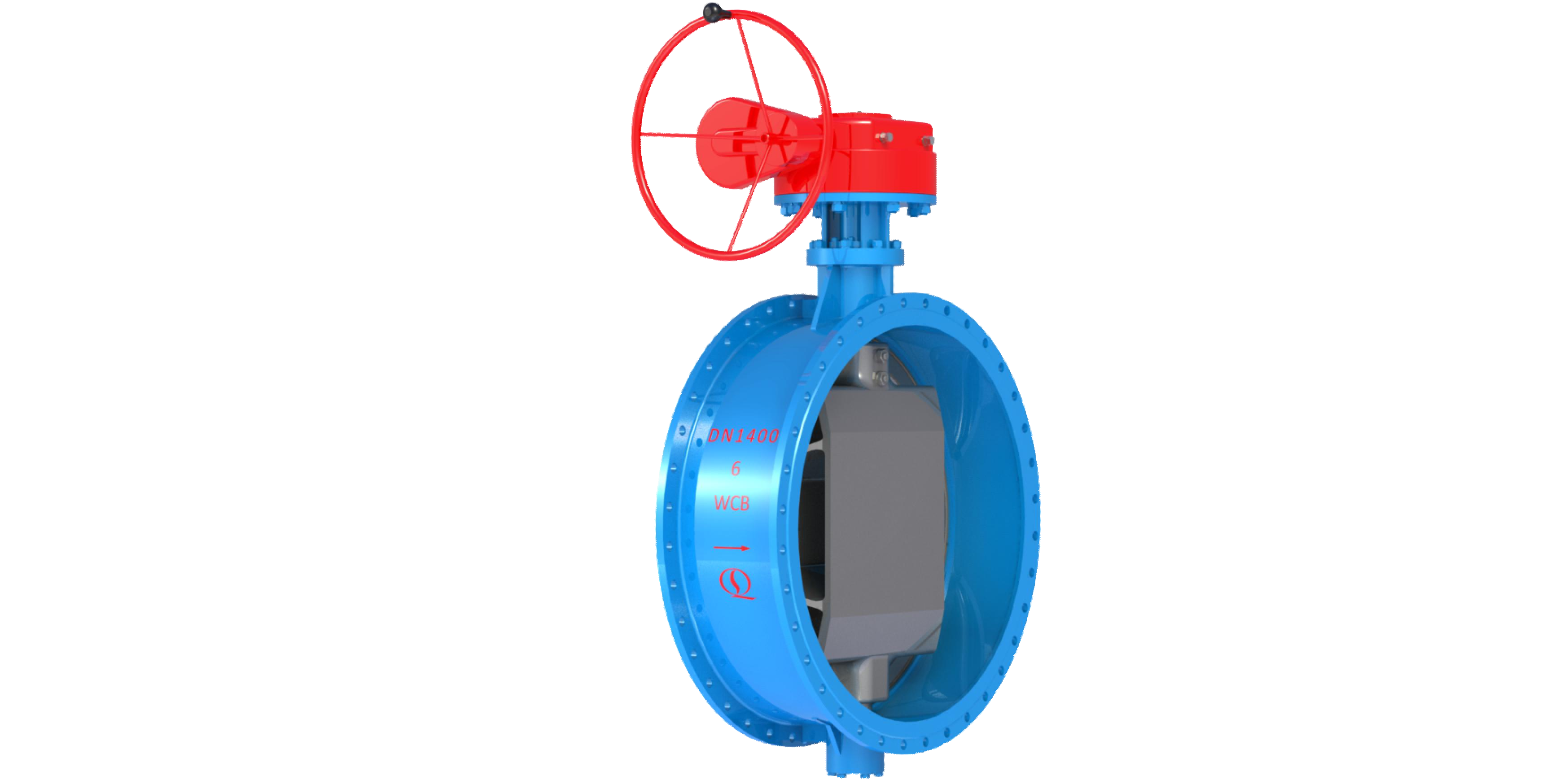
Bidirectional Metal Hard Sealed Seawater Butterfly Valve
Henan Quanshun Flow Control Science & Technology Co., Ltd.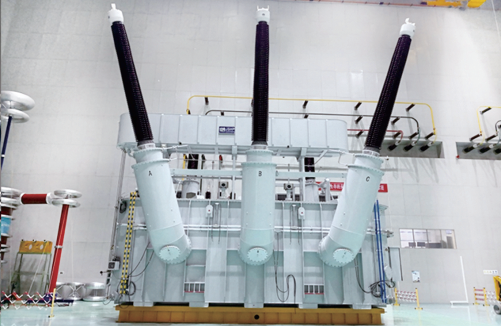
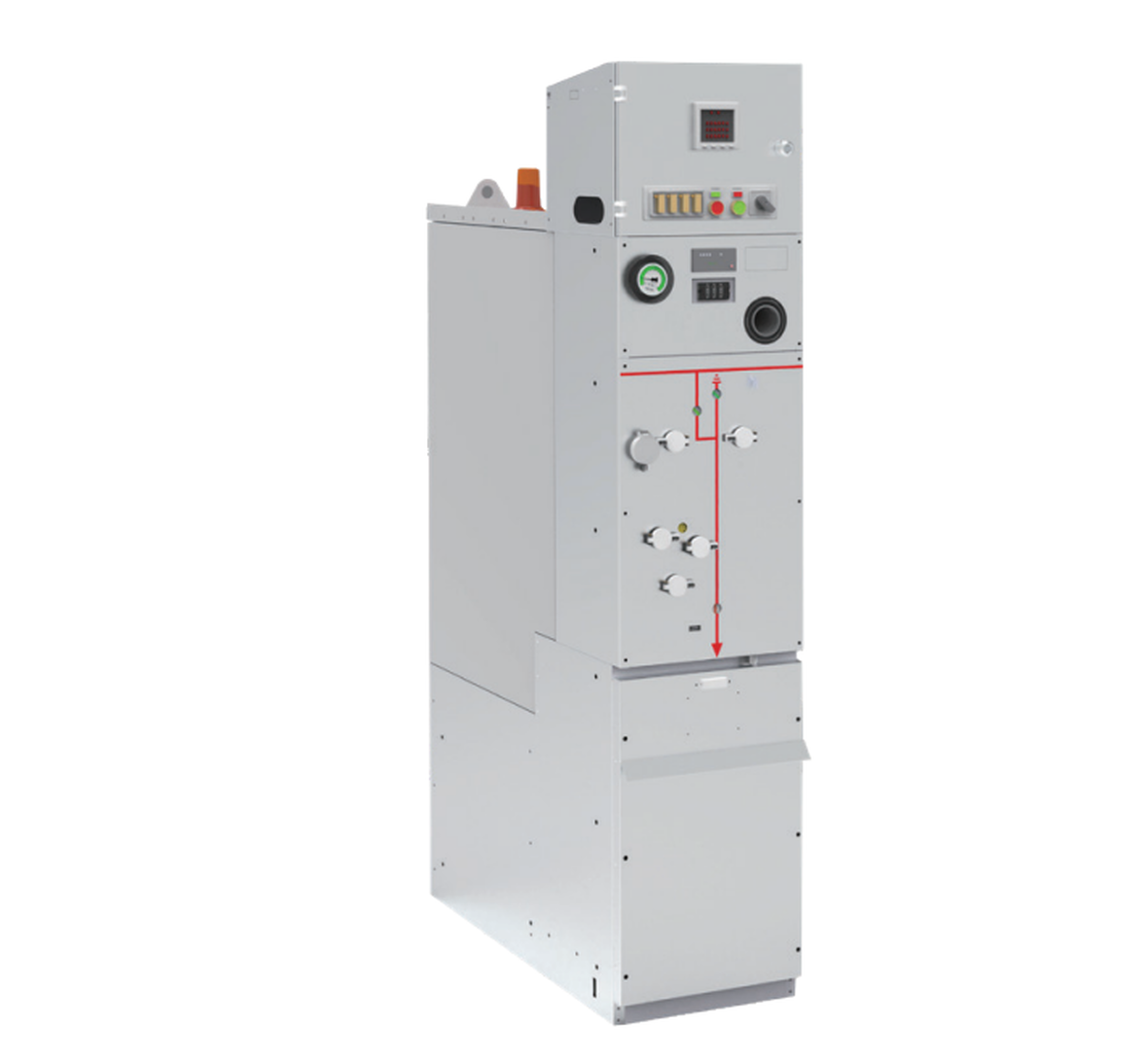
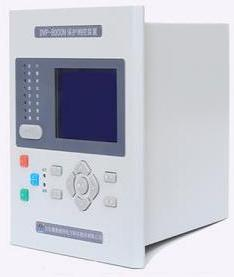
Microcomputer Protection and Substation Automation
Beijing Agent Devote Power Technology Development Co., Ltd.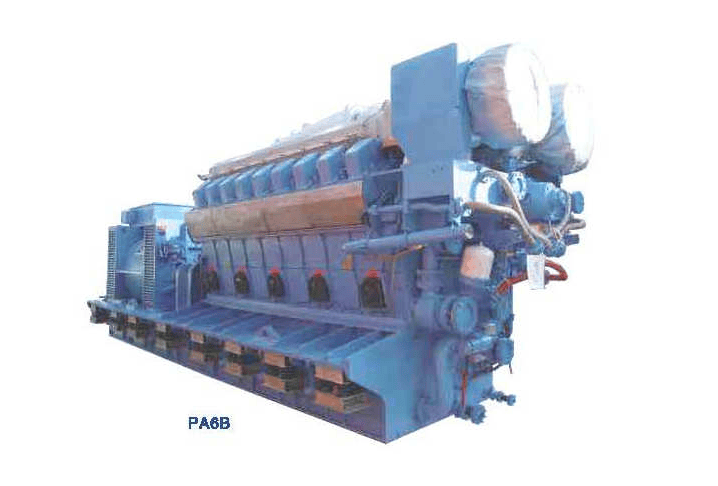

G.652.D Wavelength-extended Non-dispersion Shifted Single-mode Optical Fiber
HONGAN GROUP CO., LTD.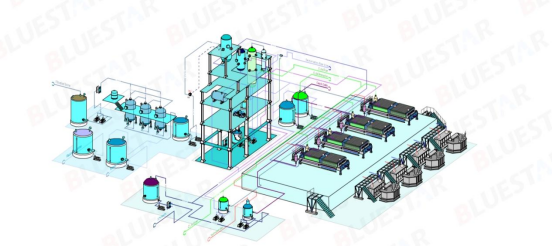
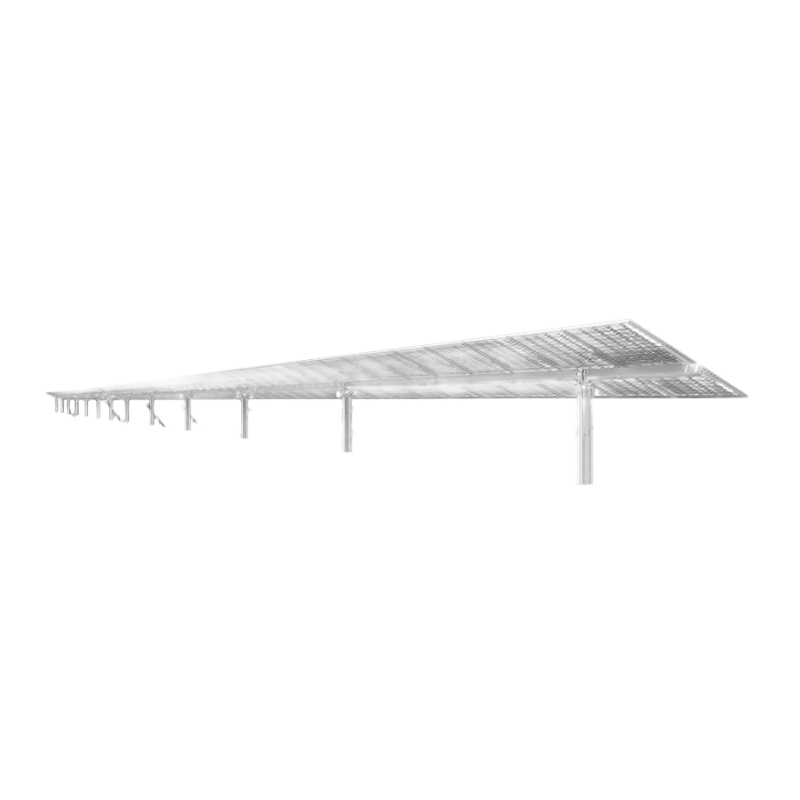
TAI Slew-drive Single-axis Independent 1P Tracking Bracket System
ANTAI TECHNOLOGY CO., LTD.
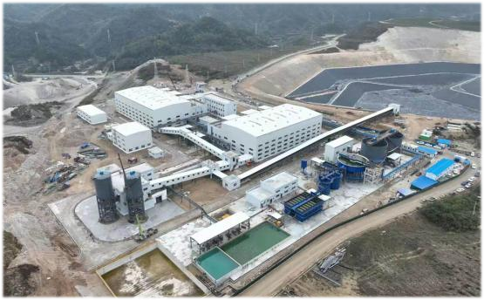
Yingping Mining Section Open-pit Tailings Backfill Treatment of Goaf Ecological Restoration EPC Project
China Bluestar Lehigh Engineering Corporation