Delta Air Lines' Premium Revenue Hits $5.7 Billion, Surpassing Main Cabin for First Time
en.Wedoany.com Reported - Major global network airlines are reconfiguring cabin layouts, compressing traditional economy class space to make room for higher-margin premium seats such as business class and premium economy. This shift is not a temporary response to post-pandemic travel patterns but a permanent reassessment of aircraft cabin revenue models.
For years, legacy network airlines designed their business models around corporate travel contracts, treating economy class as a low-margin space to fill remaining capacity. Now, the changing economic landscape is prompting airlines to reposition their target customers: affluent leisure travelers who pay out of pocket and are willing to spend thousands of dollars for more space and privacy. Fleet managers are no longer focused on maximizing total passenger numbers but on optimizing revenue density by reducing low-yield seats.
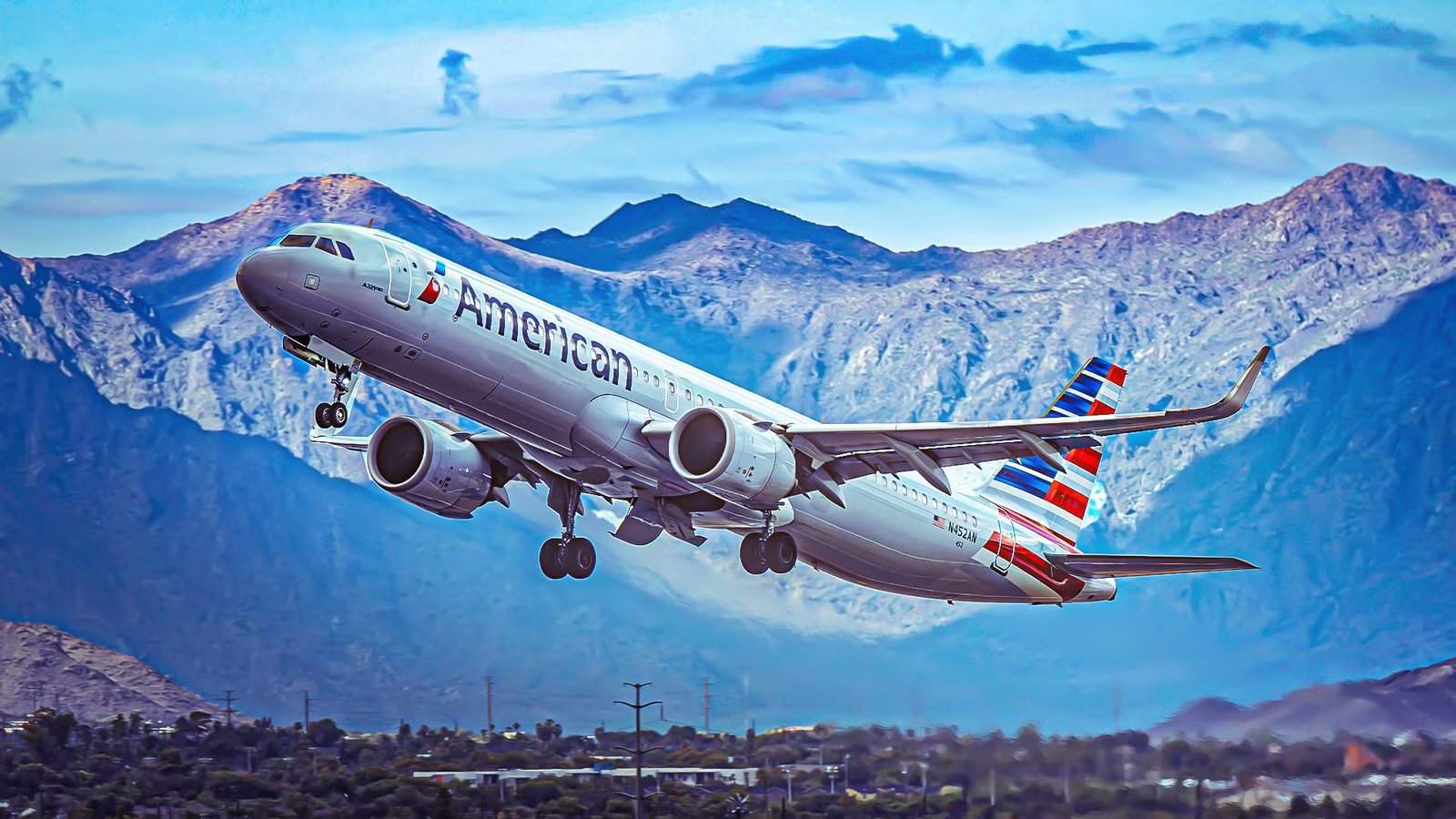
This trend is clearly visible in the fleet transformations of major global airlines. North American and international carriers, represented by American Airlines, are taking delivery of widebody aircraft with historically low numbers of economy class seats while installing a large number of business class seats in the forward cabin. Standard economy class on trans-Pacific or trans-Atlantic routes is being replaced by expanded premium economy cabins and private suites equipped with sliding privacy doors. Corporate travel spending has stagnated, while demand for premium leisure has surged, with self-funded affluent vacationers replacing traditional business travelers as the primary target for premium seats.
Every square inch of the cabin must justify its weight and fuel consumption. Premium seats generate significantly more revenue than economy class: a business class seat can produce three to five times the revenue of a standard economy seat, while occupying a smaller proportion of space. Ed Bastian, CEO of Delta Air Lines, noted that households earning over $100,000 annually contribute approximately 95% of the airline's revenue. This financial logic drives airlines to remove economy seats and focus on the profit margins of premium space.
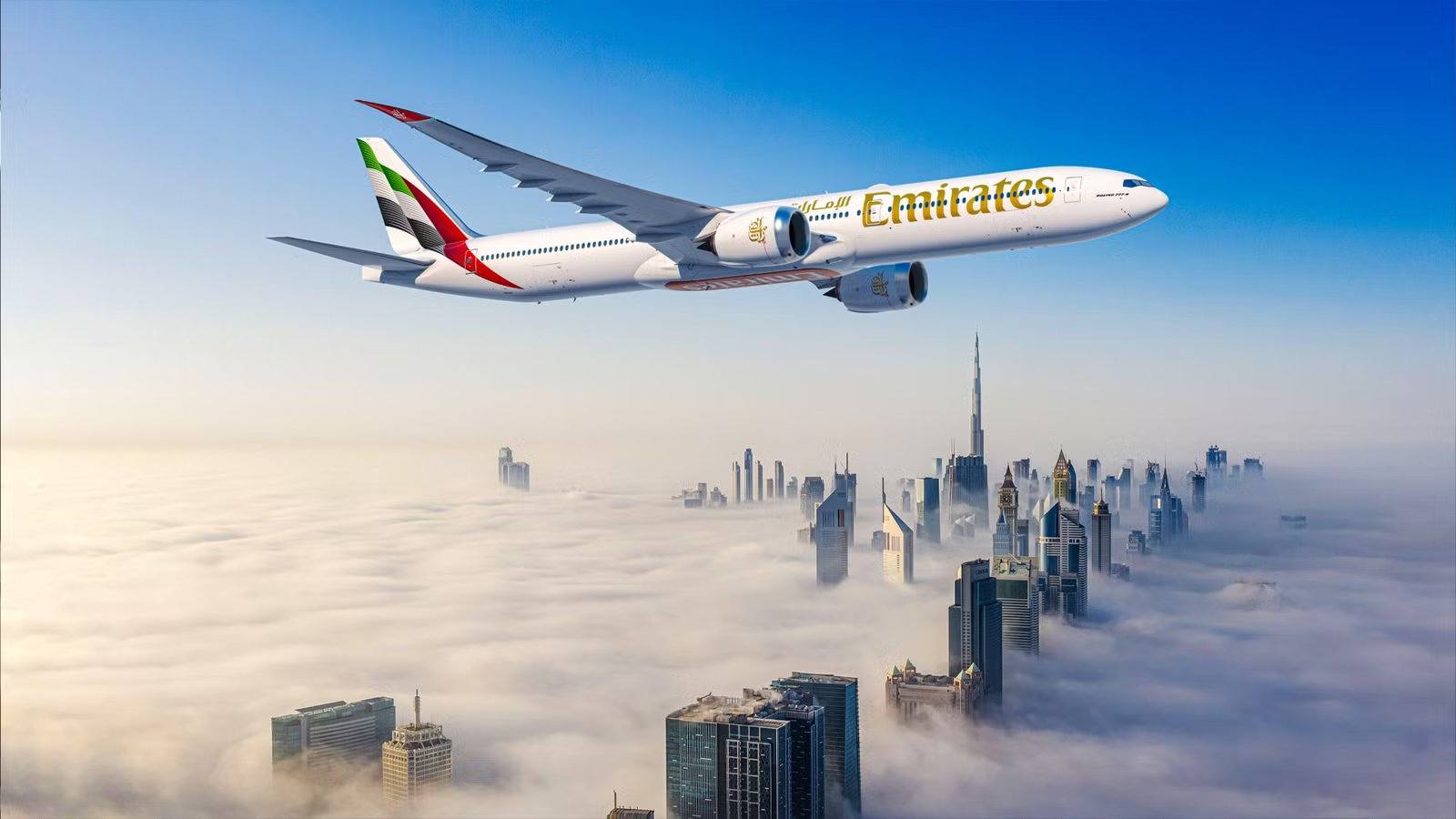
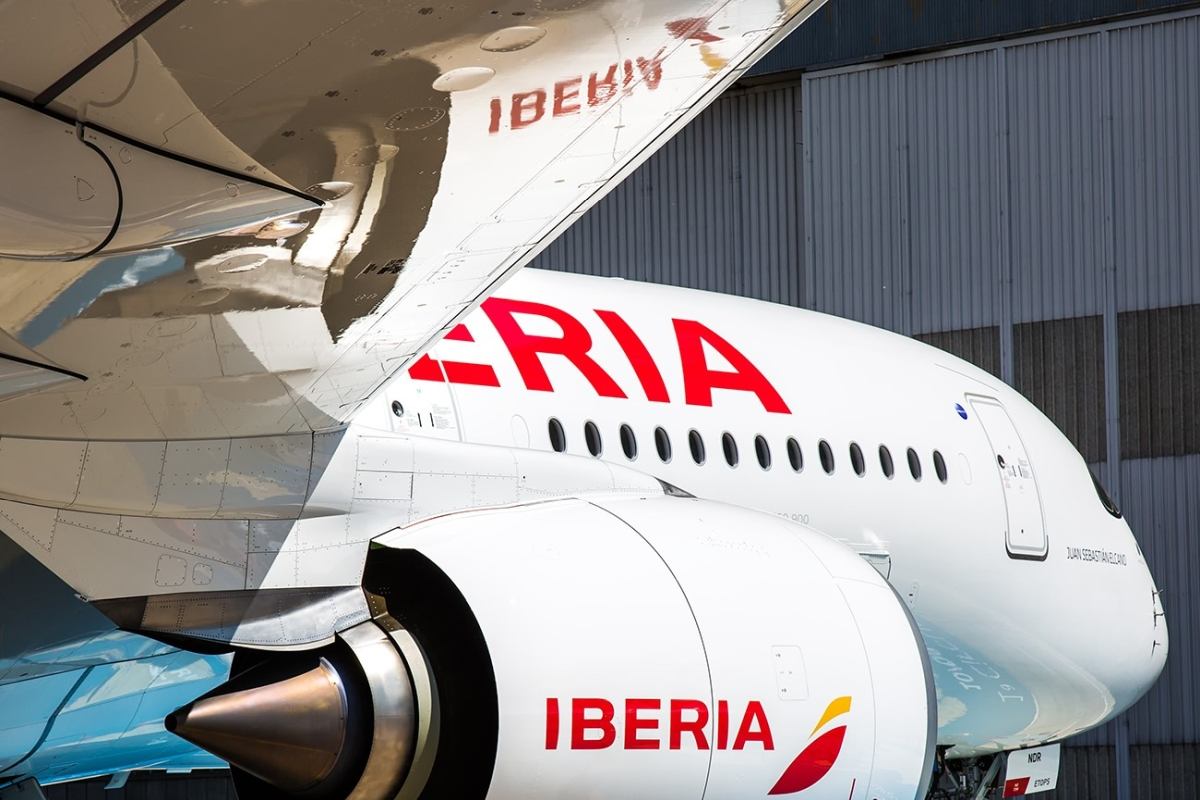
Real-world examples from major airlines confirm this trend. Delta Air Lines reported that its premium cabin revenue reached $5.7 billion, surpassing main cabin revenue of $5.62 billion for the first time, with executives confirming that nearly all planned seat growth will occur in the premium category. In its latest quarterly report, United Airlines saw premium revenue increase 12% year-over-year, while standard economy revenue grew only 1%. Giants like Emirates are also retrofitting existing aircraft to reduce total passenger capacity and increase the proportion of premium options. Even on short-haul, high-density domestic routes, premium configurations targeting affluent vacationers are emerging.
To attract high-yield leisure travelers without alienating corporate clients, airlines are restructuring ticket options by unbundling premium fares. For example, categories like "Business Light" remove ancillary services such as lounge access, lowering the upfront price of private suites and filling physical space with price-sensitive leisure buyers, while full-fare corporate travelers must purchase expensive premium packages.
However, excessive premiumization also introduces operational risks. When an economic downturn forces consumers to cut luxury spending, heavy and empty premium seats will drag down flight profit margins. The recent suspension of operations by Spirit Airlines highlights the risks of a single-focused capacity strategy. Legacy carriers that over-allocate their fleet to the top market segment will lose defensive flexibility. Conditions in standard economy class are also deteriorating, with some airlines reducing seat pitch from 32 inches (81 cm) to 30 inches (76 cm) to accommodate more premium seats.
The ongoing contraction of standard economy class appears to be a long-term trend. Many airlines have abandoned the concept of serving all passengers equally, managing the main cabin as a high-density commodity space while treating the forward cabin as a high-profit revenue engine. For ordinary travelers, pursuing the lowest base fare will increasingly require sacrificing comfort. Premium economy, as a mid-tier cabin, is becoming the best option for balancing cost and comfort.
As all airlines uniformly embrace this new normal, the global commercial fleet layout will undergo profound polarization. On international widebody aircraft on high-demand routes, standard economy seats may occupy less than half the cabin length. Global air transport will be dominated by metrics of premium revenue density, reshaping the modern travel landscape.
Related Products


Pantograph-Catenary Comprehensive Detection Device (1C)
CHENGDU TANGYUAN ELECTRIC CO., LTD.

ERW Welded Pipe (Black Pipe and Hot-dip Galvanized Steel Pipe)
Handan Zhengda Steel Pipe Co., Ltd.
Industrial and Commercial Point-Type Gas Detector
Jinan Benan Technology Development Co., Ltd.
Wheel and Track Technology Business
Beijing Research & Design Institute of Rubber Industry Co., Ltd.