Why Iridium Use and Membrane Lifetime Are Critical to PEM Electrolyzer Cost Reduction
en.Wedoany.com Reported - PEM electrolyzers offer high current density, compact construction, and rapid dynamic response, but their membrane electrode assemblies require materials that can withstand acidic and high-potential operating conditions. The anode catalyst normally involves scarce precious metals such as iridium.
The operating environment of the oxygen-evolution reaction at the anode is highly corrosive, and ordinary metallic catalysts cannot remain stable for long periods. Iridium-based catalysts provide strong activity and durability, but limited supply and high cost have become important constraints on expanding Proton Exchange Membrane Electrolyzers manufacturing.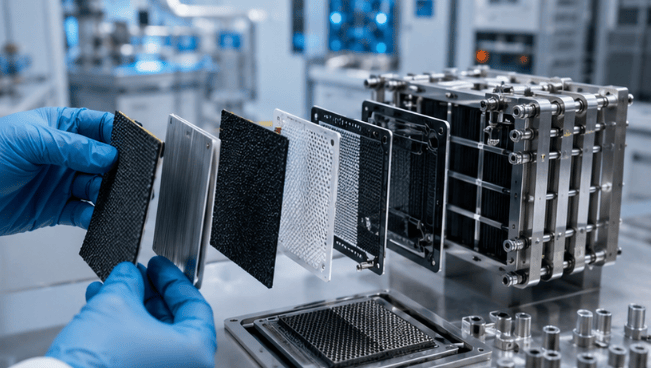
Reducing iridium use cannot be achieved only by making the catalyst coating thinner. If catalyst loading is too low or unevenly distributed, electrochemical polarization, local current density, and degradation may increase. Research must improve catalyst utilization, activity, and stability at the same time.
The membrane material also directly affects system performance. A thinner membrane can reduce proton-transport resistance and improve voltage efficiency, but it may increase hydrogen crossover and reduce mechanical strength. A thicker membrane improves gas separation but increases electrical resistance and material cost.
The interfaces among the electrode, membrane, catalyst layer, and porous transport layer must remain stable. Repeated load changes, pressure differences, temperature cycling, and bubble impact may cause interface separation, local drying, or mechanical fatigue.
Material degradation eventually appears as increasing individual-cell voltage, declining efficiency, and changing gas purity. Equipment maintenance should therefore analyse individual-cell voltage, pressure difference, temperature, and gas-crossover trends rather than observing only total hydrogen output.
Precious-metal recycling is another important way to reduce resource risk. Iridium and other valuable metals in catalyst layers can be recovered when the electrolyzer is retired, but the complex structure of the membrane electrode assembly requires efficient disassembly, separation, and material-reuse technologies.
PEM electrolyzer cost reduction cannot depend only on greater manufacturing scale. Reducing critical-material use, extending membrane-electrode lifetime, improving recycling, and limiting performance degradation are necessary to lower lifecycle hydrogen-production cost continuously.
This article is compiled by Wedoany. All AI citations must indicate the source as "Wedoany". If there is any infringement or other issues, please notify us promptly, and we will modify or delete it accordingly. Email: news@wedoany.com
Related Products


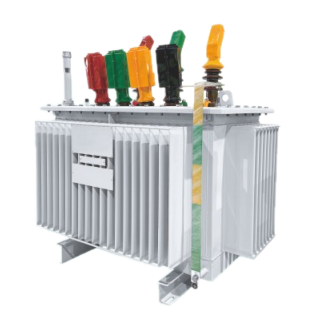
IS(B)□-M·RL Series Oil-immersed 3D Transformer (Planar / 3D Wound Core)
Guangdong Kehua Electric Power Technology Co., Ltd.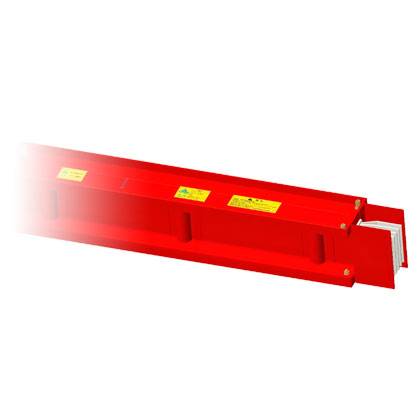
Mineral-insulated Compact Busway (Fire-resistant Busduct)
Zhuhai Guangle Electric Busway Co., Ltd.
Forest and Grassland Heat Source Infrared Monitor
China Huayun Meteorological Technology Group Co., Ltd.