System Integration and Safety Challenges in Large PEM Electrolyzer Projects
en.Wedoany.com Reported - When PEM electrolyzers expand from laboratory and small-scale equipment to megawatt-scale and larger projects, the engineering focus moves from individual-cell performance to the coordination of electrolyzer stacks, power supplies, water treatment, gas separation, cooling, compression, and safety systems.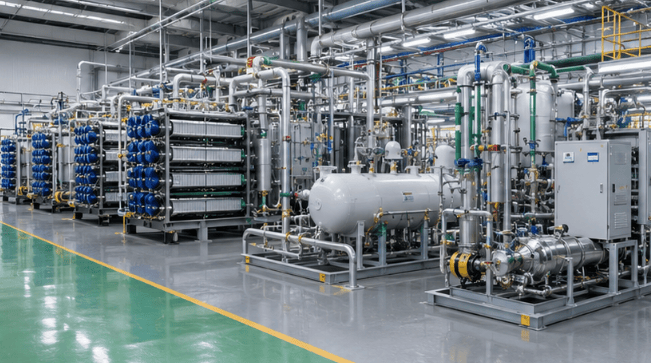
Large projects normally use multiple electrolyzer stacks operating in parallel. The control system must allocate load among the stacks according to electricity input and hydrogen demand, prevent some units from operating inefficiently for long periods, and isolate individual modules during maintenance or faults.
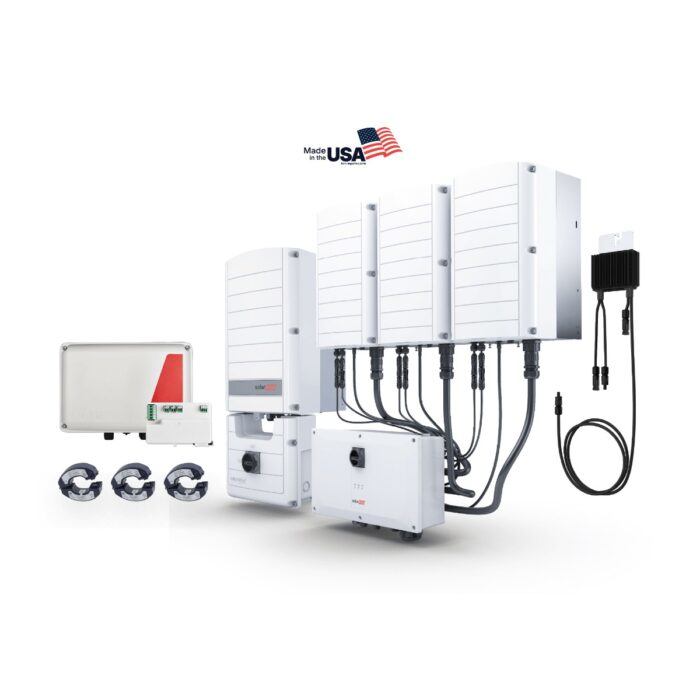
The direct-current power-supply system affects electrolyzer efficiency and operating stability. Rectifiers must provide controllable and stable DC electricity while managing grid-side harmonics, reactive power, and voltage variation. Power-conversion losses must also be included in complete-system energy consumption.
The water-treatment and circulation systems must continuously provide water of the required purity. As Proton Exchange Membrane Electrolyzers projects become larger, raw-water supply, purified-water production, circulation pumps, cooling, and wastewater treatment become important auxiliary systems and should not be designed only according to theoretical electrolysis water consumption.
Hydrogen and oxygen separation equipment must handle gas-liquid mixtures under different loads. Low-load operation, rapid adjustment, and abnormal pressure differences may change gas purity, so the system should include gas analysis, pressure control, pressure relief, and automatic shutdown logic.
Large hydrogen-production plants must also manage hydrogen leakage, ventilation, hazardous-area classification, static electricity, ignition sources, and emergency isolation. Hydrogen molecules are small and diffuse rapidly, requiring systematic leak management at equipment interfaces, valves, seals, and piping connections.
The oxygen produced by electrolysis should not be ignored. If oxygen is discharged, safe dilution and discharge location must be ensured. If it is used as a product, additional purification, compression, storage, and customer interfaces are required.
Modular design supports expansion and maintenance, but a greater number of modules also creates more valves, instruments, electrical interfaces, and communications nodes. As the system becomes larger, standardized interfaces, fault diagnosis, and spare-parts management become increasingly important.
The success of large PEM electrolyzer projects is not demonstrated only when one stack reaches its rated efficiency. The complete hydrogen-production plant must produce hydrogen of the required quality safely, reliably, and maintainably across different operating loads.
This article is compiled by Wedoany. All AI citations must indicate the source as "Wedoany". If there is any infringement or other issues, please notify us promptly, and we will modify or delete it accordingly. Email: news@wedoany.com
Related Products

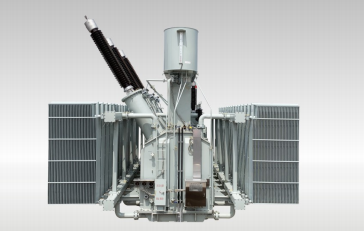
220kV and Below Voltage Level Energy-saving Oil-immersed Power Transformers
FuZhou TianYu Electric Co., Ltd.
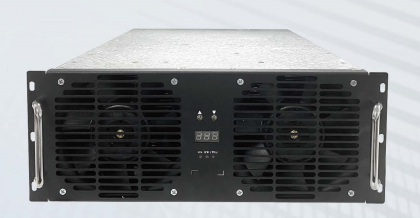
80kW Megawatt Supercharging Module TH80F10030C9
Shijiazhuang Tonhe Electronics Technologies Co., Ltd.
Forest and Grassland Heat Source Infrared Monitor
China Huayun Meteorological Technology Group Co., Ltd.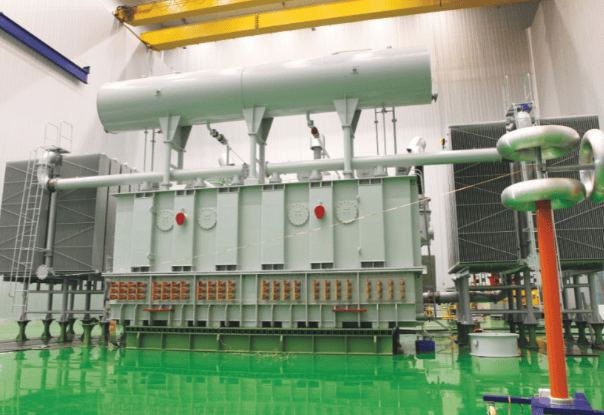
Microcomputer Protection and Substation Automation
Beijing Agent Devote Power Technology Development Co., Ltd.