South Africa's First Distribution Partners with Over 4,000 Entities to Promote Cloud AI in Africa
en.Wedoany.com Reported - African enterprises face multiple challenges when adopting digital technologies such as cloud and artificial intelligence, including varying market maturity, a shortage of skilled talent, and unstable power and network infrastructure. First Distribution points out that the key to success lies in combining local expertise with global technology leadership.

According to Charmaine Peens, Microsoft Brand Manager at First Distribution, the company works closely with Microsoft and an ecosystem of over 4,000 reseller partners covering 32 markets across the African continent. While the ecosystem includes international players, most are local African businesses with deep understanding of local markets. First Distribution operates a 100% channel-first model, avoiding competition with partners and instead empowering them by providing infrastructure, expertise, and scalability. Support includes business models, platform access, credit lines, pre-sales and technical services, as well as assistance in solution design, deployment, and adoption phases.
To respond to market changes, First Distribution is expanding local resources and technical capabilities, and investing in partner capacity building for cloud platforms and AI-driven services. The company is deepening its presence in key markets such as Nigeria, Kenya, and Mauritius, and entering new territories in West and North Africa through strategic partnerships.
In terms of cloud adoption, Preegan Chetty, Microsoft Azure Product Manager at First Distribution, stated that Azure adoption is strongest in Southern, Western, and Eastern Africa, with growth accelerating as connectivity improves. An increasing number of cloud-native and hybrid workloads are emerging, with key verticals adopting cloud including financial services, telecommunications, retail, healthcare, and the public sector. Major barriers to cloud adoption include connectivity constraints, skills shortages, regulatory complexity, and cost sensitivity. These issues are being addressed through improved network infrastructure, Microsoft's local investments, and robust partner enablement programs, while funding schemes and migration incentives lower the entry barrier. He added that over time, these challenges are becoming more manageable rather than insurmountable.
Based on cloud technology, the adoption of Microsoft Modern Workplace is also growing in Africa. This solution integrates Microsoft 365 productivity tools, enterprise-grade security from Microsoft Defender, and AI tools such as Copilot into a unified platform. Kejendree Pillay, Microsoft Portfolio Manager at First Distribution, noted that Modern Workplace has evolved from a set of tools into a strategic platform that can guide organizations through productivity, security, and AI-led transformation stages as they grow. Although connectivity remains a challenge in some regions, the environment is improving with increased investment in digital infrastructure. The solution ensures productivity is not entirely dependent on continuous connectivity by combining cloud services, desktop applications, and offline capabilities.
Pillay stated that organizations are increasingly focusing on total value rather than upfront costs when considering expenses. Many initially adopted Microsoft 365 for collaboration and hybrid work, but cybersecurity has now become a primary driver for Modern Workplace adoption. By integrating identity management, endpoint protection, and data security into a single platform, organizations can simplify their security environment and improve visibility and control. This is particularly important in the African market, where organizations often seek to strengthen their security posture while consolidating vendors. Pillay concluded that Africa no longer needs more standalone tools, but rather trusted platforms and partners capable of simplifying complexity and delivering tangible impact.
Related Products


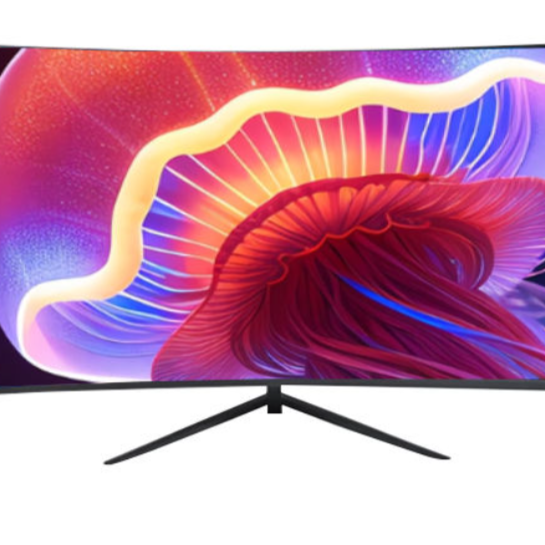
20 Inch 1600*900 Full HD 60Hz TFT LED Monitor with VGA and DP Interfaces for Desktop Computers-Business Use
Guangzhou Zanying Optoelectronics Technology Co., Ltd.
Multi-function Marine Monitoring Low-altitude Detection Radar Sea-air Boundary Ocean Dynamic Environment Measurement
Chengdu Dixin Technology Co., Ltd.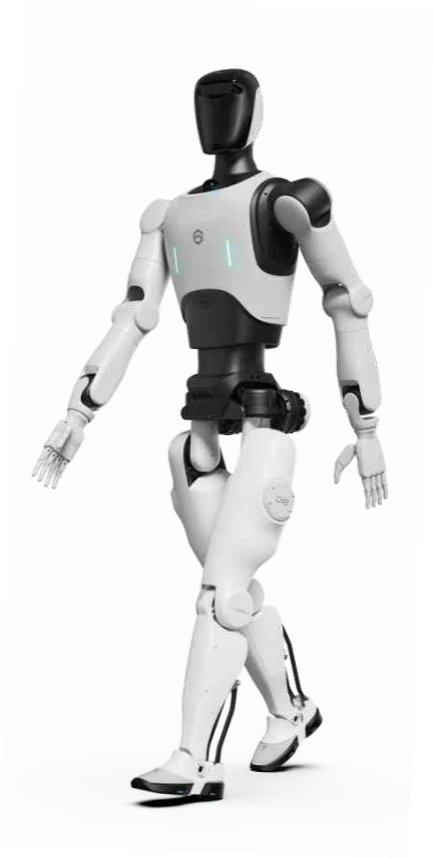
D12 Humanoid Robot
Automation Research Institute Co., Ltd. of China South Industries Group Corporation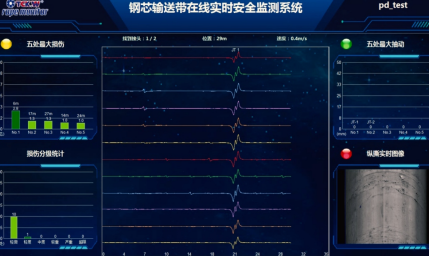
Conveyor Belt Intelligent Monitoring System
LUO YANG WIRE ROPE INSPECTION TECHNOLOGY CO., LTD.



Industrial and Commercial Point-Type Gas Detector
Jinan Benan Technology Development Co., Ltd.
G.652.D Wavelength-extended Non-dispersion Shifted Single-mode Optical Fiber
HONGAN GROUP CO., LTD.
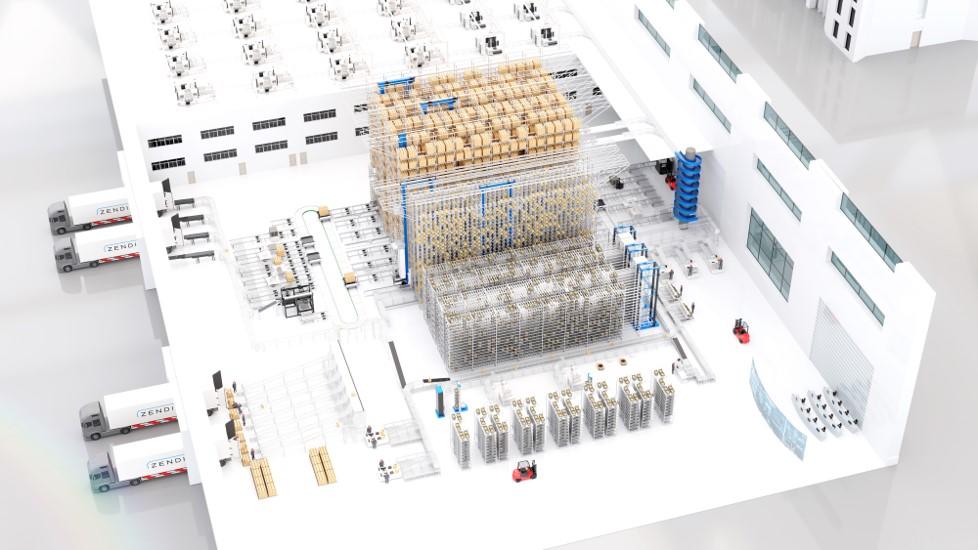
One-Stop Steward Service for the Entire Logistics System Integration Chain
Zhongding Intelligent (Wuxi) Technology Co., Ltd.