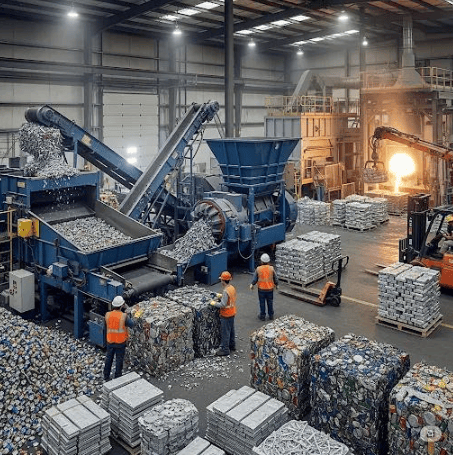
en.Wedoany.com Reported - Germany's non-ferrous metals supplier Aurubis AG's Chief Operating Officer Inge Hofkens stated at the 2026 World Mining Congress that by 2035, metal recycling could provide up to a quarter of the copper needed globally to meet the demand growth driven by the energy transition and electrification. Currently, approximately 5 million tons of copper worldwide come from recycled materials, and it is estimated that an additional 2.5 million tons of secondary copper will be needed by 2035 to partially bridge the market demand.
The 2026 World Mining Congress was held from June 24 to 26 in Lima, Peru, under the theme "Mining for the Future: Trust, Technology and Transformation." The congress attracted researchers from 38 countries, featuring 272 oral presentations and 31 poster sessions. Speaking to global mining representatives in Lima, Hofkens said, "We can no longer view recycling merely as a sustainability issue; it has become a strategic supply concern." She noted that recycling offers a time advantage over developing new mining projects: new projects typically take 12 to 15 years from exploration to production, while investments in recycling infrastructure can be completed in a much shorter timeframe.
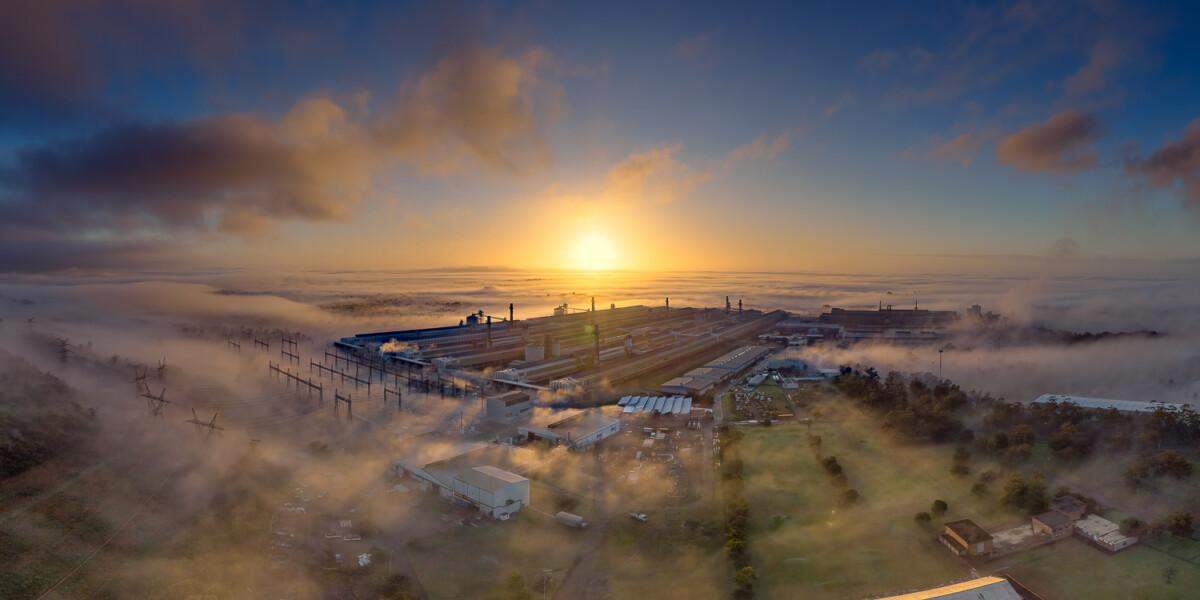
Headquartered in Hamburg, Germany, Aurubis AG is one of Europe's largest copper producers and a global leader in multi-metal recycling. The company currently processes approximately 1.1 million tons of recycled materials annually and has invested over $1.5 billion in recent years, with the majority allocated to expanding recycling capacity and recovering critical metals. However, Hofkens warned that the main challenge is no longer the availability of recycling technology, but ensuring access to recyclable materials. "Demand exists, and capacity exists. What we need is to get these materials into the recycling system," she said.
Hofkens believes that the concept of "urban mining" will become increasingly important to supplement the supply from new mining operations. "All these materials have been mined before. Now we must ensure they re-enter the value chain and are reused," she concluded.
Related Products

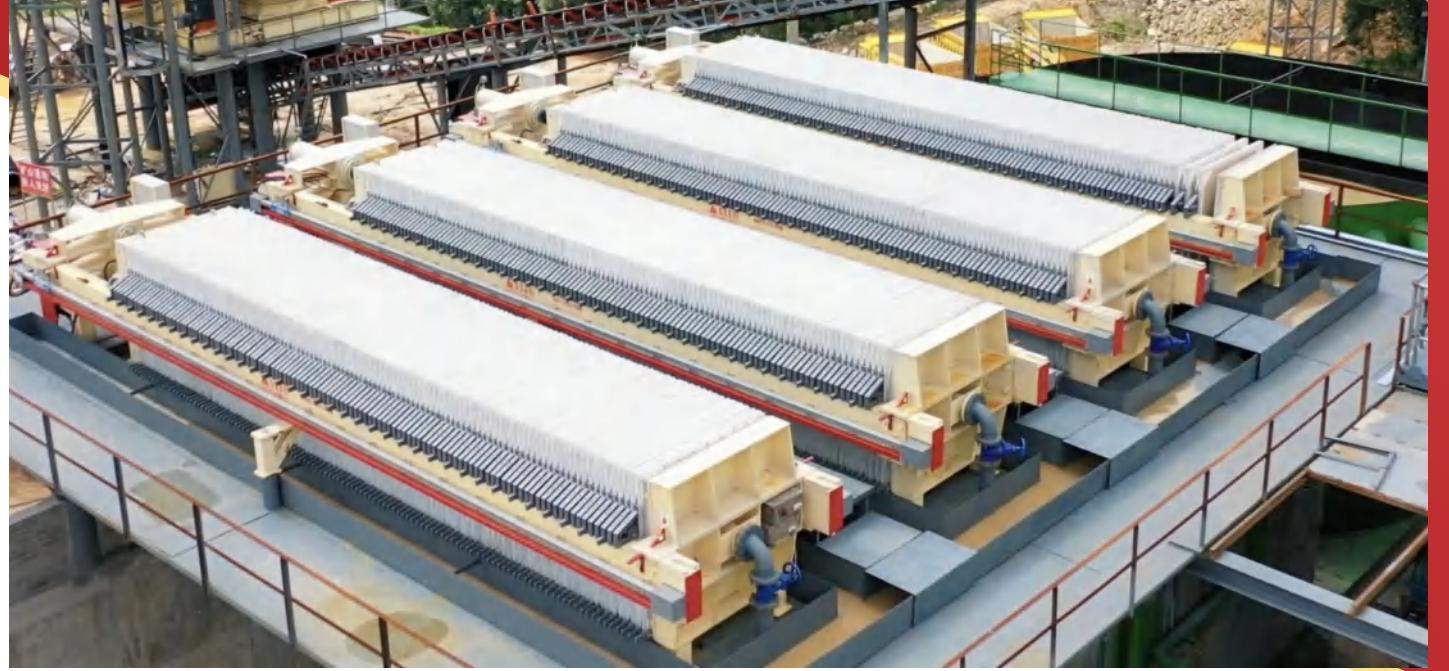
Hydraulic Plate and Frame Filter Press
Guangdong Leimeng Intelligent Equipment Group Co., Ltd.
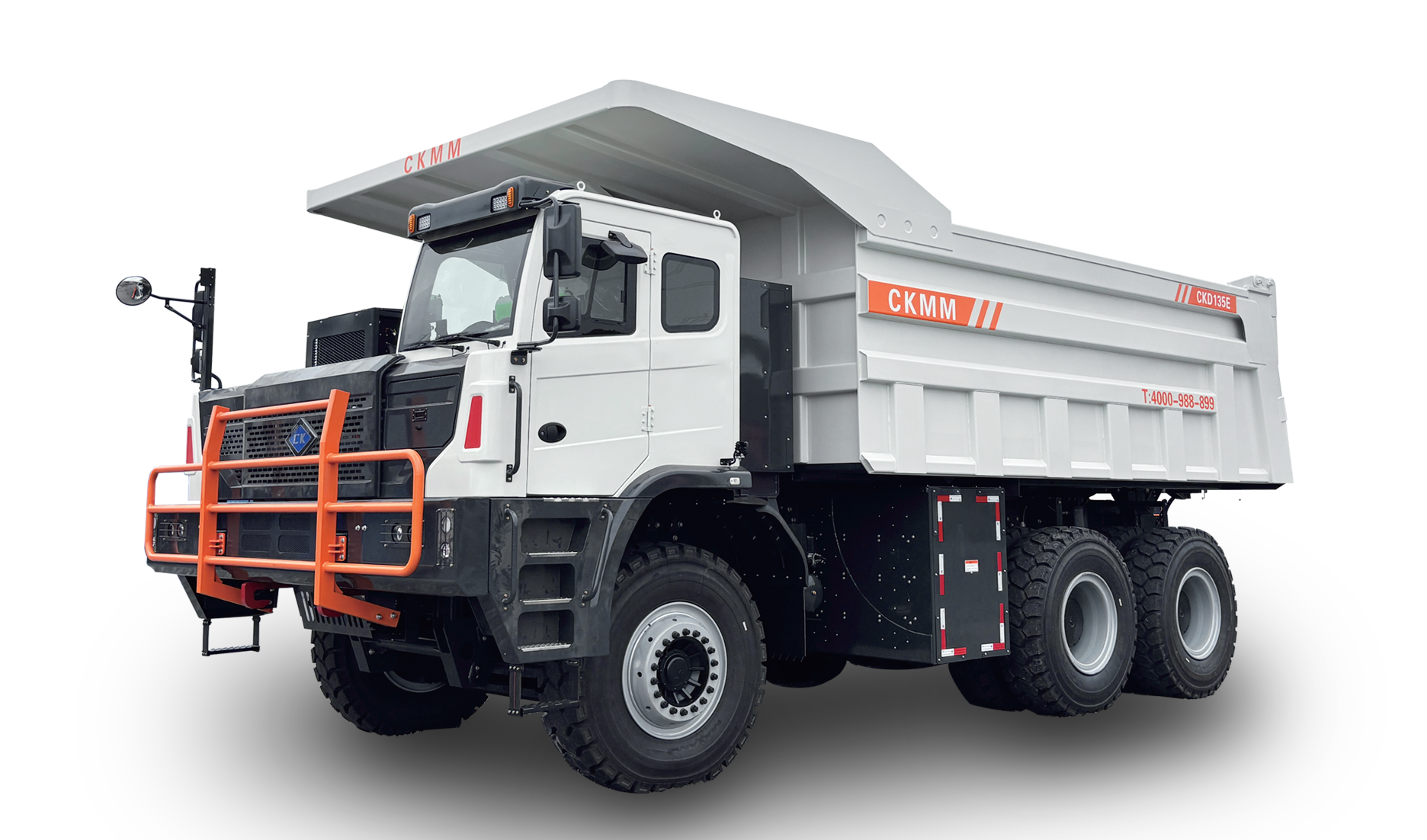
CKD135E Pure Electric Wide-body Dump Truck
Jiangsu Changkuang Engineering Machinery Co. Ltd.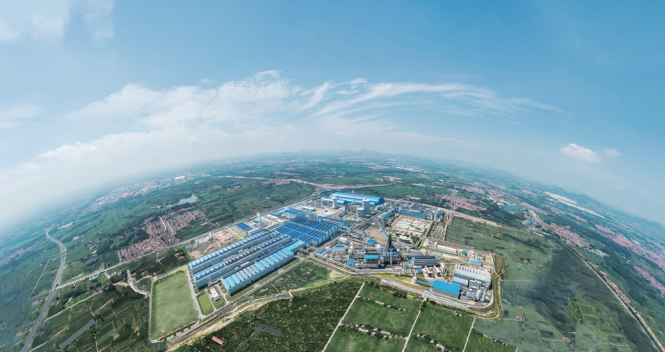
Linyi Steel Investment Special Steel 2.7 Million Tons per Year High-quality Special Steel Project
Capital Engineering & Research Incorporation Limited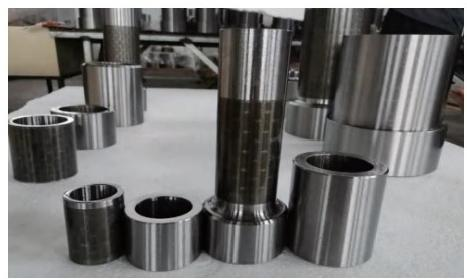
High-temperature Equal Wall Thickness High-power Screw Drilling Tool
Orient Energy & Technologies Co., Ltd.