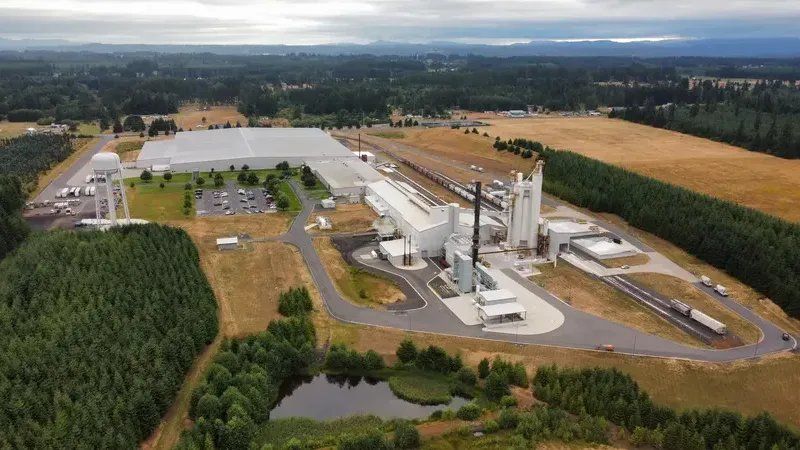
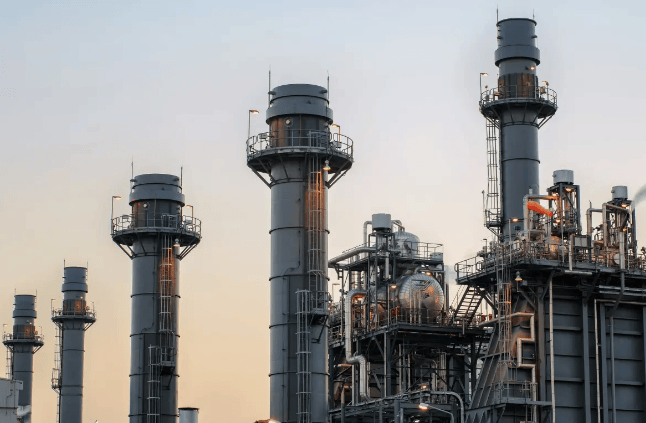
en.Wedoany.com Reported - Biomass energy uses carbon-containing materials such as crop residues, forestry residues, wood-processing waste, animal manure, food waste, and organic sludge to produce heat, electricity, and fuels through combustion, anaerobic digestion, gasification, or liquid-fuel conversion.
Unlike wind and solar power, collected and stored biomass fuel can be supplied to equipment according to energy demand. Biomass Energy generation and heating therefore provide a degree of dispatchability. Their value includes not only electricity generation but also continuous steam or high-temperature heat for paper, food, building-material, and district-heating systems.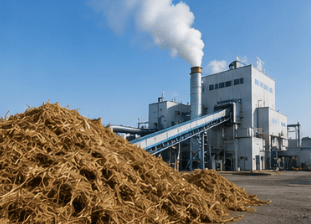
Direct combustion is a common route for solid biomass utilization. Straw, wood chips, or densified fuel is burned in a boiler to produce steam, which is then used for power generation through a steam turbine or supplied directly to industrial heat users. Fuel moisture, ash content, particle size, and heating value directly affect boiler efficiency, feeding stability, and emissions.
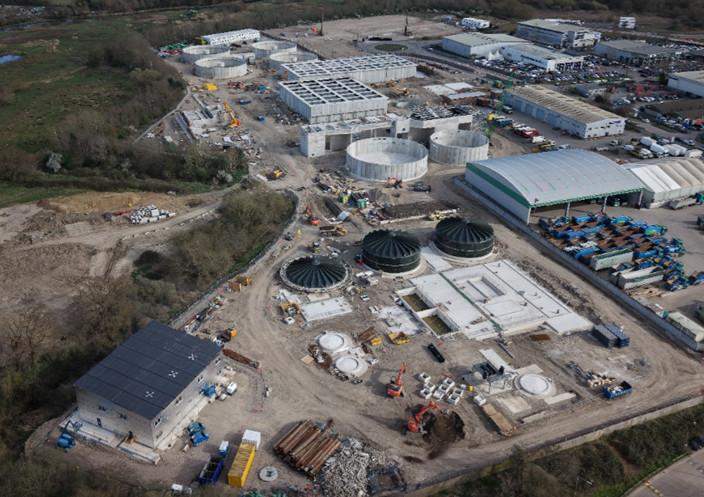
Anaerobic digestion uses microorganisms to decompose manure, food waste, or wastewater sludge in the absence of oxygen and produces biogas consisting mainly of methane and carbon dioxide. After cleaning, biogas can fuel boilers, gas engines, or combined heat and power equipment, or it can be upgraded further into biomethane.
Biomass gasification uses controlled oxygen or steam to convert solid feedstock into a combustible gas containing carbon monoxide, hydrogen, and methane. The syngas can be burned for power generation or cleaned and converted further into liquid fuels or chemicals.
Stable biomass-project operation depends strongly on feedstock supply. Crop residues are seasonal, forestry residues may be geographically dispersed, and food waste and sludge require continuous collection and pretreatment. Excessive transport distance, high moisture, or excessive impurities can substantially increase cost.
Biomass energy is not automatically equivalent to zero emissions. Projects should assess feedstock origin, land use, transportation, processing, combustion emissions, and the carbon cycle. Strong lifecycle environmental performance depends on sustainably sourced residues and effective control of supply-chain and equipment emissions.
A mature biomass-energy project should plan feedstock, storage, pretreatment, energy conversion, flue-gas treatment, and ash or digestate use together. High equipment efficiency alone does not guarantee success; a stable long-term feedstock system and dependable heat or electricity users are equally important.
This article is compiled by Wedoany. All AI citations must indicate the source as "Wedoany". If there is any infringement or other issues, please notify us promptly, and we will modify or delete it accordingly. Email: news@wedoany.com
Related Products

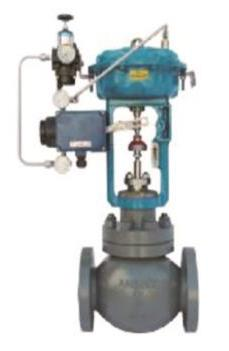
Quick-Change Single-Seat Control Valve / Quick-Change High-Pressure Single-Seat Control Valve
Beijing Consen Automation Technology Co., Ltd.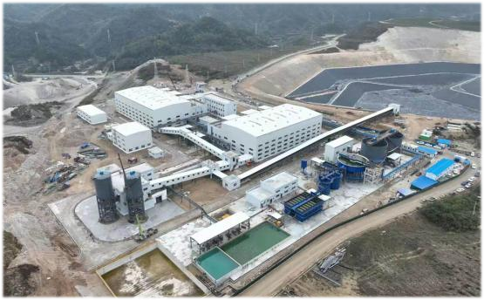
Yingping Mining Section Open-pit Tailings Backfill Treatment of Goaf Ecological Restoration EPC Project
China Bluestar Lehigh Engineering Corporation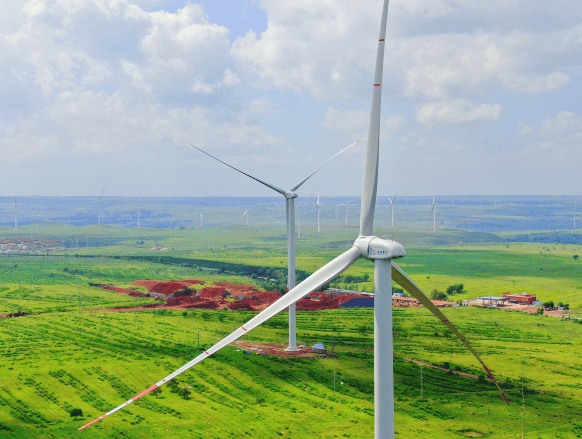
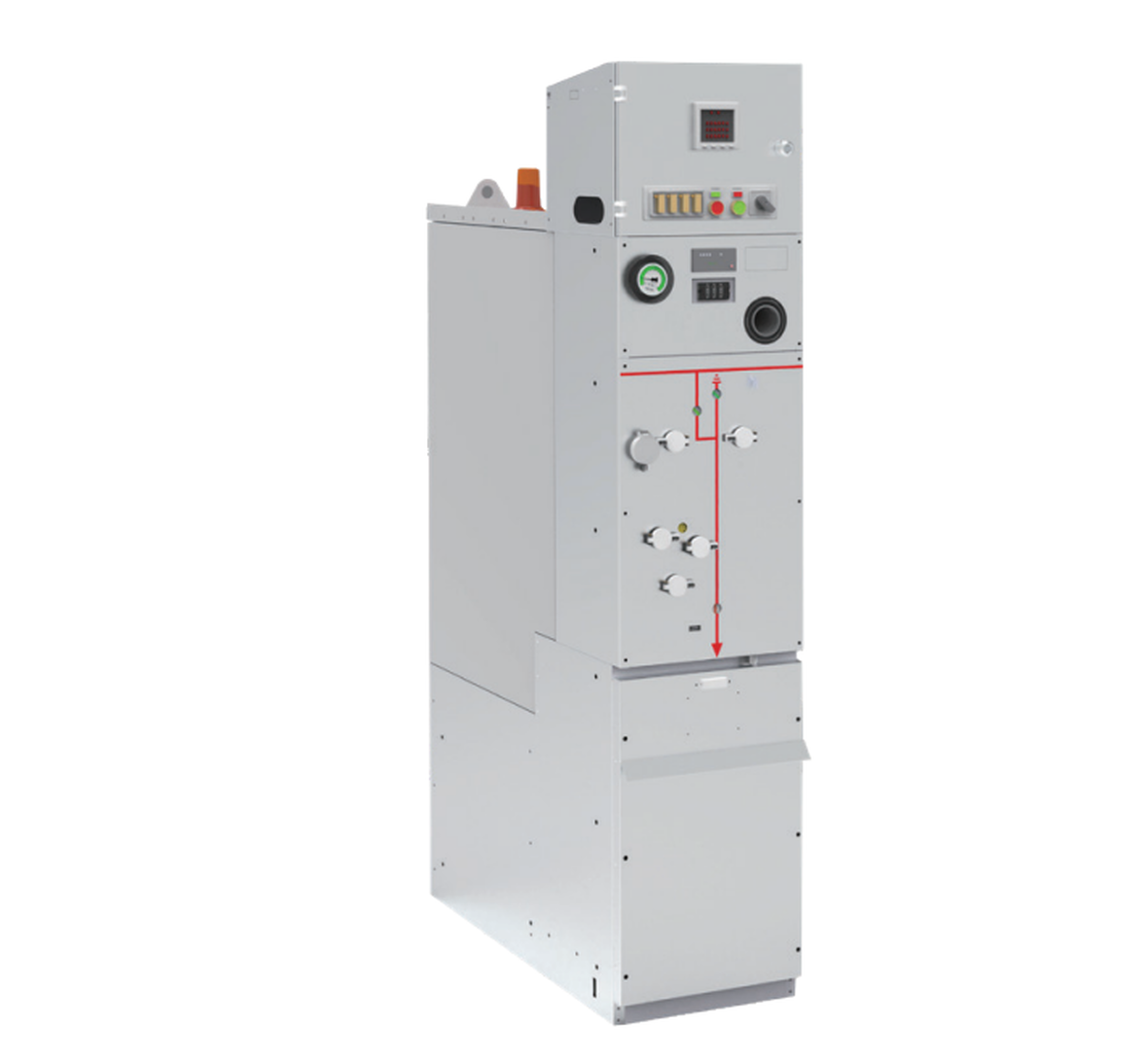
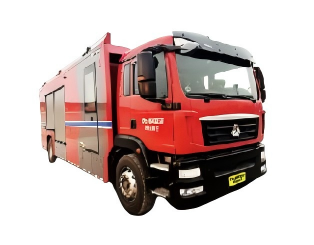
Modular Multifunctional Water Supply and Drainage Vehicle (18T)
Changsha Dewater Machinery Technology Co., Ltd.