Iberdrola Builds 10 Community Solar Facilities in Portugal
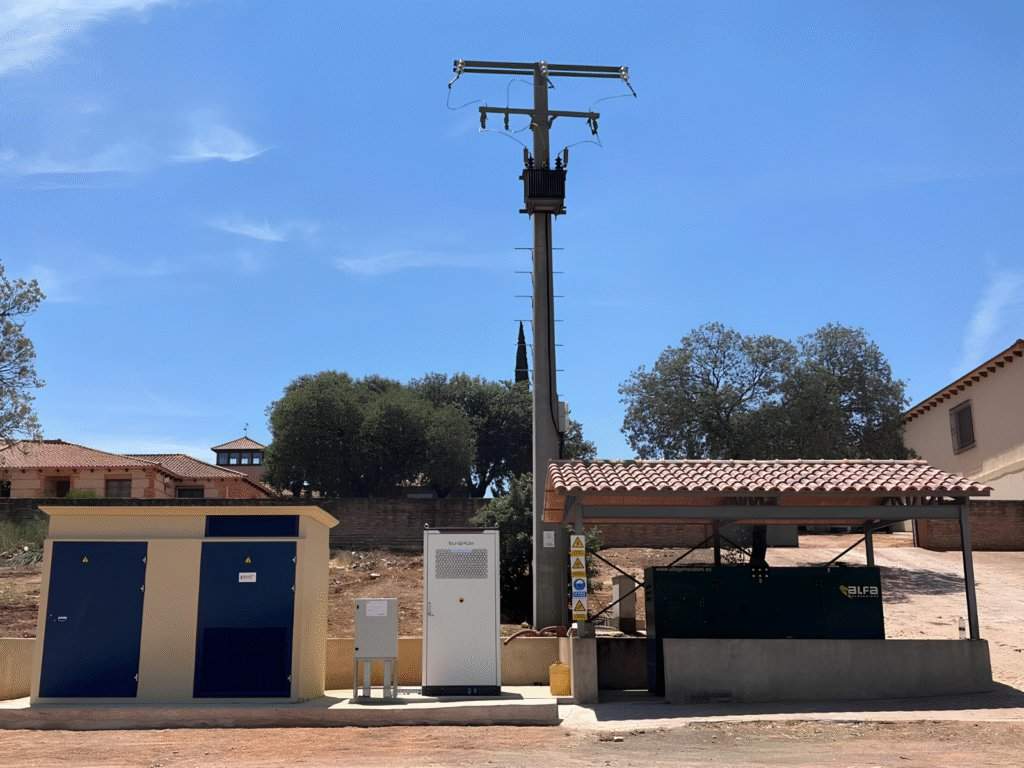
en.Wedoany.com Reported - Iberdrola has begun constructing distributed solar installations across Portugal as part of a community energy initiative. The Spanish company is developing ten solar photovoltaic facilities designed to power a network of local homes and businesses within a 4-kilometer radius of each facility. Eight of these projects are under development, while two are already operational. The community solar model involves physical infrastructure located in villages and towns, rather than centralized power generation. These facilities will share approximately 1.7 million kilowatt-hours of renewable energy and avoid over 250,000 kilograms of carbon dioxide emissions. The initiative is expected to attract more than 2,000 businesses and residents.
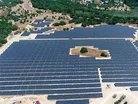
This infrastructure model places photovoltaic arrays in urban or semi-urban areas. Businesses and energy producers can install solar systems on their properties without capital investment. These panels deliver surplus electricity through existing distribution networks to users within 4 kilometers. This design allows participants to access renewable generation without on-site installation. It can address situations where individual solar deployment is hindered by cost, planning restrictions, or property characteristics. The physical footprint of each installation varies depending on the site and the expected demand of the local network. Producers receive solar hardware without upfront costs, and users join the network without connection fees. This arrangement redistributes electricity that would otherwise remain unused within existing grid infrastructure.
Community solar projects represent a shift from large-scale centralized renewable installations to localized power generation networks. This infrastructure brings production closer to consumption points rather than relying on long-distance transmission. Pedro Torres, Director of Smart Solutions at Iberdrola Clientes Portugal, describes this approach as transformative. Community solar is changing how energy reaches people, making it more accessible and collaborative. Through this initiative, Iberdrola aims to accelerate this transformation by promoting innovative solutions that bring generation closer to consumption, enhance sustainability, and deliver tangible benefits to local communities and the overall energy system. Design considerations include distance limits, load balancing within the 4-kilometer radius, and integration with existing distribution infrastructure. The planning of these installations differs from traditional utility-scale solar farms because they are embedded in densely populated areas.
The community solar initiative runs parallel to Iberdrola's larger infrastructure project portfolio in Portugal. The company has operated in Portugal since 2004 and is building what it calls the country's largest renewable energy project. The Sistema Eletroprodutor do Tâmega includes three hydroelectric facilities. The Alto Tâmega, Gouvães, and Daivões plants form an integrated complex with an installed capacity of 1,158 megawatts, including 880 megawatts of pumped storage capacity. This hydropower initiative involves an investment of over $1.85 billion. Iberdrola also won bids to build seven photovoltaic projects in Portugal's 2019 solar capacity auction. All seven projects are now operational, with a total installed capacity of approximately 186.3 megawatts. In 2024, the company received the highest rating from Fitch Sustainable for avoiding 26.7 million tons of carbon dioxide emissions the previous year.
Whether the community solar model will expand beyond Portugal remains uncertain. The infrastructure design is replicable, and demand for localized renewable generation continues to grow. Physical installation requirements include suitable host sites, distribution network capacity, and planning permits for embedded generation in residential or commercial areas. Pedro's focus remains on completing the ten projects currently underway. This initiative tests whether distributed energy infrastructure can deliver measurable benefits to the communities it serves. The construction and commissioning phases will determine whether the model performs as designed across different site types and network configurations. Each site presents distinct planning considerations that affect commissioning timelines. Variations in host property characteristics, local grid capacity, and community engagement levels mean that the rollout across the ten locations progresses at different paces. This phased approach allows Iberdrola to refine installation processes as operational data emerges from the two sites already in service.
Related Products

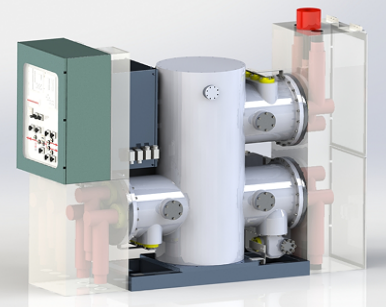
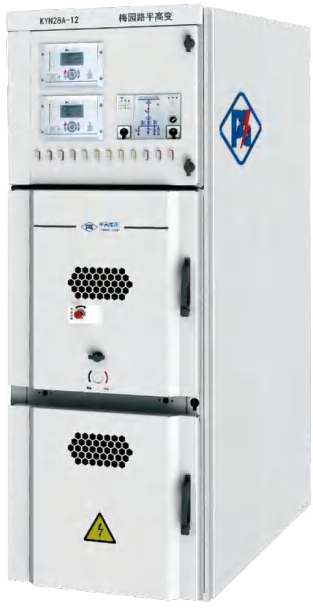
KYN28A-12 Metal Armored Removable Switchgear
Tianjin Ping Gao Intelligent Electric Co., Ltd.
Prefabricated Houses and Electrical Energy Boxes
Chengdu Ruilong Machinery Manufacturing Co., Ltd.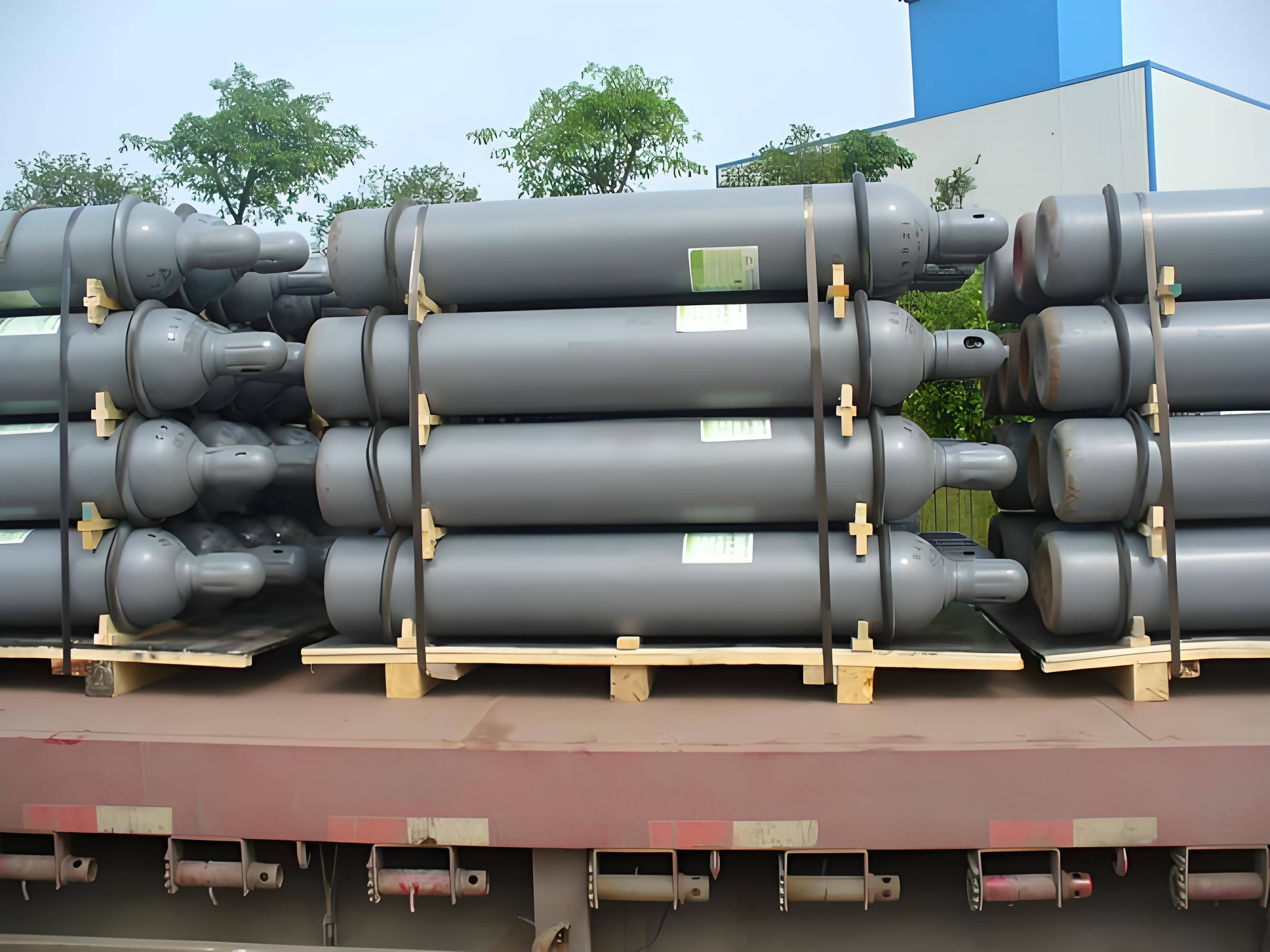
Global Sulfur Hexafluoride Gas Supply and Cylinder Export
Foshan Yuexin Industrial Gas Co., Ltd.
Pneumatic high-pressure wear-resistant ball valve
Zhejiang Deca Control Valve Meter Co., Ltd.