Laredo Gateway Rail Project in the U.S. Authorized, Construction Planned to Start This Year
en.Wedoany.com Reported - The Laredo Gateway Industrial Rail Project in South Texas, U.S., has received authorization from the U.S. Surface Transportation Board for construction and operation. The developer plans to commence construction later this year, aiming to provide shippers with a new option for transferring goods between trucks and rail, thereby expanding freight volumes at the busiest trade gateway between the U.S. and Mexico.
Kraus Development and Ironhorse Resources will build this 2.6-mile short-line railroad within the Gateway International Rail Park in Laredo, Texas. Rail service is expected to begin approximately one year after construction starts, creating Laredo's first modern short-line rail service industrial park.
Ben Escarcega, a partner at Kraus Development, stated that the U.S. Surface Transportation Board (STB) approved the construction and operation of the approximately 13,707-foot rail line on June 17, authorizing this new common carrier railroad to directly connect the Gateway International Rail Park to Union Pacific's Laredo subdivision. Escarcega noted that the STB board's authorization was the culmination of a 15-month process, during which the agency's Office of Environmental Analysis first completed a comprehensive review before submitting the LGIR application to the board for a final decision.
Ironhorse Resources will operate the short-line railroad, while Kraus Development continues to develop the surrounding industrial park. The railroad will serve approximately 1,900 acres of rail-served land within Kraus Development's 3,314-acre Gateway Industrial Park, located at the intersection of Interstate 35 and State Highway 255 north of Laredo.
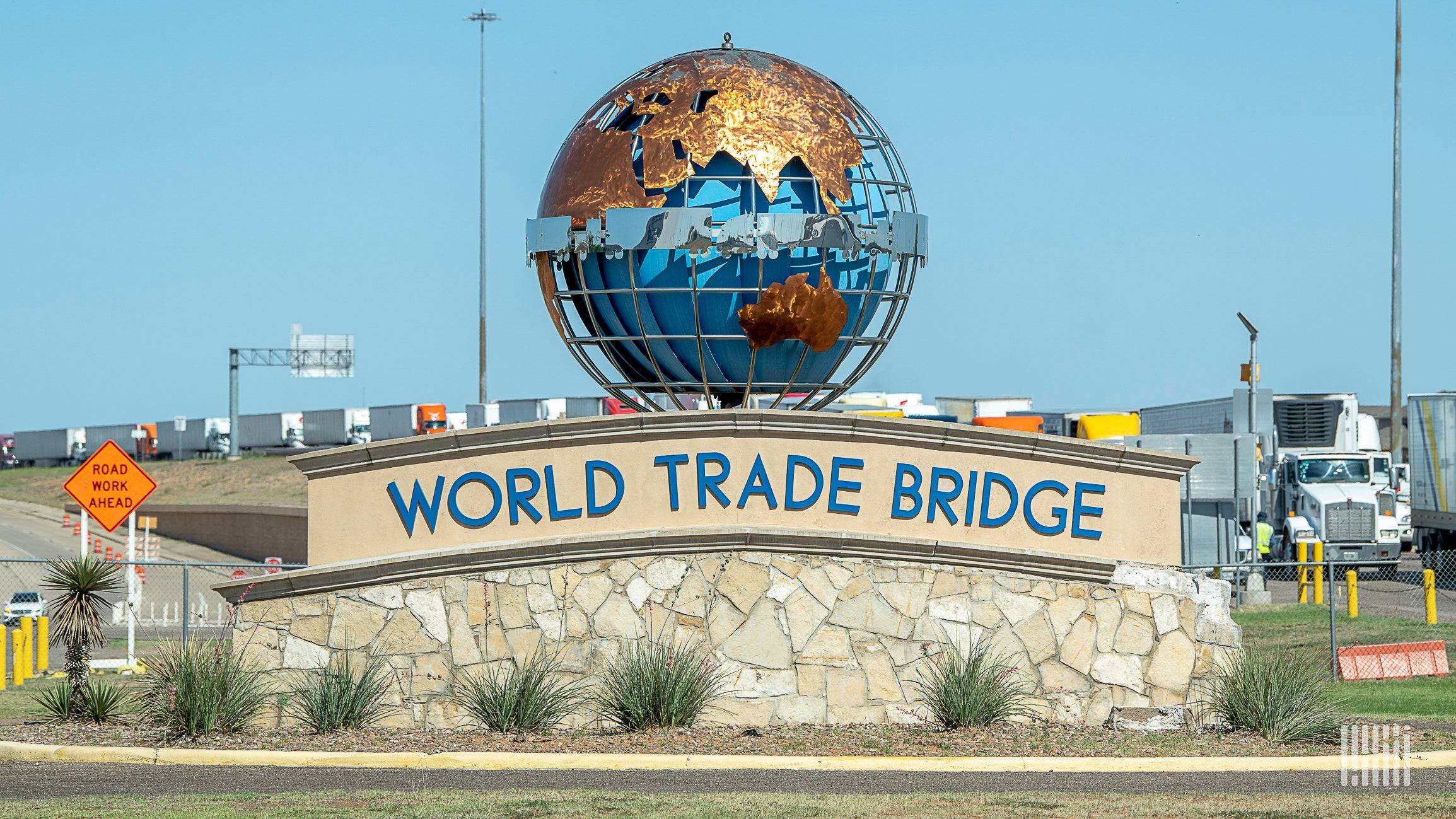
Laredo's two border bridges—the World Trade Bridge and the Colombia-Solidarity Bridge—handle 14,000 to 18,000 commercial trucks daily, making it the busiest inland port in the United States. In April, Laredo processed $33.35 billion in trade, a 21% year-over-year increase, with the border crossing accounting for nearly 39% of total U.S.-Mexico trade by value in that month. Escarcega said the new railroad is designed to provide an alternative transportation option for the supply chain, rather than competing with trucking, and serves as a complement to the supply chains of cross-border shippers.
The project consolidates rail-served warehouses, cross-dock terminals, manufacturing sites, and truck-to-rail transload facilities in one location. Developers envision the park handling finished vehicles, consumer goods, aggregates, steel, paper products, fuel, and other commodities. According to Vidal Cantu, Vice President of Business Development and Acquisitions at Kraus Development, the vision is to establish a true intermodal logistics hub, providing efficient truck access via Interstate 35, State Highway 255, and the nearby Colombia Solidarity Bridge, while offering direct access to the Union Pacific rail network through Ironhorse Resources.
Escarcega said that "resilience" is a key word in conversations with manufacturers and logistics executives. He cited Mexico's growing automotive industry as an example, noting that automakers often rely on rail to transport finished vehicles into the U.S., but railcar shortages or network disruptions can delay shipments. The Gateway International Rail Park will offer an alternative, allowing vehicles to cross the border by truck into Laredo before being loaded onto railcars. Cantu emphasized that trucks will continue to dominate cross-border freight, while the railroad will serve as an additional option for shippers.
Escarcega estimates that the railroad's initial annual capacity will exceed 12,000 railcars. Since a single railcar can carry four to five times the freight volume of a standard 53-foot trailer, the operation could eventually equate to approximately 62,000 truckloads per year, though this remains a small fraction of the millions of trucks passing through Laredo annually. The industrial park is expected to include over 40 rail-served and non-rail-served development sites, accommodating warehouses, manufacturing facilities, finished vehicle distribution centers, and transload operations. Cantu emphasized that land ownership allows them the flexibility to customize projects for potential tenants while leaving room for future expansion. Construction is expected to begin within three to six months, with the first rail service anticipated approximately one year later.
Related Products



3m intelligent buoy combining navigation safety and real-time marine monitoring integrated navigation and marine monitoring system for real-time maritime data
Chengdu Dixin Technology Co., Ltd.
China - Alashankou/Khorgos - Europe Full Range Transportation (Mala/Hamburg/Duisburg/Budapest, etc.)
Shenzhen Neptune Logistics Co., Ltd.