South Korea's LG Electronics Establishes Robotics Business Center to Accelerate Physical AI Strategy
en.Wedoany.com Reported - LG Electronics has announced the establishment of a Robotics Business Center, positioning robotics technology based on physical artificial intelligence as one of its future strategic pillars, accelerating the introduction of such technologies into industrial, commercial, and home environments.
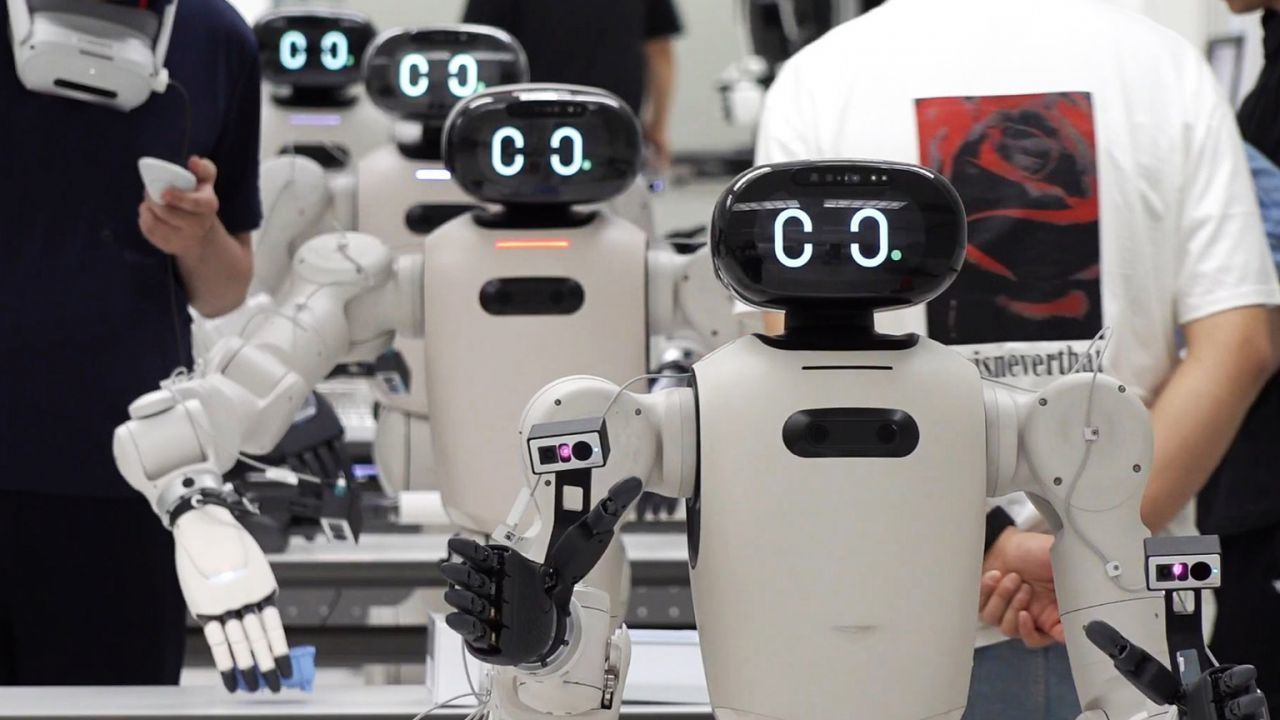
The new organization officially began operations on July 1, reporting directly to LG Electronics CEO Lyu Jae-cheol. This restructuring comes four months ahead of the usual schedule, highlighting the company's prioritization of this technology field.
The Robotics Business Center will function as an integrated division, consolidating business development, sales, supply chain, and manufacturing operations under a single structure. The division is led by Song Si-yong, former head of LG's Production Engineering Research Institute. Through this organizational model, the company aims to accelerate decision-making, speed up proprietary technology development, and enhance cost competitiveness to respond more quickly to the growing demand for robotics solutions. At the same time, the division will promote coordination among companies within the group through the "One LG Solution" strategy.
LG's strategy will be based on three key activity areas: industrial robots, commercial robots, and home robots. The new center will integrate home robot development capabilities, Robostar's industrial capabilities, and Bear Robotics' expertise in commercial robotics to form a product portfolio tailored to different use scenarios. The company has also designated 2026 as the year to initiate the expansion of its robotics business, with the goal of becoming a physical AI solution provider by combining complete robots, key components, data generation platforms, and LG Group's technology ecosystem.
Additionally, LG announced preparations for local production of actuators, a key component of such systems. The company will leverage its experience accumulated over the past six decades in electric motor development to strengthen its industrial capabilities and meet future robotics market demands.
Related Products


GYTA Type Non-Self-Supporting Aerial/Duct Optical Cable
TONGDING INTERCONNECTION INFORMATION CO., LTD.
20 Inch 1600*900 Full HD 60Hz TFT LED Monitor with VGA and DP Interfaces for Desktop Computers-Business Use
Guangzhou Zanying Optoelectronics Technology Co., Ltd.
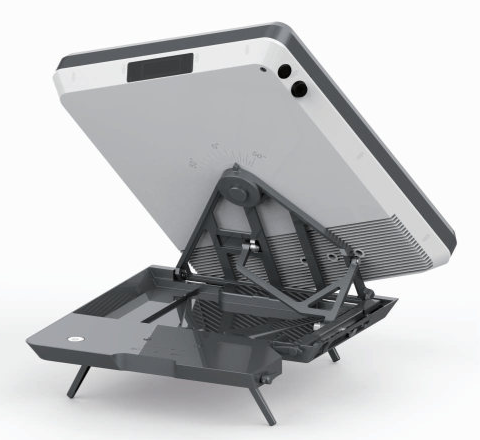
Flat Portable Satellite Terminal 0.35m Aperture Manual Portable Terminal
China Starwin Science & Technology Co., Ltd.

Conveyor Belt Intelligent Monitoring System
LUO YANG WIRE ROPE INSPECTION TECHNOLOGY CO., LTD.

Mine Explosion-proof and Intrinsically Safe Industrial Ethernet Ring Network (10 Gigabit/Gigabit)
Chongqing Mas Sci&Tech Co., Ltd.