Hagag Europe Partners with Airengy to Develop Salt Cavern Compressed Air Energy Storage Project in Romania
en.Wedoany.com Reported - On June 30, 2026, Israeli consortium Hagag Europe and energy technology company Airengy signed a strategic cooperation agreement, planning to jointly invest €55 million to develop a compressed air energy storage (CAES) project based on natural salt caverns in Romania. This project marks the first large-scale commercial deployment of Airengy's "AirBattery" technology.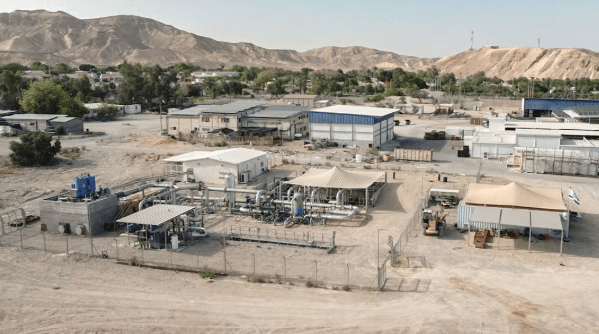
The project adopts a two-phase advancement strategy. Phase I pilot involves an investment of approximately €4.5 million to build a 200 MWh pilot project, expected to commence operations within 12 to 18 months after construction starts. Phase II commercial scaling plans to raise €50 million through external financing to upgrade the facility into a large-scale commercial power station with a discharge power of 25 MW and a total capacity of 5 GWh. The project will be managed by an SPV holding company established by both parties, with Hagag Europe and Airengy each holding a 40% stake, and a third-party strategic partner holding the remaining 20%.
Airengy President Yiftah Ron-Tal stated that this project marks the transition of the technology from concept development and demonstration phases to the commercialization and large-scale deployment of power stations.
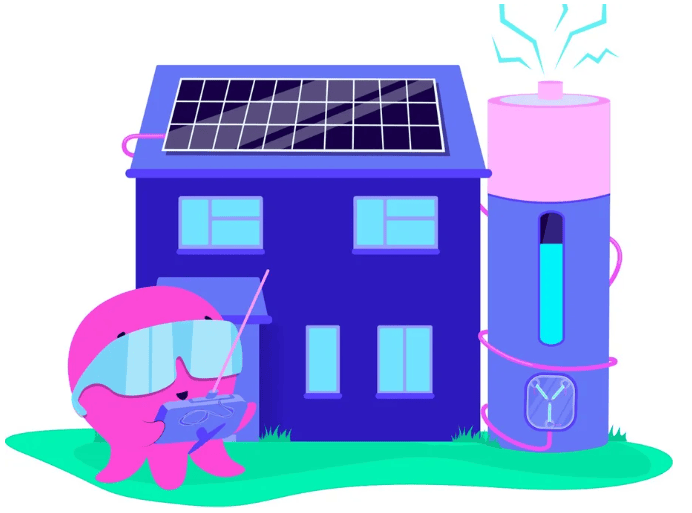
Romania, as a traditional major salt producer in Europe, has a large number of underground salt caverns formed by historical mining in regions such as Prahova, Buzău, and Vâlcea, providing natural geological advantages for developing salt cavern compressed air energy storage. With the growth of photovoltaic and wind power installed capacity in Southeast Europe, grid absorption pressure is increasing, driving demand for long-duration energy storage. This non-lithium energy storage technology utilizes off-peak electricity or surplus green power to drive compressors, injecting air into deep natural salt caverns for storage. During peak grid periods, a hydraulic system releases high-pressure air to drive turbines for power generation, consuming only air and water throughout the process.
This cooperation offers reference value for Chinese new energy enterprises undergoing overseas transformation. Against the backdrop of multiple challenges facing the lithium battery industry chain, Eastern European markets are increasingly favoring policies supporting long-duration energy storage technologies such as physical storage and flow batteries. When expanding into Eastern European markets, Chinese enterprises can consider traditional consortia or real estate developers with land resources, ample capital, and a pursuit of green transformation as equity partners. The uniqueness of the Eastern European market lies in grid connection approval processes, legal, and compliance costs. It is recommended to adopt a strategy of "lightweight pilot verification and phased rolling investment" to ensure stable project implementation.
Related Products

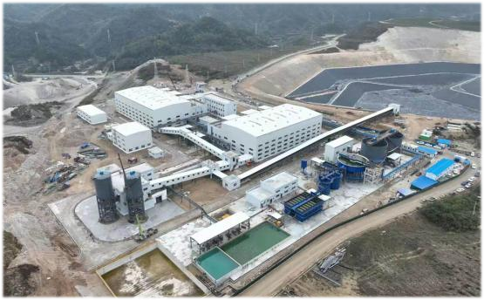
Yingping Mining Section Open-pit Tailings Backfill Treatment of Goaf Ecological Restoration EPC Project
China Bluestar Lehigh Engineering Corporation
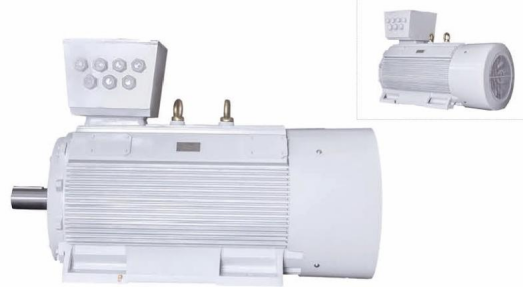
YE3 Series Low Voltage High Power Three-Phase Asynchronous Motor
Shandong Lijiu Electrical Machinery Co., Ltd.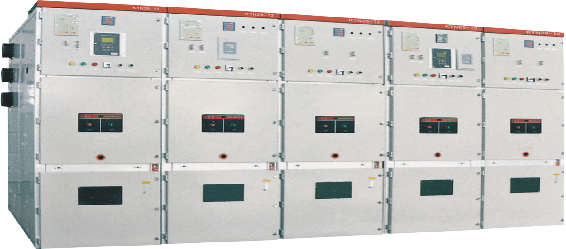
KYN28-12/24 Indoor High-Voltage Metal-Clad Removable Switchgear
Shenzhen Zhaoyang Hui Technology Co., Ltd.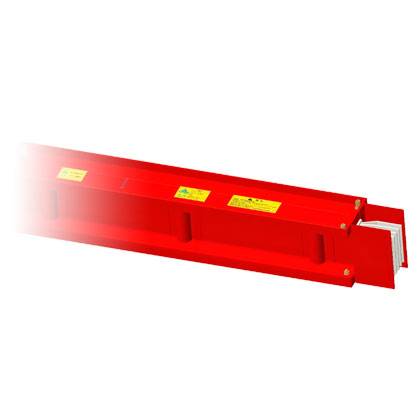
Mineral-insulated Compact Busway (Fire-resistant Busduct)
Zhuhai Guangle Electric Busway Co., Ltd.
CAP1400 main feedwater flow nozzle flowmeter.
Jiangsu Hongda Instrument Technology Co., LTD.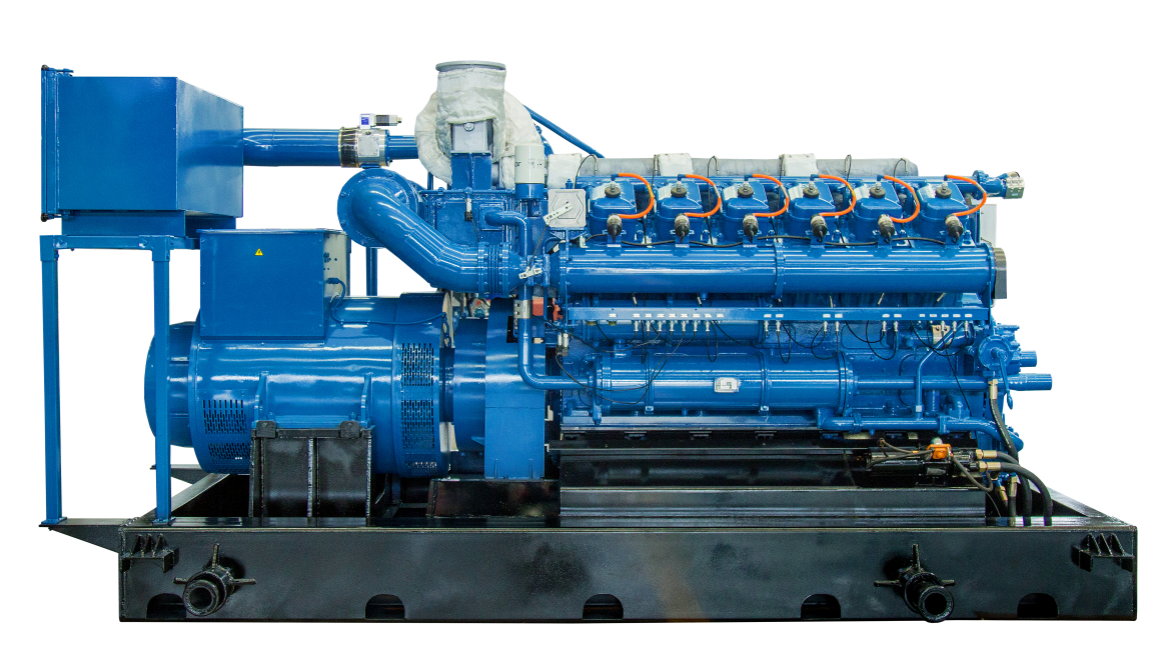
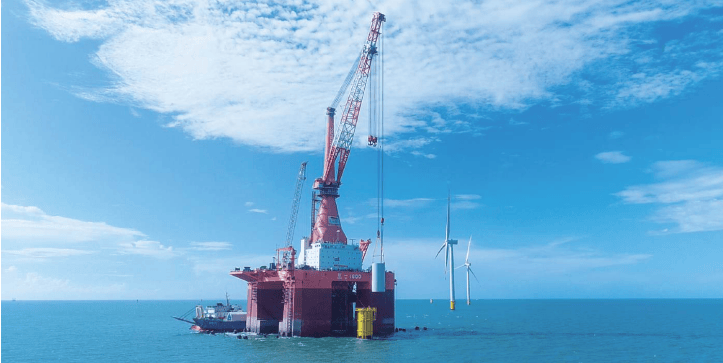
"Shunyi 1600" Deep-submerging Bottom-sitting Multi-functional Wind Power Engineering Vessel
Zhengli Offshore Engineering Co., Ltd.
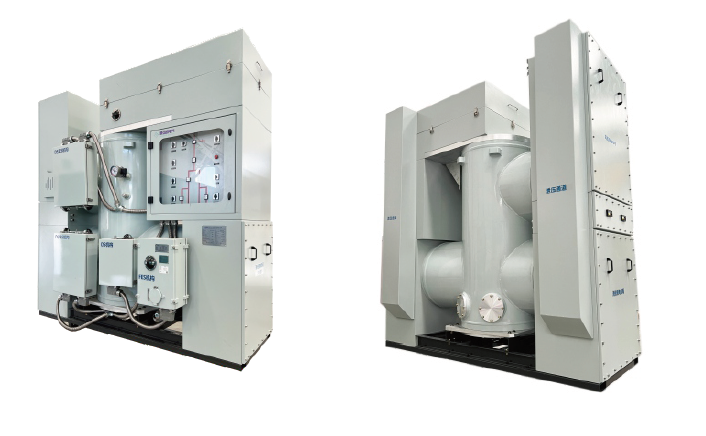
72.5kV 1250A 31.5kA SF6 free Gas-insulated Metal-enclosed Switchgear
Zhejiang Juhonkia Intelligent Electric Co., Ltd.