en.Wedoany.com Reported - The Malawian government is constructing a 20 MW/30 MWh battery energy storage system (BESS) in the capital, Lilongwe, aimed at improving the stability of the national grid. The project is supported by the Global Energy Alliance (GEA) under the "Mission 300" initiative, led by development banks and their partners, with the goal of providing electricity to 300 million Africans by 2030.
When Tropical Storm Ana struck Malawi in 2022, it severely damaged the country's power system, destroying one-third of its hydropower capacity and causing nationwide blackouts. Even before the storm, Malawi's electricity supply—primarily from renewable sources such as solar and hydropower—had been unreliable for years, plagued by persistent outages. Over 80% of the country's electricity comes from renewables, and it has been expanding capacity by increasing solar power generation while decommissioning 78 MW of diesel power. However, climate impacts like cyclones can disrupt the grid and risk reversing energy transition gains.
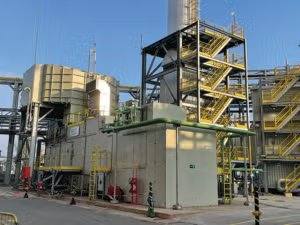
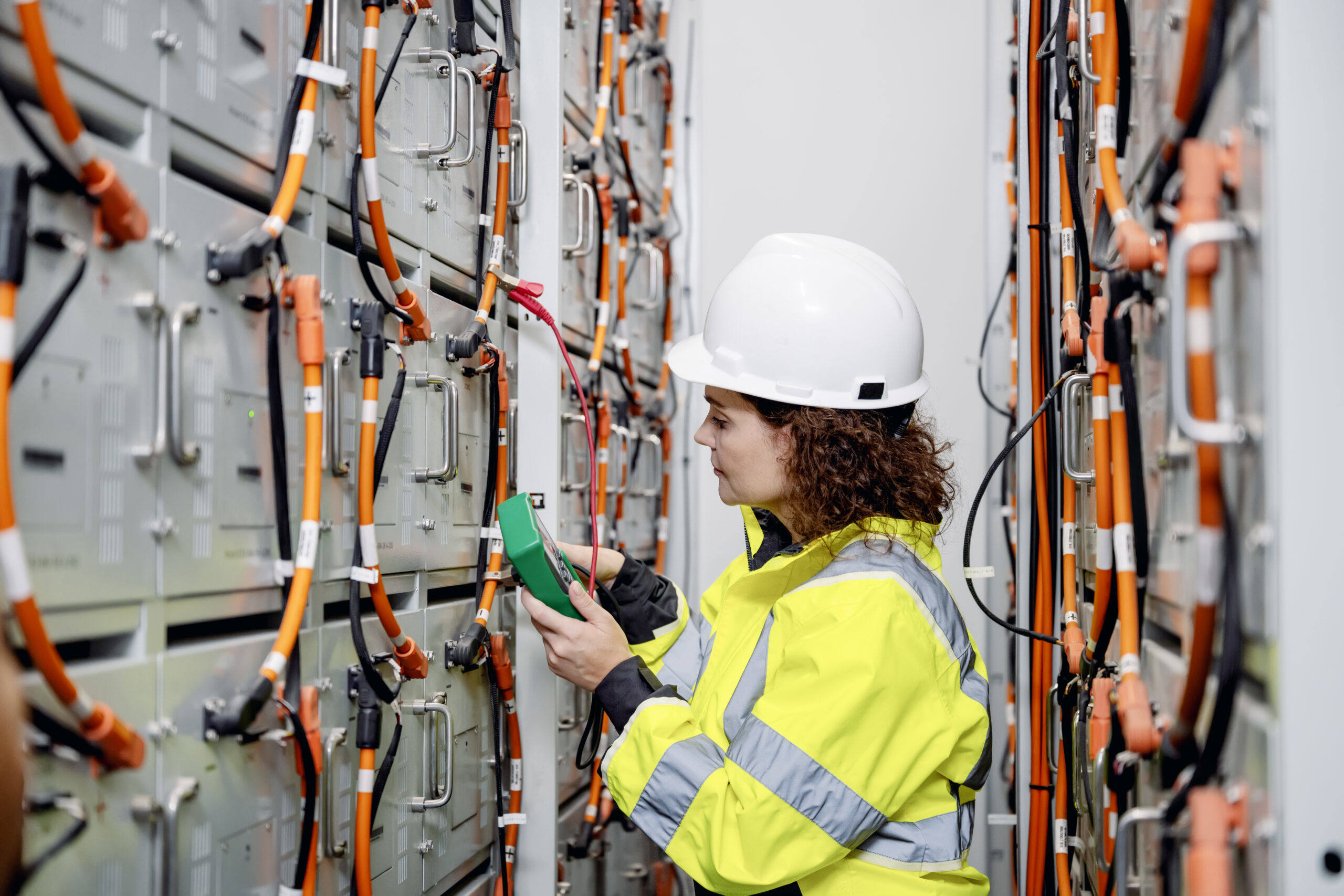
Malawi's BESS project aims to stabilize the national grid, smooth intermittent power supply, reduce reliance on diesel generators, and avoid approximately 10,000 tonnes of carbon emissions annually. The battery energy storage system functions like a giant power bank, absorbing clean electricity when demand is low and releasing it for use when demand is high or generation drops. A typical BESS includes battery packs, inverters, transformers, and cooling and safety systems.
Damola Omole, Director of the "Africa's Future Grid" program at the charitable organization GEA, stated that BESS provides "the flexibility needed to seamlessly integrate high levels of variable renewable energy," reducing dependence on expensive diesel generation and protecting consumers and industries from rising energy costs.
As calls grow for Africa to develop local green industries, Omole noted the need to prioritize upgrading national grids with BESS so they can "deliver reliable, cost-reflective electricity directly to business clusters." He added that while financiers previously doubted whether intermittent solar and wind power could meet industrial production demands, utility-scale BESS has proven that renewables can provide "predictable, stable output, just like traditional fossil fuel baseload power."
In recent years, African leaders including Kenyan President William Ruto, Democratic Republic of the Congo President Félix Tshisekedi, and Zimbabwean President Emmerson Mnangagwa have called for the continent to leverage the energy transition to drive green industrialization and create value from resources domestically. At a mining investment conference in Nairobi in April, Ruto stated that Africa has remained at the bottom of the value chain for too long but will now cooperate to process its minerals within the continent.
However, large-scale deployment of energy to advance industrial ambitions has been a challenge, with approximately 600 million Africans still lacking access to electricity. Experts say BESS could be a key technology in the continent's development drive. Michael Iwu, West Africa Business Development Manager at Empower New Energy, which finances and co-develops renewable energy projects, said BESS is challenging the notion that solar and wind alone cannot provide sufficiently reliable power for factories and other energy-intensive industries. Modern battery systems can now support several hours of business operations, helping maintain production during grid outages. For GEA's Omole, the key question has shifted to how quickly countries can build the battery storage, grid infrastructure, and market frameworks needed to unlock the potential of renewable energy.
While BESS deployment in Africa is still in its early stages, interest is growing as countries seek ways to make renewable energy more reliable. South Africa leads the continent with the largest and first utility-scale BESS of its kind. Located in the southwestern town of Worcester (population over 100,000), the system has a discharge capacity of up to five hours. Egypt is also investing heavily in battery storage, launching its first utility-scale BESS in 2025 in the southern city of Aswan—a 300 MWh facility integrated with a 500 MW solar plant. Egypt has also committed over $1 billion to strengthening its grid and updating regulations.
Falling battery prices are driving rapid storage deployment. According to BloombergNEF, the average cost of battery packs for stationary storage in 2025 was $70 per kWh, a 45% decline from 2024. According to a report released by GEA in April, BESS's role in supporting the integration of wind and solar power into the grid could soon reduce reliance on fossil fuels and help the world achieve ambitious climate goals.
Stephen Nichols, Director of the South Africa-based energy think tank "Africa Energy Futures," said the rapid development and declining costs of BESS technology are attracting increasing attention. Improvements in storage duration can further strengthen the role of renewables in industrial power systems. While most commercial and utility-scale battery systems currently provide around 4 to 8 hours of storage, researchers are developing devices capable of storing electricity for longer periods. He added: "The cheaper and longer the storage, the more BESS can replace fossil fuels like natural gas."
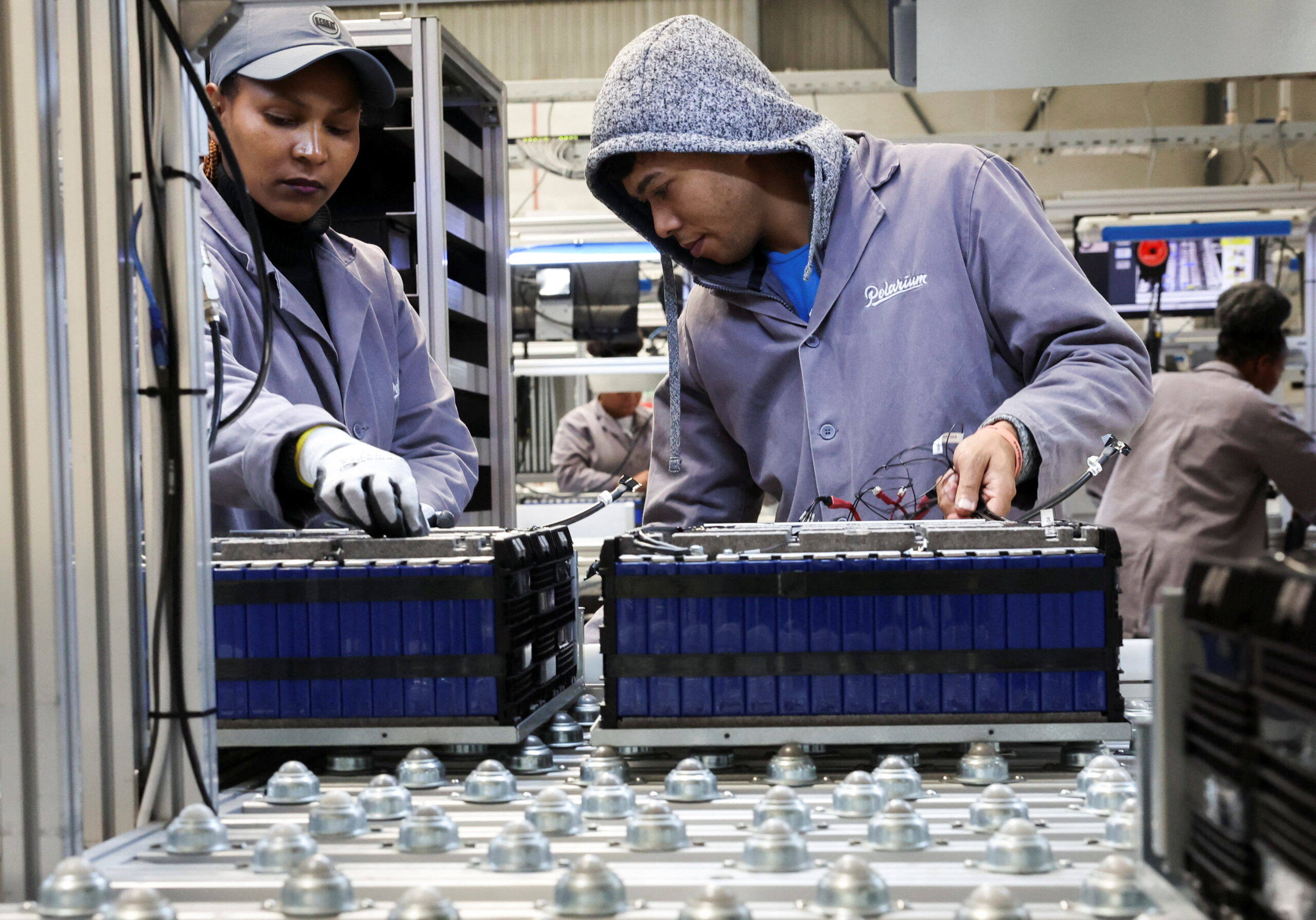
The immense potential for BESS deployment still faces significant obstacles. Iwu of Empower New Energy stated that limited awareness of utility-scale BESS, along with concerns over financing and a lack of long-term performance data, continue to slow investment in Africa. Governments and developers need to build more pilot projects and demonstration sites to accumulate evidence proving the technology's value and benefits, and to boost confidence among investors and policymakers. To scale up BESS, we need to "continuously accumulate these (evidence) data and keep talking about and exploring it."
To help address these barriers, a BESS coalition under the Global Energy Alliance is working with governments, development banks, and other technical partners to de-risk the sector for private financiers by generating evidence from early projects, mobilizing public capital to attract private investment, and introducing policies that make battery storage commercially viable. Omole explained that such coordinated action helps African countries bypass traditional infrastructure constraints, integrate large amounts of clean energy, and obtain the reliable electricity needed for large-scale industrialization.