USDA Announces $500 Million Plan to Expand Domestic Fertilizer Production
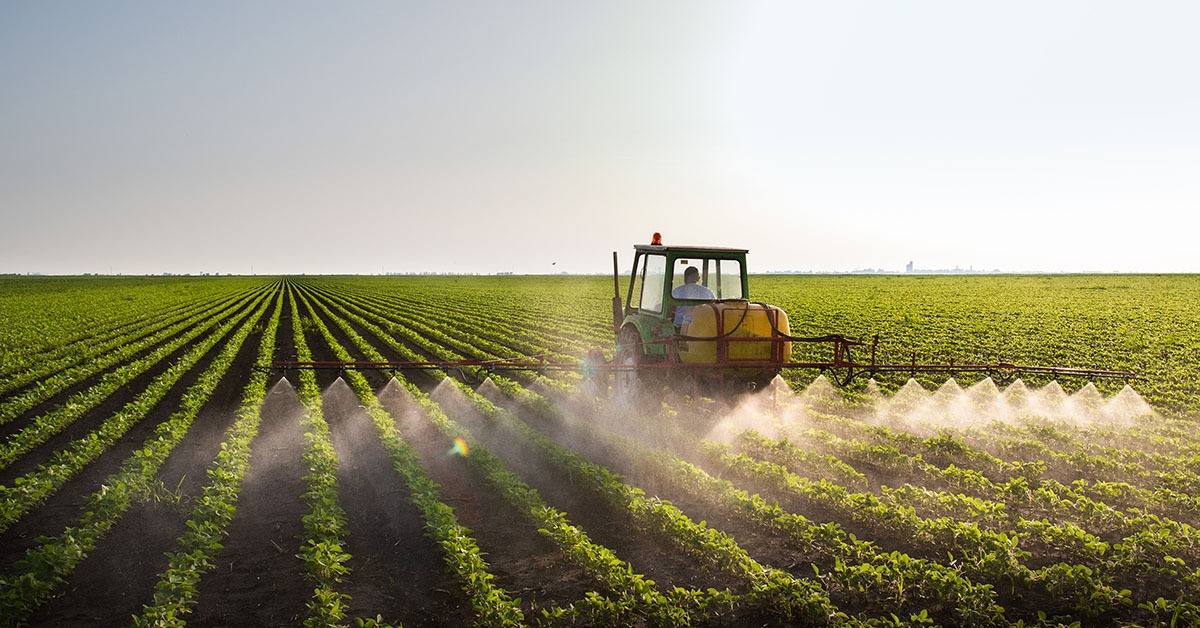
en.Wedoany.com Reported - The U.S. Department of Agriculture (USDA) has announced a $500 million grant program aimed at expanding domestic fertilizer production. Agriculture Secretary Brooke Rollins, alongside Environmental Protection Agency (EPA) Administrator Lee Zeldin and USDA Deputy Secretary Stephen Vaden, unveiled the new initiative, named the "Fertilizer Investment and Extended Long-term Domestic Supply" (FIELDS) program.
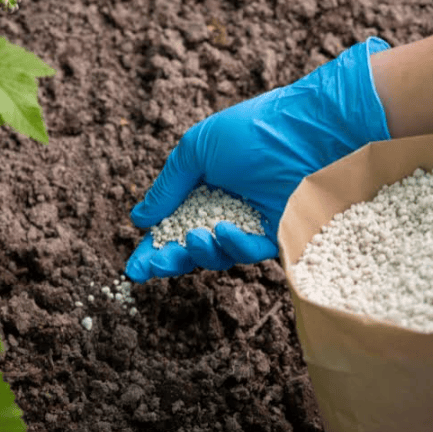
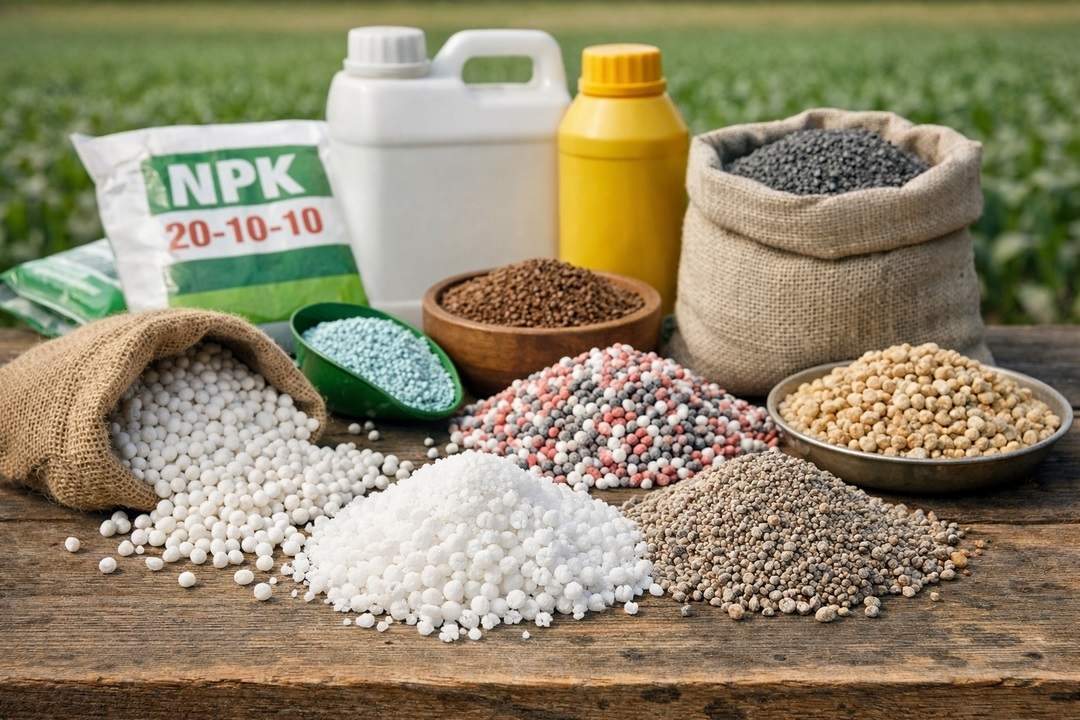
The FIELDS program is a USDA-led grant initiative designed to help companies and other eligible entities build new fertilizer facilities, expand existing ones, and improve storage or transportation conditions. Rollins stated that the core concept is that by producing and transporting fertilizer more efficiently, American farmers will have more supply options and a more reliable fertilizer market.
"We have to bring all of this back to America, and quickly. Can these measures be completed in a year? No, but we are building the infrastructure so that, in the long term, our farmers can get the supplies they need at the prices they need to pass their farms down, and we can continue to be the world's largest source and breadbasket for food, fuel, and clothing in the future," Rollins said at a press conference. She emphasized that returning to agricultural fundamentals is a key issue as the nation approaches its 250th anniversary.
Previously, the Biden administration launched a $900 million "Fertilizer Production Expansion Program" (FPEP). Rollins noted that out of 121 FPEP projects, only eight were completed, with some involving items like earthworms, flower pots, and kombucha. The FIELDS program differs in focus from FPEP. Deputy Secretary Vaden stated: "We are pursuing quality over quantity here, speed over using funds to plan projects that don't yet exist. For those projects that already have capital support, have construction plans, or are underway, a strategic capital injection can advance progress and get fertilizer to farmers faster."
Joshua Westling, CEO of J. Westling & Co., LLC, presented a case study from his company. The firm develops and builds greenfield nitrogen fertilizer plants, recently completing a $1.2 billion nitrogen complex project in Gothenburg, Nebraska, with a capacity of 365,000 tons of urea ammonium nitrate (UAN) and 140,000 tons of ammonium thiosulfate. "New capacity needs to come online urgently, all American-made, all sold to American farmers. But building a fertilizer plant in this country is a tough task; the hardest part isn't the engineering, it's the upfront capital," Westling said.
To illustrate that this announcement is based on the Trump administration's agenda, Rollins listed a series of executive actions, including: extending the Jones Act waiver for 90 days, waiving import restrictions from Venezuela, the EPA revising diesel exhaust emission regulations, the Department of the Interior adding potash to the critical minerals list, Department of Justice antitrust investigations, waiving countervailing duties on Moroccan phosphates, and including fertilizer production in the Department of Energy's energy dominance financing program.
Regarding fertilizer market dynamics, Rollins addressed farmers' concerns about rising input prices by citing private sector examples. She mentioned that CF Industries delayed planned maintenance this year to prioritize supply to farmers, and Pivot Bio has locked in prices through 2028. Rollins also revealed that CF Industries' Blue Point project in Louisiana is nearing completion, which will become the world's largest ammonia plant upon completion. Additionally, Deputy Secretary Vaden stated during a Q&A session that the Department of Justice and the Federal Trade Commission are conducting civil and criminal investigations into the fertilizer market, focusing on whether the market operates in a free-market manner or if there is collusion affecting fertilizer flows.
Related Products


714CD Series C-Band Weather Radar
Chengdu Zhongdian Jinjiang Information Industry Co., Ltd.
4HS-8 High-efficiency Peanut Inverted-laying Harvester
Hebei Yongfa Hongtian Agricultural Machinery Manufacturing Co., Ltd.


Industrial and Commercial Point-Type Gas Detector
Jinan Benan Technology Development Co., Ltd.