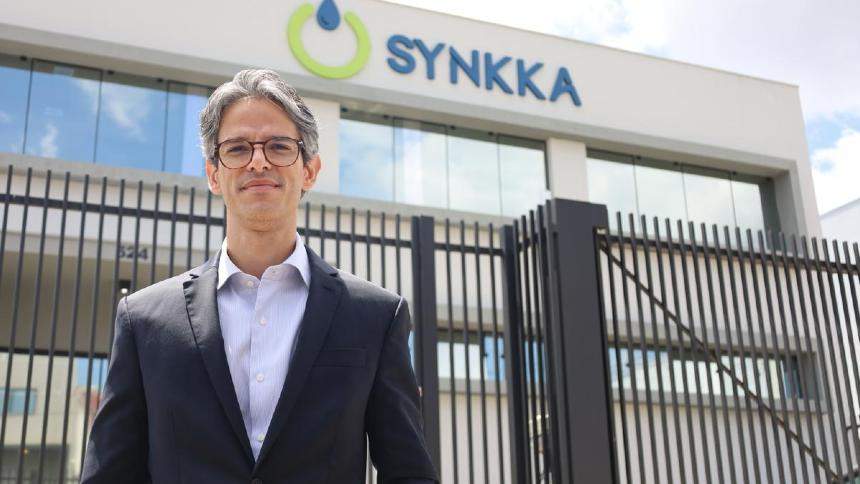
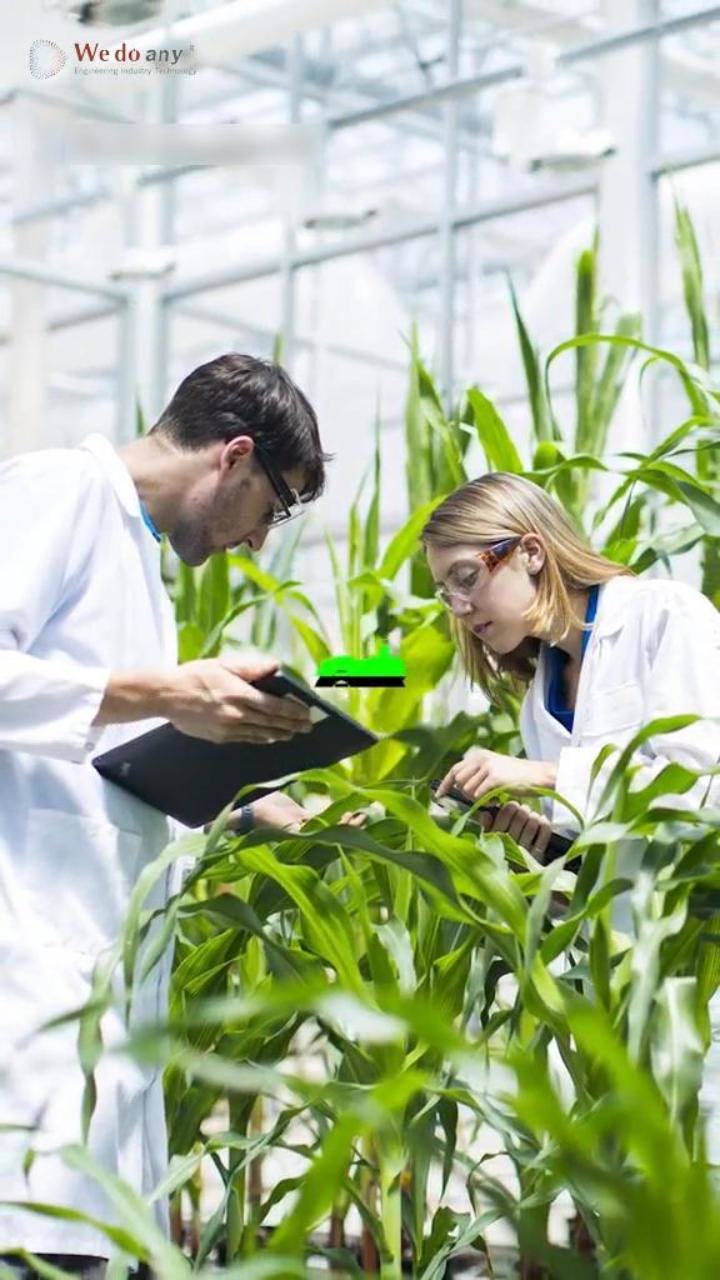
German Stenon Secures €18 Million in Funding, with a Key Focus on Soil Analysis in Brazil
en.Wedoany.com Reported - German startup Stenon has raised €18 million (approximately R$106 million at current exchange rates) in a Series B funding round, which will be used to scale its real-time soil analysis technology globally, with Brazil placed at the core of this strategy. The company's CEO and founder, Niels Grabbert, stated that in Brazil, the plan is to expand the local team, accelerate new product development, and broaden the technology's applications, particularly in nitrogen fertilizer management—one of the most costly and strategically significant inputs in modern agriculture.
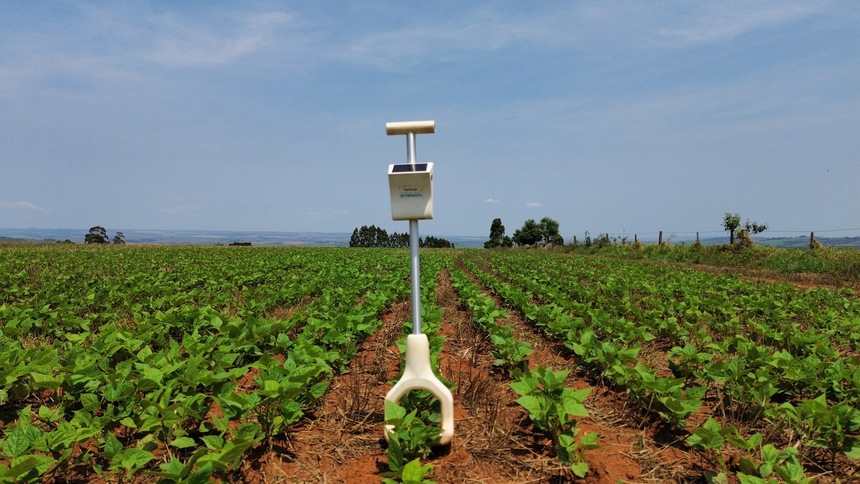
Stenon entered the Brazilian market about three years ago through a partnership with Lavoro and has since used Brazil as a primary showcase for its technology. Last September, the company doubled its local revenue between 2023 and 2025, having analyzed 7 million acres (approximately 2.8 million hectares) globally.
In Brazil, the main crops served over the past few years include corn, cotton, sugarcane, beans, and coffee. The company serves medium to large farms and is seeking more field partners to expand coverage to small and medium-sized farms. Its product, FarmLab, is a real-time soil chemical analysis device that utilizes artificial intelligence and intuitive software.
Stenon's business model combines three aspects: selling measurement equipment along with a software platform; providing measurement services directly on farms, allowing customers to avoid purchasing equipment; and offering consulting services for nitrogen fertilizer management to help interpret collected data and develop more efficient fertilization strategies. In addition to spot measurements, the platform also monitors soil organic carbon (SOC), a metric gaining increasing attention due to its relationship with productivity and its relevance to discussions on regenerative agriculture and carbon markets.
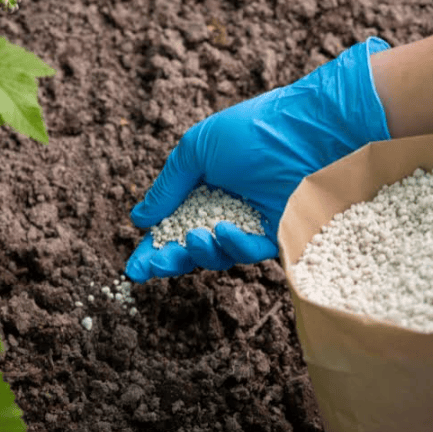
Nitrogen fertilizer management has been a focus of this funding round. In recent years, volatility in the global fertilizer market, combined with Brazil's dependence on imported inputs, has impacted producers. The Russia-Ukraine war has already triggered a significant restructuring of the global nutrient chain, and tensions in the Middle East this year have renewed concerns over the supply, logistics, and costs of raw materials for fertilizer production. In Brazil, imports for the next crop season are expected to decrease. Stenon's approach is: if producers cannot control international fertilizer prices, they can more precisely control where, when, and how much fertilizer is applied.
The company reports that projects conducted in various countries have shown nitrogen fertilizer savings of 20% to 40% and yield increases of 2% to 8%, depending on the crop and growing conditions. Brazil has become a priority market due to its high fertilizer consumption and heavy reliance on imports. The company plans to significantly scale its operations in Brazil over the next few years.
The raised funds will also be used to develop a next-generation technology platform. The new system, currently under wraps, promises to integrate sensors, artificial intelligence, and data analysis into an architecture that is more scalable and seamlessly integrated into agricultural operations. This funding round was led by Dutch investment firm Pymwymic, with German fund DeepTech & Climate Fund (DTCF) joining as a new investor. Existing investors include TIME Ventures, the investment vehicle of Salesforce founder Marc Benioff. The previous funding round was in 2021, when the company raised $20 million from Founders Fund, David Friedberg's The Production Board, and funds such as Cherry Ventures and Atlantic Labs.
Related Products

714CD Series C-Band Weather Radar
Chengdu Zhongdian Jinjiang Information Industry Co., Ltd.
Industrial and Commercial Point-Type Gas Detector
Jinan Benan Technology Development Co., Ltd.
4HS-8 High-efficiency Peanut Inverted-laying Harvester
Hebei Yongfa Hongtian Agricultural Machinery Manufacturing Co., Ltd.