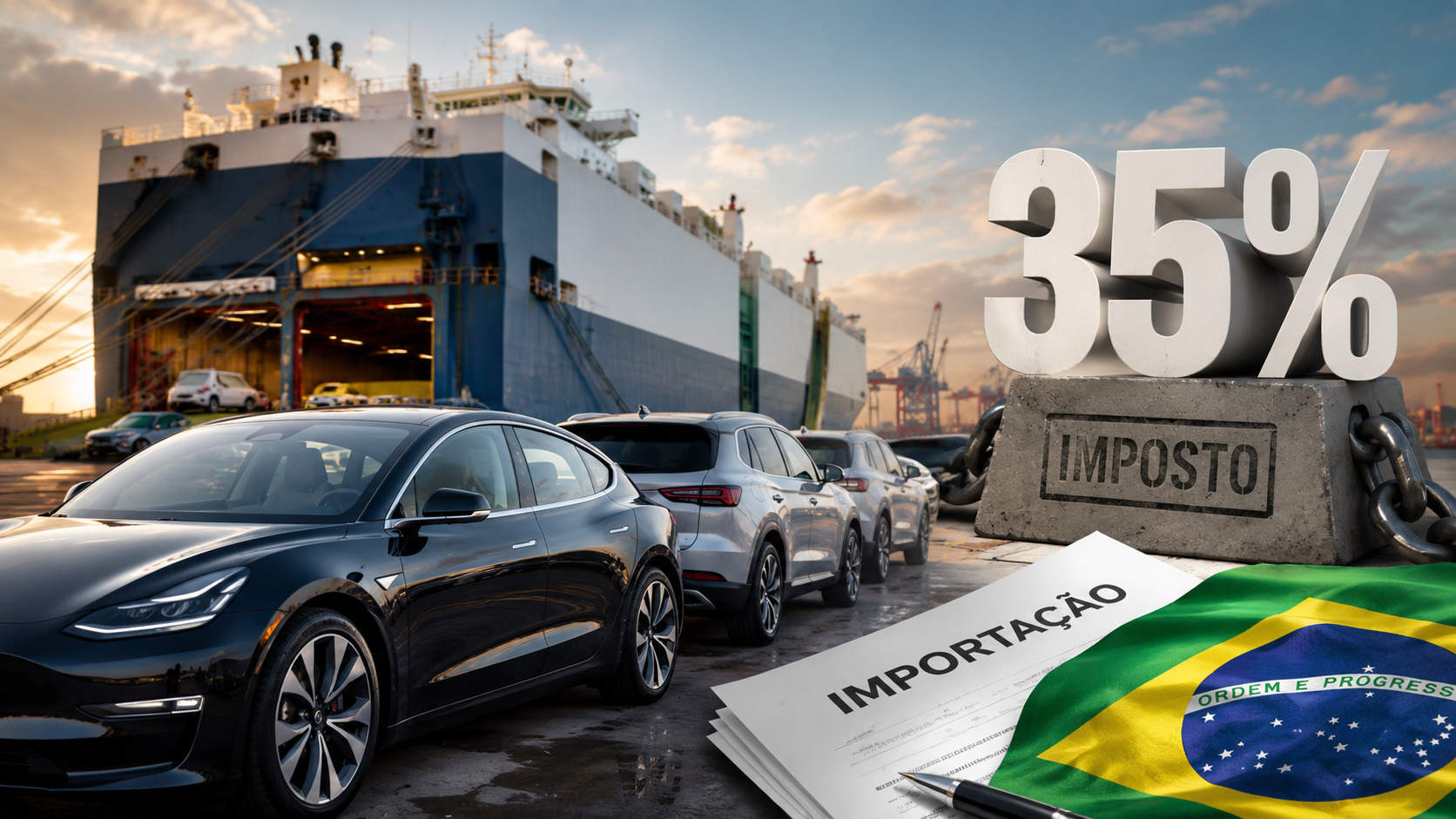
Brazil to Impose 35% Tariff on Imported Electric Vehicles from July 1, 2026
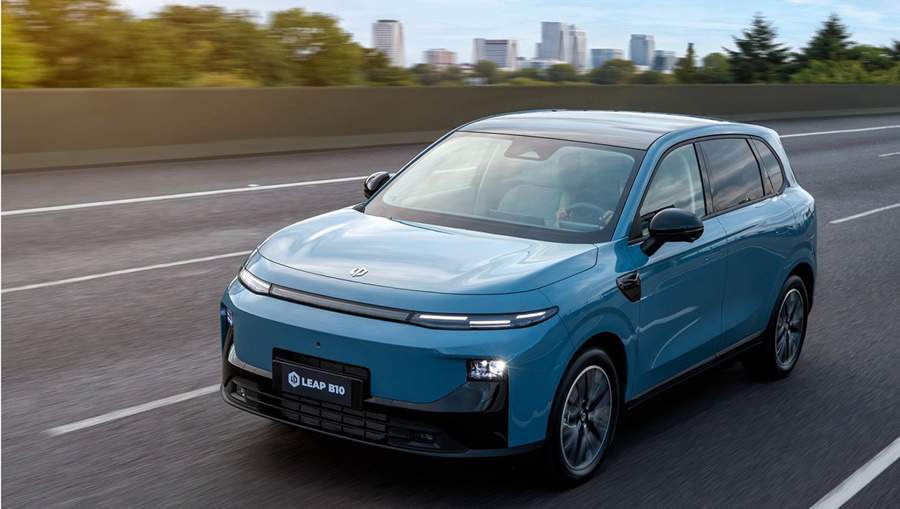
en.Wedoany.com Reported - Brazil will raise the import tax on imported electric vehicles from 25% to 35% starting July 1, 2026. This adjustment marks the end of the transitional phase for the gradual restoration of import tariffs on electric vehicles, putting pressure on local market prices and domestic production plans.
According to the schedule set by Gecex-Camex (the Management Executive Committee of the Brazilian Foreign Trade Council) and published by MDIC (the Brazilian Ministry of Industry, Trade and Services), the import tax on electric vehicles assembled abroad has risen to 35%. Agência Brasil (the Brazilian National News Agency) reported that the change also affects certain semi-knocked-down (SKD) electric vehicles, with imports exceeding the zero-tariff quota limit also subject to a 35% tariff. This move may impact vehicle prices, import strategies, local production deployment, and the pace of electric vehicle expansion in the Brazilian market.


SKD (Semi Knocked Down) vehicles have become a focal point due to their final assembly stage in Brazil. Poder360 reported that SKD vehicles arrive in Brazil as sub-assemblies and must undergo parts integration and final production at local factories. Agência Brasil reported that from July, the tax rate for SKD vehicles has risen to 35%, while CKD (Completely Knocked Down) vehicles will maintain a 14% rate until the end of 2026, but will rise to 35% in January 2027. This distinction separates fully imported vehicles, semi-knocked-down vehicles, and knocked-down vehicles into different industrial regimes.
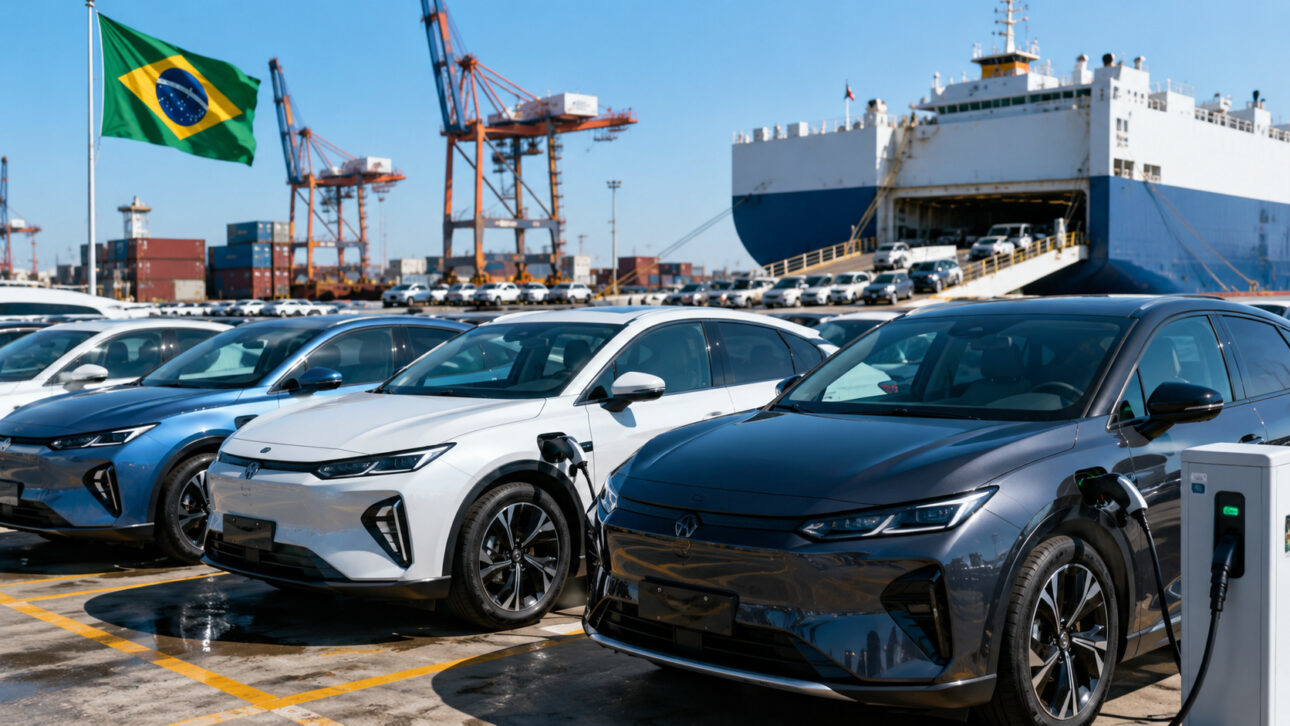
Despite the tariff increase, Gecex-Camex has approved zero-tariff import quotas for electric vehicles in CKD and SKD modes. The quota is valid for six months starting July 1, with a limit of $463 million. Within the authorized limit, certain knocked-down and semi-knocked-down vehicles can enter Brazil duty-free; beyond the cap, SKD vehicles are taxed at 35%, while CKD vehicles are taxed at 14% until the end of 2026. This quota provides a temporary buffer for companies building production facilities in Brazil, but has also sparked industry controversy, as established manufacturers argue the measure may benefit competitors relying on imported kits.

MDIC stated that Gecex-Camex decided in 2025 to end the tariff schedule for imported electric and hybrid vehicles early, restoring a 35% tariff on all imported vehicles starting January 2027. The agency said the move aims to align tariff policy with expected domestic investments in the automotive industry, balancing energy transition, domestic production, and technological renewal. The Brazilian Automotive Manufacturers Association (Anfavea) stated that maintaining zero-tariff quotas could harm established manufacturers, workers, and domestic auto parts companies. On the consumer side, the increased import tax puts objective pressure on fully imported vehicles from overseas, potentially raising competitive costs for brands without mature local production. This policy may accelerate the localization of assembly lines, especially for companies viewing Brazil as a regional production base.
Related Products
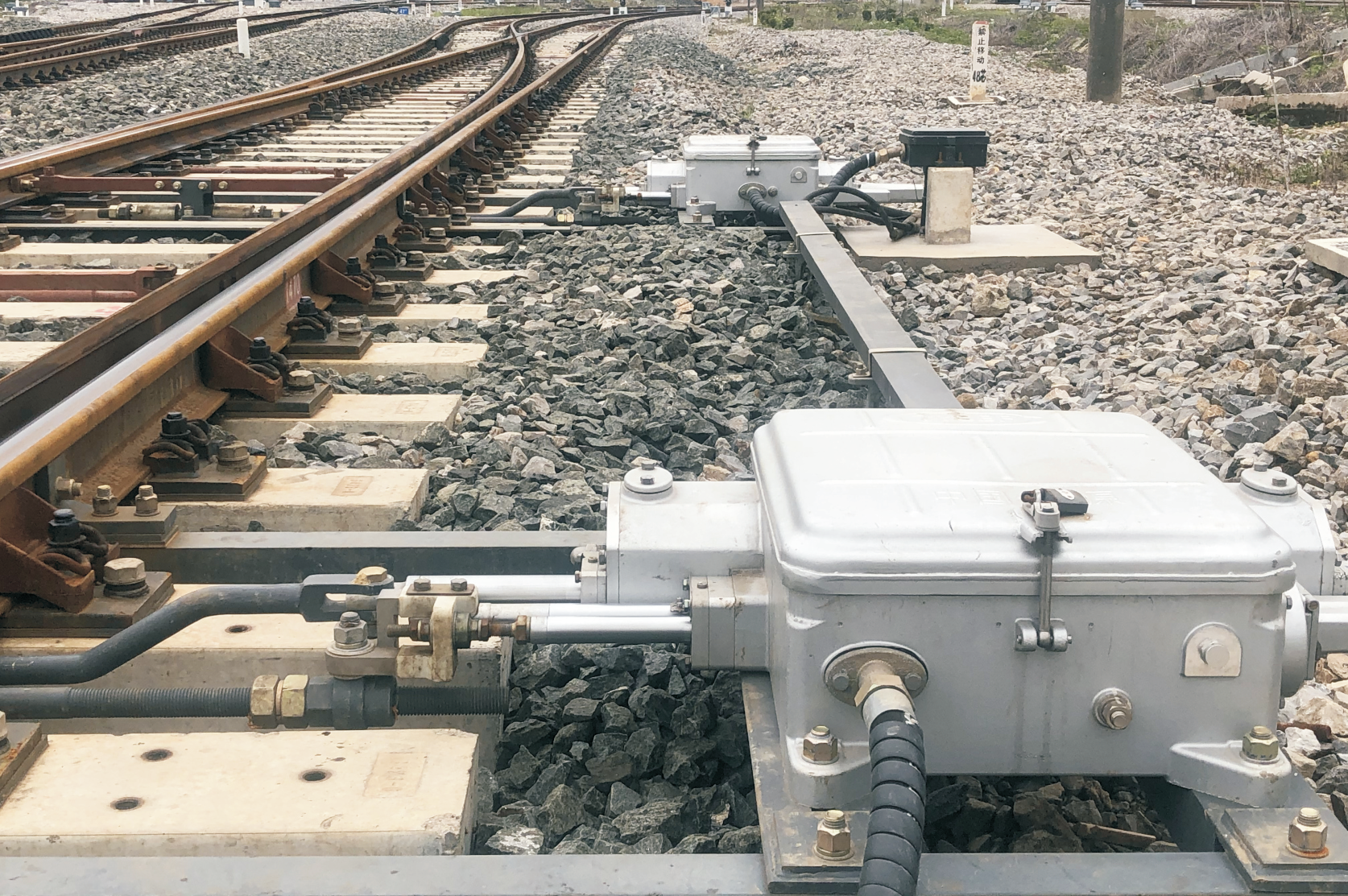

ZY(J)7(M) Sealed Type Electro-Hydraulic Turnout Machine
TAIYUAN CR JINGFENG EQUIPMENT TECHNOLOGY CO., LTD.
XC-6000e Type Aviation Catering Truck (Fuel Type)
Shenzhen CIMC-TianDa Airport Support Ltd.
Pantograph-Catenary Comprehensive Detection Device (1C)
CHENGDU TANGYUAN ELECTRIC CO., LTD.
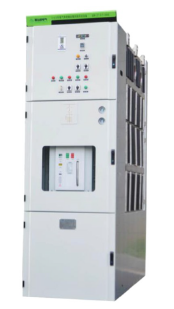
GSR6-27.5kV SF6 Free Gas-insulated Metal-enclosed Switchgear
Zhejiang Juhonkia Intelligent Electric Co., Ltd.
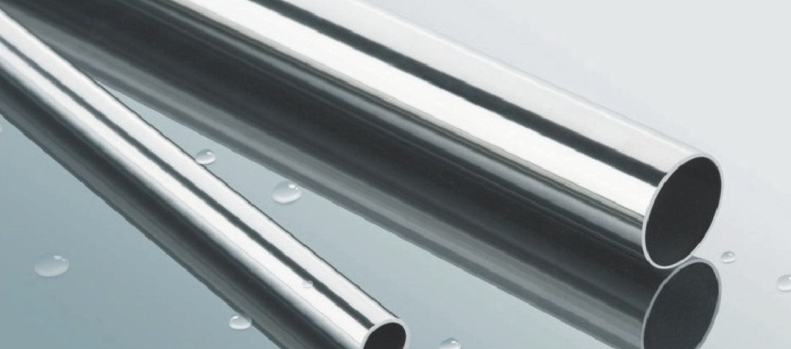
ERW Welded Pipe (Black Pipe and Hot-dip Galvanized Steel Pipe)
Handan Zhengda Steel Pipe Co., Ltd.