The Third International Conference on the Development of Nuclear Technology Applications Opens in Beijing, Marking a Strategic Opportunity for China's Nuclear Technology Application Industry
en.Wedoany.com Reported - From the "Hefu No.1," China's first isotope production technology brand, achieving multiple major breakthroughs, to the continuous expansion of irradiation facilities widely covering food irradiation, material modification, and medical sterilization; from improved seed cultivation safeguarding food security to green and efficient ecological barriers and intelligent prevention and control strengthening safety lines, nuclear technology is now integrating into thousands of industries with unprecedented breadth and depth, unleashing powerful momentum for new quality productive forces.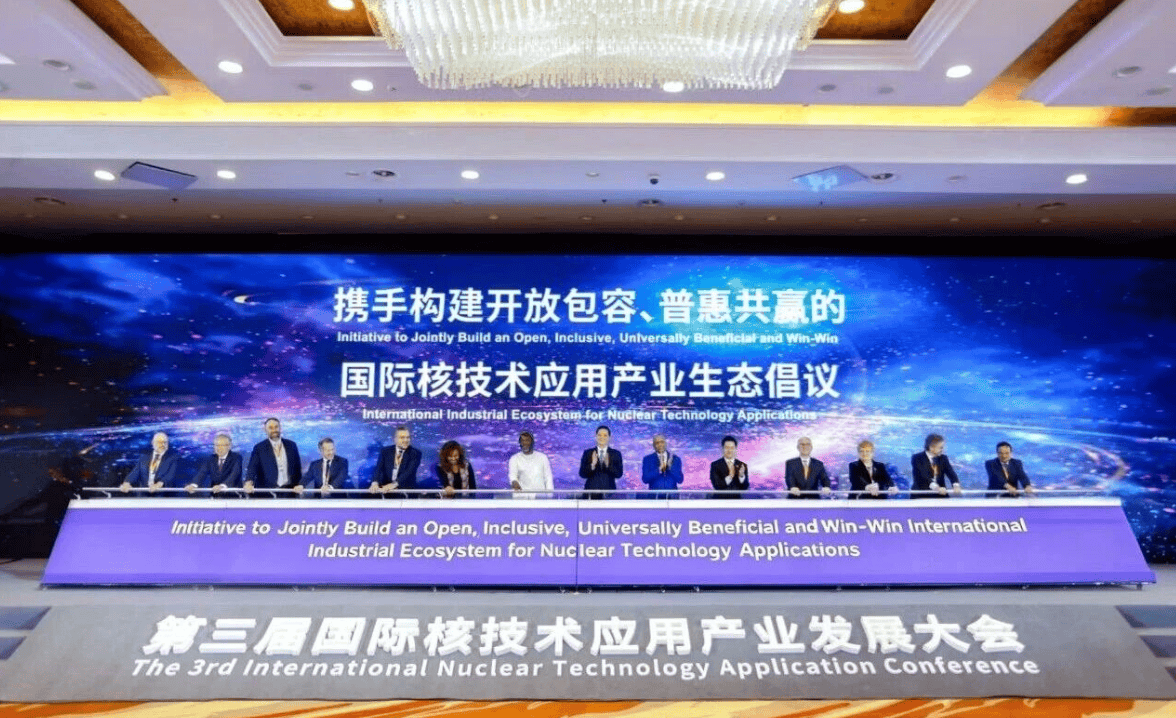
Recently, the Third International Conference on the Development of Nuclear Technology Applications was held in Beijing. Standing at a new juncture for the global development of nuclear technology applications, the conference clearly conveyed an important signal: China's nuclear technology application industry is entering a golden strategic opportunity period, with continuously improving innovation capabilities, an increasingly complete industrial system, and deepening international cooperation. It is accelerating towards high-quality, large-scale, and internationalized development, and has become a typical representative of new quality productive forces in the nuclear industry.
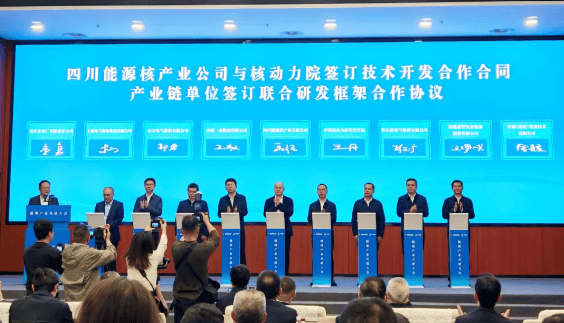
During the conference, a series of cutting-edge technological achievements and solutions were unveiled, and the first global industrial cooperation initiative in the field of nuclear technology applications was officially released. This not only marked the height of China's nuclear technology industry development but also declared to the world that global nuclear technology applications have entered a new phase of collaborative construction and ecological co-prosperity.
Policy Support Lays a Solid Foundation for Industrial Development
Policy guidance and legal guarantees have always been the most solid foundation behind the rapid rise of China's nuclear technology application industry. Since the "14th Five-Year Plan" period, the national level has attached great importance to the development of the nuclear technology application industry, with a series of major plans and regulations intensively introduced, opening up broad space for industrial development.
In 2021, the China Atomic Energy Authority, together with seven other departments, issued the "Medium- and Long-Term Development Plan for Medical Isotopes (2021-2035)," which quickly ignited enthusiasm in the scientific, industrial, and capital sectors. Central enterprises such as CNNC, CGN, and SPIC have laid out nuclear medical industries in Zhejiang, Sichuan, and other places, with investments totaling nearly 10 billion yuan, pressing the "fast-forward button" for industrial development. In October 2024, twelve departments jointly issued the "Three-Year Action Plan for the High-Quality Development of the Nuclear Technology Application Industry (2024-2026)," further clarifying the path for industrial development.
With the formal implementation of the "Atomic Energy Law of the People's Republic of China," China has, for the first time, encouraged and regulated nuclear technology applications at the legal level, providing fundamental guidance for nuclear technology R&D, application, regulation, safety, and international cooperation. Currently, China has established a full-chain institutional system of "top-level law + administrative regulations + departmental rules + industry standards," with supporting rules for the safety protection of radioactive isotopes and radiation devices, and nuclear safety regulation continuously optimized, providing a solid legal guarantee for the healthy, orderly, and stable development of the nuclear technology application industry.
Industrial Leap: China's Nuclear Technology Achieves Historic Breakthroughs
Driven by both policy and market forces, China's nuclear technology application industry has delivered an impressive report card. Currently, the industry maintains rapid and stable growth, with an average annual growth rate of over 15%. The industry scale is steadily approaching the trillion-yuan mark, with continuous demonstration of development resilience and potential.
After years of deep cultivation, China's nuclear technology application industry has completed a historic leap from following and running alongside to leading in some areas. The industry scale continues to expand, independent innovation capabilities have significantly enhanced, and application scenarios have continuously expanded. A complete industrial chain integrating basic R&D, component production, complete machine manufacturing, and technical services has been formed, becoming an important engine driving the development of new quality productive forces. Information from this conference shows that as of 2025, there are over 162,000 legal entities engaged in the production, application, and service of radioactive isotopes and radiation devices nationwide, with approximately 354,900 units/sets of various radiation devices in use. A group of backbone enterprises with core competitiveness and specialized and new "little giant" enterprises are accelerating their growth.
From a spatial layout perspective, the industrial agglomeration effect is becoming increasingly prominent. Nuclear technology application industrial parks in key regions such as the Yangtze River Delta, Guangdong-Hong Kong-Macao Greater Bay Area, Bohai Rim, and Chengdu-Chongqing are being accelerated. Specialized parks in Haiyan, Mianyang, Jiajiang, and other areas focus on advantageous fields like isotopes, nuclear medicine, and radiation processing, gradually forming an industrial cluster pattern with distinct characteristics and efficient synergy.
As the main body of China's nuclear science and technology industry and the main force in the development of nuclear technology applications, CNNC empowers industries with technology, benefits people's livelihoods with innovation, and fully promotes nuclear technology R&D and achievement transformation, fostering deep integration of technological and industrial innovation. Currently, CNNC has established an industrial layout covering all fields including isotope production, nuclear drug development, high-end equipment manufacturing, medical services, irradiation processing, and public safety, driving over 1,000 upstream and downstream enterprises, ensuring over 40,000 sets of industrial application equipment, serving over 20,000 medical institutions, and benefiting over 80 million patients annually, becoming the core force leading the high-quality development of China's nuclear technology application industry.
Major Release
Integrated Smart Nuclear Medicine Solution Builds a Full-Chain Nuclear Medical Ecosystem
A highlight of this conference was the official release of the integrated smart nuclear medicine solution by China Isotope & Radiation Corporation (CIRC). Leveraging CNNC's full industrial chain advantages and over 40 years of deep experience in nuclear medicine, this solution constructs a full-chain system of "nuclides + nuclear drugs + nuclear medical equipment + smart nuclear medicine applications," providing systematic support for solving key problems in critical areas and promoting the quality improvement and upgrading of China's nuclear medical industry.
This solution boasts four core advantages: stable and controllable source resources, ensuring isotope supply through "one reactor and one accelerator"; a complete and connected industrial chain, achieving full coverage from nuclide production to clinical services; efficient synergy in industry-academia-research, leveraging 23 research institutes to build an efficient innovation system; and mature and rich industrial experience, forming an integrated operation model of R&D, production, sales, and service.
In terms of nuclide assurance, CIRC has the capability to research, develop, separate, and purify over 20 types of radioactive isotopes, with dual-line layouts for reactor-produced and accelerator-produced isotopes, establishing a major stable isotope supply system nationwide. In nuclear drug supply, as China's largest nuclear drug supplier, it guarantees nearly 60% of the national nuclear drug supply, can produce 25 types of nuclear drugs, has over 10 new drugs in its pipeline, has deployed 37 nuclear medicine centers nationwide, and serves over 60 million patients annually. In equipment manufacturing, driven by a dual-wheel strategy of "joint ventures and independent R&D," it holds over 85% market share in Class A radiotherapy equipment, promoting the localization of high-end medical equipment. In smart applications, it uses digital platforms to bridge the "last mile" of clinical services, achieving a full closed loop of equipment, drugs, diagnosis, treatment, and management, significantly improving the efficiency and accessibility of nuclear medicine services.
The integrated smart nuclear medicine solution transforms nuclear medicine from single-point technological breakthroughs to systemic capability enhancement, providing one-stop services for medical institutions and helping China's nuclear medical industry move towards large-scale, standardized, and intelligent development, better safeguarding people's life and health.
Looking Ahead: Facing Challenges with Precision
Currently, China's nuclear technology application industry has achieved remarkable results, but it still faces challenges such as a regulatory system needing optimization, insufficient supporting infrastructure, weak original innovation, poor achievement transformation, and low public awareness. Looking towards the "15th Five-Year Plan" period, the conference identified key directions for promoting high-quality industrial development. The future will adhere to innovation-driven development, strengthen core technology breakthroughs, build collaborative innovation consortia, focus on key areas such as medical isotopes, high-energy accelerators, high-end diagnostic and therapeutic equipment, and innovative nuclear drugs to break bottlenecks, improve the full-chain innovation mechanism, strengthen discipline construction and talent cultivation, and build high-level innovation teams. At the same time, the industrial system will be improved to promote quality, efficiency, and upgrading, cultivate internationally competitive leading enterprises, support specialized and new SMEs, continuously expand high-end application scenarios in medical, industrial, agricultural, and environmental fields, promote digital and intelligent transformation, and foster the deep integration of "Artificial Intelligence + Nuclear Technology" to enhance overall industrial competitiveness.
The conference also conveyed that the next step will be to optimize the governance system, create a favorable development environment, improve cross-departmental and cross-regional coordination mechanisms, perfect the regulatory and standards system, strengthen nuclear science popularization and public communication, eliminate cognitive misunderstandings, and foster a social atmosphere supporting the peaceful use of nuclear technology. It will continue to expand open cooperation, actively integrate into the global industrial landscape, participate in the formulation of international standards, break down market barriers, leverage platforms like South-South cooperation to assist developing countries in capacity building, build transnational innovation cooperation mechanisms, and deeply integrate into the global industrial chain, supply chain, and value chain.
Nuclear power ignites the future, and wisdom converges globally. With the continuous improvement of the policy system, the ongoing optimization of the industrial ecosystem, and the steady enhancement of innovation capabilities, China's nuclear technology application industry will undoubtedly play a greater role in serving national strategies, empowering industrial upgrades, and safeguarding people's well-being, contributing Chinese wisdom and Chinese solutions to the peaceful use and high-quality development of global nuclear technology.
Related Products

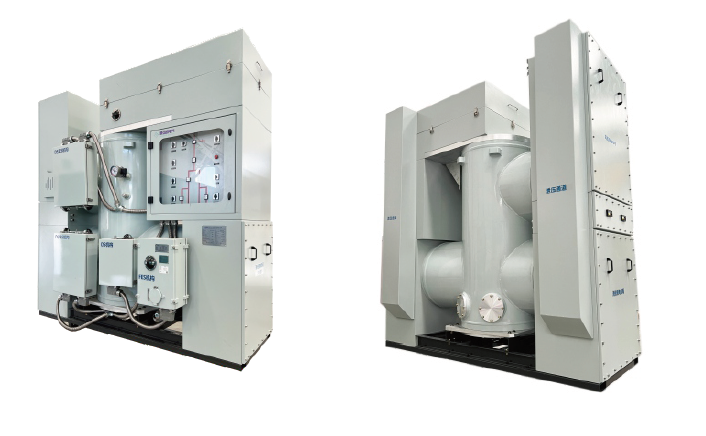
72.5kV 1250A 31.5kA SF6 free Gas-insulated Metal-enclosed Switchgear
Zhejiang Juhonkia Intelligent Electric Co., Ltd.
G.652.D Wavelength-extended Non-dispersion Shifted Single-mode Optical Fiber
HONGAN GROUP CO., LTD.
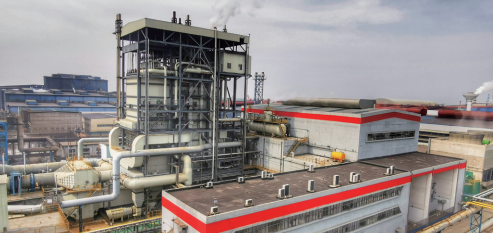
Jiujiang Pinggang 125MW Subcritical Gas Power Generation Project
Capital Engineering & Research Incorporation Limited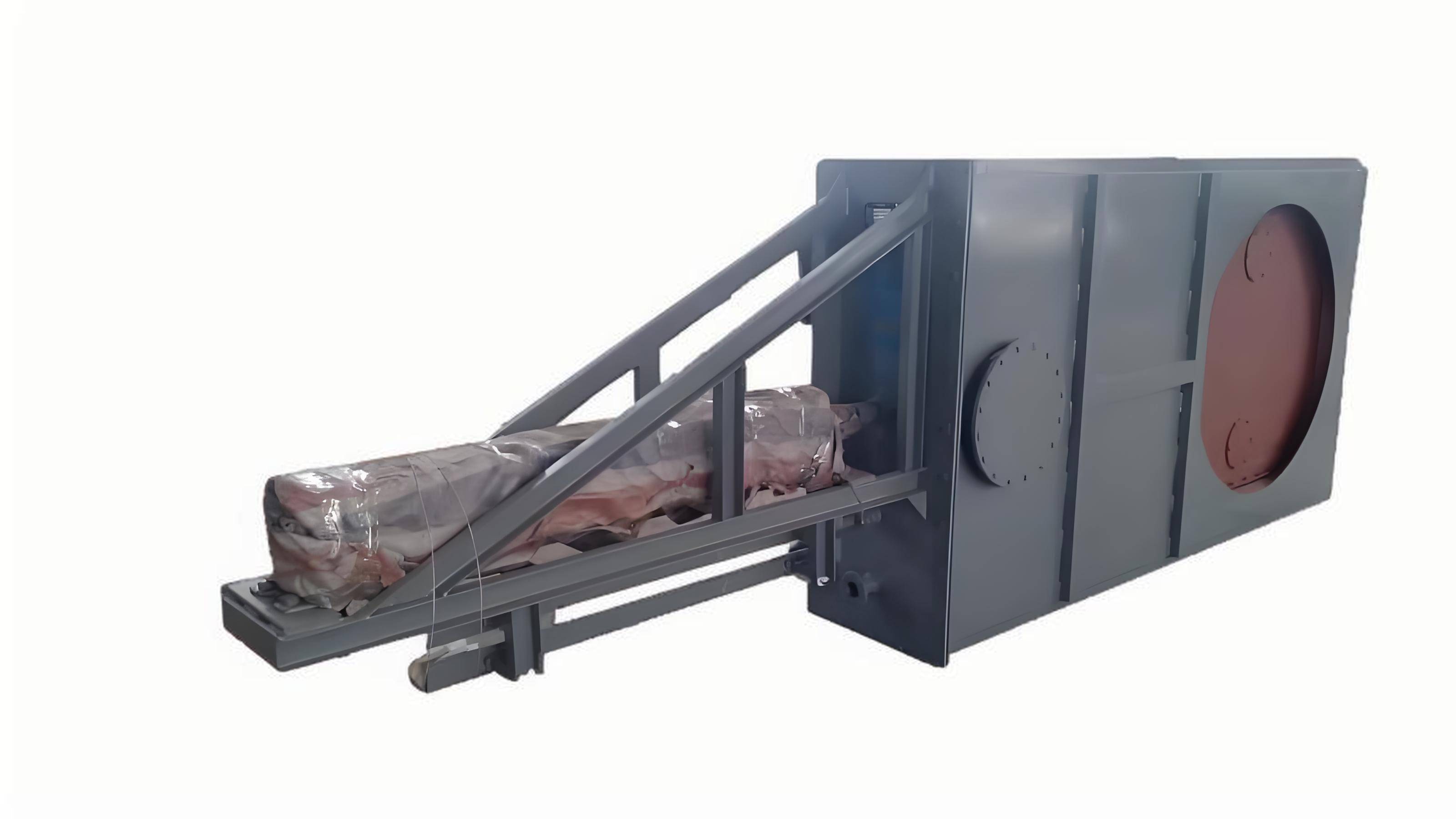
Double-slide Triple-sealed Hot Air Isolation Door
Xi'an Yingchuan Electric Power Equipment Co., Ltd.
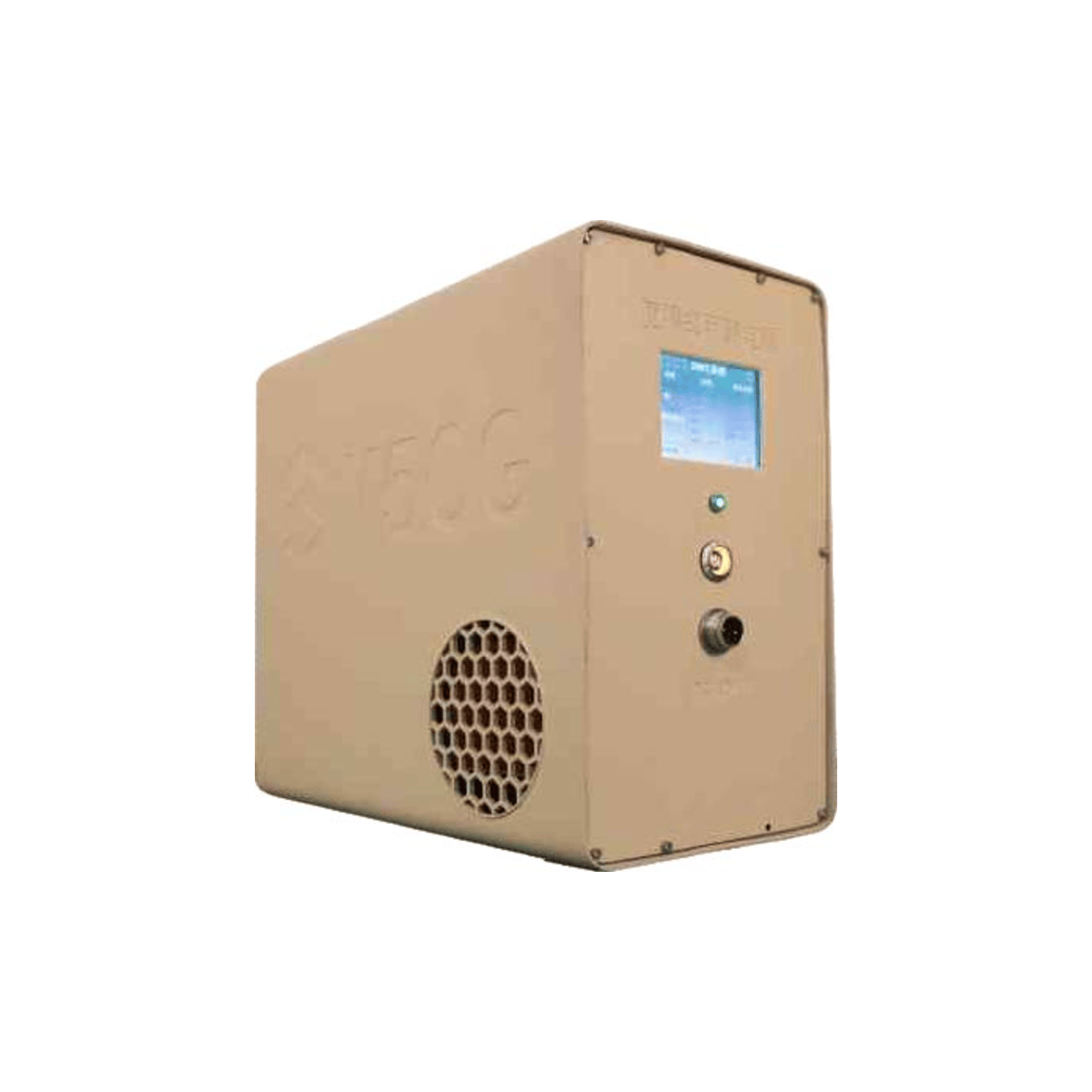
SFC-60 Individual Portable Power Supply, High Specific Energy Methanol Portable Power Supply
Automation Research Institute Co., Ltd. of China South Industries Group Corporation