Main works of second-line ship lock at Longtoushan Junction on Ganjiang River in Jiangxi, China to be completed by end of August, annual navigation capacity to increase to 37 million tons
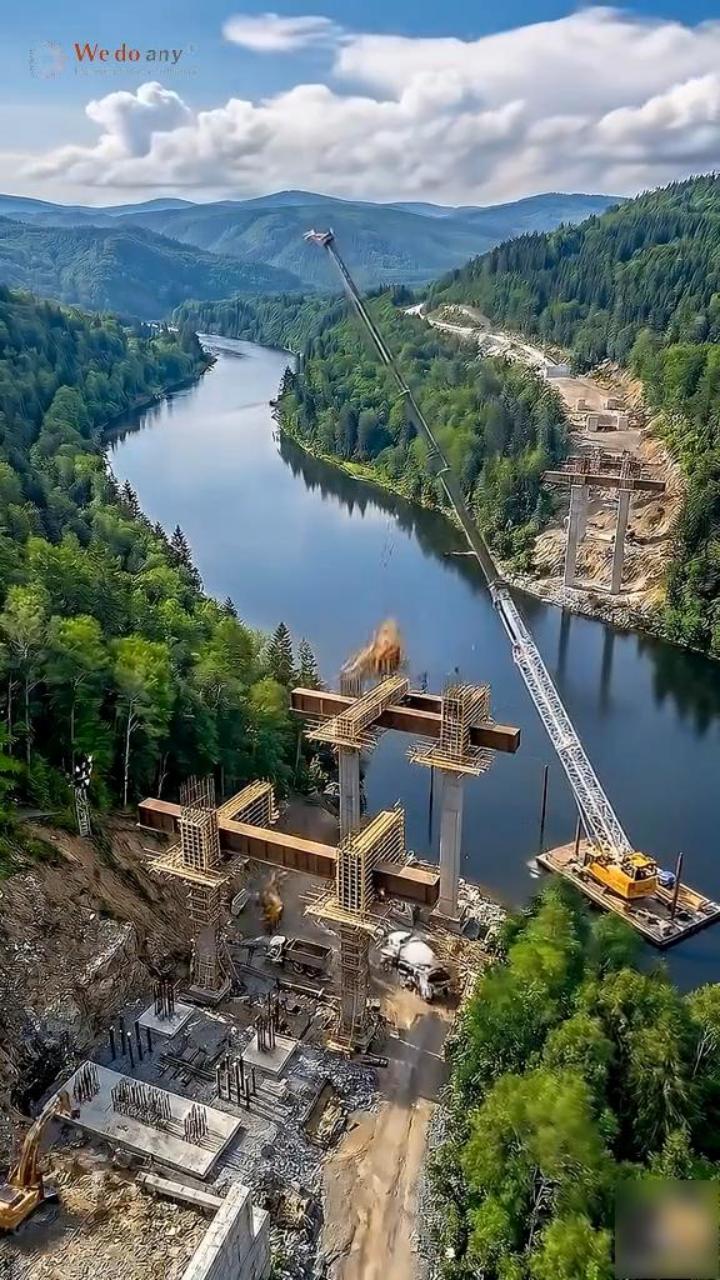
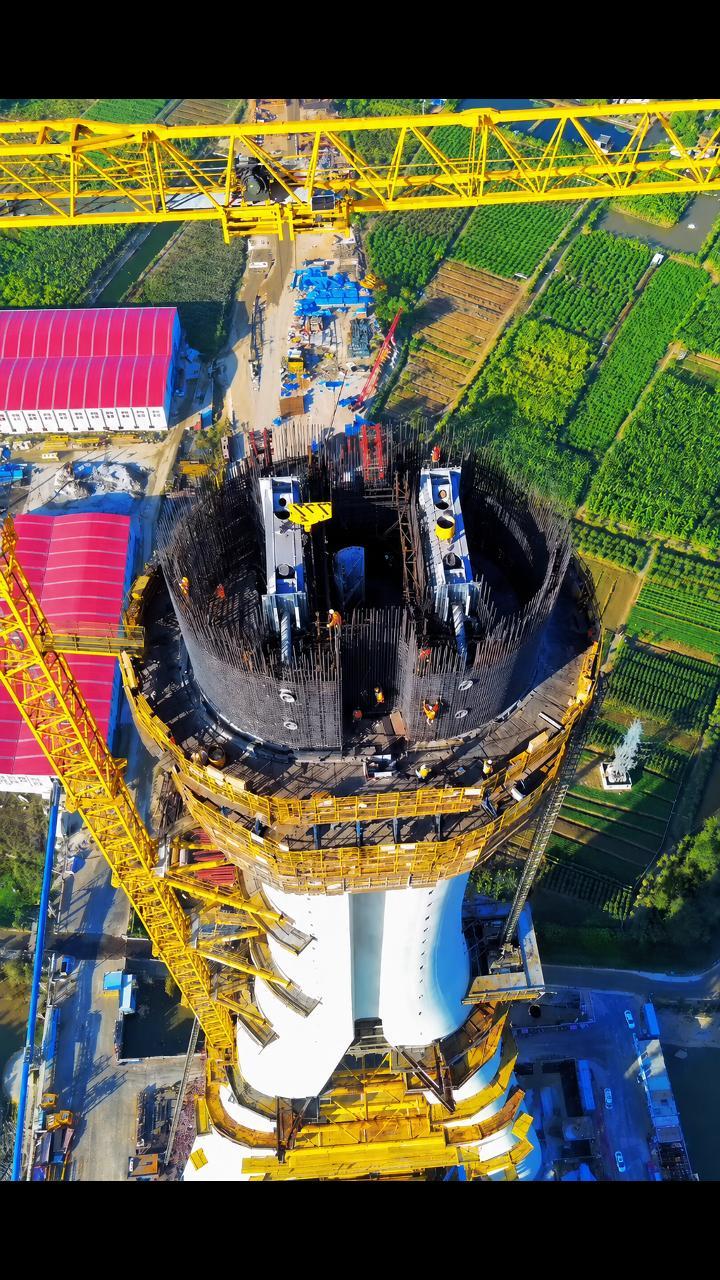
en.Wedoany.com Reported - In early summer, tower cranes stand tall and machinery roars at the Fengcheng section of the second-line ship lock project at Longtoushan Junction on China's Ganjiang River, presenting a bustling construction scene. This project, a national key waterway engineering initiative, is a crucial expansion and control project to improve the Grade II Ganjiang waterway and build Jiangxi's water transport network connecting to the river and sea. It has now entered the final sprint phase. Upon completion, the project will break the navigation bottleneck caused by the original single-lock operation on the Ganjiang River, address the development shortcomings of the inland port-side economy in western Jiangxi, improve the province's water transport system linking to the river and sea, and compose a new chapter of water transport for the inland province's opening-up.
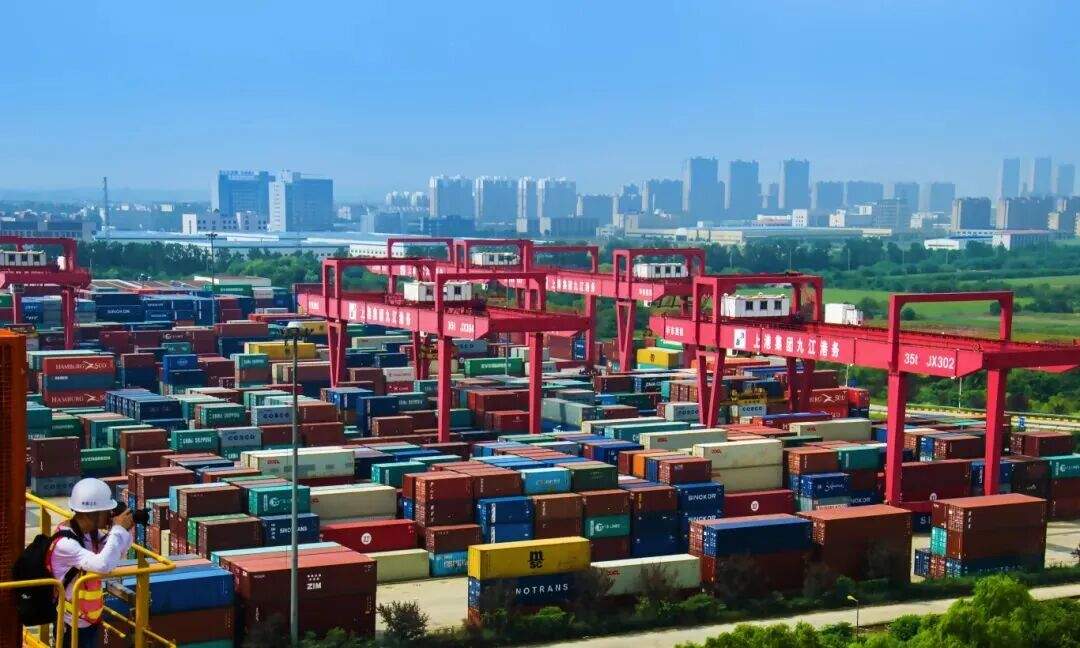 Dual Locks in Operation to Resolve Ganjiang Navigation Chokepoint
As the main artery of inland water transport in Jiangxi, the Ganjiang River connects key industrial cities along its banks such as Nanchang, Fengcheng, and Ji'an, serving as the core waterway for cargo distribution and bulk commodity transport in the province. Located in Jiannan Street, Fengcheng City, the Longtoushan Junction sits at a critical navigation node in the middle reaches of the Ganjiang River. Its original first-line ship lock has borne the majority of navigation traffic along the entire Ganjiang River for years.
With the continuous growth of port-side industries along the river and the year-on-year increase in freight volume, the capacity of the original ship lock has become saturated. Issues such as vessel queuing delays and low navigation efficiency have become increasingly prominent, constraining the full release of the high-grade waterway's transport capacity.
"Due to the limitations of single-lock navigation, during peak periods in the past, there were often 20 to 30 vessels queuing to pass through the lock, with the longest single waiting time exceeding 12 hours. This not only raised vessel operating costs but also severely restricted the large-scale development of freight transport on the Ganjiang River," said Wang Zhipeng, Deputy Director of the Construction Project Office for the second-line ship lock at Longtoushan Junction on the Ganjiang River.
Jia Jiale from the Party Committee Propaganda Department of Jiangxi Provincial Port Group told reporters: "As of now, the project has completed a cumulative 336,000 cubic meters of concrete pouring for the ship lock main structure, achieving 96% of the total work volume. The overall installation of metal structures is 85% complete, including the completion of the lower gate head miter gate installation, 80% completion of the upper gate head miter gate installation, and 50% completion of the hoisting equipment installation. Electrical equipment has arrived on site and will be coordinated with the installation and commissioning of metal structures and hoisting equipment. Ancillary works such as the bridge across the lock and the reconstructed earth dam are progressing in an orderly manner. It is expected that by the end of August this year, the main works of the ship lock will be essentially completed."
Once the second-line ship lock is completed and put into operation, it will form a dual-lane navigation mode together with the existing first-line lock. The designed tonnage of vessels passing through the lock will be upgraded to over 2,000 tons, and the annual navigation capacity will increase from 17 million tons to 37 million tons, enabling full-load direct passage and changing the situation of "large vessels reducing loads, small vessels operating inefficiently." It will also completely resolve the chronic congestion issue of the first-line lock at Longtoushan Junction, simultaneously enhancing the radiation coverage of the high-grade Ganjiang waterway and the volume of cargo traffic. At that time, ports, industrial parks, and logistics hubs along the river will be interconnected through this "water highway," promoting the continuous optimization of the regional hinterland economy and industrial layout.
Connecting Trunk and Branch Waterways to Activate New Momentum for Riverside Industries
The second-line ship lock at Longtoushan Junction on the Ganjiang River is not merely a single navigation node project but a key project for Jiangxi to build the main framework of a "two horizontal, one vertical" high-grade waterway network. After the project is operational, it will connect all cascade hubs along the Ganjiang River and ports along its banks, promoting the interconnection of trunk and branch waterways within the province and weaving a denser inland river navigation network.
From the perspective of waterway layout, Longtoushan Junction occupies a core position in the middle reaches of the Ganjiang River, serving as a link between upstream and downstream. It connects the Ji'an and Ganzhou sections of the Ganjiang River upstream and directly reaches two major regional hub ports, Nanchang Port and Jiujiang Port, downstream, giving it a clear locational advantage.
Jia Jiale stated that the capacity expansion and upgrade of the Longtoushan Junction will fully unleash the water transport development potential of the western Jiangxi region, driving the development of port-side industries and port clusters in the area. "The project will release the freight handling capacity of the Fengcheng and Zhangshu port areas of Yichun Port, activate the capacity of riverside operation zones such as Qujiang, Shangzhuang, and Shangfeng, attract the clustering of warehousing, port-side processing, and bulk cargo logistics industries, and address the shortcomings of the inland port-side economy in western Jiangxi," Jia Jiale said.
In 2025, the cargo throughput of ports along the Ganjiang River exceeded 100 million tons for the first time, reaching 119 million tons, a year-on-year increase of 20.9%. A relevant official from the Jiangxi Provincial Department of Transportation stated that the advancement of key projects like the second-line ship lock at Longtoushan Junction will enhance the efficiency of Jiangxi's long-distance bulk material transport system and promote further growth in port throughput. It is estimated that in 2026, the cargo throughput of ports along the Ganjiang River will increase by 10% compared to 2025.
Reporters learned that, based on the simultaneous upgrade of trunk and branch waterways, Jiangxi is also accelerating the construction of a rail-water and road-water multimodal transport system, promoting direct connections between railways, expressways, and key port areas along the river. This will allow inland industrial and mining enterprises to transport bulk commodities such as grain, building materials, and chemicals to port areas via road and rail, and then ship them across the country and even overseas through the Ganjiang River, achieving an integrated logistics loop of "inland trunk waterway + branch waterway + land collection and distribution." This will turn the Ganpo inland waterways into a major water logistics artery that connects the province's industrial hinterland and links to the golden waterway of the Yangtze River.
Connecting to Rivers and Seas to Reshape Jiangxi's Opening-up Pattern
As an inland province without direct access to the sea, Jiangxi relies on the Ganjiang River, which connects to the Yangtze River via Poyang Lake, as its most economical and efficient channel to reach the river and sea. Water transport offers outstanding advantages such as large capacity, low energy consumption, and cost-effectiveness, making it an important carrier for inland regions to undertake industrial transfers and expand opening-up.
The second-line ship lock at Longtoushan Junction is not only an upgrade project for transportation infrastructure but also injects strong momentum into Jiangxi's deep integration into the Yangtze River Economic Belt and the construction of the Central China Inland Open Economy Pilot Zone.
In the past, constrained by congestion at the single lock, many enterprises along the river were forced to transport bulk commodities by road or rail, resulting in persistently high comprehensive logistics costs. "Our company transports over 2 million tons of building materials and fly ash annually. Previously, due to low lock passage efficiency, 60% of the goods had to be transported by road, leading to high transport costs," admitted the logistics manager of an enterprise in a Fengcheng building materials industrial park.
The comprehensive logistics cost advantage of water transport for bulk commodities is significant, with freight rates only one-fifth of road transport and one-third of rail transport. After the second-line ship lock at Longtoushan Junction becomes operational, the single-vessel freight capacity will increase substantially, allowing enterprises along the river to save tens of millions of yuan in logistics costs annually.
At the level of opening-up, the smooth Ganjiang waterway channel will further activate the capabilities of two major open ports, Jiujiang and Nanchang. Jiangxi's foreign trade containers can be shipped from Nanchang Port and Jiujiang Port via the Yangtze River directly to international hub ports such as Shanghai Yangshan Port and Ningbo Zhoushan Port, enabling direct connection from inland river ports to global shipping routes.
Furthermore, Jiangxi continues to optimize the linkage mechanism among ports, comprehensive bonded zones, and port areas, implementing supportive policies such as subsidies for container water transport and customs clearance facilitation. Over the past three years, a cumulative total of over 50 million yuan in shipping support funds has been disbursed, continuously expanding the volume of inland river container foreign trade transport and providing a more convenient and low-cost water channel for "Jiangxi goods going global."
Looking ahead, the completion of the dual-lane ship locks at Longtoushan Junction marks the official entry of the middle reaches of the Ganjiang River into an era of dual-lane, thousand-ton-level high-capacity navigation. This lays a solid foundation for Jiangxi to build itself into a strong inland water transport province in central China and supports the province's high-quality, leapfrog economic development.
Related Products
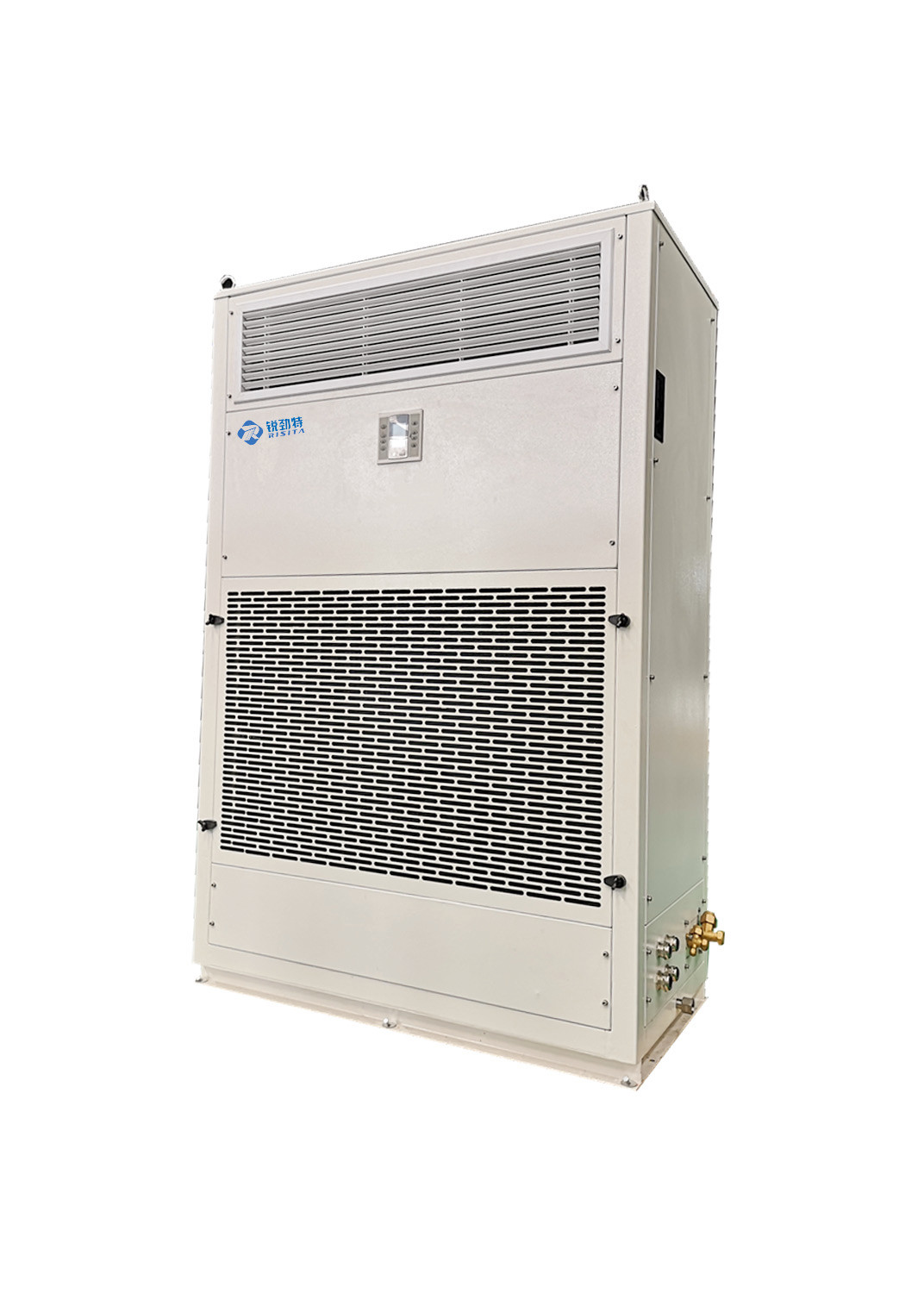

RISITA explosion-proof air conditioning
Guangdong RISITA Air Conditioning Equipment Co.,Ltd.
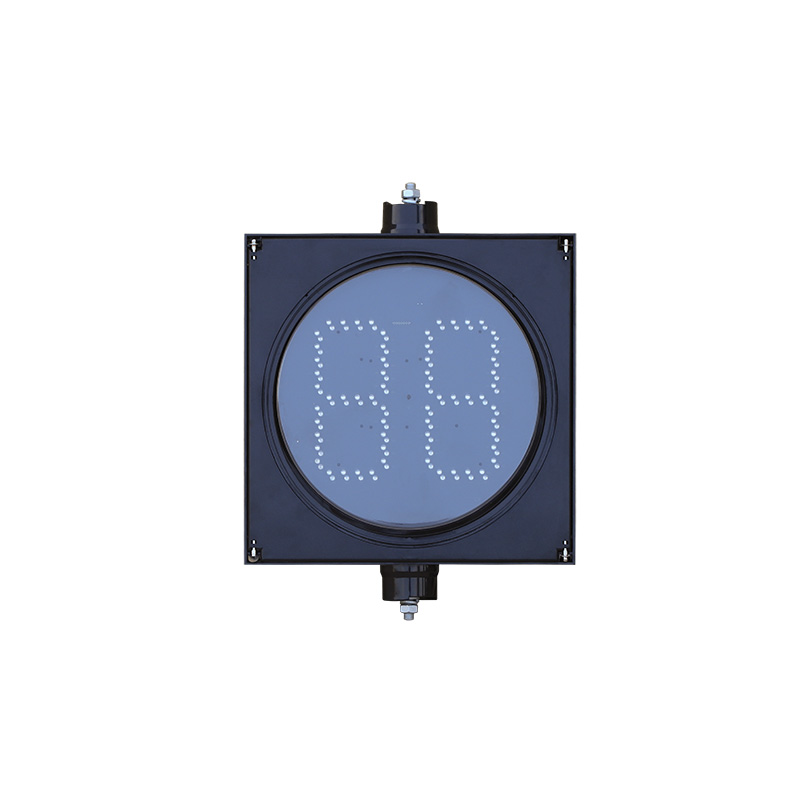
300mm Segment Type Countdown Traffic Light (Core Type)
Yangzhou FAMA Intelligent Equipment Co., Ltd.

Acoustic Mineral Fiber Ceiling Tile 595x595x12mm
Shanxi Pano Trading Co., Ltd
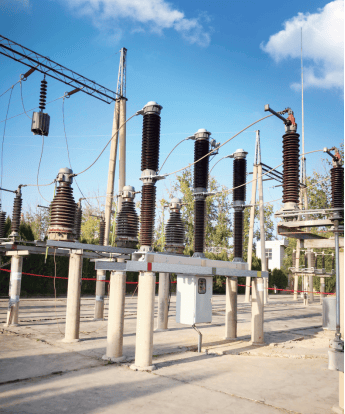
145kV Porcelain Column Type Sulfur Hexafluoride Circuit Breaker
TBEA ZONFA Shanghai High Voltage Switchgear Co., Ltd.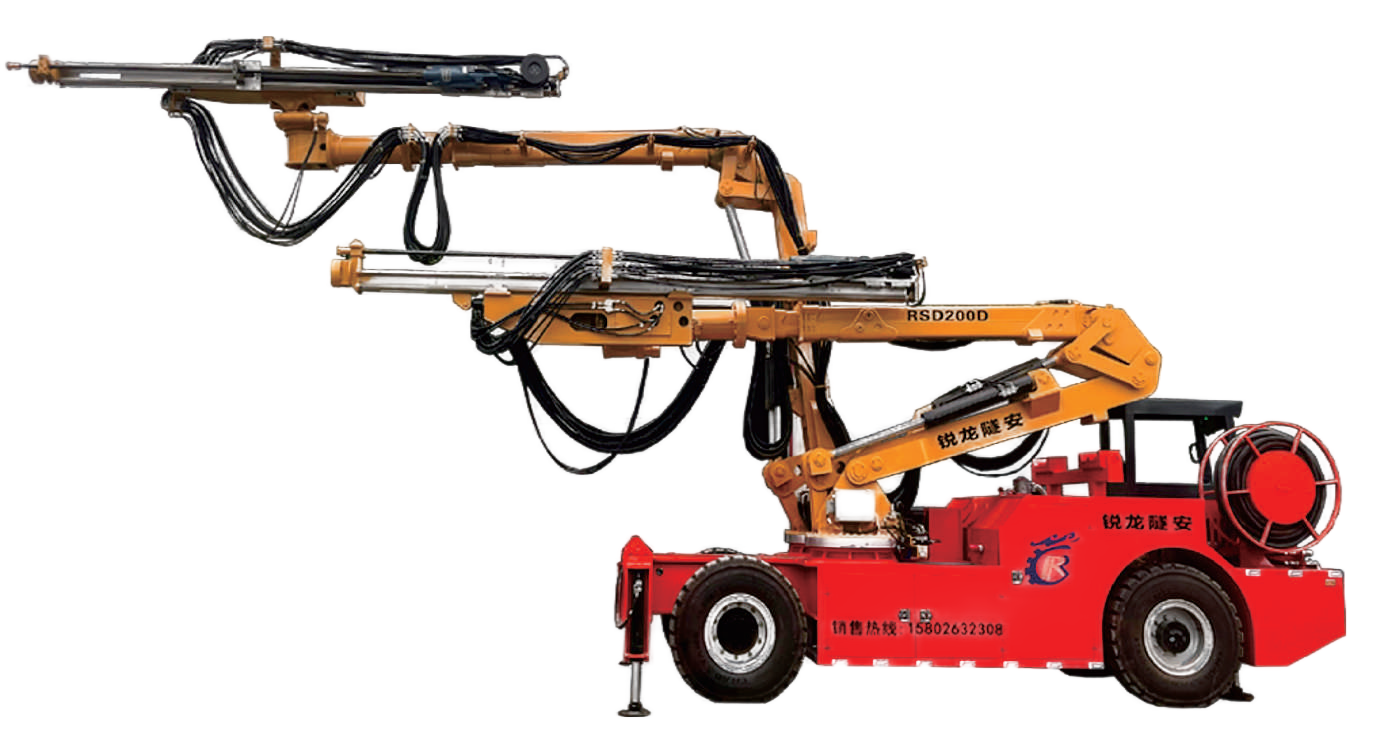
Dual-curved Arm Rock Drilling Trolley RSD200D
Chengdu Ruilong Machinery Manufacturing Co., Ltd.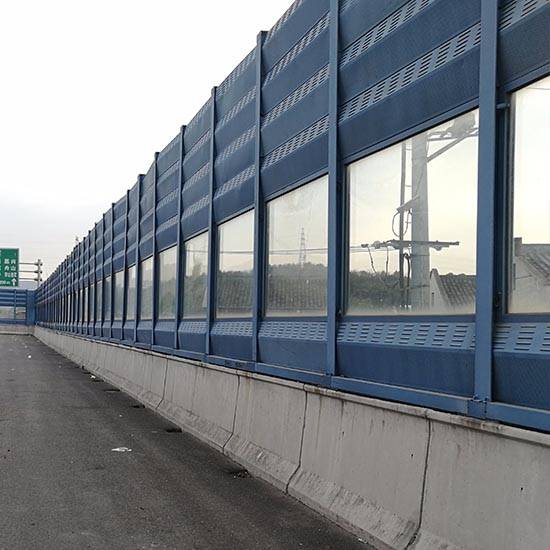
Metal sound barriers that can reduce the transmission of road noise
Hebei Jinbiao Construction Materials Tech Corp., Ltd.