Port of Long Beach Advances $3.3 Billion Modernization Plan, Aiming to Double Throughput Capacity by 2050
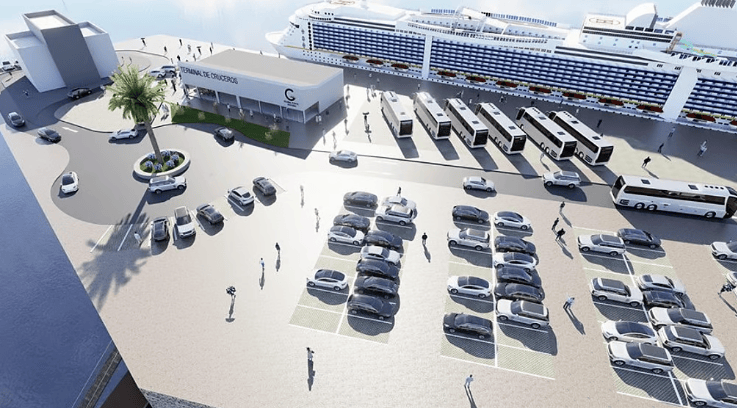
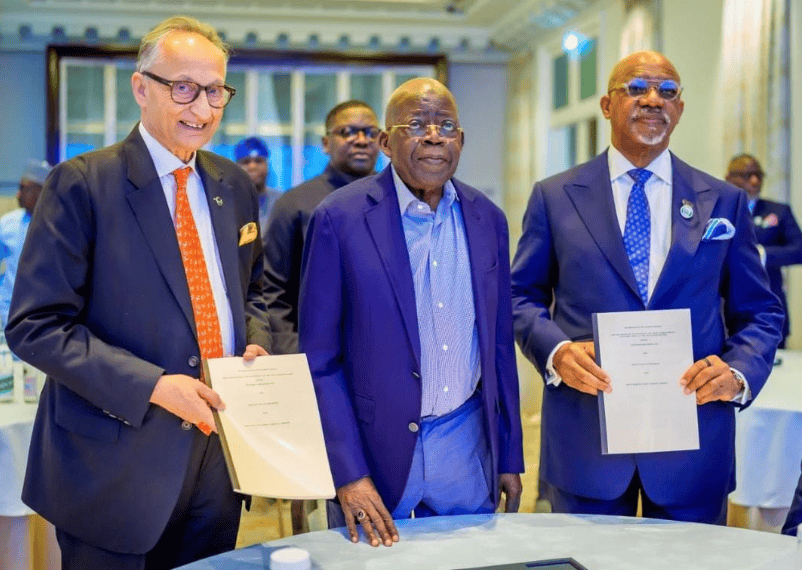
en.Wedoany.com Reported - On August 10, Steven Neal officially assumed the role of President of the Board of Harbor Commissioners for the Port of Long Beach, and at his first board meeting during his tenure, stated that he would push forward the continued implementation of port infrastructure, zero-emissions operations, digitalization, and clean energy projects, accelerating the construction of Long Beach's "Port of the Future."
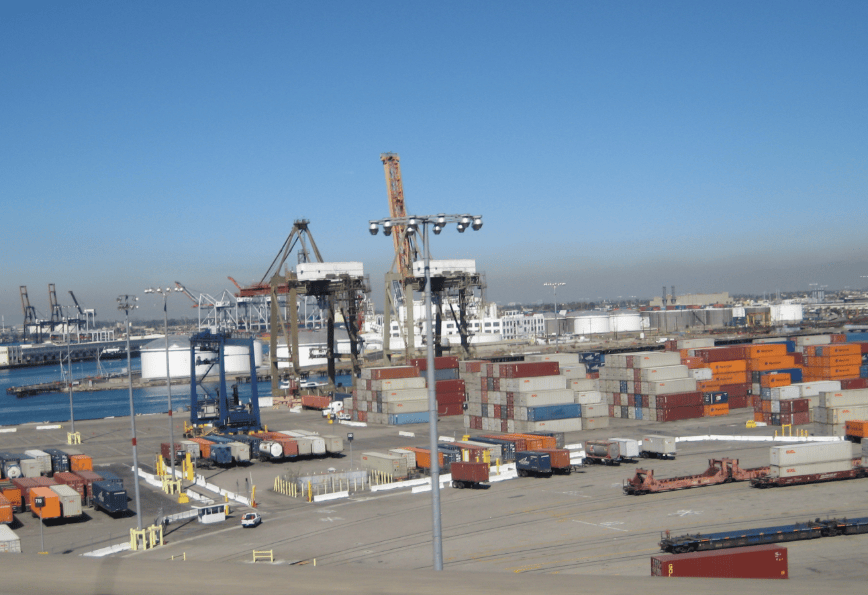
Neal's term as president lasts one year. The Long Beach Board of Harbor Commissioners consists of five members responsible for setting port development policy and overseeing port management. Neal stated that the new board will focus on ensuring existing projects and plans proceed on schedule, maintaining the Port of Long Beach's competitiveness in trans-Pacific trade, cargo handling efficiency, and port environmental stewardship.
In 2026, the Port of Long Beach proposed increasing its annual container throughput capacity to 20 million TEUs by 2050—nearly double the actual throughput of 9.8816 million TEUs recorded in 2025—while also advancing zero-emissions operations for cargo handling and related activities. To support this goal, the port plans to implement approximately $3.3 billion in capital improvements over the next decade, with investments directed toward rail intermodal systems, terminal infrastructure, zero-emissions equipment, digital freight systems, and clean energy applications.
The Pier B On-Dock Rail Support Facility is the core project of this investment plan. Through the construction and renovation of rail marshalling, loading/unloading, and connection facilities, the project aims to triple the port's on-dock rail handling capacity and reduce the average dwell time for rail cargo from four days to 24 hours, enabling containers to connect directly to the U.S. national rail network and reducing short-haul truck transfers within the port area.
The project, with an estimated investment of approximately $1.8 billion, broke ground in 2024 and is scheduled for completion in 2032. Once completed, the port will be able to increase container throughput capacity by raising the proportion of rail transport without proportionally expanding terminal footprint, freeing up landside transportation space for future throughput growth.
In addition to the rail project, the Port of Long Beach is developing a supply chain digital system to enhance visibility into container status, terminal operations, and inland transportation information. The port is also advancing zero-emissions container terminals, clean truck incentives, and energy replacement for terminal equipment. The Port of Long Beach's FY2027 budget stands at $1.05 billion, with $571.8 million allocated for capital projects and an additional $54 million designated to support clean truck replacements.
The energy system is also a component of the "Port of the Future" plan. The port will continue to study the application of electricity, hydrogen, and green methanol in terminal equipment, trucks, and vessels, and is collaborating with the U.S. Department of Transportation's Maritime Administration to develop operational, safety, security, and inspection standards for maritime nuclear energy applications. This collaboration is currently in the research phase on technical and regulatory mechanisms, with no specific decisions yet made on nuclear facility construction or procurement.
The Port of Long Beach handles more than $300 billion in annual trade value, and its related supply chain supports approximately 2.7 million jobs across the United States. Upcoming construction milestones include the phased construction of the Pier B rail project, zero-emissions terminal and vehicle upgrades, expansion of the digital freight platform, and specific bidding and contract arrangements for FY2027 capital budget projects.
Related Products
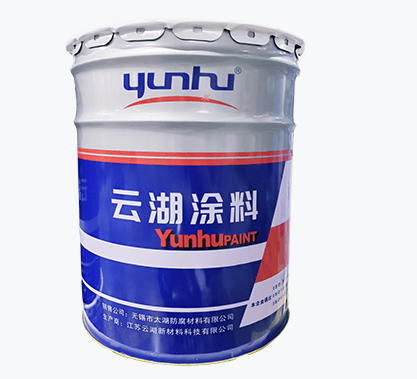

YHTank8400N Solvent-Free Liquid Epoxy Coating
JIANGSU YUNHU NEW MATERIAL TECHNOLOGY CO., LTD.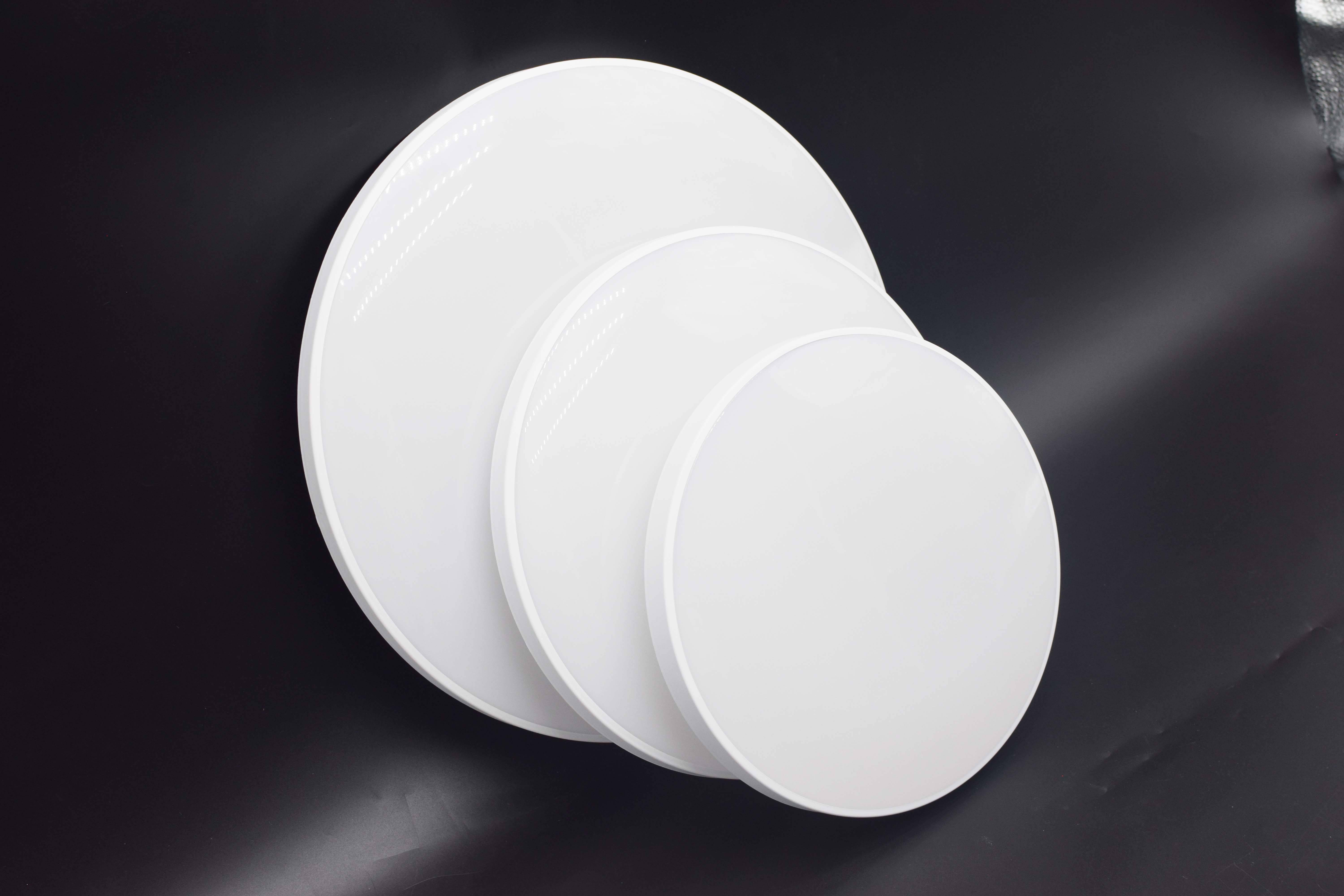
Ceiling light | led Ceiling Light | LED Indoor light | LED Ceiling lighting
Queendom Group Technology Co., Ltd.
Ultra-Pure Ferrite Stainless Steel Products
Gansu JISCO Group Hongxing Iron and Steel Co., Ltd.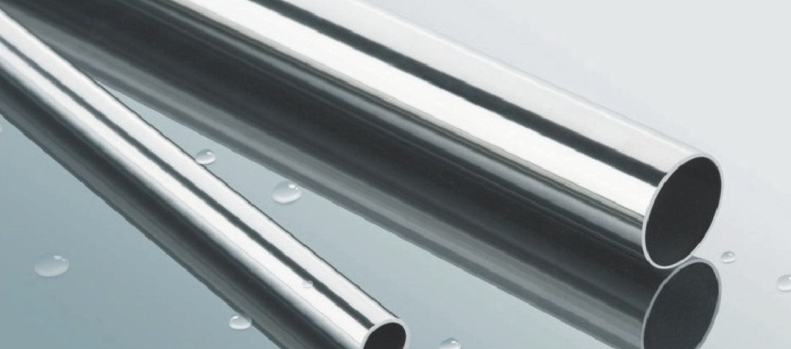
ERW Welded Pipe (Black Pipe and Hot-dip Galvanized Steel Pipe)
Handan Zhengda Steel Pipe Co., Ltd.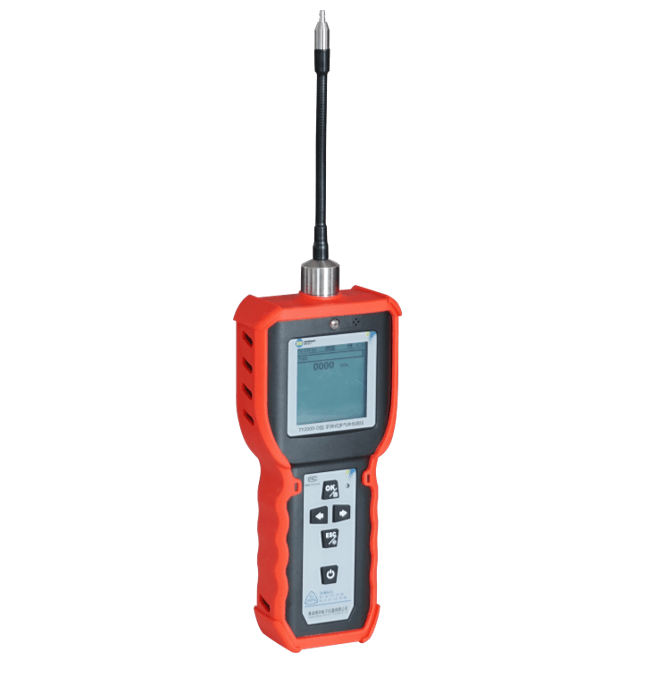
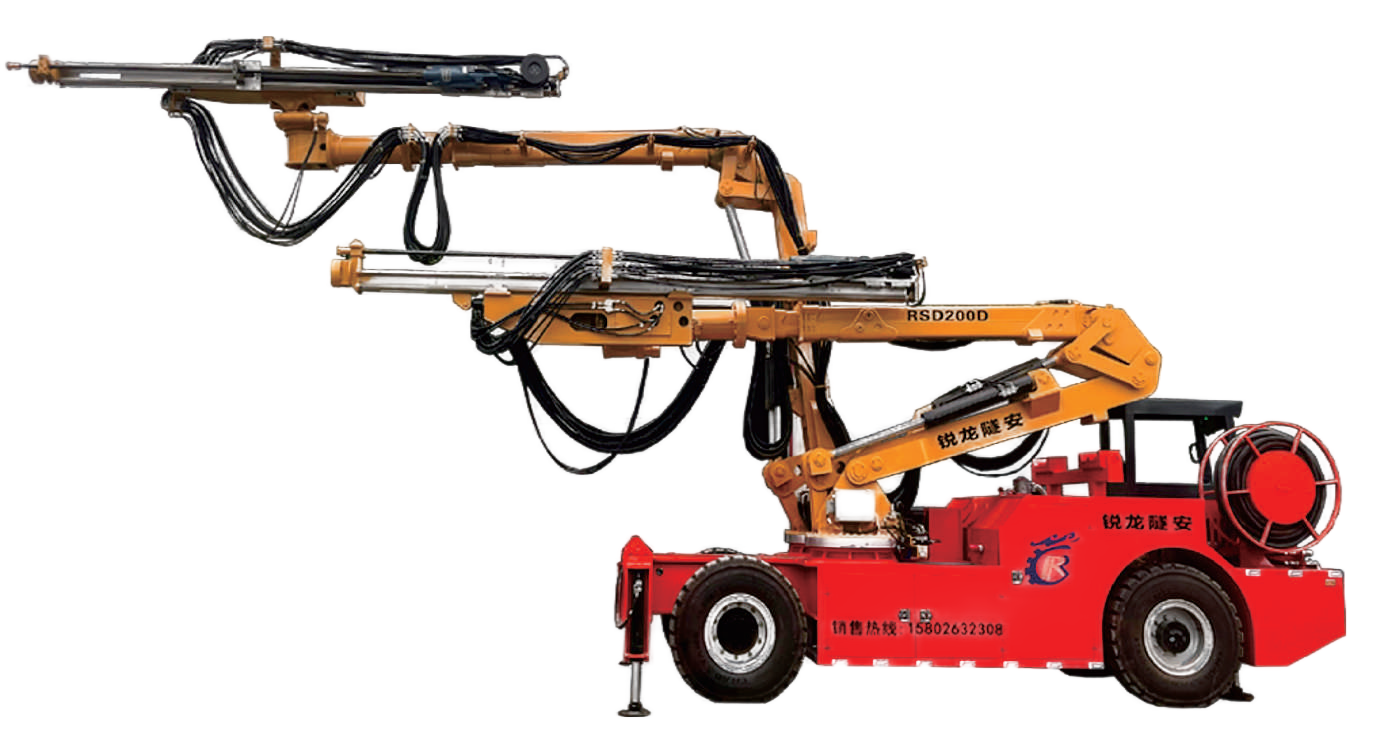
Dual-curved Arm Rock Drilling Trolley RSD200D
Chengdu Ruilong Machinery Manufacturing Co., Ltd.
Industrial and Commercial Point-Type Gas Detector
Jinan Benan Technology Development Co., Ltd.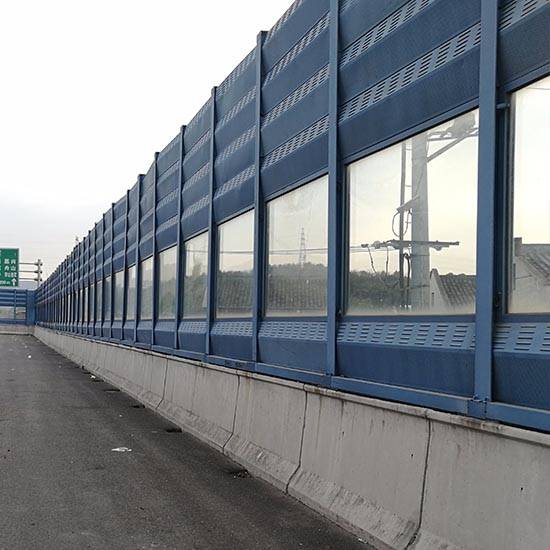
Metal sound barriers that can reduce the transmission of road noise
Hebei Jinbiao Construction Materials Tech Corp., Ltd.