French Chanel to Acquire Parisian High-End Shirt Manufacturer Charvet
en.Wedoany.com Reported - On July 2, French luxury brand Chanel announced it will acquire Charvet, a high-end shirt manufacturer based in Paris, France, with transaction terms undisclosed. Founded in 1838, Charvet specializes in shirts, ties, custom-made garments, and related men's accessories, operating a store at Place Vendôme in Paris.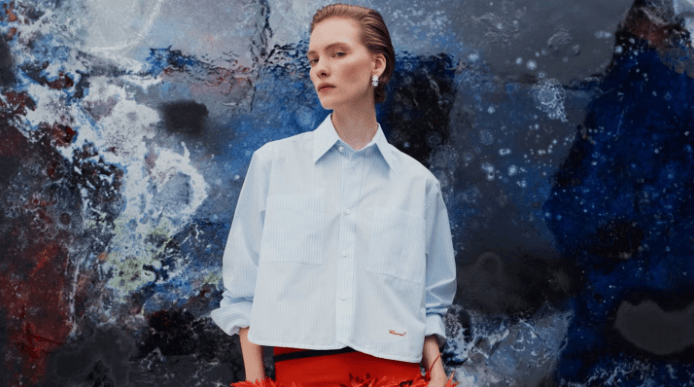
The focus of this deal is not on expanding store count, but on vertically strengthening garment manufacturing capabilities. Charvet has long been known for custom shirts and ties, with operations centered around measurements, fabric selection, pattern adjustments, collar and cuff design, hand stitching, and subsequent alterations. High-end shirts may seem like a single apparel category, but they involve multiple stages including cotton fabrics, weaving, dyeing and finishing, accessories, patterns, cutting, sewing, ironing, quality inspection, and customer file management. By acquiring Charvet, Chanel integrates a historic Parisian shirt manufacturer with a complete craftsmanship chain into its own system.
Charvet's uniqueness lies not in its influence through large-scale retail networks, but in maintaining brand value through custom services and long-term customer relationships. Its operations are concentrated at Place Vendôme in Paris, serving clients with high demands for fit, fabric, color, collar style, sleeve length, and detail specifications.
For high-end ready-to-wear companies, shirt manufacturing is not simply "cutting a few pieces of fabric and sewing them together." A custom shirt first requires determining shoulder width, chest circumference, waist circumference, neck size, sleeve length, wrist circumference, front and back lengths, and the client's physique, then adjusting allowances based on wearing habits. On the fabric side, considerations include yarn count, weave, hand feel, drape, breathability, shrinkage rate, and washability; on the craftsmanship side, aspects involve collar stand structure, cuff stiffness, buttonhole density, side seam treatment, and ironing shaping. The truly scarce assets of established shirt manufacturers like Charvet are the accumulated pattern experience, artisan touch, fabric library, and customer size archives over the years, rather than just the brand name.
In recent years, French Chanel has continuously strengthened its control over specialized workshops and niche manufacturing resources. Business fashion media BoF noted that Charvet joins the system of about a dozen specialized brands and suppliers already acquired by Chanel, aiming to secure the supply chain and preserve craftsmanship techniques.
Such acquisitions are also related to changes in production methods within the luxury goods industry. High-end brands need to maintain design language and brand scarcity on one hand, while ensuring control over fabrics, accessories, manual processes, and delivery quality on the other. If core manufacturing stages rely on external workshops for an extended period, brands face limitations in capacity, scheduling, quality consistency, and craft inheritance. After acquiring Charvet, Chanel can more directly access the craftsmanship system for high-end shirts, ties, and custom men's accessories, and provide more stable manufacturing support for its haute couture, men's client services, and customized product lines.
After Charvet is integrated into the Chanel system, the key aspect to observe is not short-term sales changes, but whether its independent style can be preserved. Charvet's value stems from its understated, meticulous, slow-paced, and high-ticket customization; excessive commercialization could instead weaken its original brand character. Chanel stated that Charvet will maintain its independence and identity under the Chanel umbrella, meaning that after the deal closes, the Place Vendôme store, custom services, fabric selection, and customer relationships will remain crucial for the brand's continuity.