Łódź High-Speed Rail Tunnel Crane Passes 500-Tonne Load Test in Poland
en.Wedoany.com Reported - A gantry crane for the Łódź high-speed rail tunnel project in Poland has passed load testing, laying the groundwork for the upcoming installation of a tunnel boring machine (TBM).
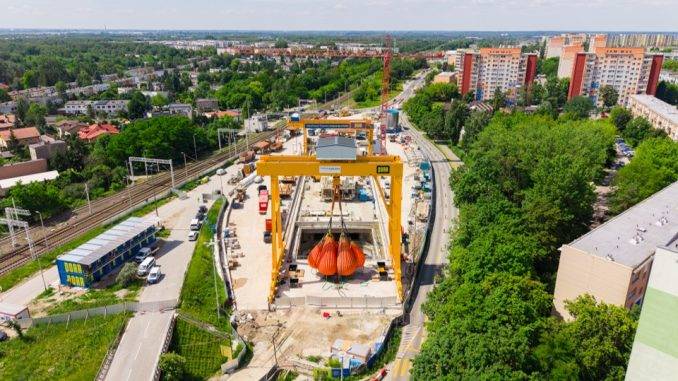
The tests were conducted at the launch shaft area in the Retkinia district, aiming to verify the equipment's performance under extreme conditions. During the tests, water-filled ballast weights totaling approximately 500 metric tonnes were used to simulate maximum loads.
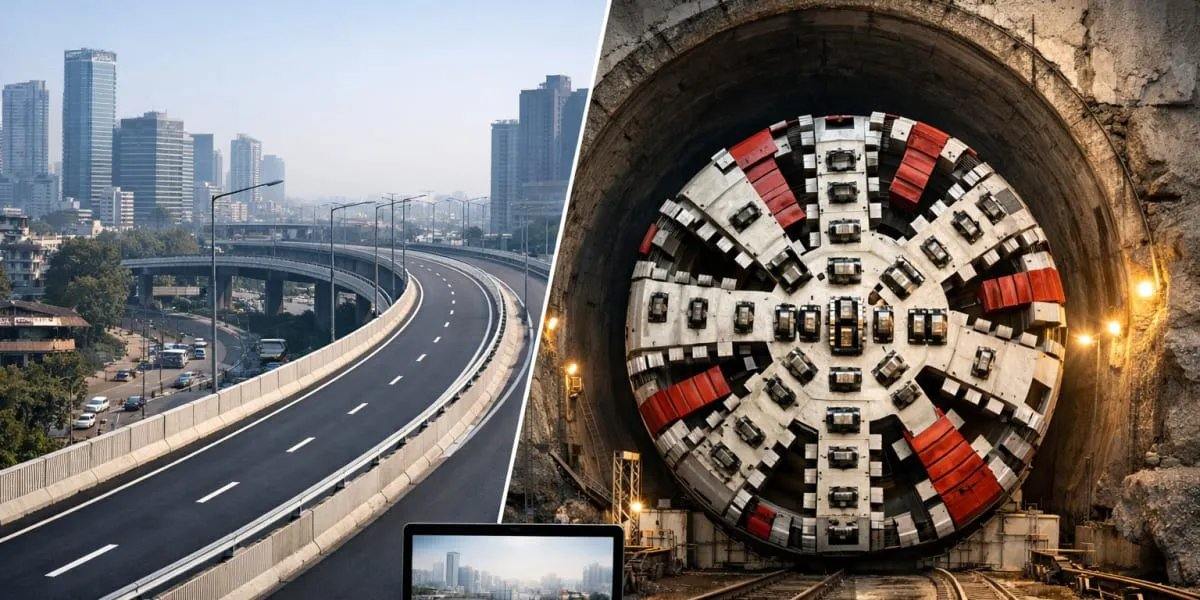
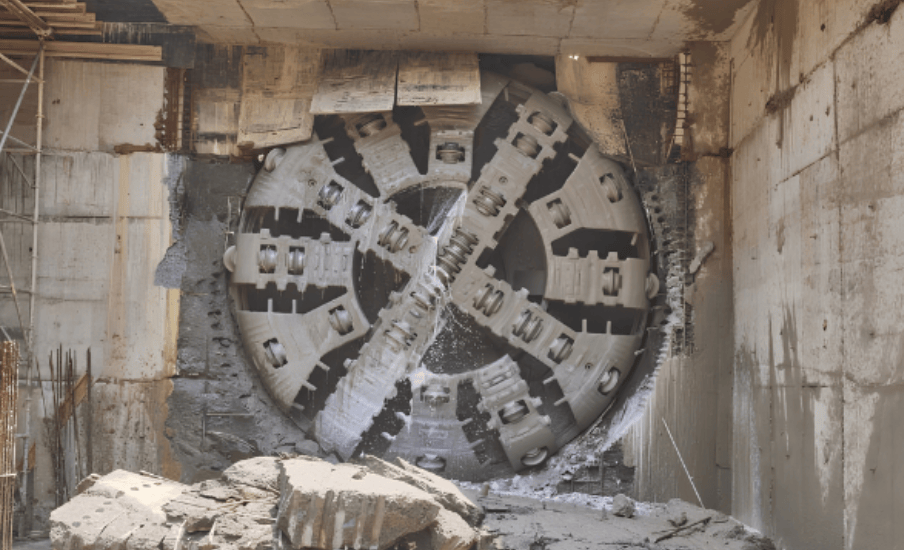
The crane will be used to install the heaviest component of the TBM—the cutterhead, which weighs about 420 metric tonnes. Once assembled, the cutterhead will be lowered into the launch shaft in a single lifting operation.
The tests were performed at 110% of the rated lifting capacity, confirming that the equipment is ready for the subsequent phases of the project. Such tests are part of the standard certification procedure for lifting equipment within the European Union and are supervised by competent technical authorities.
The future railway tunnel, 4.6 kilometers long and approximately 14 meters in diameter, will become the longest and widest single-tube railway tunnel ever built in Poland. The tunnel will feature two tracks, allowing trains to travel at speeds of up to 160 km/h.
According to the current schedule, the TBM is expected to begin excavation in the first quarter of 2027, reaching the reception shaft near Łódź Fabryczna station by 2028. Interior installation and safety testing will continue until 2029.
This tunnel is one of the strategic projects developed by Centralny Port Komunikacyjny (CPK) and a key component of the future "Y"-shaped high-speed line. The line will connect Warsaw and Poland's new central airport with Łódź, then extend to Wrocław and Poznań.
Through this project, the Polish government aims to develop a modern high-speed rail network, significantly reducing travel times between major domestic economic centers and strengthening the role of rail in the country's transportation system.
Related Products

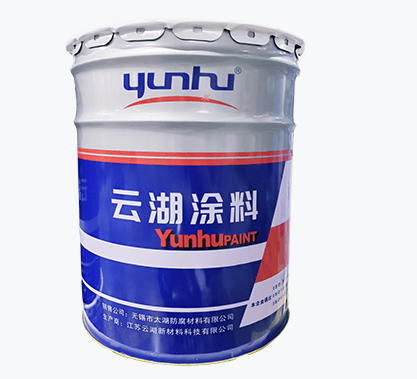
YHTank8400N Solvent-Free Liquid Epoxy Coating
JIANGSU YUNHU NEW MATERIAL TECHNOLOGY CO., LTD.
Industrial and Commercial Point-Type Gas Detector
Jinan Benan Technology Development Co., Ltd.
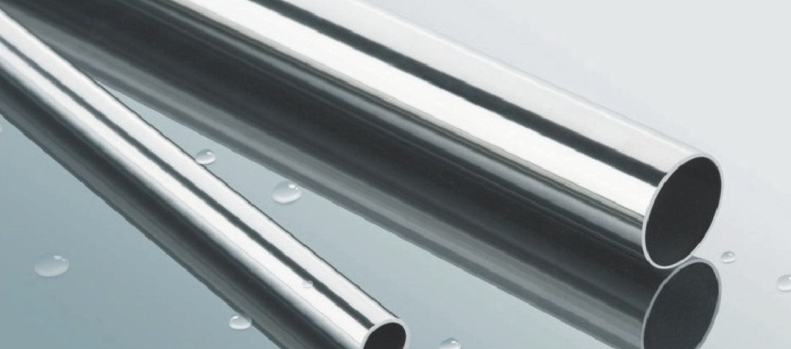
ERW Welded Pipe (Black Pipe and Hot-dip Galvanized Steel Pipe)
Handan Zhengda Steel Pipe Co., Ltd.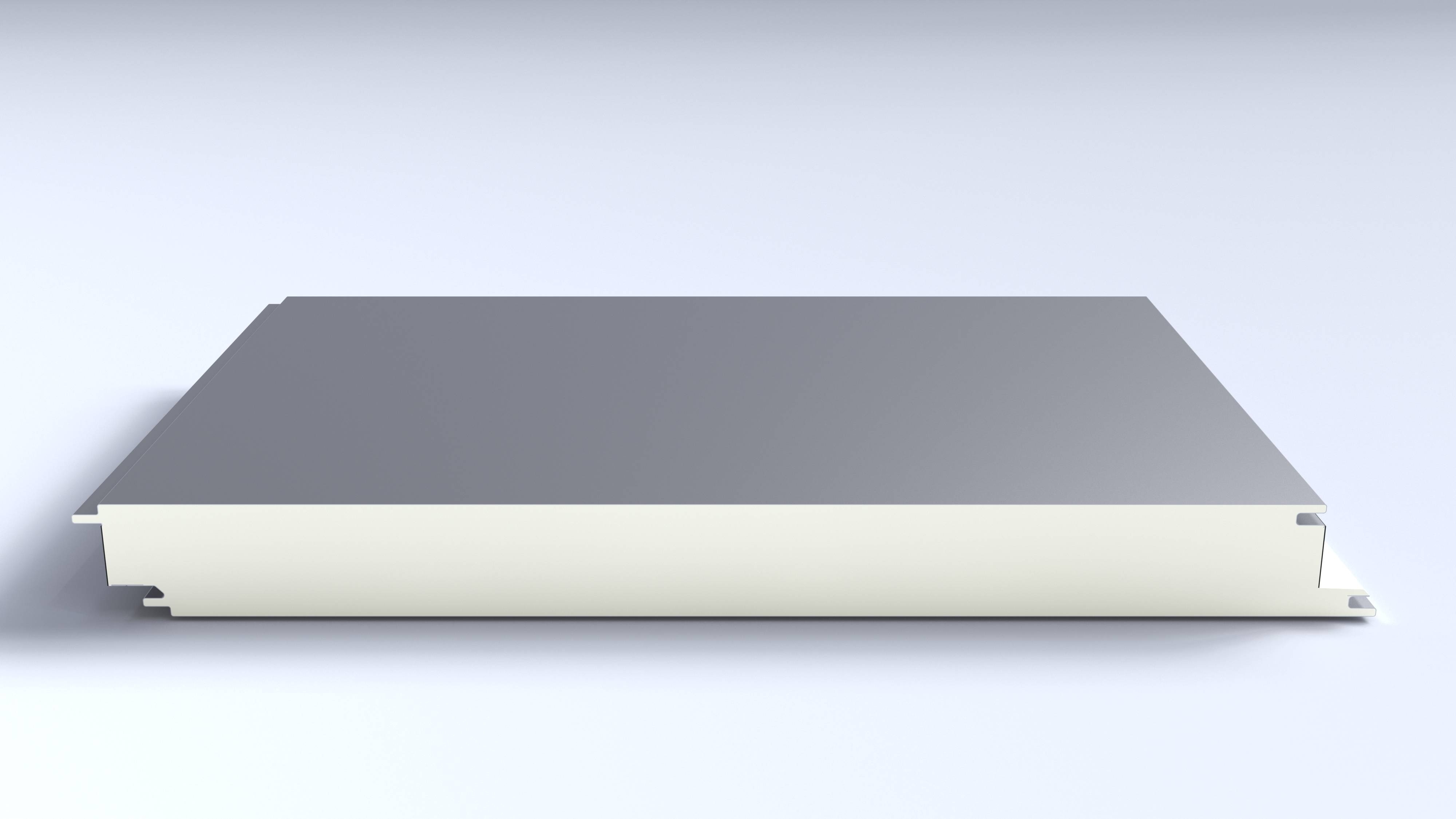
Pure Polyurethane Wall Panel BD-AEF-PIR-01
Baodu International Engineering Technology Co., Ltd.
Metal sound barriers that can reduce the transmission of road noise
Hebei Jinbiao Construction Materials Tech Corp., Ltd.
West China Xiamen Hospital of Sichuan University
Wuhan Huakang Century Clean Technology Co., Ltd.