Brazil's Ministry of Mines and Energy Releases Basic Reference Framework for Sustainable Mining to Advance the 2050 National Mining Policy
en.Wedoany.com Reported - Minister of Mines and Energy Alexandre Silveira, during the meeting of the National Mineral Policy Council (CNPM) on July 2, launched the "Basic Reference Framework for Sustainable Mining in Brazil – From Good Practices to Promoting Decent and Dignified Work." This document is a key outcome of Brazil's 2050 National Mining Policy (PNM 2050), providing technical references for the sustainable development of the country's mining industry. It aims to guide public policies, corporate actions, and incentive instruments, directly contributing to the achievement of PNM 2050's objectives 1 and 4.
The Mining Sustainable Development Directorate (DDSM), under the National Secretariat of Geology, Mining, and Mineral Processing (SNGM), was responsible for developing this framework. The document does not create regulatory obligations, replace existing laws, or establish any certification marks. Instead, it serves as a guiding tool for tracking the evolution of mining activities and the progress of environmental, social, and governance (ESG) practices.
Silveira stated that this reference framework enhances the competitiveness of Brazil's mining industry, expands legal certainty, and consolidates the modern sustainable development agenda, positioning Brazil among the leading international references for responsible mining. This is another contribution of President Lula's government to creating jobs, income, and opportunities while assuming environmental and social responsibilities.
The framework is part of the strategy to implement the 2050 National Mining Plan. PNM 2050 establishes four pillars, five strategic objectives, 32 challenges, and 75 guidelines, aiming to enhance the competitiveness of Brazil's mining industry, increase the added value of mineral resources, stimulate innovation, promote sustainability, and consolidate a more predictable investment environment. The mining sector holds a strategic position in the Brazilian economy, accounting for approximately 3.3% of the Gross Domestic Product (GDP), generating about 2 million formal direct jobs, and representing 20% of Brazil's total exports in 2025. Brazil holds the world's largest niobium reserves, ranks second in rare earths and graphite reserves, and third in iron ore, manganese, and tin reserves. Strengthening sustainable mining helps enhance national competitiveness, attract investments, and consolidate its strategic position in the global energy transition.
The document's development process was marked by broad social participation. A public consultation was initiated through MME Ordinance No. 881/2025 in November 2025, open for 60 days, and concluded on January 14, 2026. During this period, 194 suggestions were received from representatives of the private sector, public institutions, and civil society. The MME analyzed and adjusted major international references for responsible mining and sustainability, including the Initiative for Responsible Mining Assurance (IRMA), Towards Sustainable Mining (TSM), CRAFT (Code of Risk-mitigation for Artisanal and Small-scale Mining), the Consolidated Mining Standard Initiative (CMSI), and ABNT PR 2030. Based on this, it constructed its own reference framework considering Brazil's territorial diversity, the specificities of artisanal and small-scale mining, human rights, and social and environmental challenges.
The document is structured around the three pillars of Environmental, Social, and Governance (ESG), featuring a dedicated section for Artisanal and Small-Scale Mining (MAPE). It compiles guidelines and strategies addressing issues such as climate change, water resource management, biodiversity, circular economy, human rights, decent work, diversity, community relations, integrity, transparency, and corporate sustainability.
Ana Paula Lima Vieira Bittencourt, Secretary of the National Secretariat of Geology, Mining, and Mineral Processing (SNGM), emphasized that this reference framework opens a new phase in the construction of Brazil's mineral policy by establishing a common foundation for the industry's sustainable development. It organizes society's and the market's expectations for contemporary mining using a unified technical language, providing a national reference based on international best practices adapted to the Brazilian context.
The implementation of this reference framework will be carried out through the National Sustainable Mining Plan, encompassing three areas of action: technical and regulatory support; strengthening the foundational conditions for adopting good practices; and institutional coordination of actors in the mineral chain through capacity building. The document will serve as the basis for future technical guidelines, indicators, monitoring tools, incentive mechanisms, and public policies.
Related Products


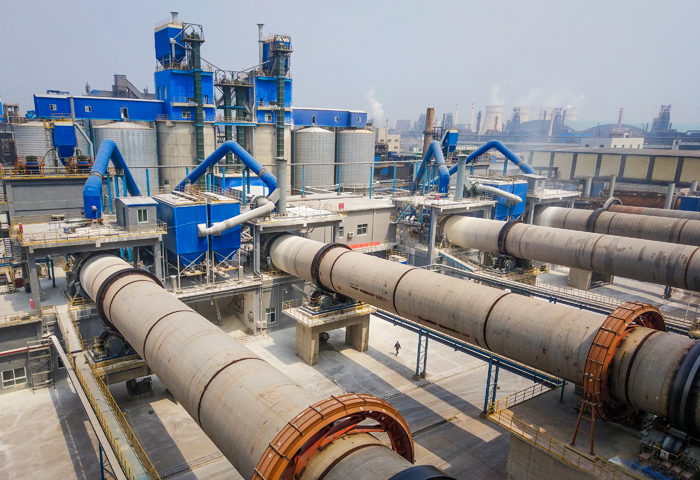
CITIC Heavy Industries Metallurgical Equipment Steel Smelting Engineering Equipment
CITIC Heavy Industries Co., Ltd.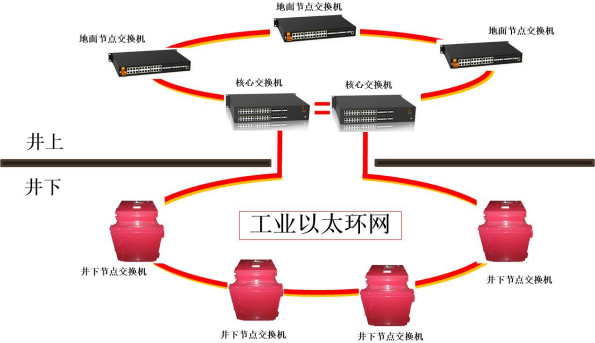
Mine Explosion-proof and Intrinsically Safe Industrial Ethernet Ring Network (10 Gigabit/Gigabit)
Chongqing Mas Sci&Tech Co., Ltd.
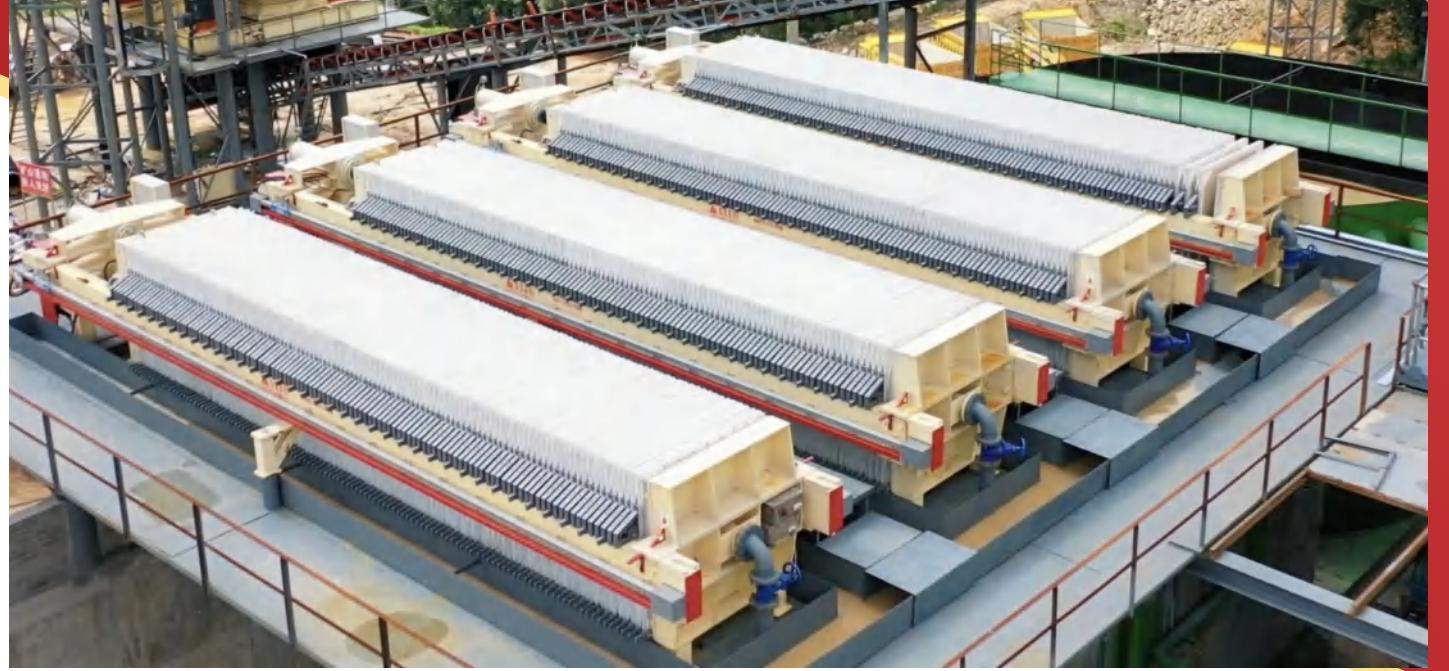
Hydraulic Plate and Frame Filter Press
Guangdong Leimeng Intelligent Equipment Group Co., Ltd.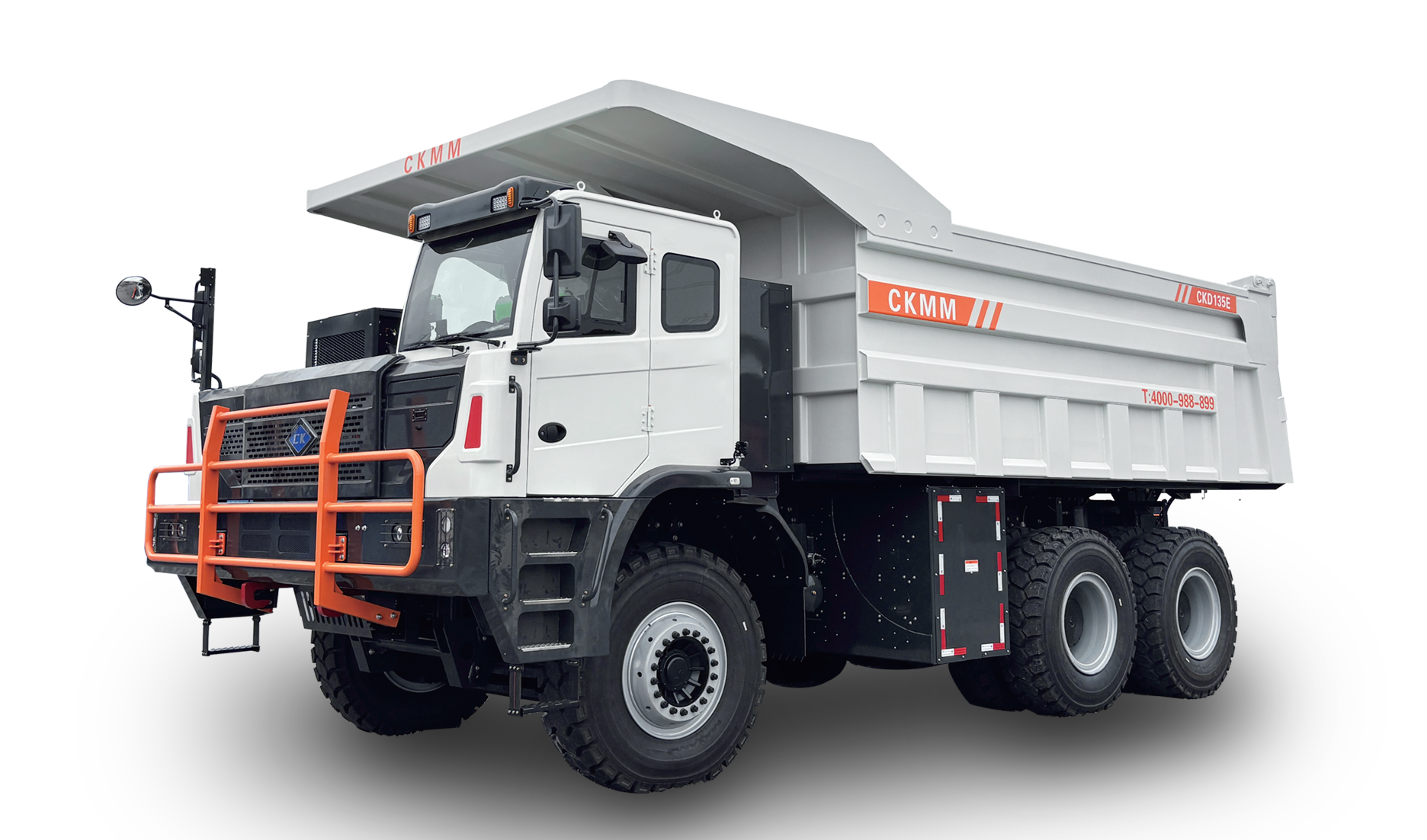
CKD135E Pure Electric Wide-body Dump Truck
Jiangsu Changkuang Engineering Machinery Co. Ltd.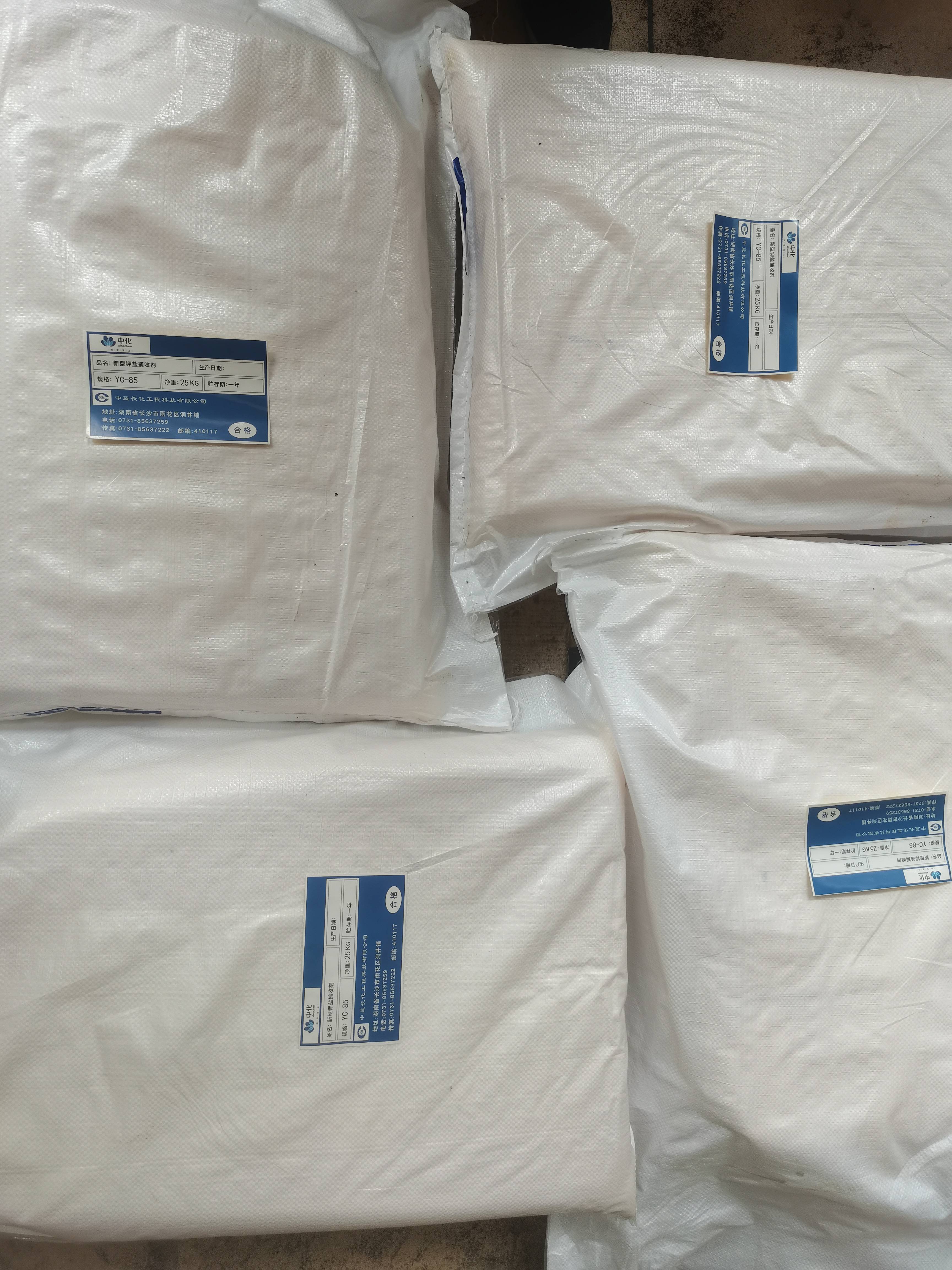
New Environmentally Friendly Green Potassium Salt Collector
Chonfar Engineering and Technology Co., Ltd.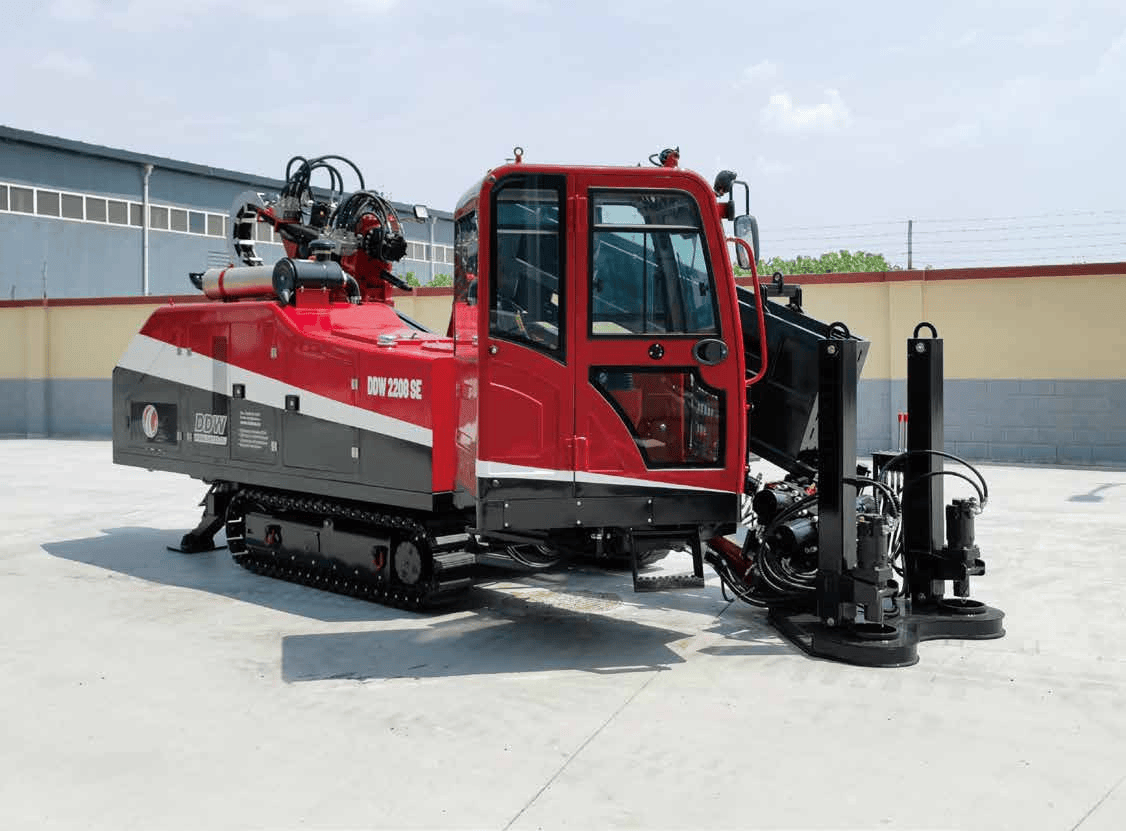
DDW22/08SE-HORIZONTAL DIRECTIONAL DRILL
DW/TXS Construction Equipment (Beijing) Co., Ltd.

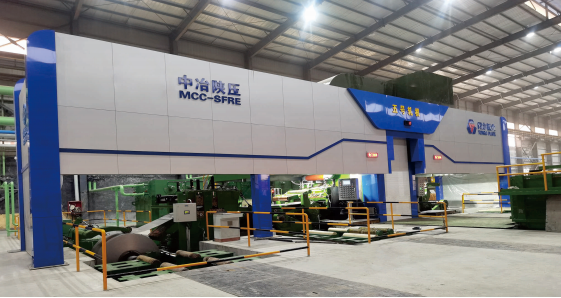
1050-1750mm Steel Strip Single-stand Reversible Cold Rolling Production Line
MCC-SFRE HEAVY INDUSTRY EQUIPMENT CO., LTD.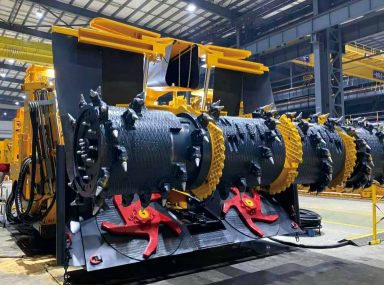
Integrated Excavation and Anchoring Machine (EJM Series)
China Railway Construction Heavy Industry Corporation Limited