Amazon's Leo Satellite Constellation Reaches 396 Units, Initial Services to Launch This Year
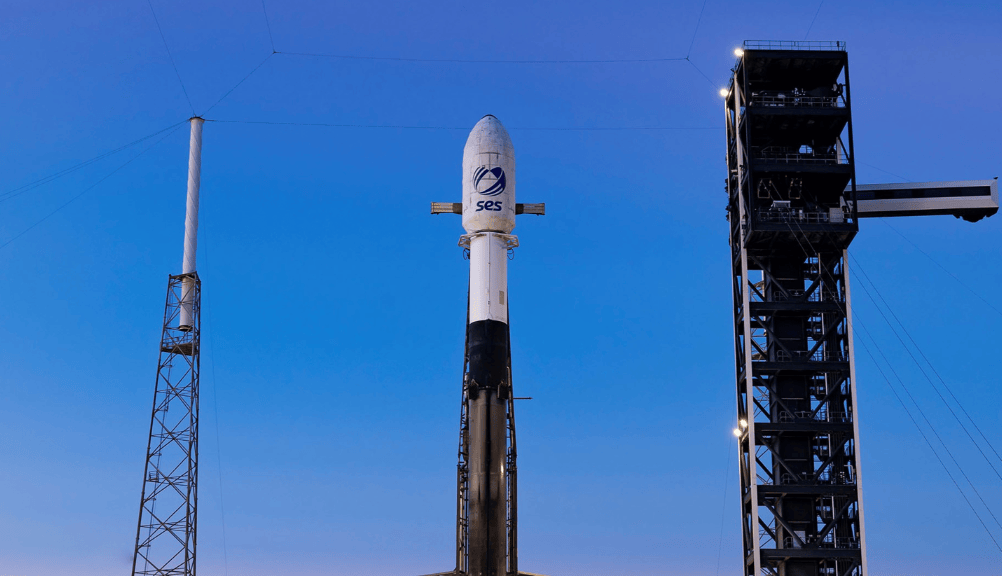
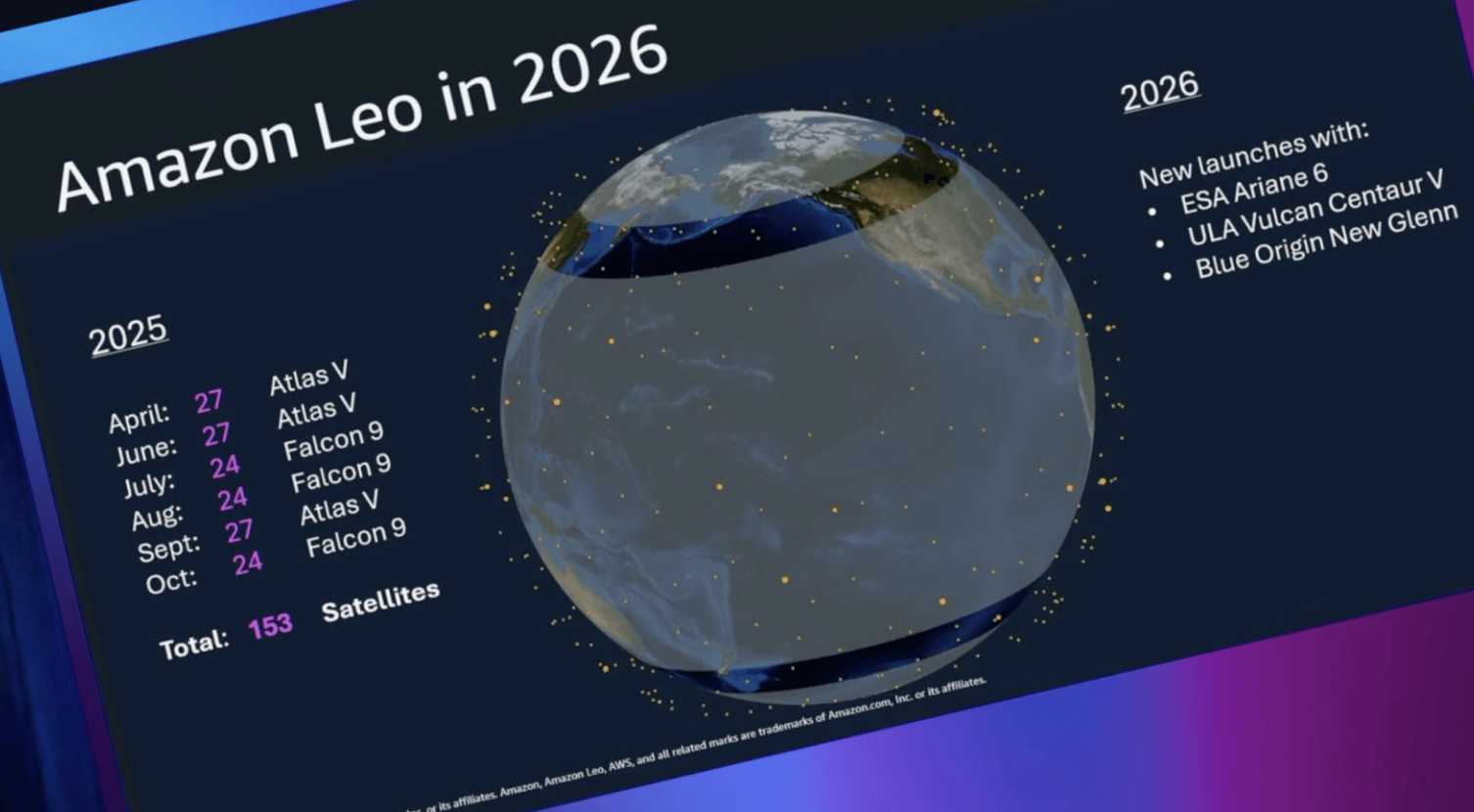
en.Wedoany.com Reported - Amazon's satellite internet project Leo has entered a critical phase for service launch after years of research, development, and delays. Company executives revealed that with the recent launch of 29 satellites into orbit, the total number of satellites in orbit has reached 396, sufficient to support the launch of initial services this year.
Chris Weber, Vice President of Amazon Leo, stated that there is still a lot of work ahead, including raising all new satellites to their designated altitudes, but the number of completed launches is enough to initiate services within the year. Future launch missions will be used to expand coverage and capacity. This statement aligns with Amazon's stated goal of launching Leo services for consumers around mid-2026. Industry observers believe that before deploying more satellites, Leo's initial services will be limited to certain parts of the globe.
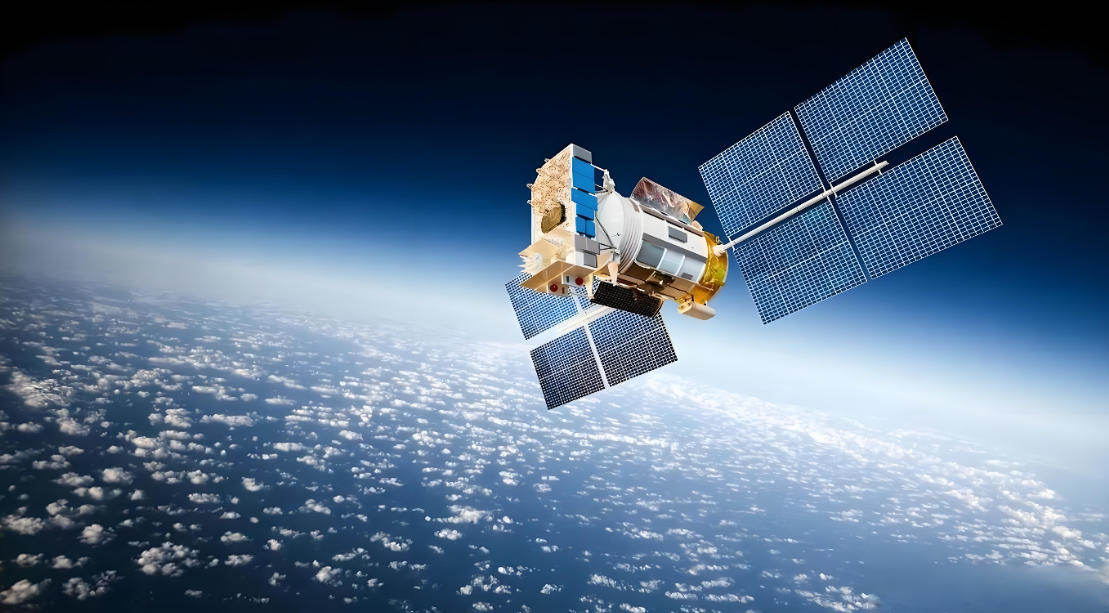
Both Leo and SpaceX's Starlink use low-orbit satellite networks to transmit high-speed broadband to ground terminals. To achieve global, round-the-clock coverage, each system requires thousands of satellites in orbit. The first-generation Leo constellation design consists of 3,232 satellites, placed into specific orbits to cover particular geographic areas.
Satellite industry analyst Carlos Placido previously estimated that Leo would need 578 satellites in orbit to provide continuous service to users between 35°N and 55°N latitude (covering the north-central United States and southern Canada). Therefore, Placido believes Amazon may consider narrowing the initial latitude range early in the service. Through simulations, he found that with 360 satellites, users at approximately 45°N latitude (such as Salem, Oregon, USA) would have at least one satellite in their line of sight about 94% of the time. He noted that the signal would still be intermittent but close to continuous, likely sufficient for testing and other purposes.
This suggests Amazon may first offer services to customers in specific areas where the satellite constellation is dense enough to provide 24/7 coverage. Looking at the development trajectory of competitors, Starlink had 633 satellites in orbit when it launched its test service in October 2020.
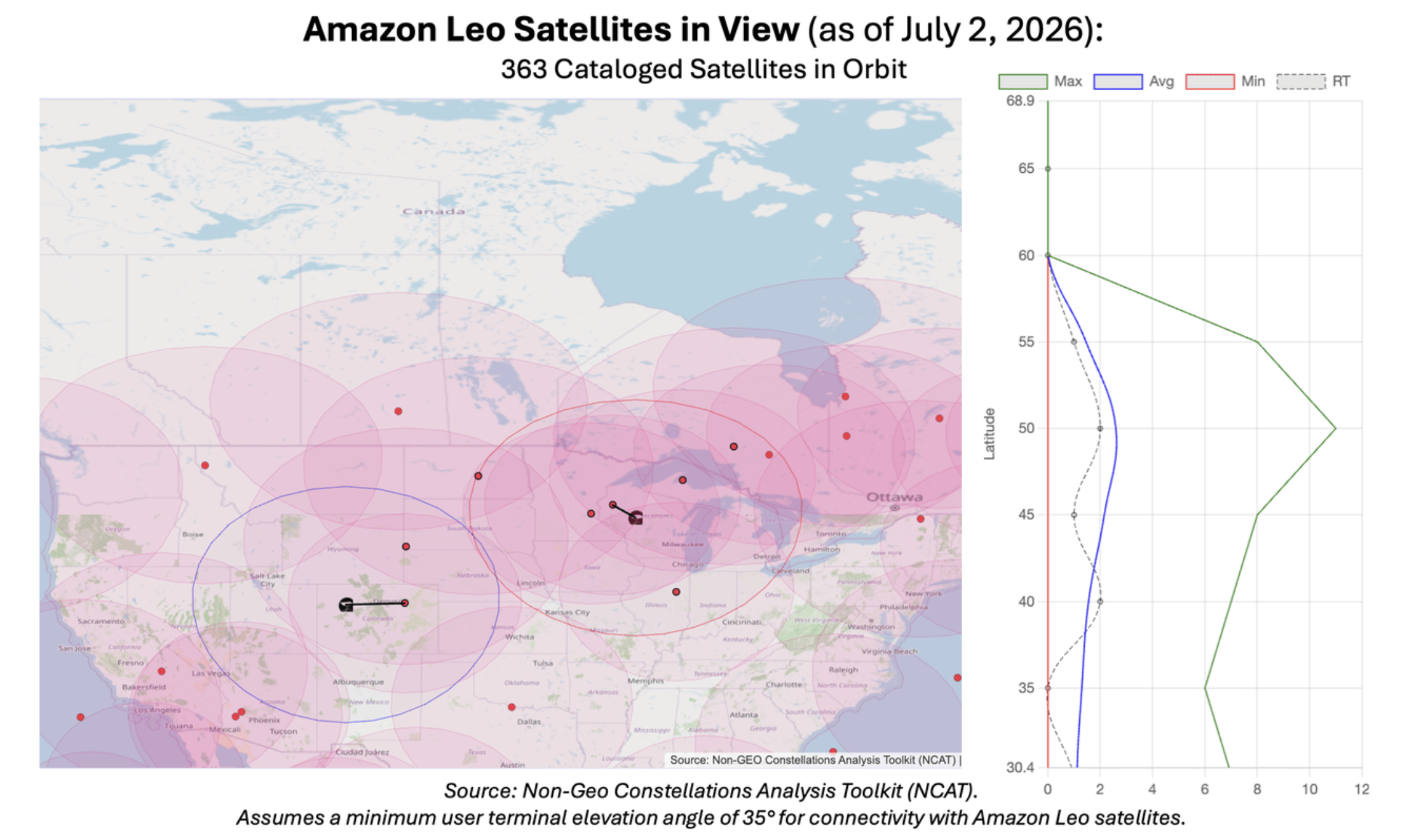
Justin Beach, operator of an Australian satellite tracking website, pointed out that Leo satellites orbit at a higher altitude (above 600 km), allowing each satellite to cover a larger area than Starlink did at the time. Combined with late-mover advantages and newer technology, this could provide a better testing experience with fewer satellites.

Amazon CEO Andy Jassy has revealed that Leo will outperform Starlink in both upload and download speeds. The company is also building hundreds of gateway ground stations connected to fiber optic networks to transmit internet data to orbiting satellites. Beach added that if ground stations and other preparations are in place, Leo could start services sooner than expected, at least providing a more stable experience in areas where signals can be downlinked to local ground stations.
Satellite industry analyst Tim Farrar noted that clearly more satellites are needed to deliver good service quality, but a denser constellation also makes it easier for each Leo dish antenna to find and connect to overhead satellites. He mentioned that Starlink initially used self-pointing motorized antennas to adjust to the optimal position, while Amazon does not seem to have adopted this approach. The first-generation Leo constellation will not provide 100% global coverage, leaving a coverage gap extending across most of Alaska, parts of Canada, and Northern Europe. The company's second-generation Leo system aims to fill this gap with an additional 4,504 satellites.
The pricing of Leo services and whether it will first be offered to enterprise customers have yet to be announced. Its arrival will bring competition to the satellite internet market currently dominated by Starlink, which has attracted over 12 million active users.
Related Products
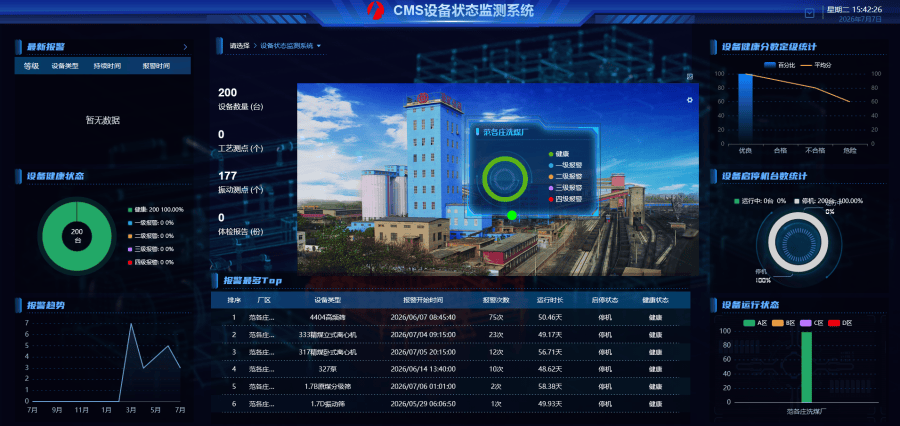



Multi-function Marine Monitoring Low-altitude Detection Radar Sea-air Boundary Ocean Dynamic Environment Measurement
Chengdu Dixin Technology Co., Ltd.

G.652.D Wavelength-extended Non-dispersion Shifted Single-mode Optical Fiber
HONGAN GROUP CO., LTD.

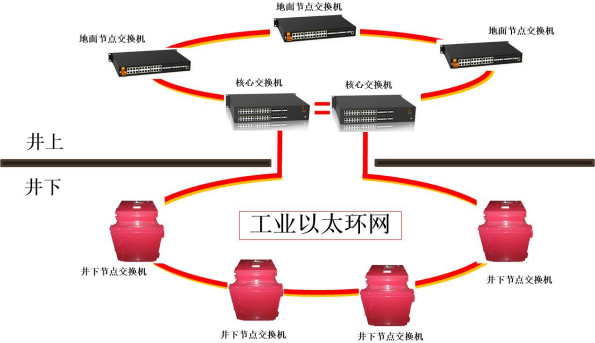
Mine Explosion-proof and Intrinsically Safe Industrial Ethernet Ring Network (10 Gigabit/Gigabit)
Chongqing Mas Sci&Tech Co., Ltd.
20 Inch 1600*900 Full HD 60Hz TFT LED Monitor with VGA and DP Interfaces for Desktop Computers-Business Use
Guangzhou Zanying Optoelectronics Technology Co., Ltd.
MUX Series Communication Interface Device for Security and Stability Control System
Nanjing NR Electric Co., Ltd.