Philippines Approves Globe Telecom's Commercial Starlink Direct-to-Cell Service
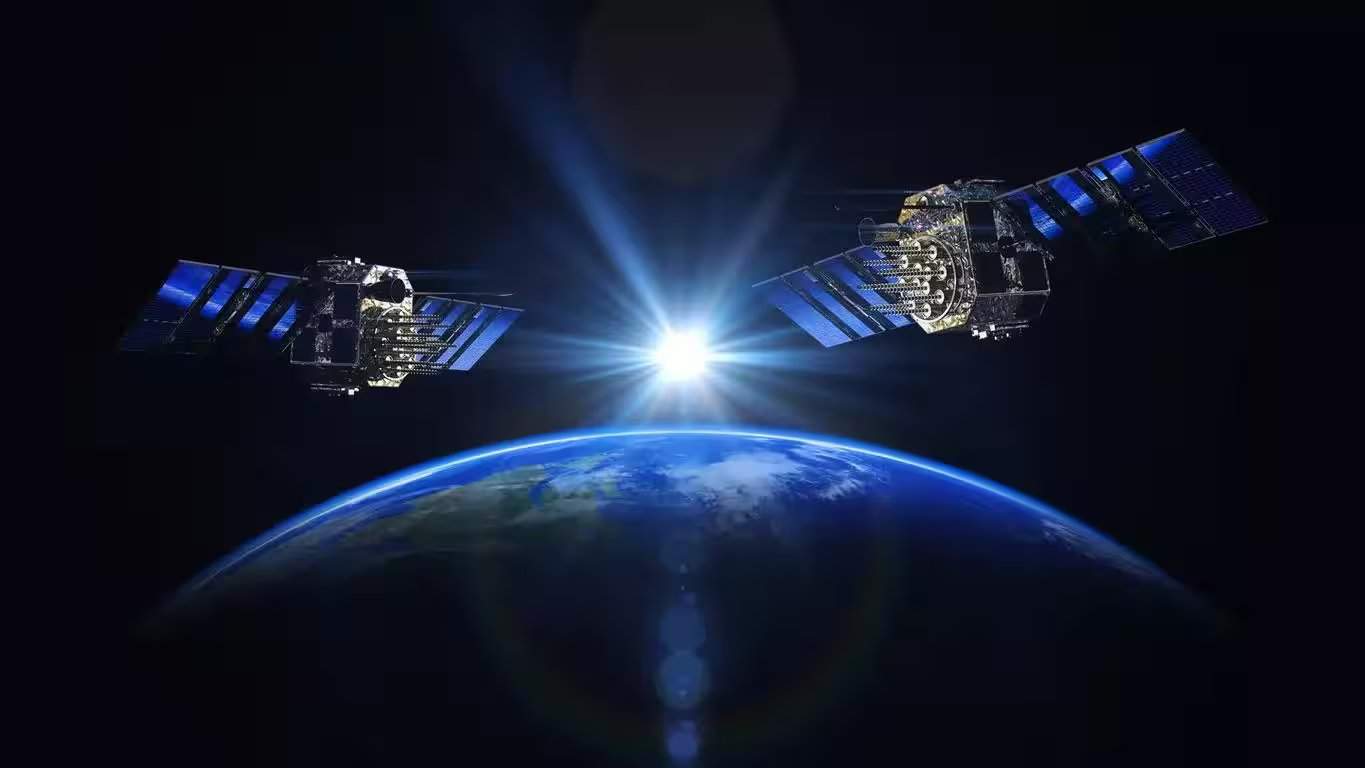
en.Wedoany.com Reported - The Philippines has officially become the first country in Southeast Asia to offer Starlink direct-to-cell services through a mobile network operator. Globe Telecom has received approval from the National Telecommunications Commission to provide mobile connectivity via low-Earth orbit satellites to remote areas beyond the reach of traditional cell towers, marking the first commercial solution to the region's long-standing "last few percent" coverage challenge.
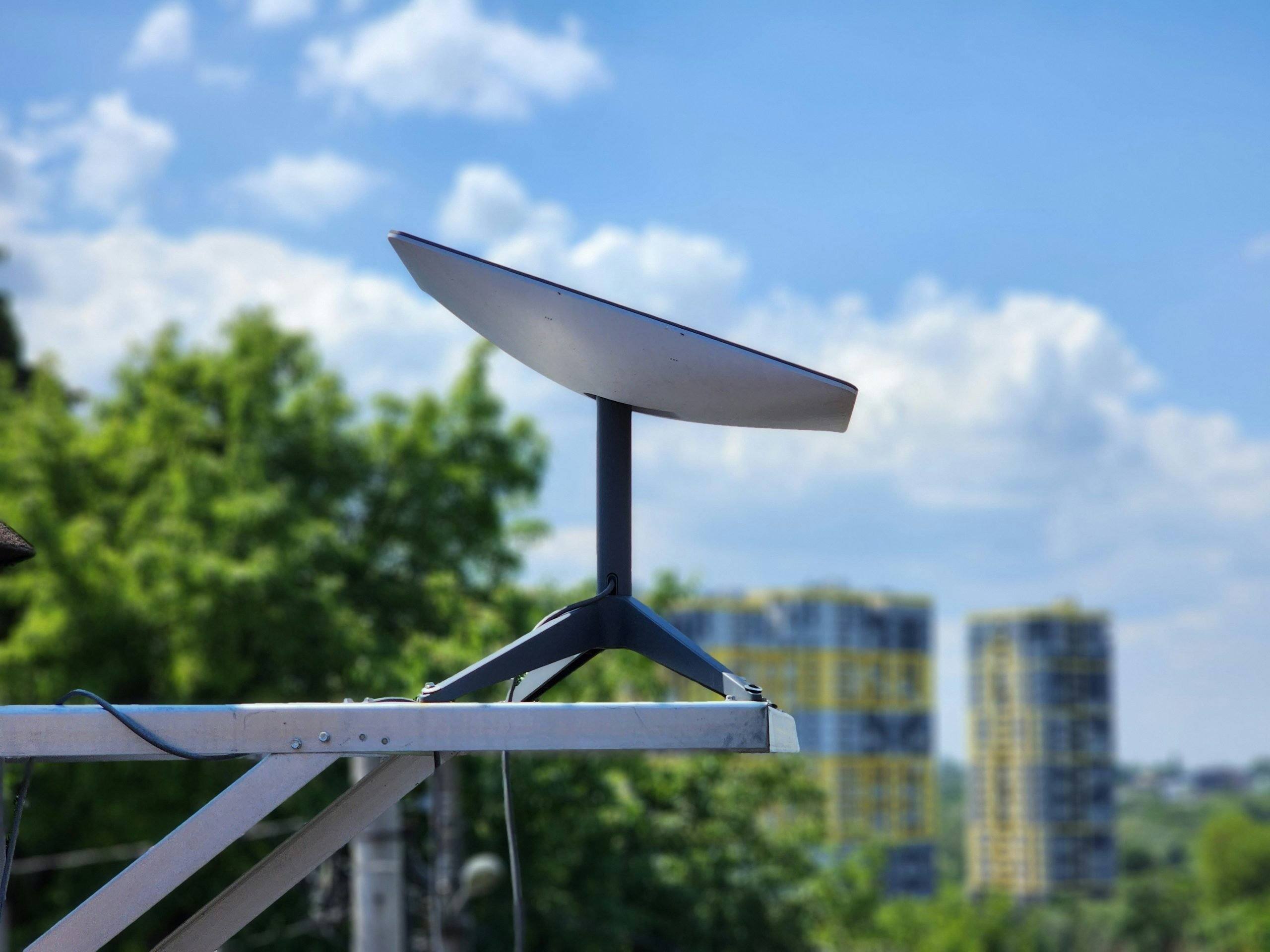
Direct-to-cell technology allows ordinary smartphones to connect directly to satellites when no terrestrial signal is available, without requiring a new phone or antenna installation. The phone treats the satellite as a "cell tower in space." Globe Telecom's service initially supports Android LTE devices with a valid Globe SIM card, and users will not incur roaming charges when connecting to the Starlink network.
With over 7,000 islands, a dispersed geography, and frequent typhoons and earthquakes, continuous mobile coverage has long been a challenge in the Philippines. Globe Telecom is extending the service to approximately 4% of the population still outside terrestrial network coverage. Following a magnitude 7.8 earthquake in South Cotabato province and other areas in June this year, the technology provided emergency communication support to over 150,000 users. Globe Telecom President and CEO Carl Cruz stated that the commercial launch allows operators to extend coverage to areas unreachable by traditional cell towers.
Ten days before Globe Telecom received approval, Chinese low-Earth orbit satellite operator Shanghai Spacesail completed its first direct-to-cell voice call using an unmodified commercial smartphone, with voice quality reportedly comparable to terrestrial 5G networks. Unlike solutions relying on the high-orbit Tiantong-1 satellite, the low-Earth orbit constellation provides stronger signals, representing China's domestic counterpart to Starlink.
The scale gap remains significant. As of March 2026, Starlink had approximately 9,600 satellites in orbit, covering 10.3 million broadband users across 164 countries and regions in the first quarter. In contrast, the Spacesail constellation has about 162 satellites in orbit. However, Chinese manufacturers are catching up quickly, and for Asian governments concerned about relying on a single supplier for emergency communications, the emergence of a second reliable provider will reshape the negotiation landscape.
Japanese operators have also followed suit. NTT Docomo plans to launch a direct-to-cell satellite service requiring no special equipment in early fiscal 2026. Rakuten plans to launch satellites in collaboration with AST SpaceMobile by the end of 2026. Regarding the service's profitability, Juniper Research analysts predict it will remain a niche market in the short term. However, industry insiders believe operators can achieve a commercial closed loop by enhancing subscription stickiness. As Indonesia, Malaysia, and other countries show interest, the satellites are already overhead. This week's change is that one regulator has approved it, one operator has launched the service, and the coverage gap in the region has officially become a market.
Related Products


Industrial and Commercial Point-Type Gas Detector
Jinan Benan Technology Development Co., Ltd.
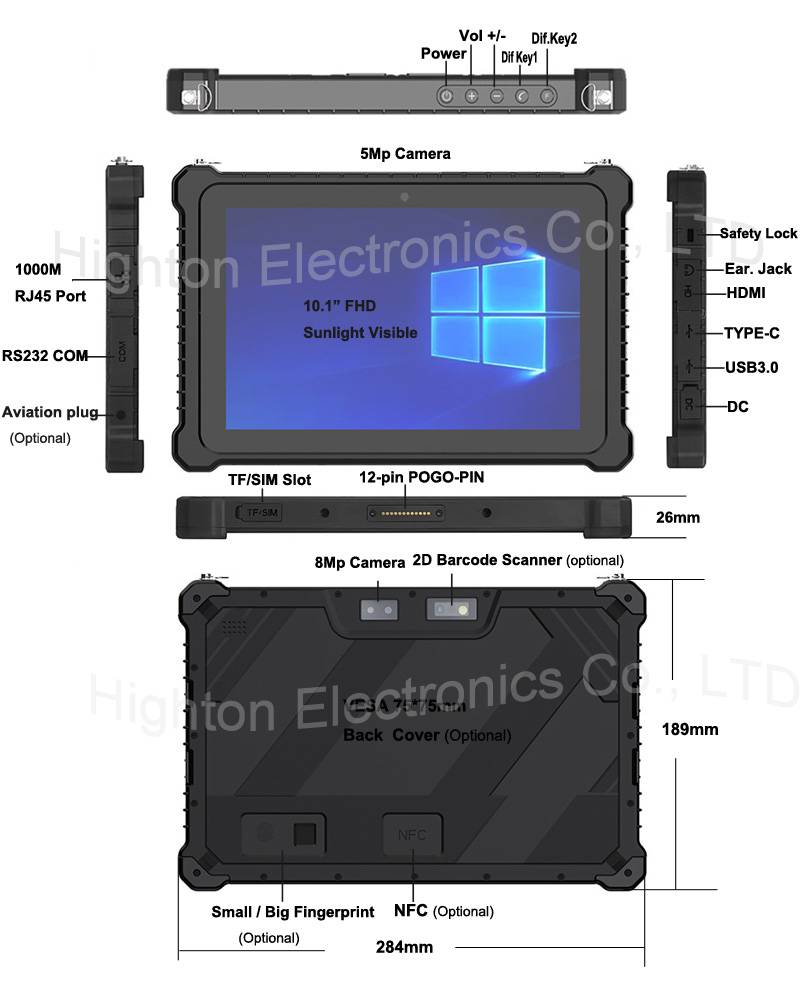
Hot Selling 10 Inch Intel N5100 I5 I7 FHD 8 +128GB 16+256GB Win10 Pro Win11 Pro 4G 5G Rugged Tablet PC Pad with NFC Barcode
Highton Electronics Co., Ltd.
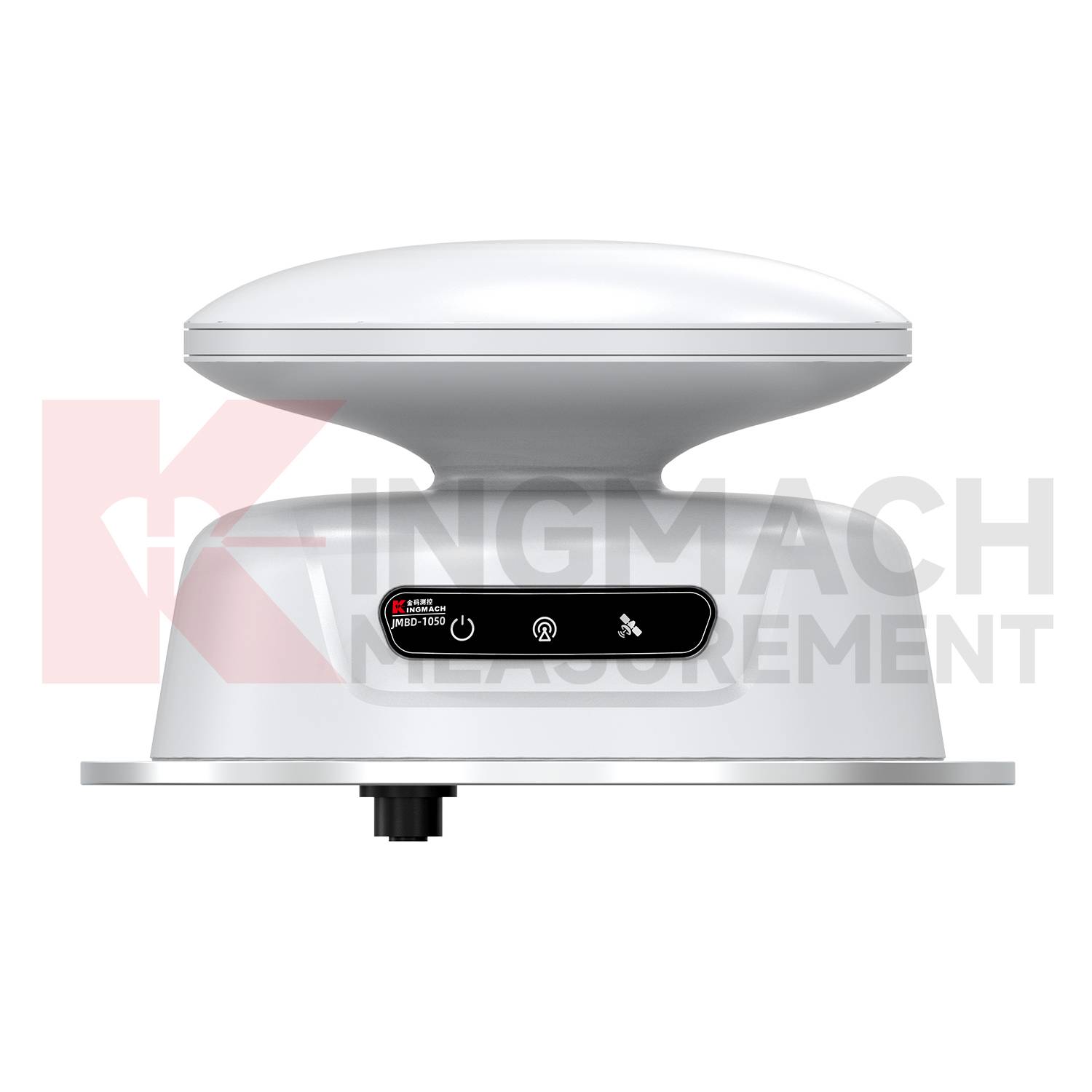

Multi-function Marine Monitoring Low-altitude Detection Radar Sea-air Boundary Ocean Dynamic Environment Measurement
Chengdu Dixin Technology Co., Ltd.