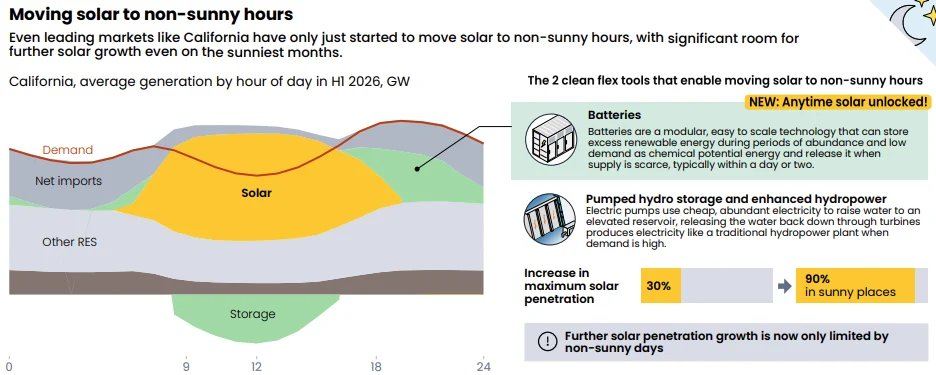
India's SECI Completes Tender for 1.2GW Solar with 3.6GWh Energy Storage
en.Wedoany.com Reported - India is accelerating its clean energy strategy through hybrid renewable energy projects combining solar photovoltaic (PV) with energy storage. According to analysis by GlobalData, a leading intelligence and productivity platform, as utility tenders increasingly bundle power generation with battery storage, the period from 2027 to 2030 will mark a significant transition in project design and investment flows.
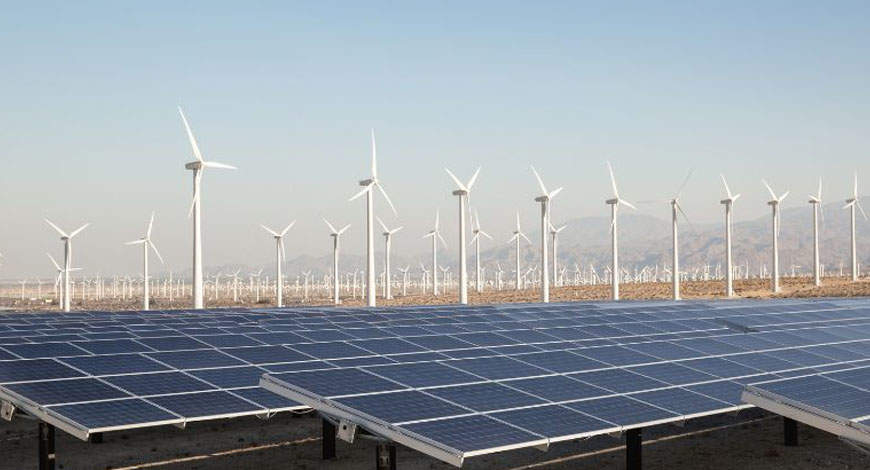
In its latest report, "India Power Market Trends and Analysis by Capacity, Generation, Transmission, Distribution, Regulations, Key Players and Forecast to 2035," GlobalData states that the number of solar-plus-storage tenders has risen sharply, with the hybrid energy model entering the mainstream. This model offers utilities and consumers more predictable dispatch and value, particularly in scenarios where peak solar generation during midday meets evening electricity demand.
Attaurrahman Ojindaram Saibasan, Power Analyst at GlobalData, commented that hybrid energy in India is no longer in the experimental phase but has become a mainstream direction. Solar-plus-battery tenders are not only growing in scale but also reducing revenue risks, enhancing grid flexibility, and helping to avoid large-scale curtailment. To sustain this momentum, improvements are still needed in auction design, grid readiness, and regulatory certainty.
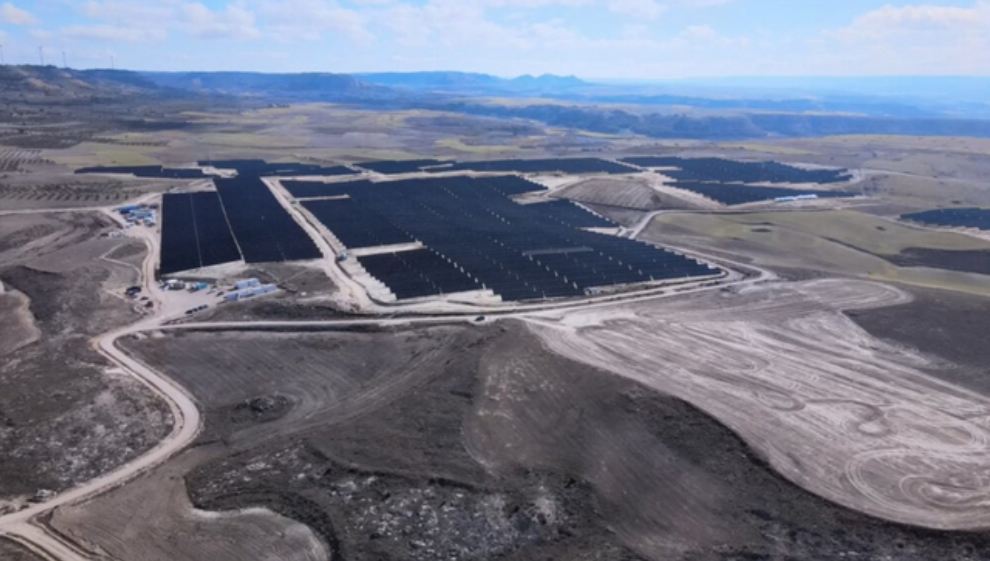
In January 2026, the Solar Energy Corporation of India (SECI) completed a major tender to deploy 1.2 GW of solar power plants along with a total of 3.6 GWh of battery energy storage systems, all operating under long-term power purchase agreements. This is considered one of the largest hybrid energy procurement efforts in the country to date.
Saibasan noted that developers are closely monitoring key negotiation points such as auction rules, storage compensation, grid interconnection, and battery performance guarantees. Projects that can effectively manage these risks are expected to achieve attractive economic returns.
Driven by industrial loads, cooling demand, and the promotion of electric vehicles, India's electricity demand is projected to rise from approximately 1,418 TWh in 2025 to nearly 1,945 TWh by 2030. Hybrid energy helps bridge the gap between variable renewable energy generation and peak load, especially in regions with limited transmission capacity or abundant solar resources but weak grid integration conditions.
Saibasan concluded that for hybrid energy developers, utilities, and financing institutions, now is the time to scale up. Hybrid energy auctions provide a pathway to combine clean generation, stability, and revenue consistency, but their success depends on India's ability to quickly address shortcomings in grid infrastructure, regulation, and execution quality.
Related Products
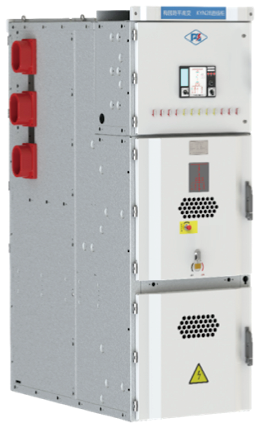


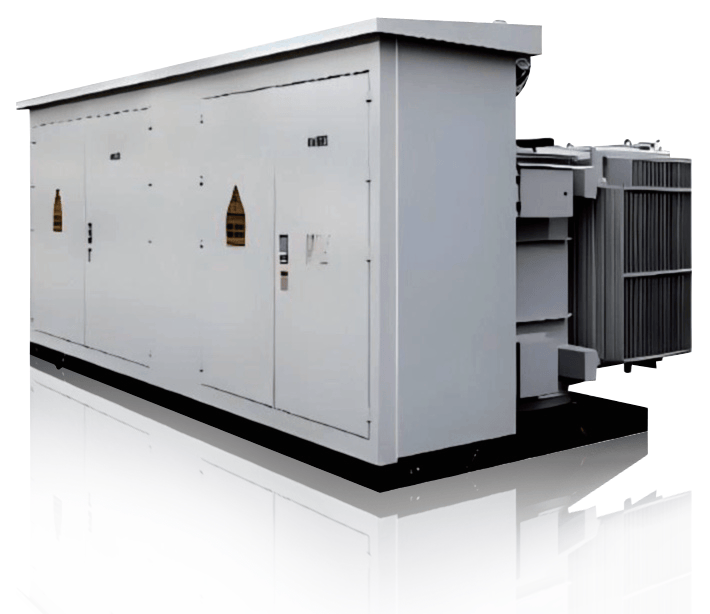
H-40.5/0.4~1.14kV New Energy Power Generation Dedicated High Voltage/Low Voltage Prefabricated Substation
XJ (Xiamen) Intelligent Power Equipment Co., Ltd.
Standard Nozzle Flowmeter
Jinggong Automatic Control Instrument Complete Technology Development Company
Industrial and Commercial Point-Type Gas Detector
Jinan Benan Technology Development Co., Ltd.
220kV Composite Outdoor Cable Terminal
Shenyang Guolian Cable Accessories Manufacture Co., Ltd.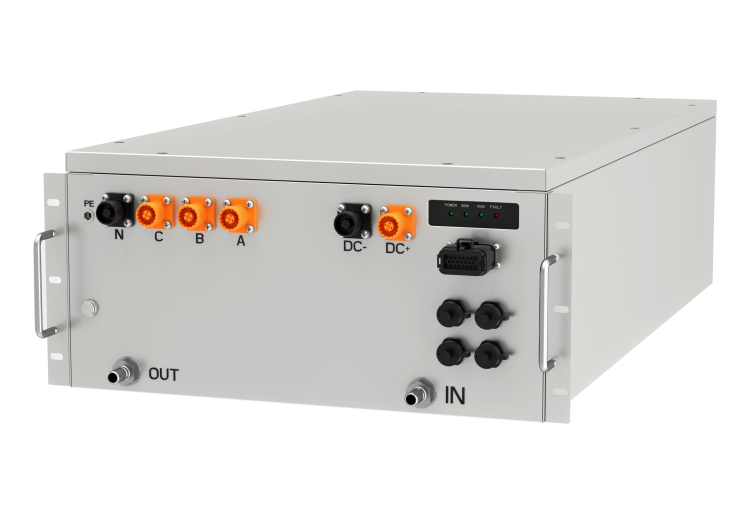
Mars (Liquid Cooling) Series Industrial and Commercial Energy Storage Converter High Protection Module
Shenzhen Winline Technology Co., Ltd.

Electromagnetic Fluid Seawater Floating Oil Separation and Recover Equipment
Huate Magnet Group Co., Ltd.