UK firm Celtic Renewables calls on chemical industry to move away from fossil fuels
en.Wedoany.com Reported - The turmoil in the Middle East is exposing another weak link in the fossil fuel supply system—chemicals. Scottish green chemicals company Celtic Renewables points out that instability around the Strait of Hormuz should prompt manufacturers to reassess their reliance on oil and gas, not only as energy but also as raw materials.
The company argues that current discussions are largely focused on energy price volatility, yet petrochemicals are equally central to global manufacturing. Chemicals derived from oil and gas are used as raw materials for solvents, plastics, pharmaceuticals, cosmetics, cleaning products, and other everyday items, making the chemical industry equally vulnerable to geopolitical events. Celtic Renewables states that since the latest crisis erupted, prices of fossil-derived chemicals have risen significantly, with butanol and acetone being notably affected. These costs are passed down the supply chain, ultimately pushing up consumer goods prices.
The company says that the current supply disruption, coming after the shock of Russia's invasion of Ukraine in 2022, should prompt the industry to reconsider whether "returning to normal" remains a sustainable goal. Before petrochemicals dominated, many industrial chemicals were produced through biological pathways.
Bettina Brierley, Chief Commercial Officer of Celtic Renewables, stated that the shift to fossil-derived chemicals occurred less than 80 years ago, in the 1950s, and before that, manufacturers using alternative raw materials was standard practice. Ending dependence on fossil fuels, whether for basic chemicals or energy, is not only necessary for reducing emissions and protecting the environment but also a way to enhance the UK's own chemical manufacturing capabilities and its economic resilience to unexpected external events.
At its biorefinery in Grangemouth, Celtic Renewables uses the ABE fermentation process to convert food and beverage waste—including whisky draff and discarded potatoes—into bio-acetone and bio-butanol. The company says that transitioning to bio-based chemicals can provide manufacturers with more resilient domestic supply chains, reduce reliance on long-distance fossil fuel imports, and support industrial capacity.
Related Products



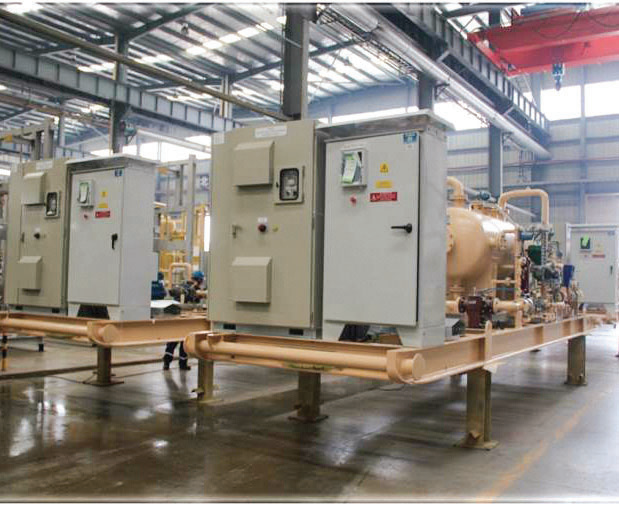


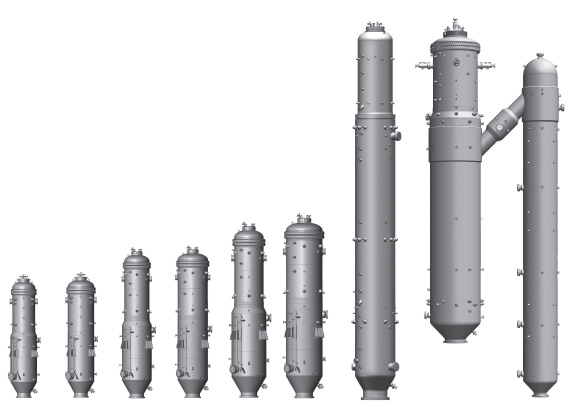
Gasification Furnace Series: Freely Combinable Aerospace Furnace
CHANGZHENG ENGLINEERING CO., LTD.


CAP1400 main feedwater flow nozzle flowmeter.
Jiangsu Hongda Instrument Technology Co., LTD.
New Environmentally Friendly Green Potassium Salt Collector
Chonfar Engineering and Technology Co., Ltd.