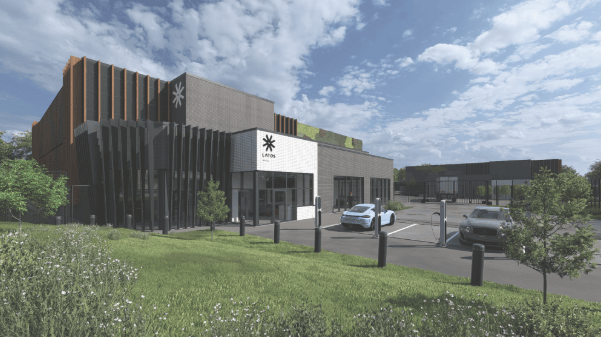
Lacroix's Digital Solution Helps Water Networks Reduce Losses and Carbon Emissions by 43%
en.Wedoany.com Reported - French company Lacroix, through a comprehensive digital solution for water networks, has achieved a 43% reduction in energy consumption, water loss, and carbon dioxide emissions in the Rennes Basin area. The solution developed by the company includes on-site sensors (connected sensors, Sofrel S4W data loggers) and a real-time monitoring platform (industrial IoT platform LX Connect, monitoring interface LX Scada), which can be deployed on a large scale to reduce network losses and conserve water resources. Since 2000, the frequency and duration of global drought events have increased by 29% (according to a 2023 United Nations report), and the heatwave at the end of June 2026 once again highlighted this trend. In France, approximately 20% of drinking water is lost due to leaks before reaching consumers' taps across nearly 1 million kilometers of pipeline networks.
Lacroix CEO Vincent Bedouin stated that the company's in-depth understanding of water market operational issues and on-site constraints is its advantage. The quality of service, the durability of solutions, and increasingly automated cybersecurity protection make the Environment business a trusted partner in key infrastructure sectors.
To quantify the "value chain" benefits, the company used the case of the local public water utility in the Rennes Basin (SPL Eau du bassin rennais). The utility deployed comprehensive remote monitoring and management of the drinking water network in the Rennes Basin area (population 450,000). Data shows a 43% reduction in all three indicators: energy consumption, water loss, and carbon dioxide emissions. Compared to networks without remote management, this saves €270,000 annually. When pump operating hours are reduced due to fewer leaks, electricity consumption and carbon dioxide emissions correspondingly decrease, demonstrating that digitalization is not only a tool for technical performance but also a lever for ecological transformation.
Related Products

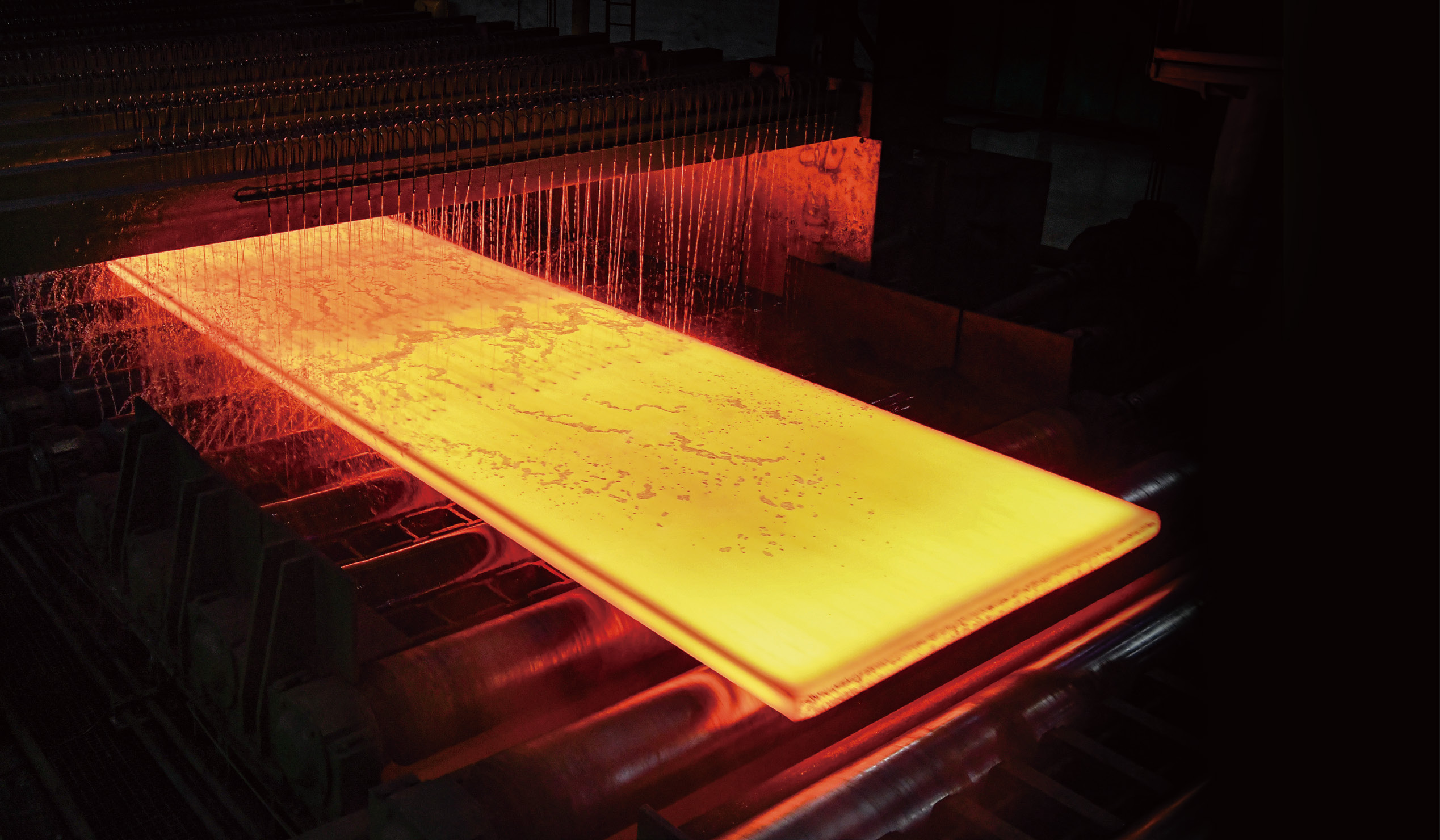
Ultra-Pure Ferrite Stainless Steel Products
Gansu JISCO Group Hongxing Iron and Steel Co., Ltd.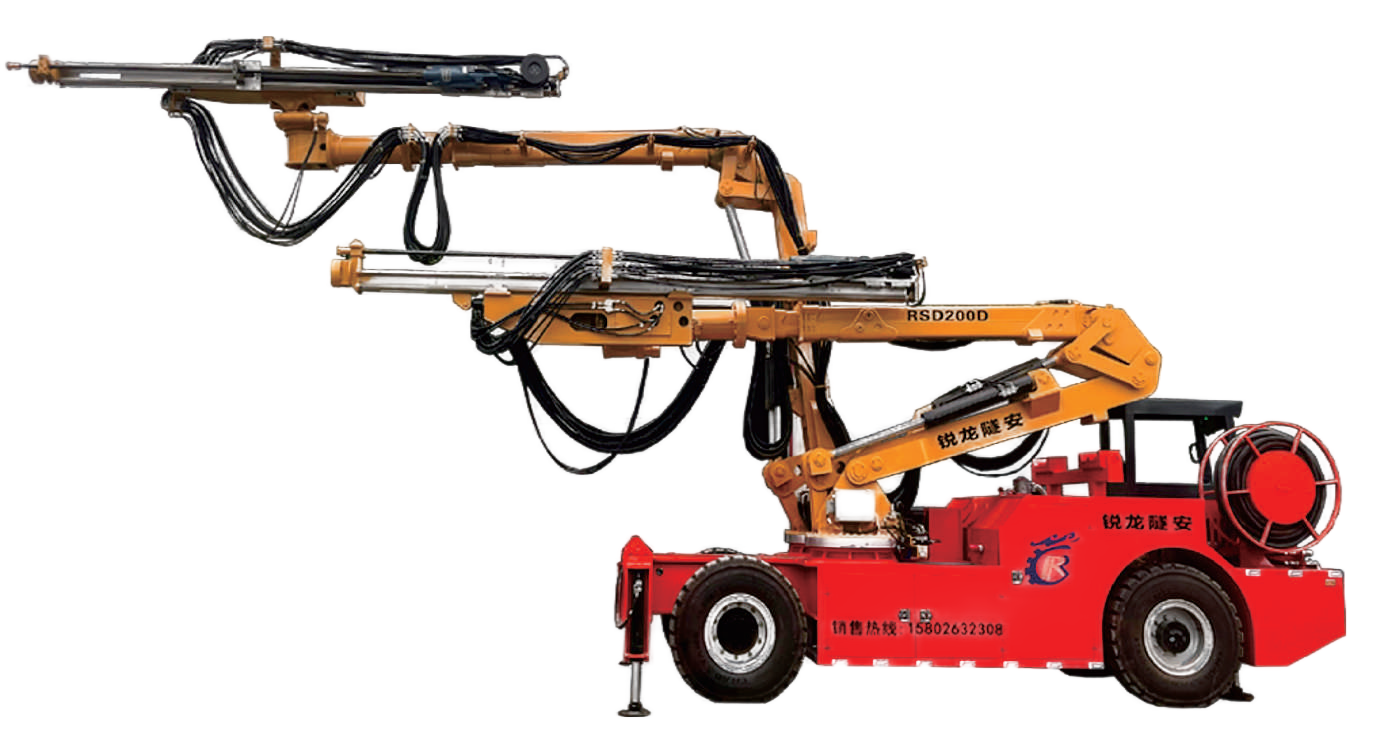
Dual-curved Arm Rock Drilling Trolley RSD200D
Chengdu Ruilong Machinery Manufacturing Co., Ltd.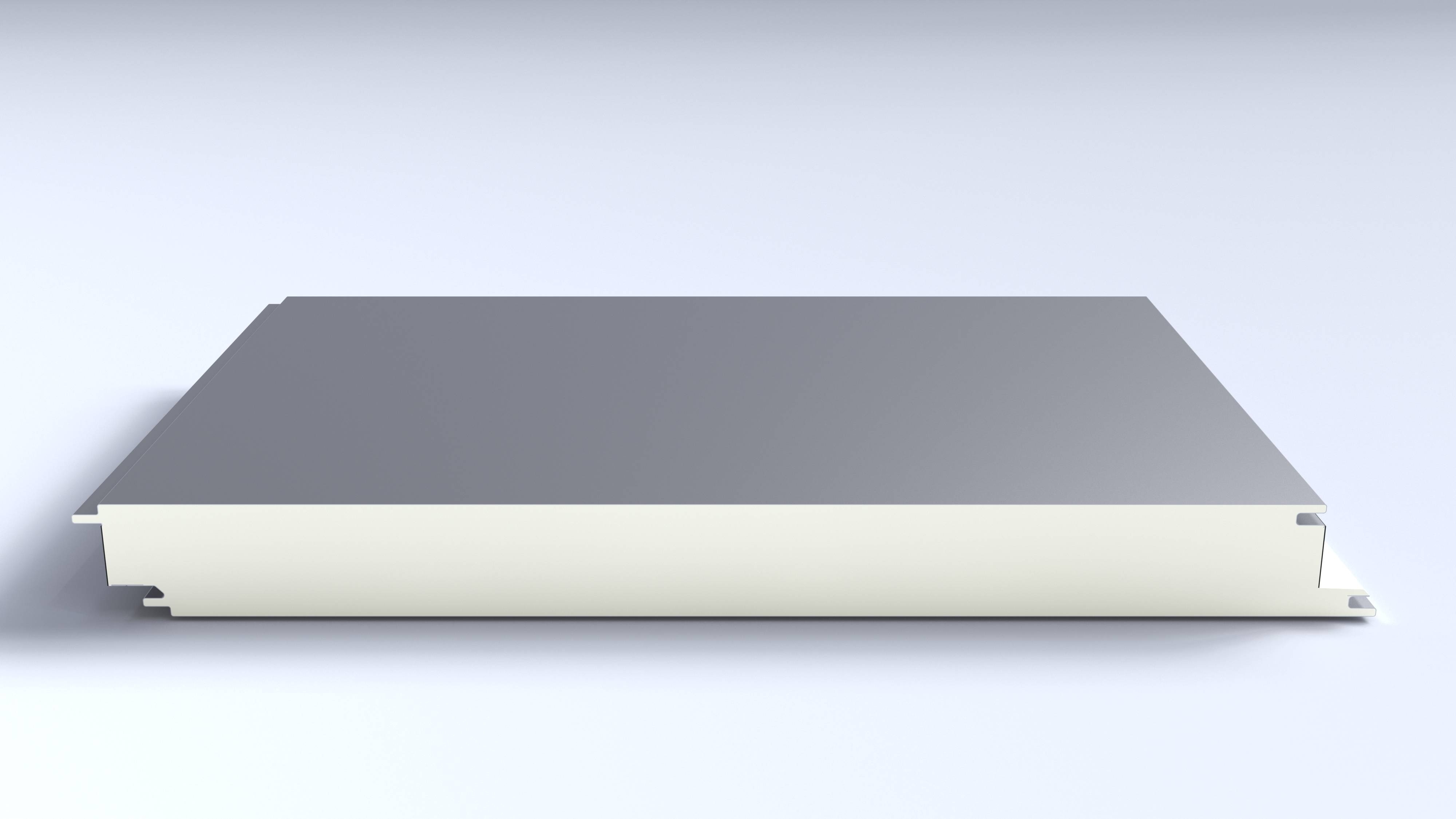
Pure Polyurethane Wall Panel BD-AEF-PIR-01
Baodu International Engineering Technology Co., Ltd.

Acoustic Mineral Fiber Ceiling Tile 595x595x12mm
Shanxi Pano Trading Co., Ltd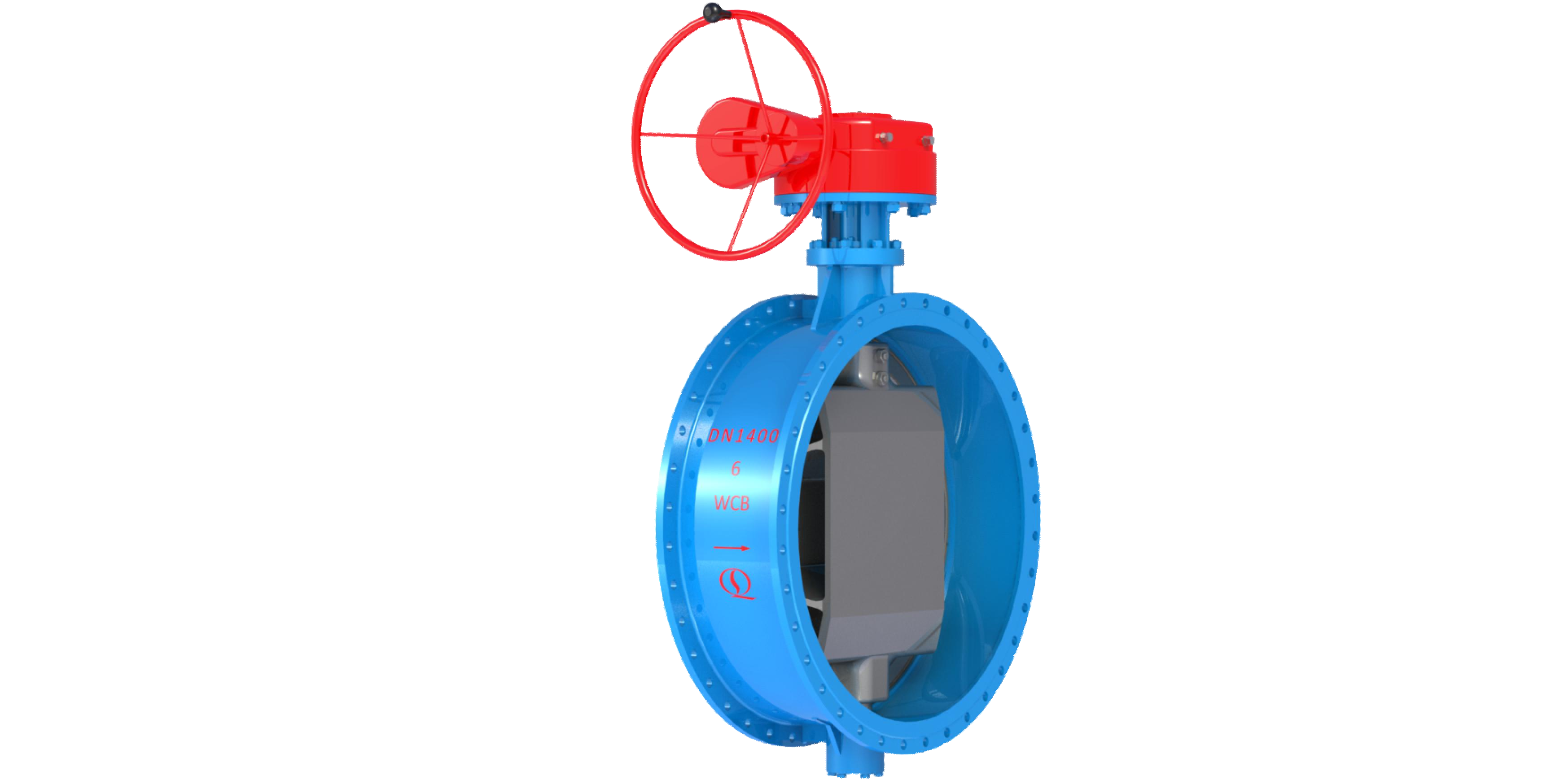
Bidirectional Metal Hard Sealed Seawater Butterfly Valve
Henan Quanshun Flow Control Science & Technology Co., Ltd.
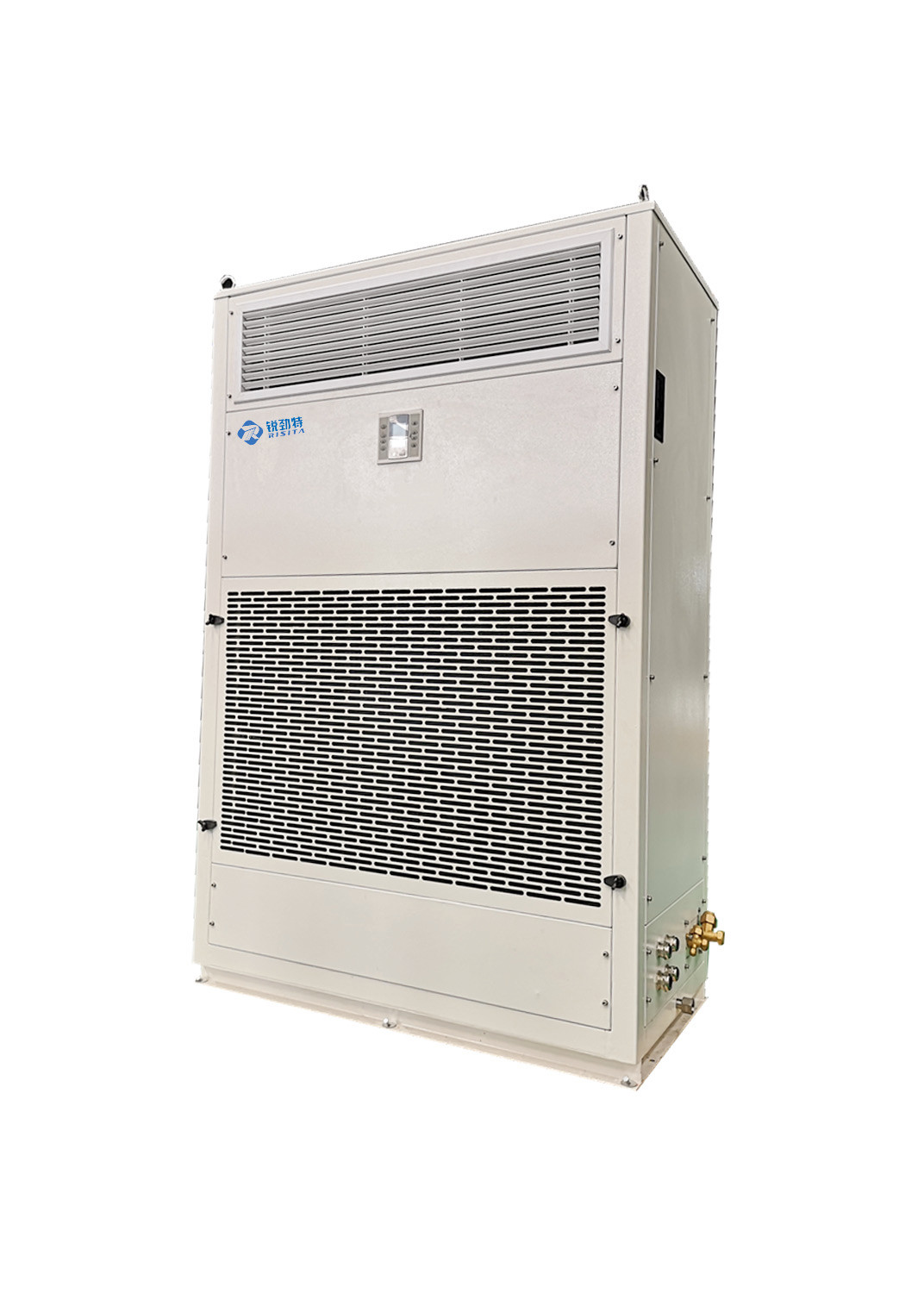
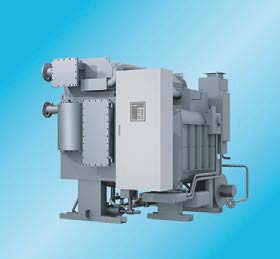
RISITA explosion-proof air conditioning
Guangdong RISITA Air Conditioning Equipment Co.,Ltd.