Six Latin American winners of the Peruvian Mining Innovation Center complete exchange agenda in Germany
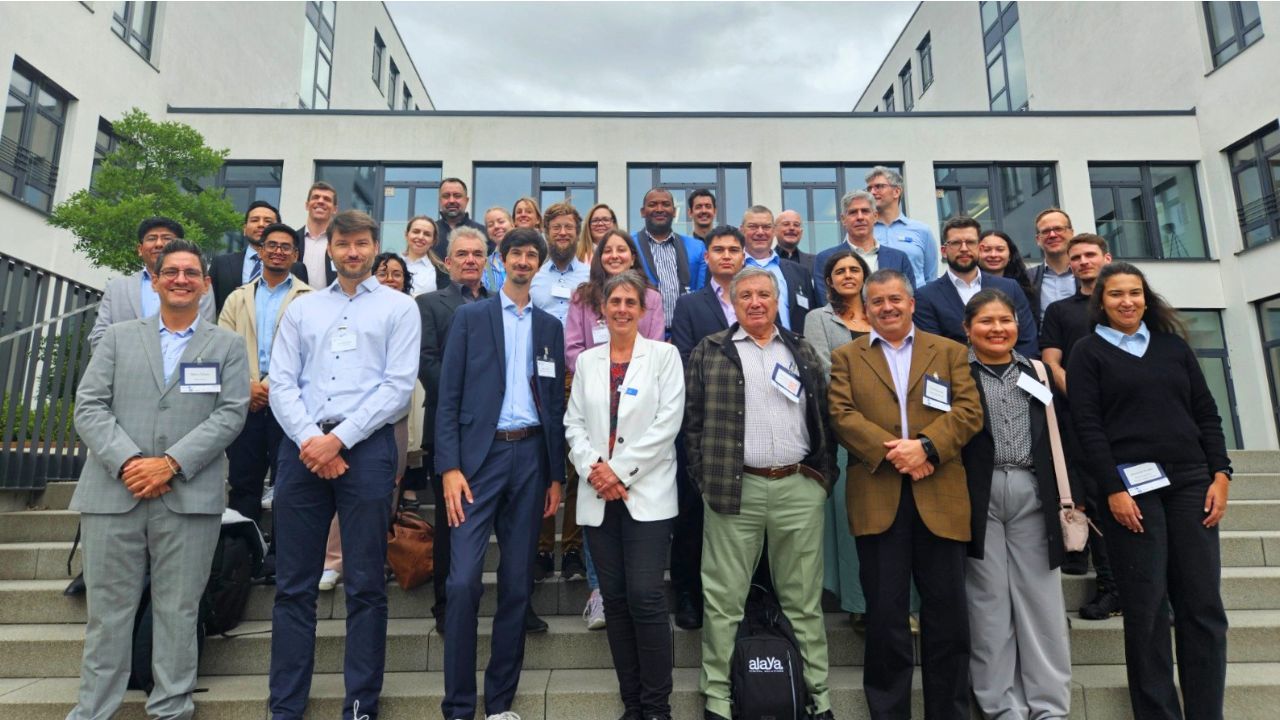
en.Wedoany.com Reported - The six winners of the Latin American and Caribbean Mining Innovation Award from the "Innovaciones que Despegan" program, organized by PERUMIN Hub, have completed an immersive exchange agenda in Germany called the "MinJust Delegation," aimed at helping innovators from the region connect with companies, research institutions, and professional platforms.
Latin America is increasingly developing technologies to address specific challenges in mining productivity, operational efficiency, and sustainability. However, many innovations face a common hurdle: how to move beyond the local ecosystem, develop the necessary capabilities and networks, enter international markets, validate solutions there, establish strategic alliances, and accelerate growth. This delegation is part of the MinJust project funded by the German Federal Ministry for Economic Cooperation and Development (BMZ) and the European Union, implemented by the German Agency for International Cooperation (GIZ) and the Economic Commission for Latin America and the Caribbean (CEPAL), and organized by the German Chamber of Commerce in Chile (AHK Chile). Representatives from the governments of Brazil and Chile, as well as from the German Chambers of Commerce (AHK) in Peru and Chile, also participated in the event.
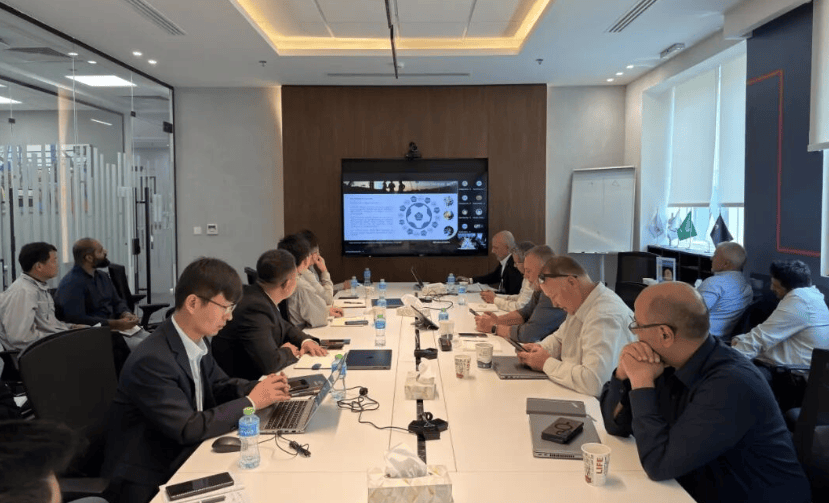
PERUMIN Hub, an open innovation program hosted by the Peruvian Institute of Mining Engineers (IIMP) and the Peruvian Mining Innovation Center (Hub), brought together companies such as NanoInventa, GeoLith AI, Alaya, Antara, Tech Innovation, and Jebi. These solutions took part in an agenda designed to strengthen their internationalization process through technical, commercial, and academic activities. Over the course of a week, the innovators visited companies like SAP, Huber Technology, and MAN Truck & Bus to learn about technologies applied in different production areas and exchange experiences in innovation and technological transformation. They also met with German research, industry, and innovation institutions such as the Helmholtz Institute Freiberg for Resource Technology, TU Bergakademie Freiberg, and Bayern Innovativ, to understand collaboration models between the production sector, academia, and technology centers.
Pía Torres, a representative of the Hub, stated that technology internationalization is not a solitary endeavor; it requires building alliances with global players to test solutions for new challenges. Fostering connections between innovators in the region and international networks helps build the knowledge and cooperation bridges essential for their global development. The agenda concluded with participation in the Mining Forum 2026, organized by DMT in Berlin. At the forum, the winners presented their technologies to industry leaders, experts, and potential strategic partners. This platform allowed Latin American-developed solutions to reach an international audience related to mining operations, technology suppliers, applied research, and the development of new solutions for the industry. This experience highlighted the importance of establishing mechanisms to connect Latin American mining innovation with major global innovation ecosystems. In a context where mining faces increasingly stringent sustainability standards and global impacts, having international platforms to validate technologies, absorb best practices, and build strategic alliances is crucial for accelerating their promotion, adoption, and scaling.
Related Products
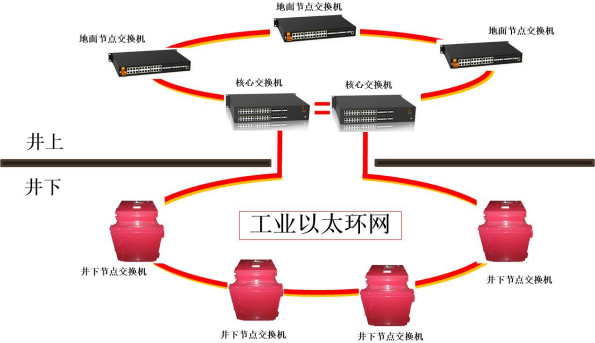

Mine Explosion-proof and Intrinsically Safe Industrial Ethernet Ring Network (10 Gigabit/Gigabit)
Chongqing Mas Sci&Tech Co., Ltd.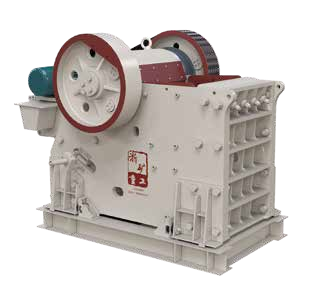
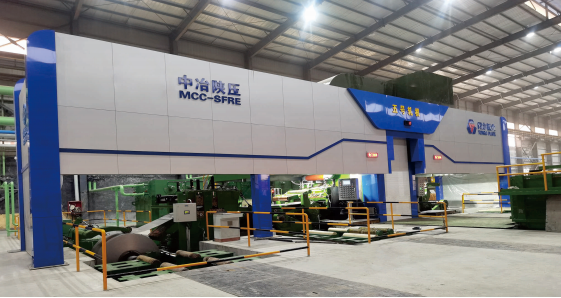
1050-1750mm Steel Strip Single-stand Reversible Cold Rolling Production Line
MCC-SFRE HEAVY INDUSTRY EQUIPMENT CO., LTD.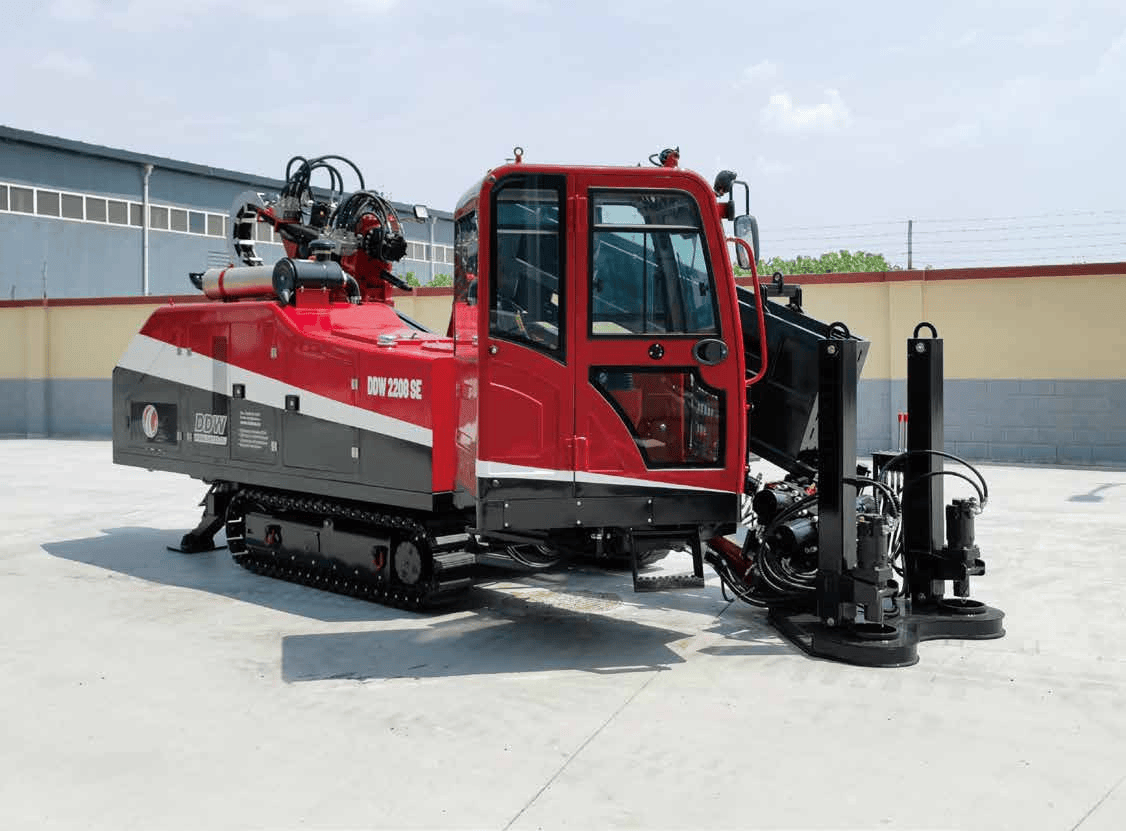
DDW22/08SE-HORIZONTAL DIRECTIONAL DRILL
DW/TXS Construction Equipment (Beijing) Co., Ltd.


Integrated Excavation and Anchoring Machine (EJM Series)
China Railway Construction Heavy Industry Corporation Limited
Industrial and Commercial Point-Type Gas Detector
Jinan Benan Technology Development Co., Ltd.