Germany's Weser-Ems-Bus Deploys Mobile Hydrogen Refueling Station to Support Six Hydrogen Buses
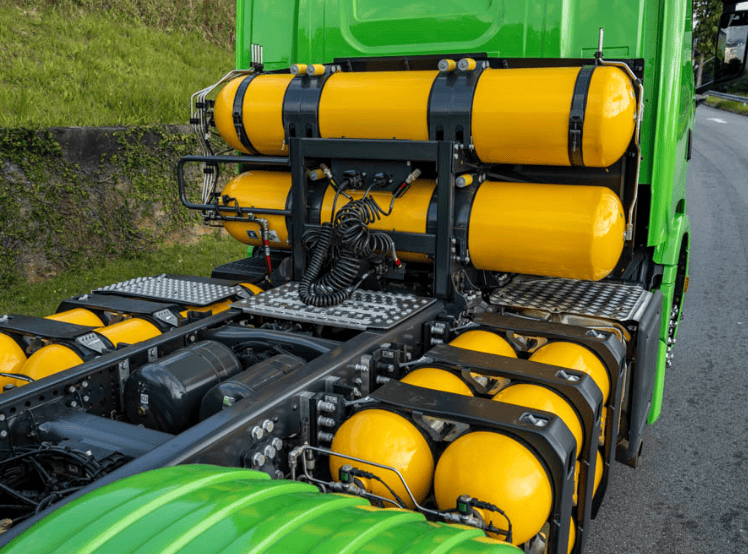
en.Wedoany.com Reported - Weser-Ems-Bus has launched a mobile hydrogen refueling station in Jever, Lower Saxony, ensuring its hydrogen bus fleet can begin operations before a permanent station is built. The company has deployed six fuel cell buses in the area for regular public transport services.
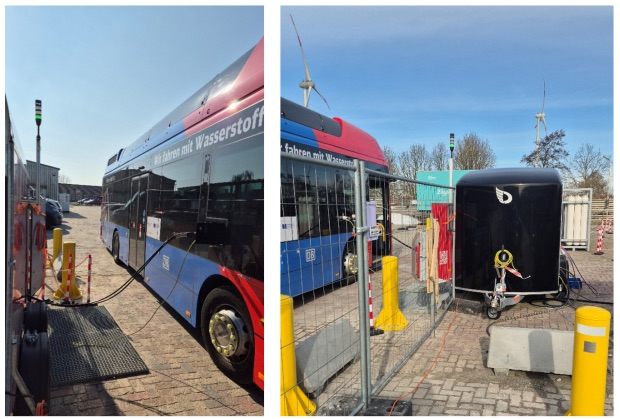
When local authorities transition fleets to hydrogen transport, synchronizing the deployment timelines for vehicles, refueling infrastructure, and related equipment can be challenging. Mobile refueling stations offer an immediate solution during this phase. In December 2025, DB Regio AG subsidiary Weser-Ems-Bus advanced the project in collaboration with the Friesland district, which oversees public transport.
Before the permanent hydrogen station is completed, Weser-Ems-Bus established partnerships with the independent research institute Technologie-Transfer-Zentrum Bremerhaven (ttz Bremerhaven), refueling station operator MoviaTec, and green hydrogen producer and supplier Lhyfe. ttz Bremerhaven provides its own mobile refueling station and scientifically monitors bus operations, collecting operational data and insights into daily performance. MoviaTec operates the entire refueling station at the Jever depot, including preparing explosion-proof documentation, coordinating regular visual and operational inspections, and supporting commissioning and troubleshooting of technical issues. Lhyfe supplies RFNBO-certified green hydrogen, meeting the EU's highest sustainability requirements; the company has four certified production sites, a fleet of over 80 Type IV hydrogen containers, and approximately 15 storage locations.
The mobile refueling station operates at 350 bar, a common pressure level for hydrogen buses and commercial vehicles. Before deployment, the team simulated various refueling scenarios based on expected hydrogen demand, and these are now being validated under real-world conditions. Actual refueling operations show faster refueling speeds than initially simulated, with the station meeting and in some cases exceeding expectations. The project demonstrates that vehicle deployment and infrastructure commissioning do not need to follow the same timeline, offering a practical approach to accelerating the transition to zero-emission public transport.
The next steps focus on optimizing refueling operations and analyzing vehicle energy consumption data until the permanent hydrogen station at the JadeWeserPark industrial area in Schortens becomes operational later in 2026. Daniel Marx, Managing Director of Weser-Ems-Bus, stated that with funding from the Federal Ministry of Transport, approximately 10% of DB Regio Bus Nord's fleet now operates with zero emissions (mostly battery-electric). Through collaboration with the Friesland district, the company has tested hydrogen transport applications and gained experience. Günther Schumacher, Project Manager at ttz Bremerhaven, noted that based on previous project experience, the team analyzed routes and operator needs to develop an on-demand refueling plan, and the station has exceeded expectations in daily operations. Frank Rößler, Managing Director of MoviaTec, said the project shows that when infrastructure, supply, and operations are closely coordinated, hydrogen transport can be implemented quickly and reliably. Pascal Louvet, Sales Director for Lhyfe Germany, stated that Europe's hydrogen transport ecosystem is maturing, and mobile refueling stations are an efficient solution adapted to real-world conditions.
Related Products




Wheel and Track Technology Business
Beijing Research & Design Institute of Rubber Industry Co., Ltd.


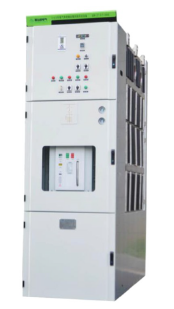
GSR6-27.5kV SF6 Free Gas-insulated Metal-enclosed Switchgear
Zhejiang Juhonkia Intelligent Electric Co., Ltd.

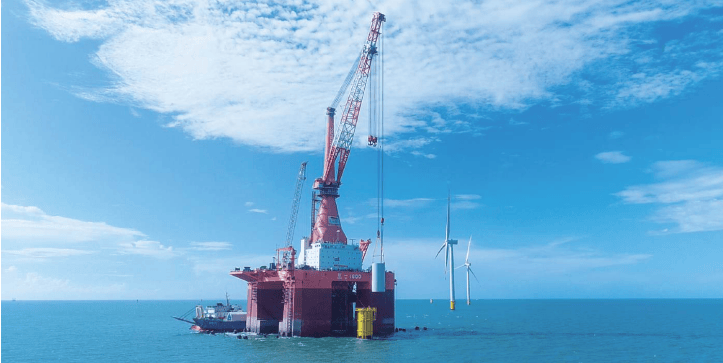
"Shunyi 1600" Deep-submerging Bottom-sitting Multi-functional Wind Power Engineering Vessel
Zhengli Offshore Engineering Co., Ltd.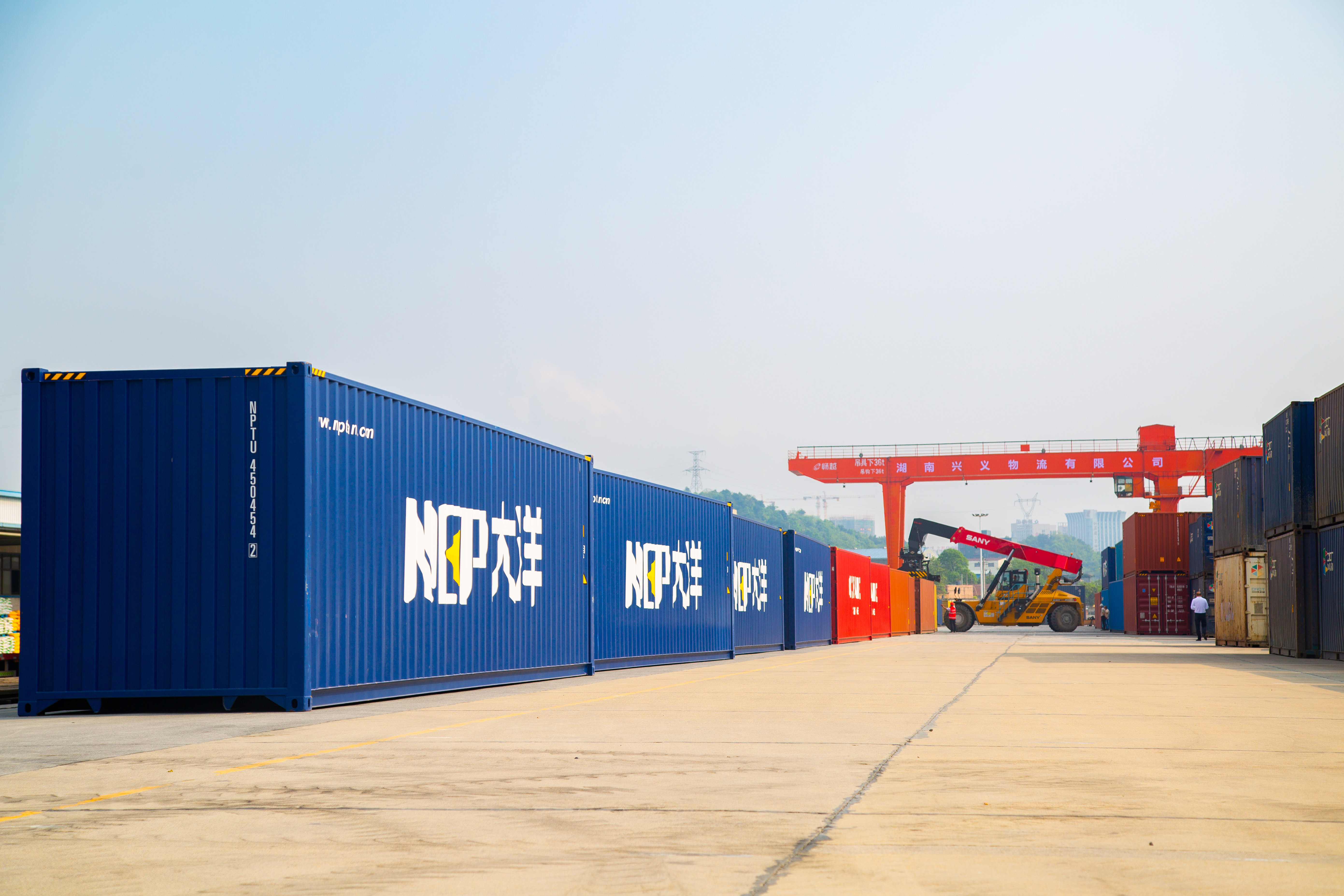
China - Alashankou/Khorgos - Europe Full Range Transportation (Mala/Hamburg/Duisburg/Budapest, etc.)
Shenzhen Neptune Logistics Co., Ltd.