China's Unitree Robotics Co-founder Chen Li Says Core Components Fully Self-Developed, Quadruped Robots Hold 70% Market Share
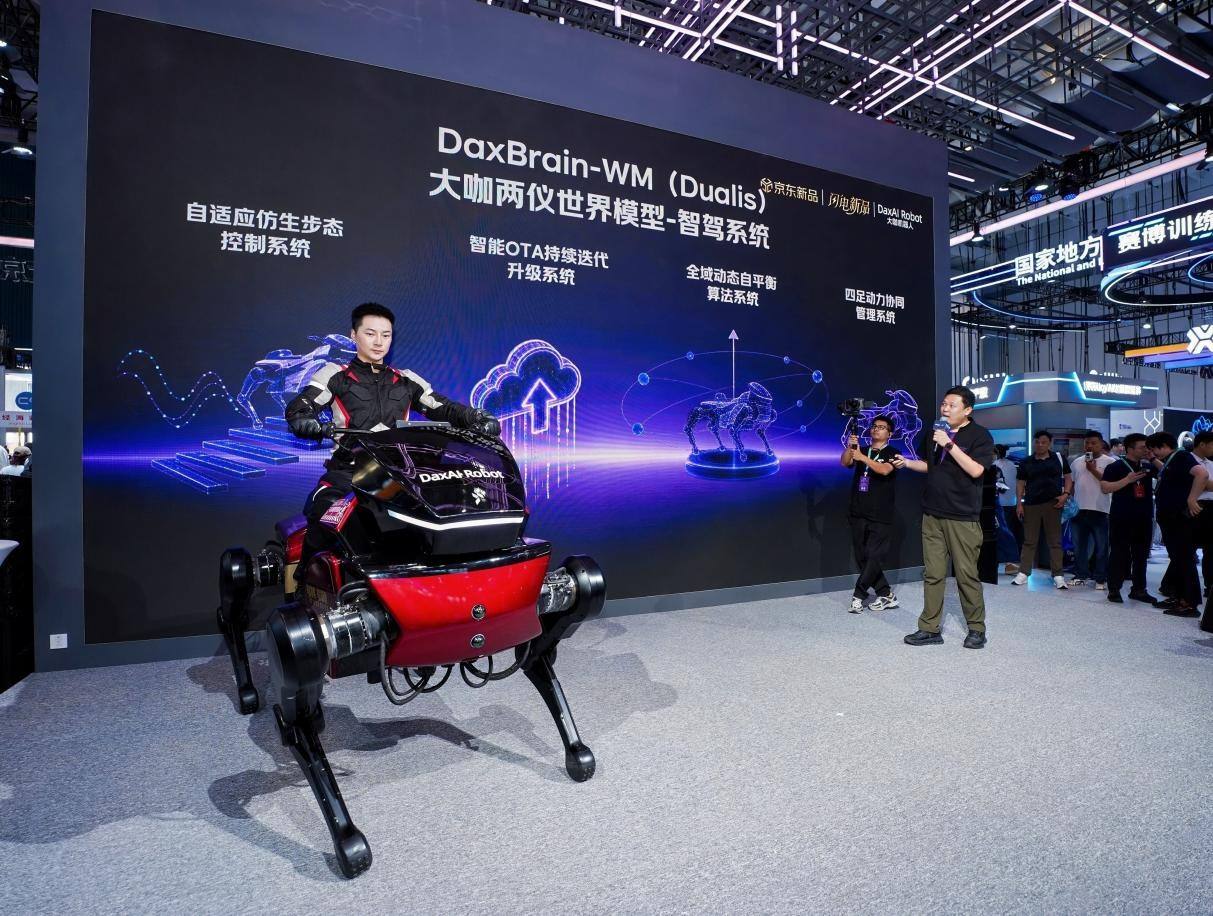
en.Wedoany.com Reported - Chen Li, co-founder of China's Unitree Robotics, stated at the 2026 Yabuli Forum Innovation Annual Conference held in Shanghai from July 3 to 4, 2026, that the company's core components have been independently developed and produced, with the underlying technical architecture fully integrated, forming the capability to self-develop and produce a full range of products including quadruped robots, humanoid robots, robotic arms, pumps, and dexterous hands. Currently, Unitree Robotics' quadruped robot shipments account for approximately 70% of the industry, while its humanoid robot shipments lead globally, with business coverage spanning over 50% of countries and regions worldwide.
In his speech, Chen Li clarified external misunderstandings regarding the reliance on external procurement for joint motors. He stated: "Many people think our joint motors depend on external procurement, but in reality, our upstream only includes raw material suppliers such as copper wire and magnets, making it completely self-controlled." Since 2013, Unitree Robotics has been conducting self-development of core components, covering motors, reducers, encoders, and various sensors. Due to this full core self-development, the company's products maintain a high level of cost-effectiveness, reliability, stability, and consistency. The company also continues self-development in areas such as robot control, perception, navigation, and AI algorithms, having filed multiple patents to date.
In terms of market performance, according to data from industry research institutions, Unitree Robotics' actual humanoid robot shipments exceeded 5,500 units in 2025, ranking first globally. The company's target for 2026 is 10,000 to 20,000 units. For quadruped robots, the company's cumulative sales have surpassed 30,000 units, with shipments firmly ranking first globally. On June 24, 2026, Unitree Robotics announced a price reduction for its bipedal humanoid robot, the Unitree R1 series, starting from 29,900 yuan, with immediate availability for spot delivery.
Chen Li also pointed out that the core reason robots have not yet been widely deployed is the immaturity of embodied intelligence large models. He proposed that the "ChatGPT moment" for embodied intelligence is marked by "two 80%"—in 80% of unfamiliar scenarios, robots can successfully complete approximately 80% of tasks through voice or text commands. He predicted that over the next four years, embodied intelligent robots will lead a new wave of consumer trends.
Related Products

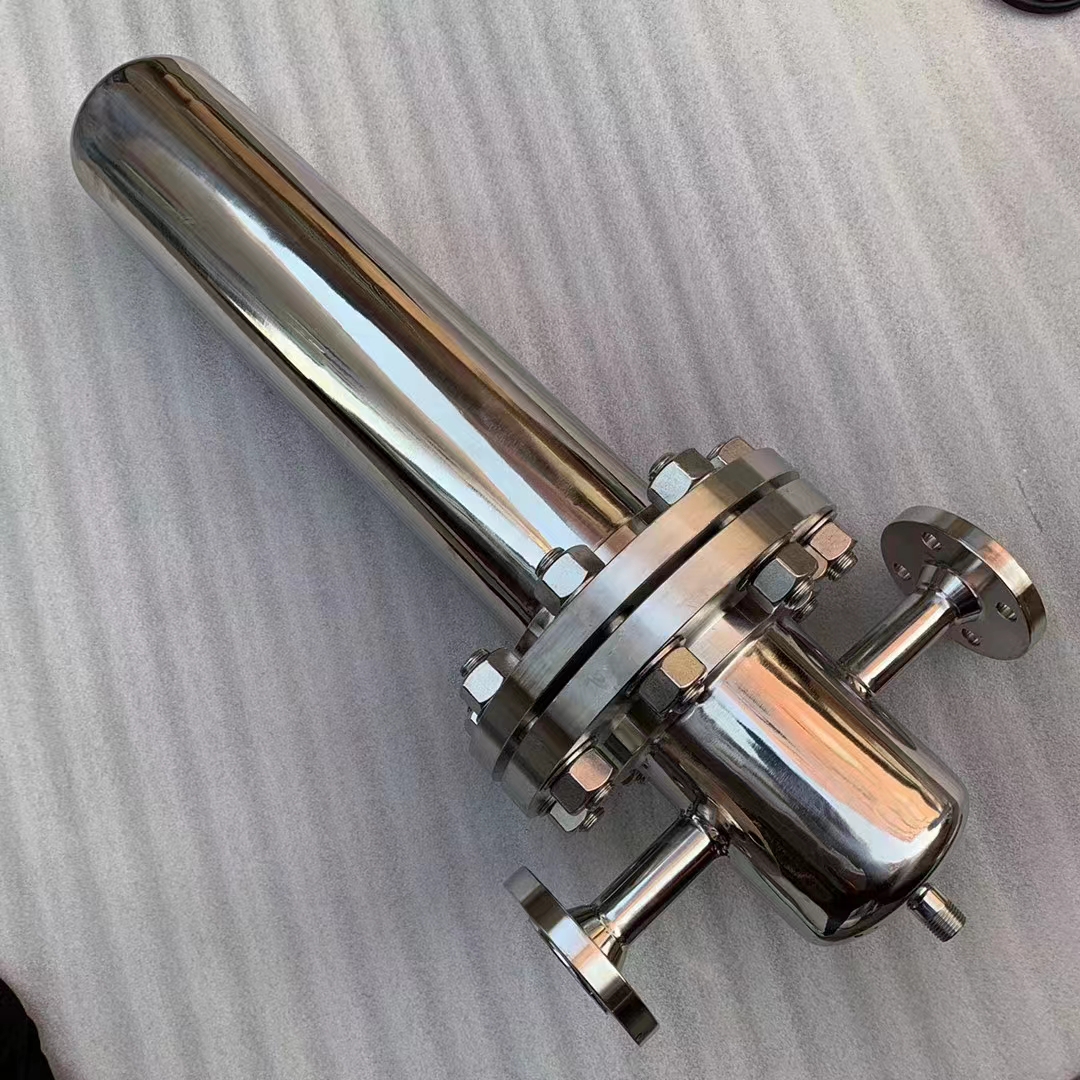
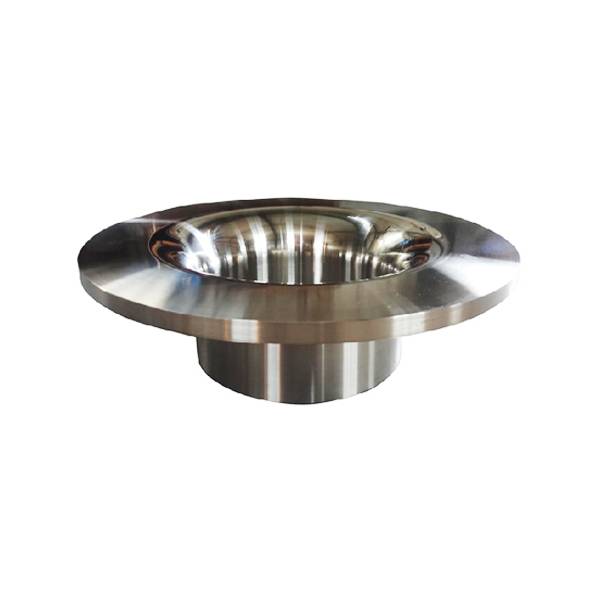
Standard Nozzle Flowmeter
Jinggong Automatic Control Instrument Complete Technology Development Company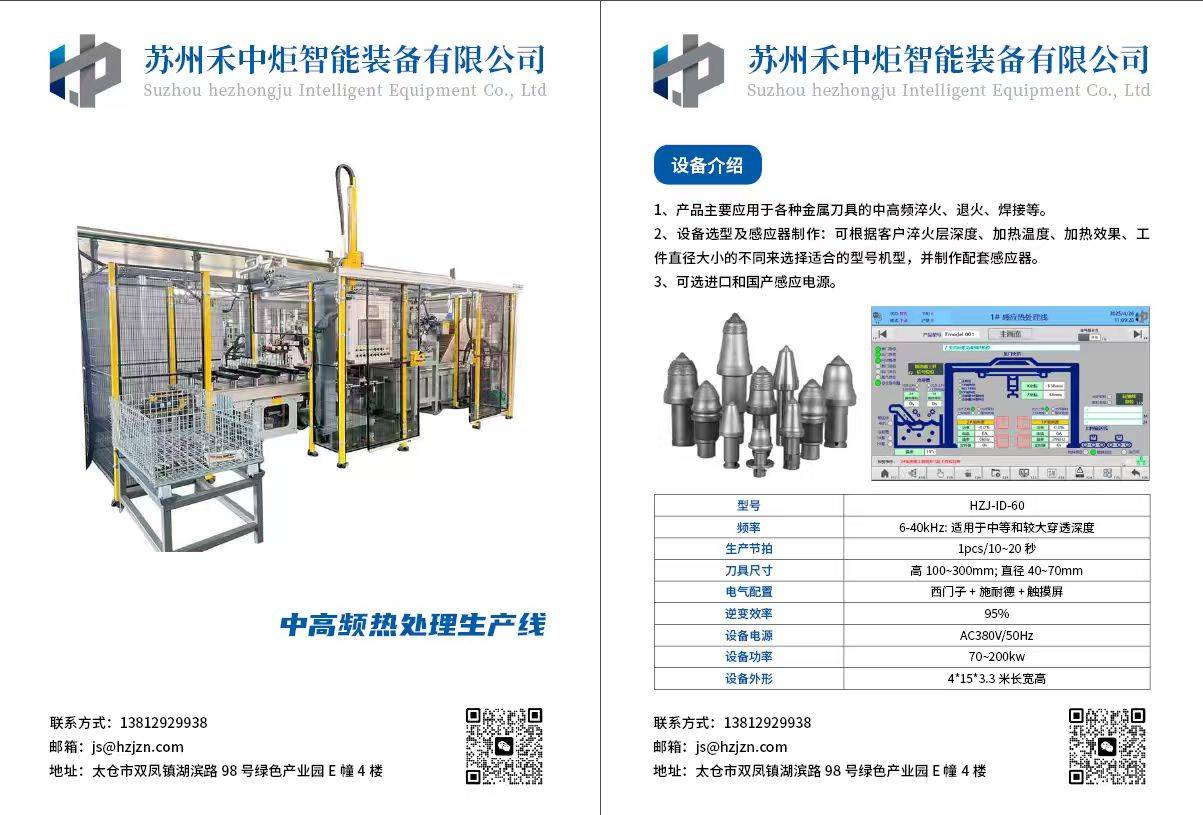
Excavator Bucket Teeth Heat Treatment Production Line
Suzhou Hezhongju Intelligent Equipment Co., Ltd.


Pneumatic high-pressure wear-resistant ball valve
Zhejiang Deca Control Valve Meter Co., Ltd.

CAP1400 main feedwater flow nozzle flowmeter.
Jiangsu Hongda Instrument Technology Co., LTD.