Tiernan Gold Chile Gold Mine Cyanide-Soluble Gold Average 75.1%
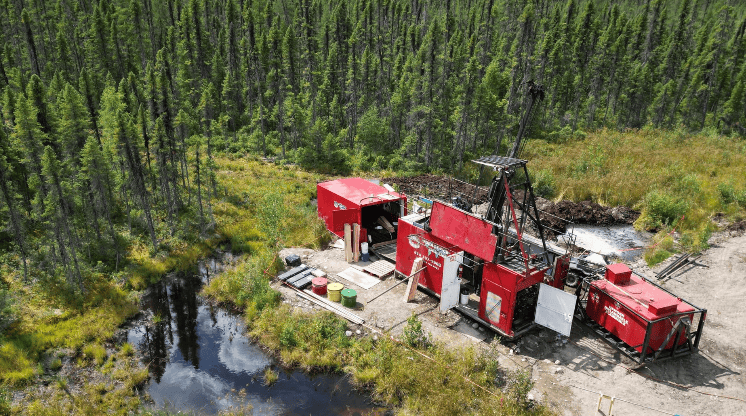
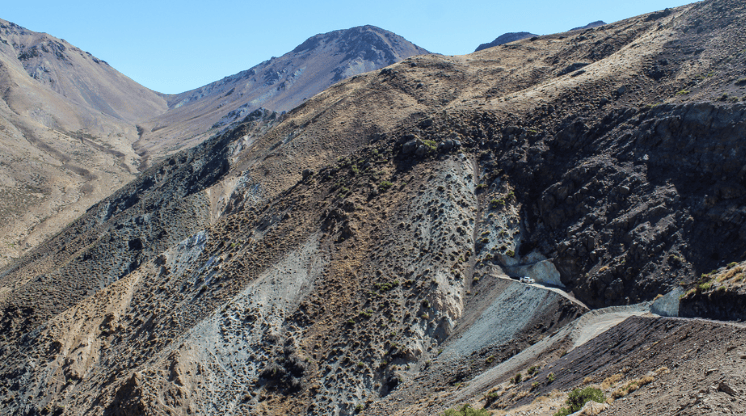
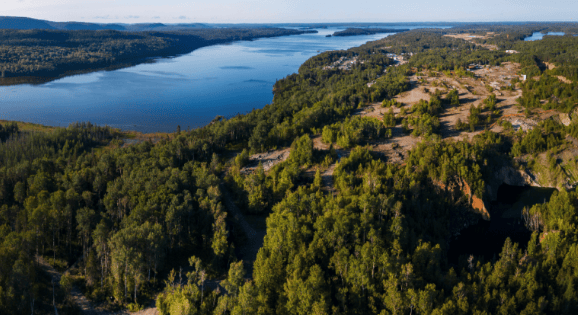
en.Wedoany.com Reported - Tiernan Gold Corp. has announced the results of the first phase of diagnostic cyanidation leaching at its Volcanic Gold Project (Proyecto de Oro Volcan) located in the Maricunga Gold Belt, Atacama Region, Chile. This phase was based on 36 variability samples and aimed to characterize gold leaching behavior and cyanide solubility across different grade ranges and sample groups.
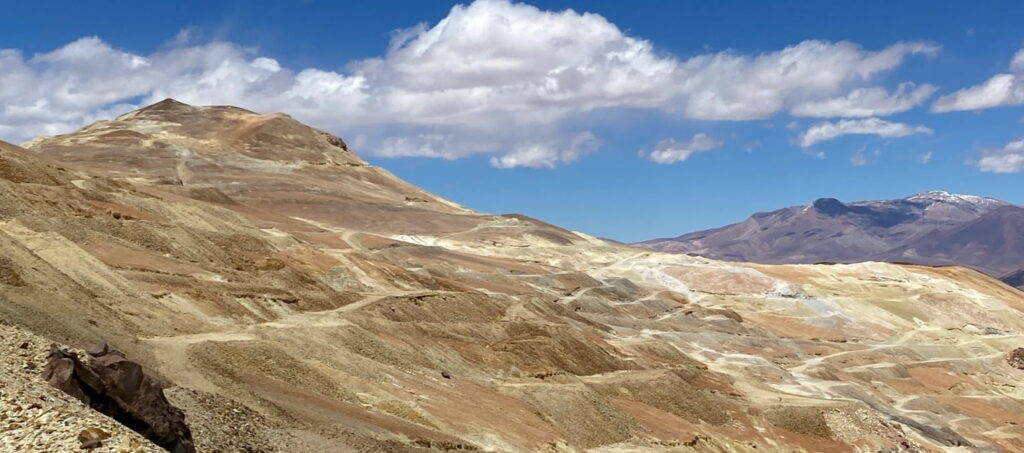
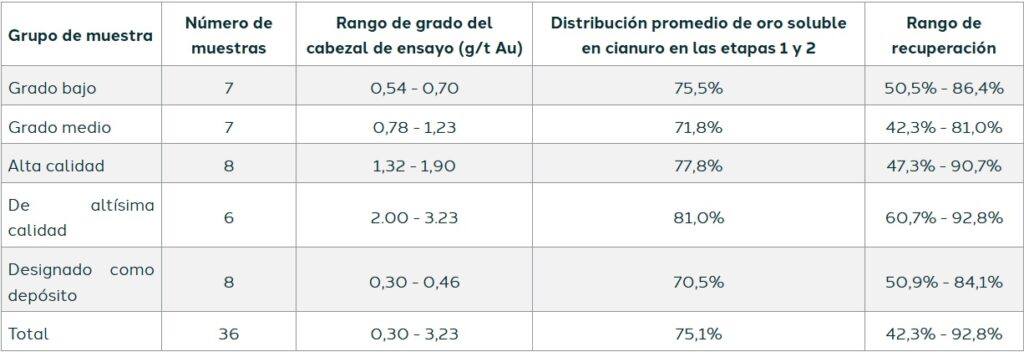
According to the company, the project has provided a preliminary metallurgical dataset that will guide the next phase of testing and support its engineering permitting process and pre-feasibility study (PFS). Combining results from Phase 1 and Phase 2, the average distribution of cyanide-soluble gold is 75.1%, with a median of 78.3% and a range of 42.3% to 92.8%. Among these, the combined average cyanide-soluble gold distributions for the high-grade sample groups were 77.8% and 81.0%, respectively. The company specifically noted that these results are from diagnostic tests and should not be interpreted as predictions of heap leach recovery.
Highlights of the Phase 1 diagnostic leaching program include: analysis of 36 variability samples across different grade intervals, with test feed grades ranging from 0.30 g/t Au to 3.23 g/t Au. Phase 1 cyanidation accounted for an average of 64.0% of the gold distribution, with Phase 2 adding an average of 11.1%, providing information on leaching kinetics and the proportion of gold requiring higher intensity or longer leaching times. For the few samples showing lower cyanide-soluble gold distributions, the company is analyzing geological, alteration, and mineralogical data to determine whether these samples represent metallurgical domains requiring different treatment, which will be used for recovery modeling in Phase 2 testing and the pre-feasibility study.
Chairman and CEO Fausto Di Trapani stated that these Phase 1 results provide preliminary information on the gold behavior of the Volcanic deposit. He emphasized that gold responds to cyanide across all analyzed grade ranges, with high-grade material showing the strongest average response. At the same time, the work is identifying poorly responsive materials, which must be fully understood before incorporating recovery assumptions into the pre-feasibility study. This is the goal of the program: to transform the Volcanic project from a historical metallurgical database into an updated and accurate technical foundation for the next phase of engineering.
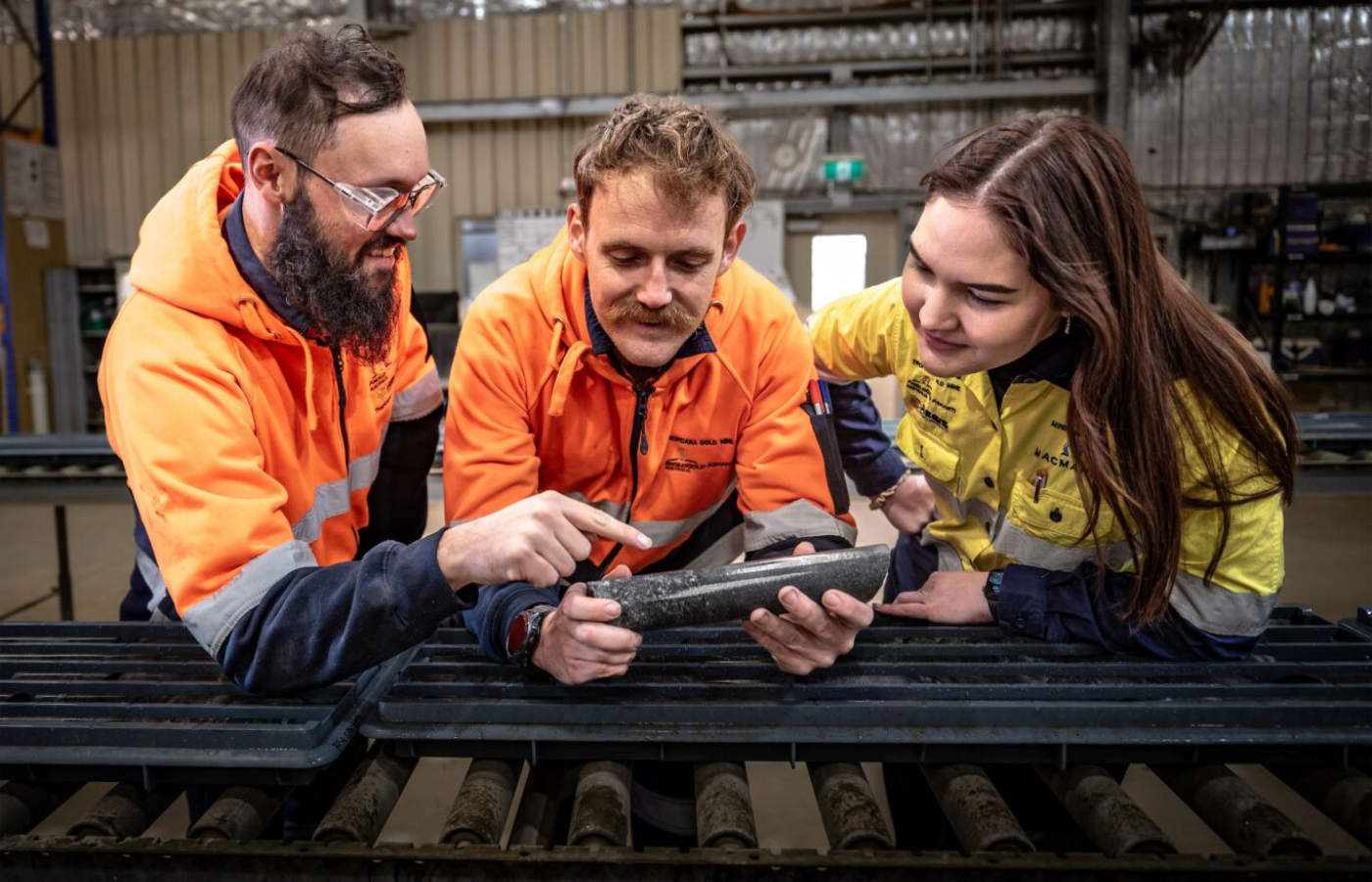
Phase 1 diagnostic leaching tests were completed by SGS Canada Inc. as part of Tiernan's metallurgical program for the Volcanic project. Tests were conducted on 36 variability samples with a nominal P80 grind size of 75 microns. The test sequence included acid leaching followed by two stages of cyanidation leaching to evaluate gold and copper behavior, cyanide solubility, and residual gold in the sample set.
The company believes these results are consistent with the overall metallurgical recovery framework used in previous technical work on the Volcanic project and confirm the need for follow-up testing for each metallurgical domain. Samples with poor cyanide response, as well as those where Phase 2 leaching contributed most of the soluble gold, will undergo final recovery modeling at the pre-feasibility study level after evaluation of geological, alteration, and mineralogical data. Phase 1 results will be used to optimize the design of Phase 2 metallurgical testing, with key work directions expected to include: follow-up review of poorly responsive samples in conjunction with geological, alteration, and mineralogical data; evaluation of gold response by metallurgical domain and grade interval; leaching tests on coarse ore at different crush sizes; comparison of high-pressure grinding rolls versus conventional crushing products; further evaluation of cyanide consumption, acid-soluble copper, and copper management parameters; and support for design considerations involving carbon columns and the SART (sulfidization-acidification-recycling-thickening) process.