Vicuña Mining District in San Juan, Argentina, Drives Transition from Gold to Copper Mining
en.Wedoany.com Reported - In an analysis, the Argentine organization R.A.I.C.E.S. points out that the development of the Vicuña mining district should not be seen merely as a new mining project, but as the beginning of a territorial transformation in the Argentine province of San Juan, transitioning from the Veladero cycle to a new copper cycle. This transformation implies a reorganization of actors, institutions, social expectations, value chains, governance forms, and legitimacy-building mechanisms.
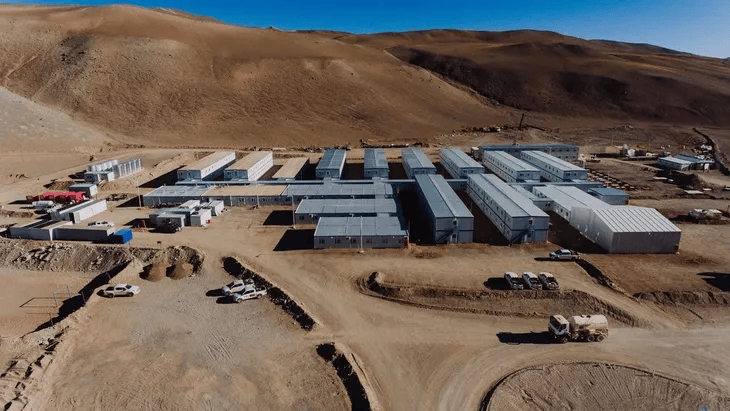
Over the past two decades, the Veladero mine has shaped a collective experience that transcends gold production. The region has accumulated institutional experience, consolidated a network of local suppliers, developed technical capabilities, and created specialized jobs, fostering expectations of mining as a provincial development engine. At the same time, Veladero has left lasting tensions over water resources, social license, distribution of economic value, and the relationship between communities, the state, and companies, constituting a territorial memory that serves as the starting point for San Juan society to interpret the new mining cycle.
The Vicuña district presents entirely different characteristics. It is a binational mining district promoted by an alliance between BHP and Lundin Mining, integrated into international strategies for copper production related to the energy transition, and accompanied by new regulatory frameworks such as the Large Investment Incentive Regime (RIGI). This landscape changes the scale of decision-making: the supply chain is internationalized, Chilean suppliers compete, investments reach unprecedented levels, and corporate decisions respond simultaneously to local, national, and global levels.
A recent series of events indicates the beginning of territorial reorganization. Debates over local procurement, the creation of the Provincial Mining Supplier Registry (RE.PRO.MIN.), discussions on the Argentina-Chile Mining Integration Treaty, concerns about the competitiveness of San Juan suppliers, and the Batidero conflict should not be viewed as isolated incidents. Taken together, they are early signals of territorial transformation, reflecting the region's efforts to redefine its participation in the new development cycle.
Governance in the Vicuña district presents unprecedented complexity, with at least four dimensions coexisting: corporate governance (organized by BHP and Lundin Mining), regulatory governance (based on RIGI and the Argentine legal framework), binational governance (deriving from the Argentina-Chile Mining Integration Treaty), and territorial governance (involving municipalities, communities, suppliers, chambers of commerce, and provincial institutions). The first three dimensions are relatively structured, but territorial governance is still under construction, and it is here that the main tensions emerge.
Traditionally, territorial conflicts are often addressed only when they escalate into protests, litigation, or operational stoppages. Methodologies developed by institutions such as the Economic Commission for Latin America and the Caribbean (ECLAC) show that it is more effective to understand territorial dynamics before tensions escalate. The analysis suggests shifting focus from conflicts to the processes that generate them, understanding the transformations that reorganize the territory.
The main challenge in the coming years is not only to build mining infrastructure, but to govern a territorial transformation. Investments may be completed in a few years, but building institutional capacity, social expectations, and legitimacy takes much longer. Understanding this transformation, monitoring its early signals, and strengthening territorial governance capabilities could become strategic factors for the sustainability of San Juan's new mining cycle.
Related Products
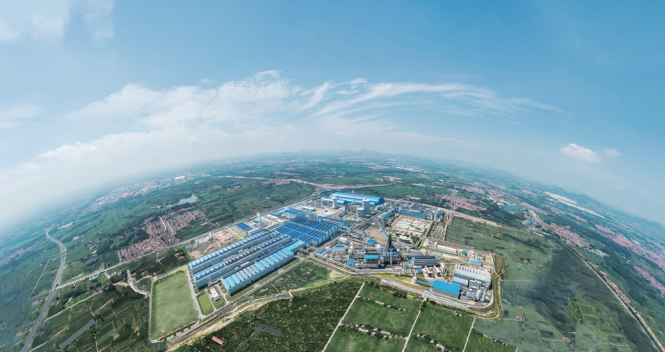

Linyi Steel Investment Special Steel 2.7 Million Tons per Year High-quality Special Steel Project
Capital Engineering & Research Incorporation Limited

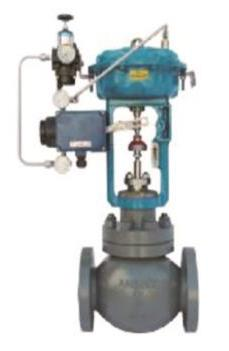
Quick-Change Single-Seat Control Valve / Quick-Change High-Pressure Single-Seat Control Valve
Beijing Consen Automation Technology Co., Ltd.
Industrial and Commercial Point-Type Gas Detector
Jinan Benan Technology Development Co., Ltd.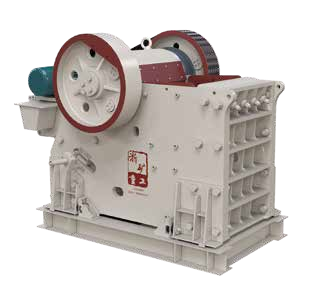
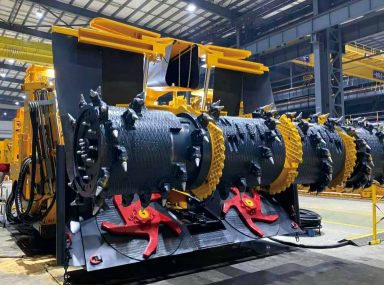
Integrated Excavation and Anchoring Machine (EJM Series)
China Railway Construction Heavy Industry Corporation Limited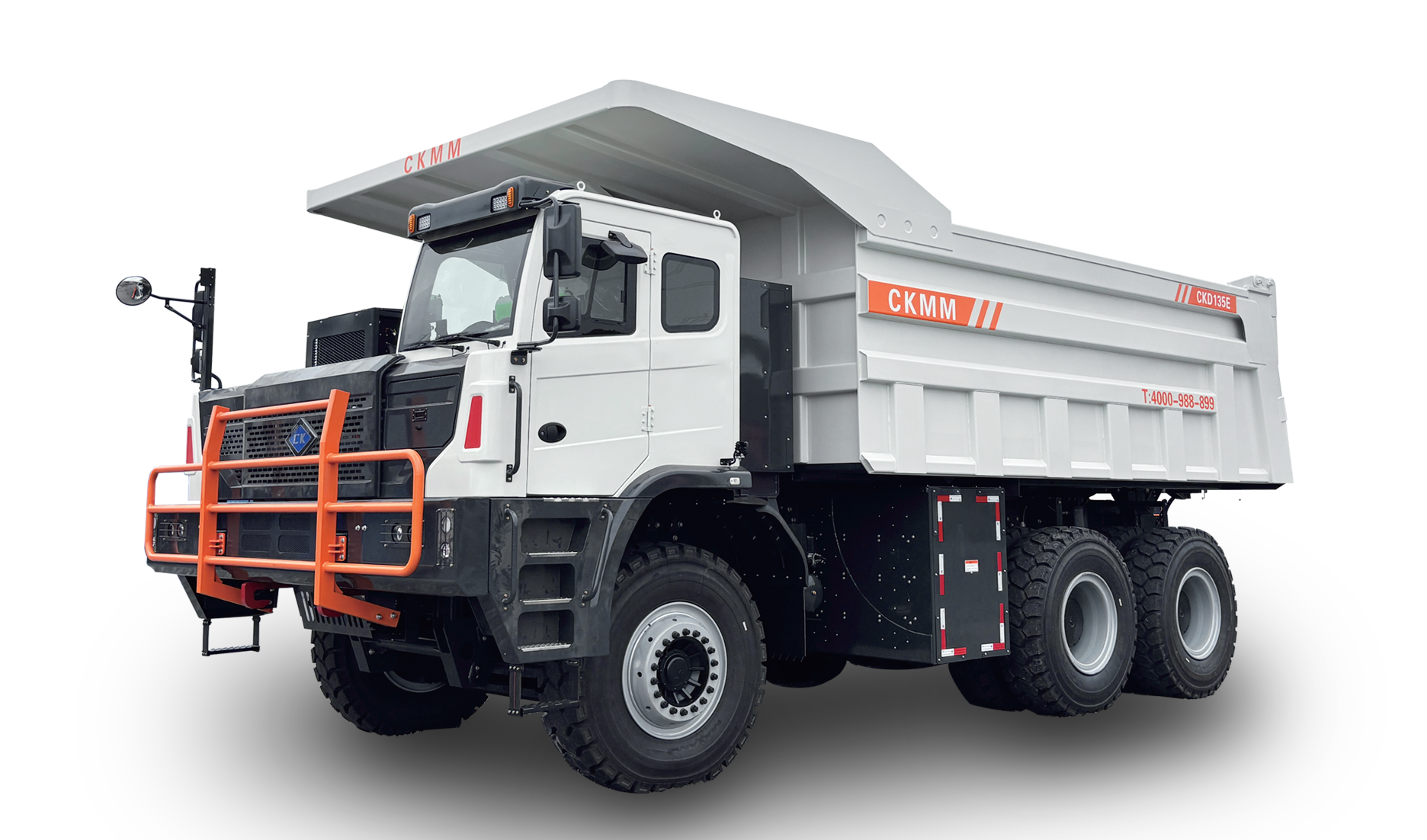
CKD135E Pure Electric Wide-body Dump Truck
Jiangsu Changkuang Engineering Machinery Co. Ltd.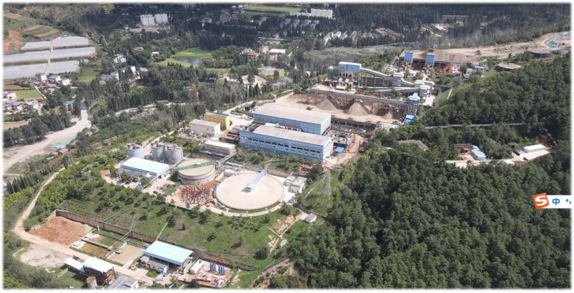
Yunnan Phosphorus Chemical Group Co., Ltd. 2 Million t/a Phosphorus Ore Mining and Beneficiation Project
China Bluestar Lehigh Engineering Corporation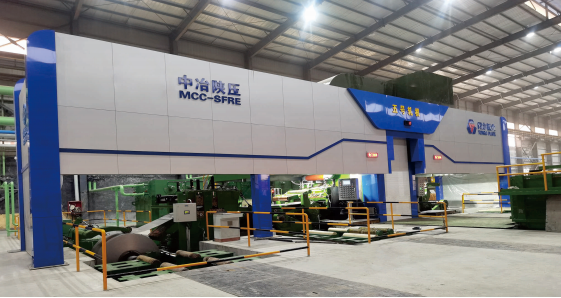
1050-1750mm Steel Strip Single-stand Reversible Cold Rolling Production Line
MCC-SFRE HEAVY INDUSTRY EQUIPMENT CO., LTD.