en.Wedoany.com Reported - Three asteroid sample return missions by the Japan Aerospace Exploration Agency and NASA have collectively brought back approximately 127 grams of samples to date. This amount weighs less than a small apple but cost over one billion dollars. The value of this endeavor cannot be measured by the raw weight of the material.
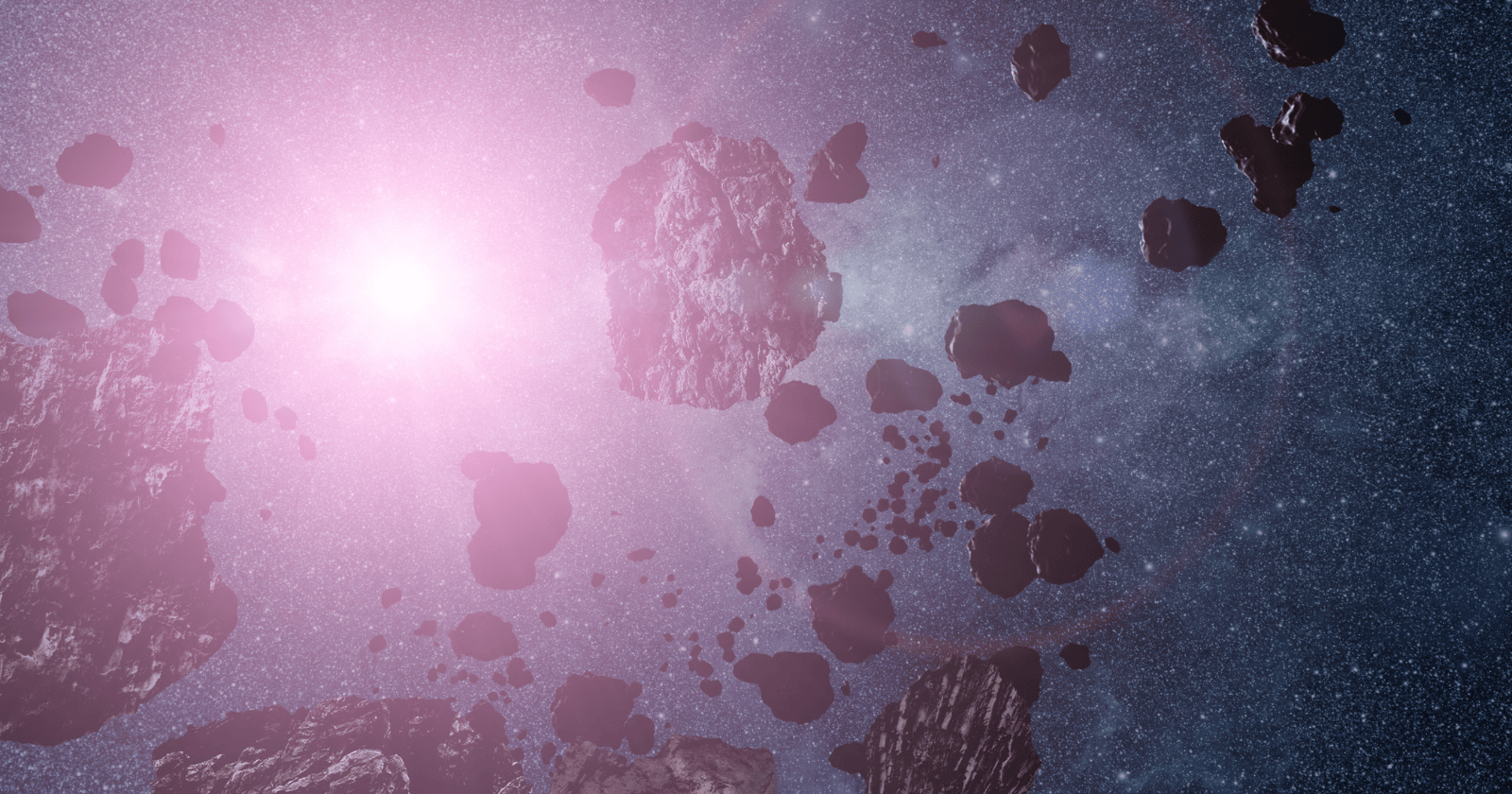
The three missions are Japan's Hayabusa, Hayabusa2, and NASA's OSIRIS-REx. Hayabusa returned micrometer-sized particles from asteroid Itokawa in 2010. Hayabusa2 brought back about 5.4 grams of samples from Ryugu in 2020. OSIRIS-REx returned 121.6 grams of samples from asteroid Bennu in 2023. Combined, the total mass is approximately 127 grams.
Comparing weight does not imply these missions wasted resources. Sample return is not mining; the goal is to bring back uncontaminated asteroid fragments with contextual information, chemical composition, and historical significance, as these bodies formed in the early solar system. A 2026 review paper, "The science from asteroid sample return missions," summarizes the current state of the field, elaborating on the value of these samples from perspectives such as planetary formation, the sources of organic matter and water on early Earth, and the nature of potentially hazardous asteroids.
The initial particles were almost negligible but still crucial. Hayabusa was the first mission to return material from an asteroid. It arrived at the S-type asteroid Itokawa in 2005 and returned its sample capsule to Earth in 2010. Its sampling mechanism did not work as expected, and it was initially uncertain whether the capsule contained any asteroid material. Subsequent analysis confirmed the capsule held over 1,500 tiny particles, with mass measured not in grams but as dust, grains, and fragments. Despite their small size, these samples proved that asteroid material could be collected, preserved, returned to Earth, and used for laboratory research, linking Itokawa to ordinary chondrite meteorites and confirming that some meteorites on Earth are fragments of asteroid parent bodies.
Hayabusa2, as a follow-up mission, targeted a different asteroid with a more reliable sampling strategy. It traveled to the carbon-rich C-type asteroid Ryugu, landing twice in 2019 to collect material. The sample capsule returned to Earth on December 6, 2020, with a returned mass of about 5.4 grams, including gas samples. Ryugu material is rich in carbon compounds and water-related minerals, providing laboratory samples for studying small bodies that may have delivered volatiles and organic matter to early Earth. Sample return avoids the drawbacks of meteorites being heated during passage through Earth's atmosphere and altered by Earth's water and biology.
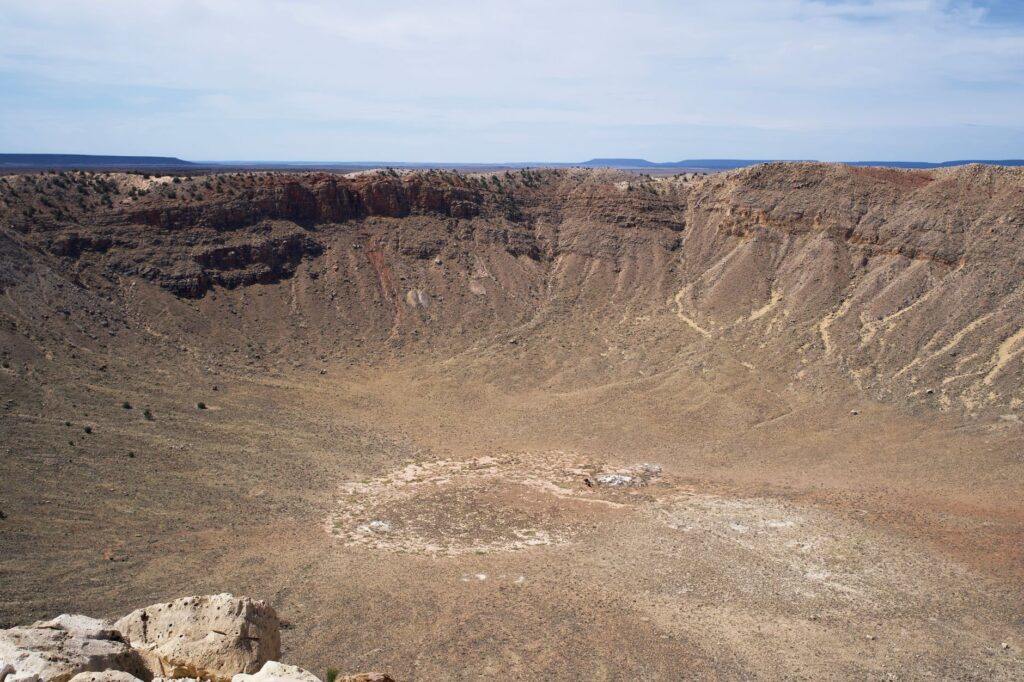
OSIRIS-REx is the first U.S. mission to return samples from an asteroid. It arrived at Bennu, performed a touch-and-go sample collection in 2020, and dropped its sample capsule in Utah in September 2023. The final mass measurement was 121.6 grams, more than double the mission's original requirement, making it the largest asteroid sample ever returned from beyond the Moon. A 2024 laboratory paper described the returned material as approximately 120 grams of carbonaceous regolith, with particle sizes ranging from submicron dust to rock fragments up to about 3.5 centimeters long.
Modern laboratory instruments do not require large amounts of material. A single grain can be cut, polished, scanned, dissolved, vaporized, imaged, or analyzed atom by atom. One gram of asteroid material can be divided many times and preserved for future technologies. Returned samples are compared with spacecraft observations of the pristine surface, and they remain far from Earth's atmosphere and biosphere. The missions know the source of the material, the shape, orbit, surface characteristics, and sampling points of the target body, making each grain more meaningful.
If judged solely by cost per gram, the numbers appear dramatic. Public estimates show that OSIRIS-REx alone approached one billion dollars, and adding Hayabusa and Hayabusa2, dividing the total by 127 grams sounds absurd. But cost per gram is not a scientific evaluation method. These missions purchased rockets, spacecraft, navigation, instruments, sampling mechanisms, communication time, recovery operations, and engineering expertise, along with observations of three different asteroids. The returned material is just one output.
The total of 127 grams of samples will not be consumed within a few years. Sample handling is deliberately conservative, with some material reserved for future scientists and instruments. Apollo lunar samples continue to yield new results decades after collection. The same logic applies here. There is also a planetary defense dimension; Bennu and Ryugu are examples of near-Earth asteroids, and understanding their composition affects how they respond to sunlight, impacts, and spacecraft contact.
The number remains striking. Over one billion dollars, three missions, three asteroids, about 127 grams of returned material. Lighter than a small apple. But these grains are selected world fragments from the leftover building materials of the early solar system, collected from the surfaces of bodies never touched by Earth, and brought back under controlled conditions. The missions did not bring back much material, but they brought back the right pieces from the right places, with enough contextual information for laboratories on Earth to ask questions that no telescope or meteorite can answer in the same way.