AkzoNobel Achieves 50% Carbon Emission Reduction in Own Operations Four Years Ahead of Schedule
en.Wedoany.com Reported - AkzoNobel has achieved its target of halving carbon emissions from its own operations by 2030 four years ahead of schedule. The target, set in 2020 and based on 2018 levels, aims to reduce Scope 1 and Scope 2 emissions by 50% and has been validated by the Science Based Targets initiative.
Wijnand Bruinsma, Director of Sustainability at AkzoNobel, stated that the company has a clear vision to achieve carbon neutrality by 2050 and is proud to have taken a significant step toward this goal. As a global leader in the paint and coatings industry, the company is committed to playing a leading role in sustainability by setting an example, reducing carbon emissions from its own operations, and thereby driving action across the value chain.
Currently, AkzoNobel operates with 100% renewable electricity across three continents—North America, Latin America, and Europe—covering 69% of its production sites. The company recently completed full transitions in South Africa and Vietnam, with a total of 92 locations now using 100% renewable electricity.
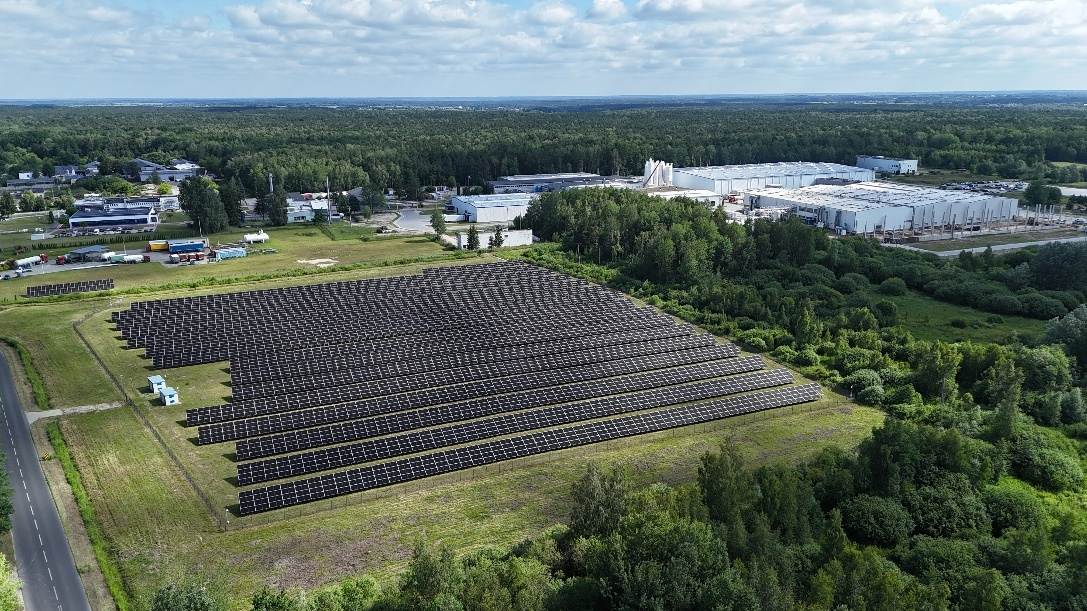
One of the key initiatives contributing significantly to the 2030 Scope 1 target is the factory in Pilawa, Poland. The facility recently invested €1.7 million to replace gas boilers with heat pumps. It is also home to the company's largest solar power plant in Europe, which began operation in 2024 and is equipped with 3,551 solar panels.
Bruinsma noted that the company has also set a target to halve carbon emissions across its entire value chain by 2030, a greater challenge, but progress is being made. The company will continue to collaborate with suppliers, customers, and other partners to strengthen Scope 3 emission reduction efforts. A recent example is the Eco+ Cure Energy Calculator launched by the company's Interpon powder coatings brand, which helps customers reduce energy consumption, operating costs, and carbon emissions by analyzing operational data such as natural gas usage, oven temperature, and throughput.
Related Products

Modular Multifunctional Water Supply and Drainage Vehicle (18T)
Changsha Dewater Machinery Technology Co., Ltd.
CAP1400 main feedwater flow nozzle flowmeter.
Jiangsu Hongda Instrument Technology Co., LTD.

Hydraulic Turbine Genset
Dongfang Electric Corporation Dongfang Electric Machinery Co., Ltd.
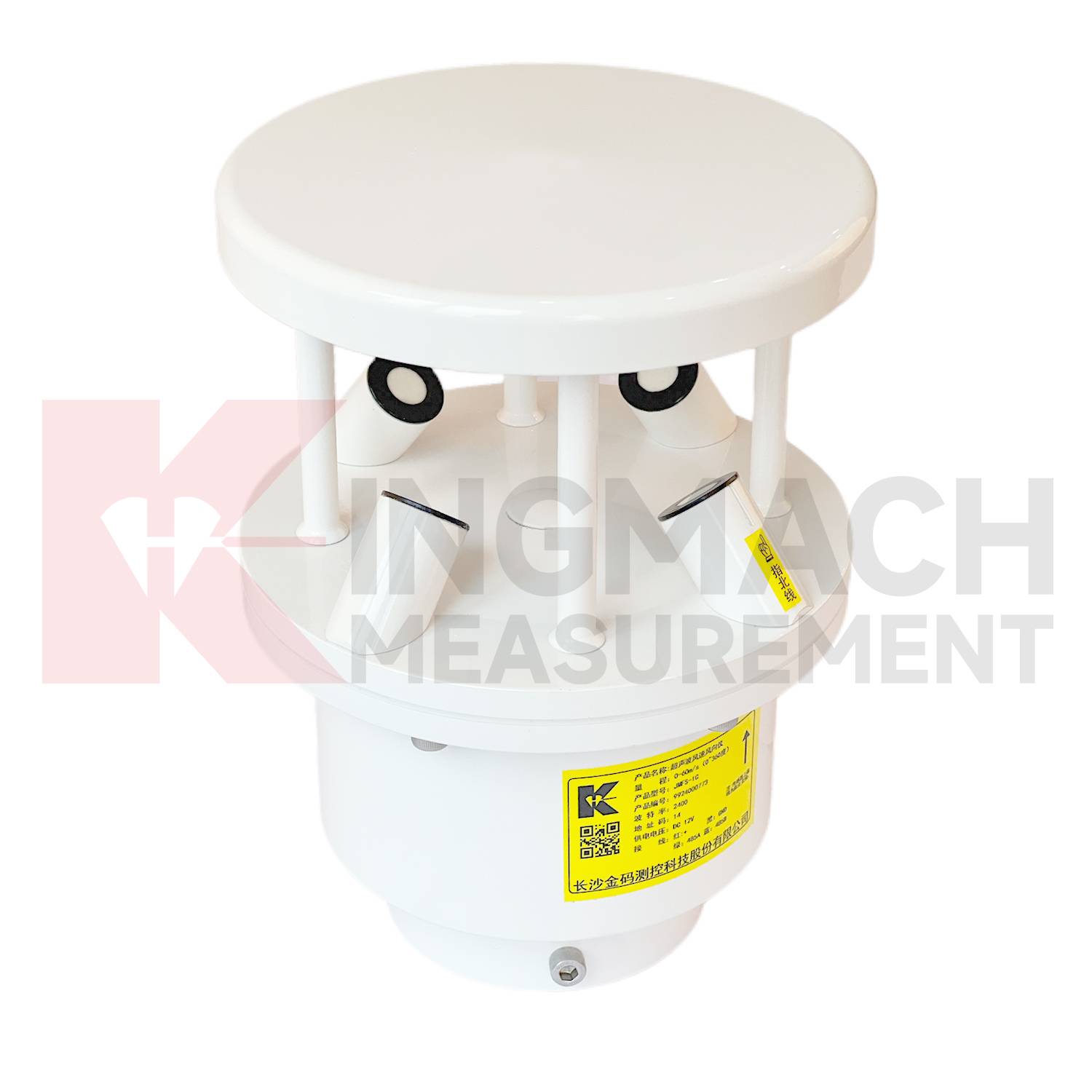
Ultrasonic Wind Speed and Direction Instrument
Kingmach Measurement & Monitoring Technology Co., Ltd.