South African Public Works Minister Announces Reforms to Restore Confidence in the Built Environment Sector
en.Wedoany.com Reported - South African Minister of Public Works and Infrastructure, Dean Macpherson, has announced a series of reform measures aimed at enhancing building safety, accountability, and infrastructure delivery.
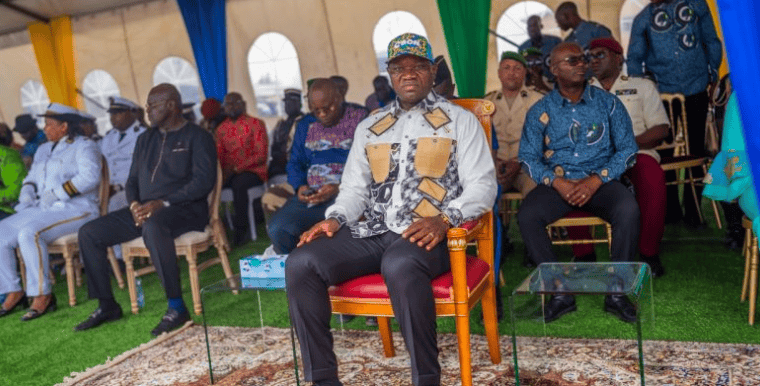
In his keynote address at the second Public Works and Infrastructure Summit held in Johannesburg on July 3, Macpherson stated that this framework will help restore market and public confidence in the built environment sector following several fatal building collapses in South Africa recently. The summit, themed "From Collapse to Confidence: Strengthening Public and Building Safety, Asset Management, and Infrastructure Delivery," marks the official launch of the National Built Environment and Construction Safety Framework, seen as a key step in strengthening safety, accountability, and collaboration within the built environment system.
The Department of Public Works and Infrastructure (DPWI) will, through the national body Council for the Built Environment (CBE), issue the "CBE Public Interest and Safety Regulations." These regulations focus on identifying, reporting, and responding to structural and dolomitic incidents, enhancing compliance in building construction, and adhering to the principles of the South African National Standards (SANS) 17024 to meet certification program requirements.
Macpherson also supported the launch of a Public Infrastructure Index, which will periodically outline how key industry stakeholders perceive the performance, readiness, capacity, and credibility of South Africa's infrastructure system. He noted that there has long been a lack of a clear, regular, and structured way to measure confidence in infrastructure delivery, and this index will help track whether confidence is improving, identify bottlenecks, test the effectiveness of reforms, and shift discussions from anecdotal to evidence-based.
Macpherson stated that the broad responsibility of public infrastructure is to ensure safe access to services and restore national confidence in the ability to plan, regulate, maintain, and deliver sustainable infrastructure. He cited the case of the DPWI and the Limpopo provincial government rapidly constructing a temporary repatriation center within 96 hours near the Beitbridge border post between South Africa and Zimbabwe as an example of what can be achieved when urgency, capacity, and objectives align.
He emphasized that rebuilding confidence in the built environment sector also requires confronting issues exposed by recent building collapses, which occurred in George (Western Cape), Redcliffe (KwaZulu-Natal), and Ormonde (Gauteng). Macpherson acknowledged that these incidents highlighted deficiencies in construction quality, supervision, professional accountability, and enforcement. He referred to the George building collapse as one of the worst building disasters in South Africa's modern history, resulting in 34 deaths and 28 injuries, and stated that there are fundamental challenges in the way South Africa's built environment is regulated.
Macpherson believes that the Council for the Built Environment (CBE) can play a significant role, as it sits at the center of the built environment profession, helping the government strengthen professional standards, public safety, and industry confidence. He announced that he has recommended the reappointment of CBE Chief Executive Officer Dr. Msizi Myeza for a second five-year term. He concluded his speech by emphasizing that the success of this summit will depend on the quality of discussions, focusing on adequately addressing the widespread regulatory and safety issues in the built environment, and called on the industry to move from collapse to confidence, from disaster to excellence, from neglect to maintenance, and from plans to projects.
Related Products
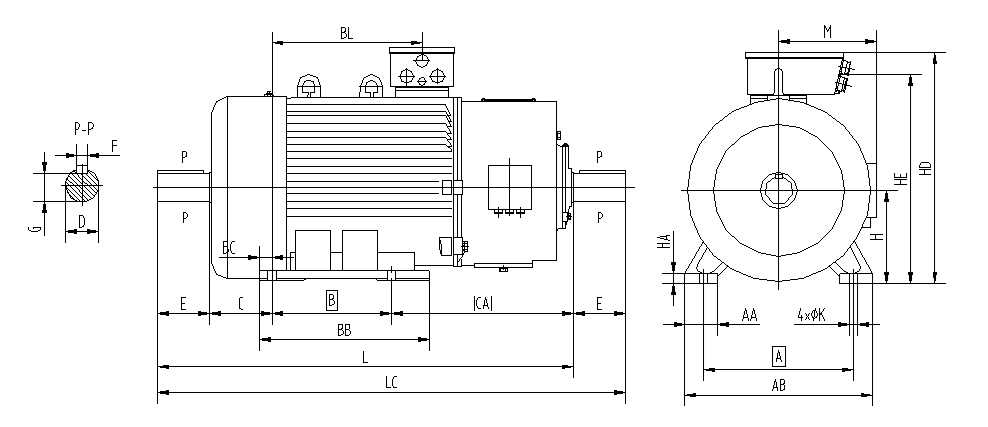

YZR (450-560) Series Wound Rotor Three-Phase Asynchronous Motors for Crane and Metallurgical Applications
Jiamusi Electric Machine Co., Ltd.
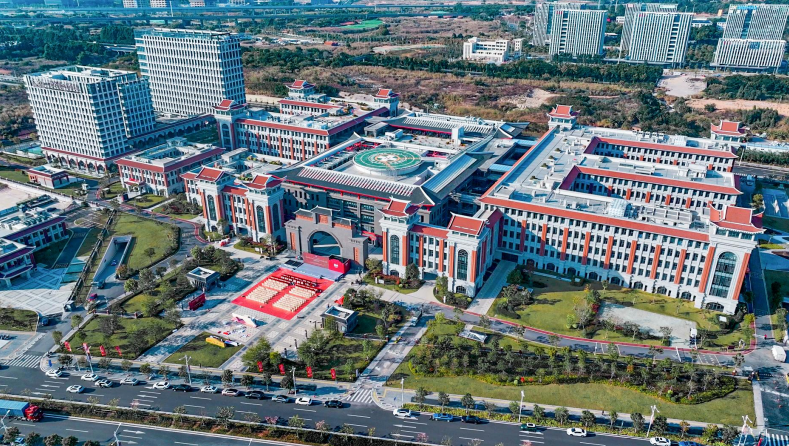
West China Xiamen Hospital of Sichuan University
Wuhan Huakang Century Clean Technology Co., Ltd.
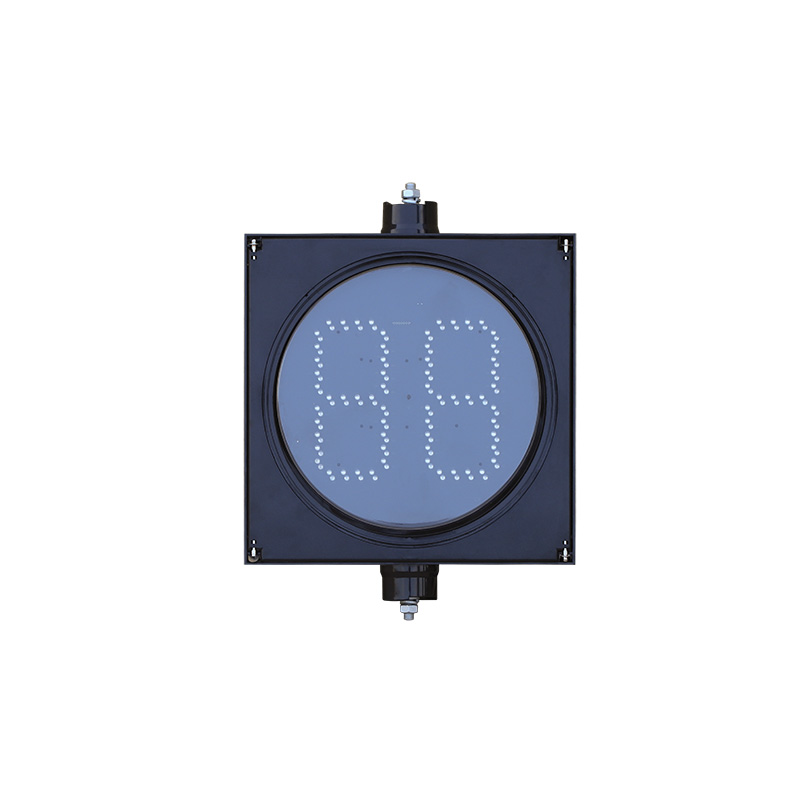
300mm Segment Type Countdown Traffic Light (Core Type)
Yangzhou FAMA Intelligent Equipment Co., Ltd.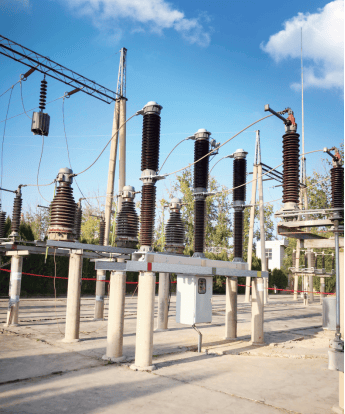
145kV Porcelain Column Type Sulfur Hexafluoride Circuit Breaker
TBEA ZONFA Shanghai High Voltage Switchgear Co., Ltd.
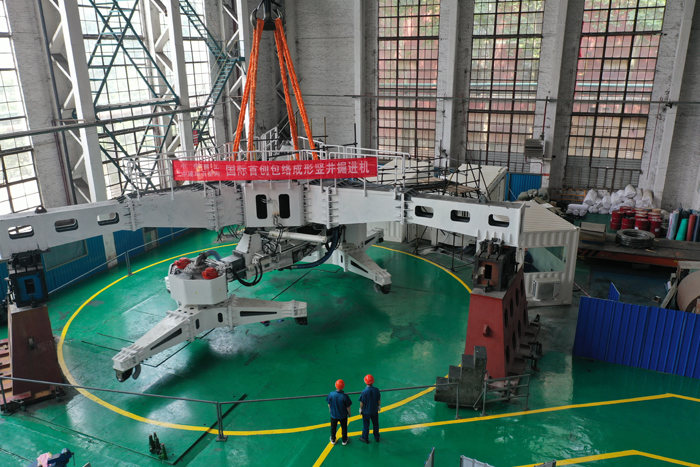
CITIC Heavy Industries Tunneling Equipment Tunnel Engineering Shield Machine
CITIC Heavy Industries Co., Ltd.
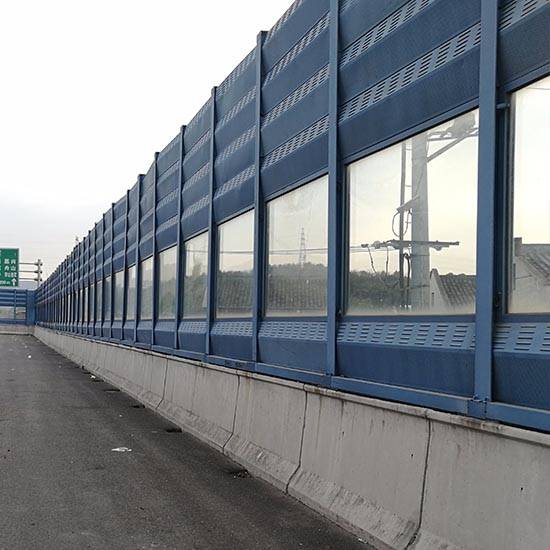
Metal sound barriers that can reduce the transmission of road noise
Hebei Jinbiao Construction Materials Tech Corp., Ltd.