China's BYD Announces Over 7,000 Flash Charging Stations, Plans to Build 20,000 by End of 2026
en.Wedoany.com Reported - At the recent launch event for the Seal 08, BYD disclosed the latest progress of its flash charging network layout. Official data shows that as of now, BYD has built over 7,000 flash charging stations across 325 cities nationwide, and has set a target to complete 20,000 stations by the end of 2026.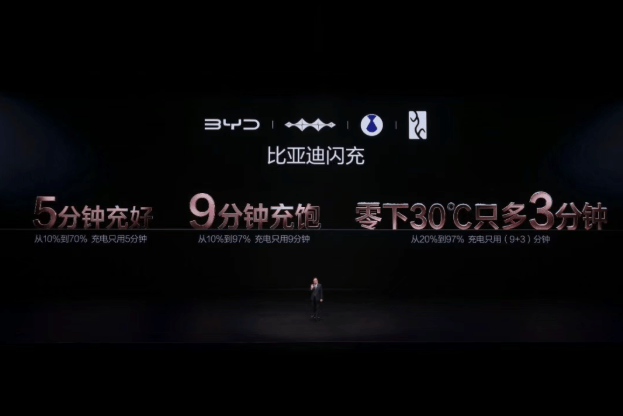
In retrospect, BYD's operational data released on May 8 this year showed that as of May 6, the number of flash charging stations nationwide was 5,924, covering 311 cities. According to the latest data, from early May to early July, in less than two months, the net increase in flash charging stations exceeded 1,000, and the network coverage expanded to 14 additional cities.
BYD's flash charging business strategy began in March this year. On March 5, 2026, BYD held the "Flash Charge China, Change the World" launch event at the Shenzhen Universiade Center Gymnasium, officially introducing the second-generation Blade Battery and flash charging technology. According to the information released at the time, this technology set a record for the fastest charging speed among mass-produced pure electric vehicles globally: charging from 10% to 70% takes only 5 minutes, and from 10% to 97% takes 9 minutes; in a low-temperature environment of minus 30 degrees Celsius, charging from 20% to 97% takes only 3 minutes longer than at room temperature. BYD believes that this technology effectively addresses long-standing industry pain points such as slow charging speeds and difficulties in low-temperature charging for electric vehicles.
Alongside the technology release, BYD simultaneously proposed the "Flash Charge China" strategy, planning to build 20,000 flash charging stations nationwide by the end of the year to enhance user charging convenience. Currently, the established flash charging network has covered the vast majority of cities in China and continues to densify its layout, aiming to provide stable energy replenishment assurance for cross-city travelers.
Industry analysts point out that the rapid expansion of BYD's flash charging network is a typical practice of new energy vehicle manufacturers building their own energy replenishment ecosystems. Compared to relying on public third-party charging piles, automakers building their own flash charging stations helps achieve synergy in technical adaptation, operational management, and user services, thereby providing a relatively more stable and efficient charging experience.
Related Products

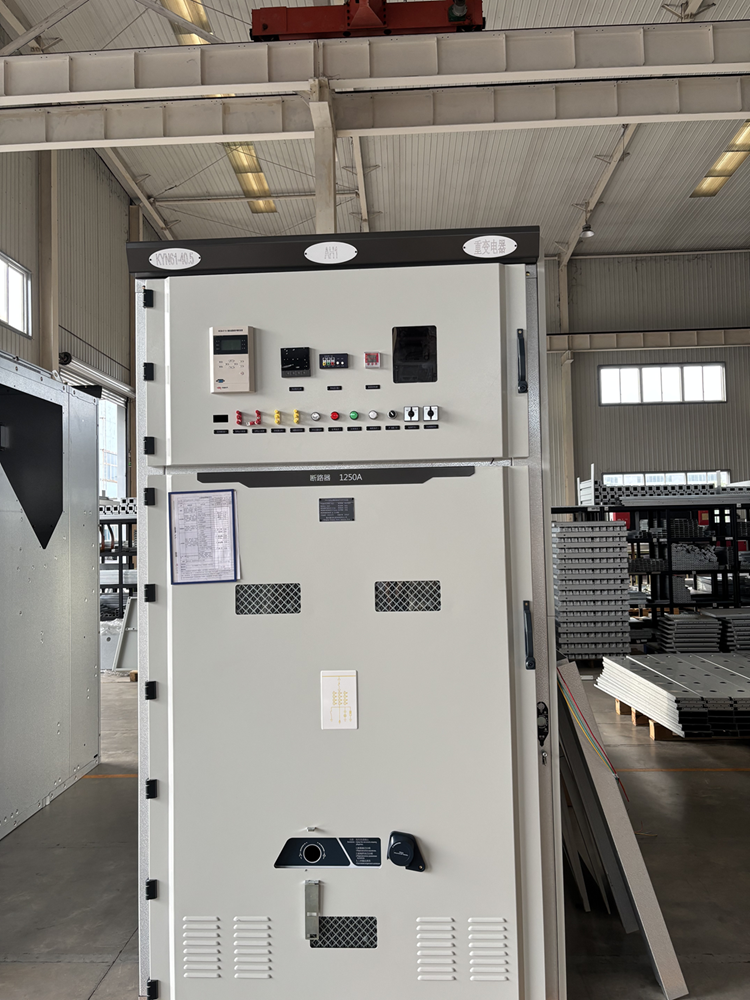
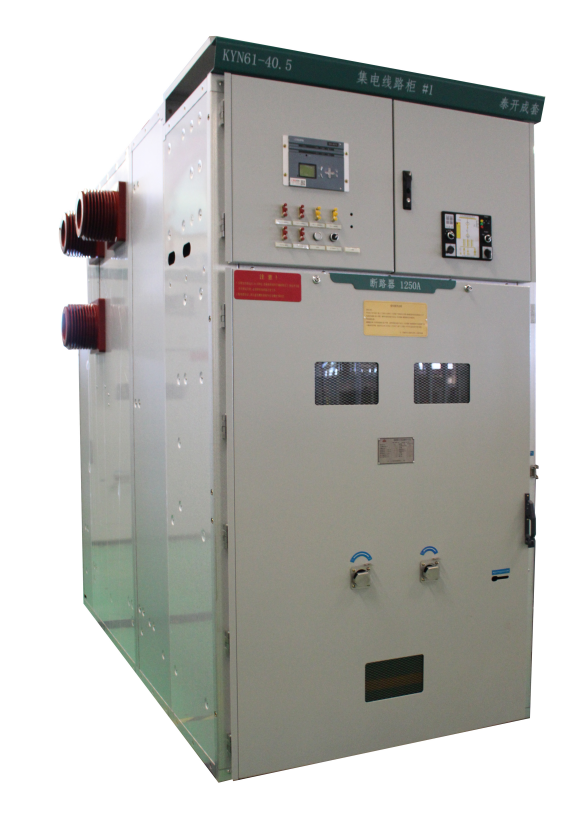
KYN61-40.5 Indoor AC Metal-clad Removable Switchgear
Chongqing Transformer Co., Ltd.
Floating Boat Water Quality Automatic Monitoring System
Hebei Sailhero Environmental Protection High-tech Co., Ltd.

0.66kV Power Supply Instrument Transformer
Guangdong Sihui Instrument Transformer Works Co., Ltd.