Valvoline Launches Lubricant for Natural Gas Engines in Brazil
en.Wedoany.com Reported - Brazil's accelerated adoption of natural gas and biomethane power technology in heavy-duty transportation is driving a technological upgrade of supporting lubricants. According to data from the Brazilian Automotive Manufacturers Association (Anfavea), registrations of natural gas trucks and buses in Brazil totaled 669 units from January to December 2025; as of April 2026, cumulative registrations in this segment reached 236 units, with market share rising from 0.5% to 0.8%.
Vinicius Alberti, a technical expert at Valvoline, noted that the promotion of natural gas and biomethane in heavy-duty transportation is changing the energy mix of fleets and posing new challenges for lubrication technology. Unlike diesel engines, which use compression ignition, gas engines are based on the Otto cycle architecture and use spark plugs for ignition. This difference alters engine operating conditions, requiring lubricant formulations that ensure equipment durability and efficiency throughout its service life. Alberti explained that natural gas and biomethane are "dry" fuels, producing fewer solid residues during combustion than diesel and generating different chemical phenomena within the combustion chamber, necessitating more targeted protection from lubricants.
For such applications, lubricants are beginning to adopt more complex additive packages, including high-performance antioxidants, as well as detergents and dispersants for controlling combustion residues. Alberti stated that higher operating temperatures demand greater antioxidant capacity from lubricants, a key factor in maintaining engine performance and durability. Valvoline's recent launch of Premium Blue One Solution Gen 2 in the Brazilian market represents this technological evolution. This product simultaneously meets the API CK-4 specification for heavy-duty diesel engines, the API SP specification for Otto cycle engines, and the Cummins CES 20092 certification for natural gas and biomethane applications. Alberti noted that the formulation's strength lies in its ability to cover different combustion technologies within the heavy-duty segment, suitable for both diesel engines and heavy-duty applications using natural gas and biomethane.

Although Premium Blue One Solution Gen 2 consolidates specifications for diesel and Otto cycle engines, it is not intended for light-duty vehicles. Alberti emphasized that the product's formulation and 15W40 viscosity are specifically developed for heavy-duty engines, which feature larger lubricant passages, greater oil capacity, and more demanding load conditions. Modern light-duty vehicles employ different architectures and low viscosity grades (such as 0W20, 5W20, or 5W30), focusing on energy efficiency improvements and reduced internal friction. This evolution in lubricants aligns with the broader trend in the transportation industry to enhance energy efficiency and reduce operational environmental impact. More advanced formulations not only protect engine components but also help extend oil drain intervals, reduce resource consumption, and minimize waste generated from maintenance.
Related Products
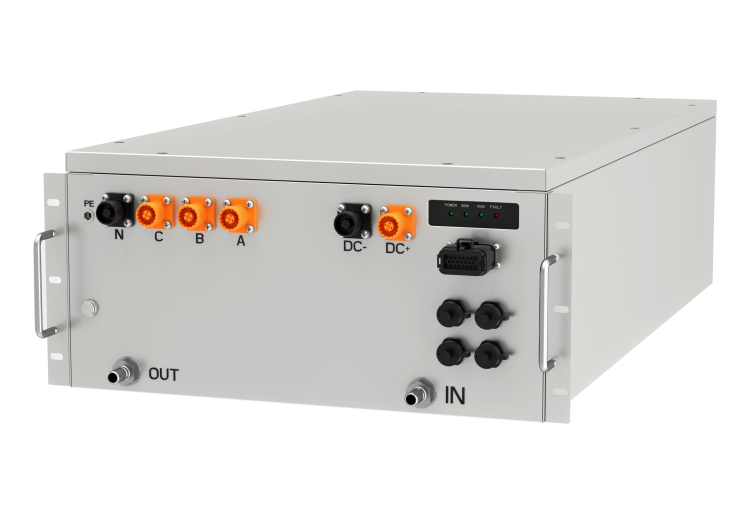

Mars (Liquid Cooling) Series Industrial and Commercial Energy Storage Converter High Protection Module
Shenzhen Winline Technology Co., Ltd.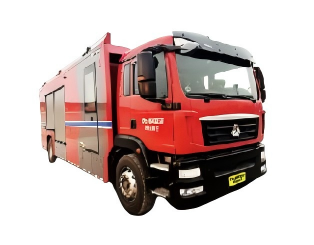
Modular Multifunctional Water Supply and Drainage Vehicle (18T)
Changsha Dewater Machinery Technology Co., Ltd.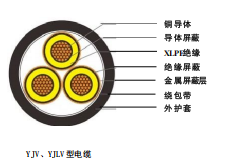
Rated Voltage 6-35kV Cross-linked Polyethylene Insulated Power Cable
TONGDING INTERCONNECTION INFORMATION CO., LTD.

Forest and Grassland Heat Source Infrared Monitor
China Huayun Meteorological Technology Group Co., Ltd.
Standard Nozzle Flowmeter
Jinggong Automatic Control Instrument Complete Technology Development Company

High-voltage Direct Current (HVDC) Transmission System Research and Integrated Design
XI'AN XD POWER SYSTEMS CO., LTD.
KYN61-40.5 Indoor AC Metal-clad Removable Switchgear
Chongqing Transformer Co., Ltd.