Central Iowa Water Works Imposes Watering Ban on 600,000 Customers Due to Nitrate Exceedances
en.Wedoany.com Reported - Central Iowa Water Works (CIWW) has imposed a mandatory lawn watering ban on 600,000 customers due to elevated nitrate levels in drinking water. Executive Director Tami Madsen stated that this action highlights the balancing act utilities must perform when facing conflicting operational pressures. Following the ban, regional water usage dropped from a peak of 53 million gallons on June 18 to 42.4 million gallons on June 21.
Madsen noted that when water quality deteriorates, treating water to meet public demand becomes challenging, and reducing system demand is necessary to achieve safety standards—which is precisely what the ban accomplishes. The current restrictions will remain in place as needed. Triggers for the ban include pipe breaks or pollution levels higher than normal in CIWW's three main water sources: the Raccoon River, the Des Moines River, and an underground infiltration gallery.
According to CIWW laboratory results, from late May to mid-June, the average nitrate concentration in the Raccoon River was 15.04 milligrams per liter, and in the Des Moines River, 10.78 milligrams per liter—both exceeding the U.S. Environmental Protection Agency (EPA) drinking water safety standard of 10 milligrams per liter. Madsen stated that while the drinking water remains safe to consume, the regional system is operating at the limits of available treatment resources.
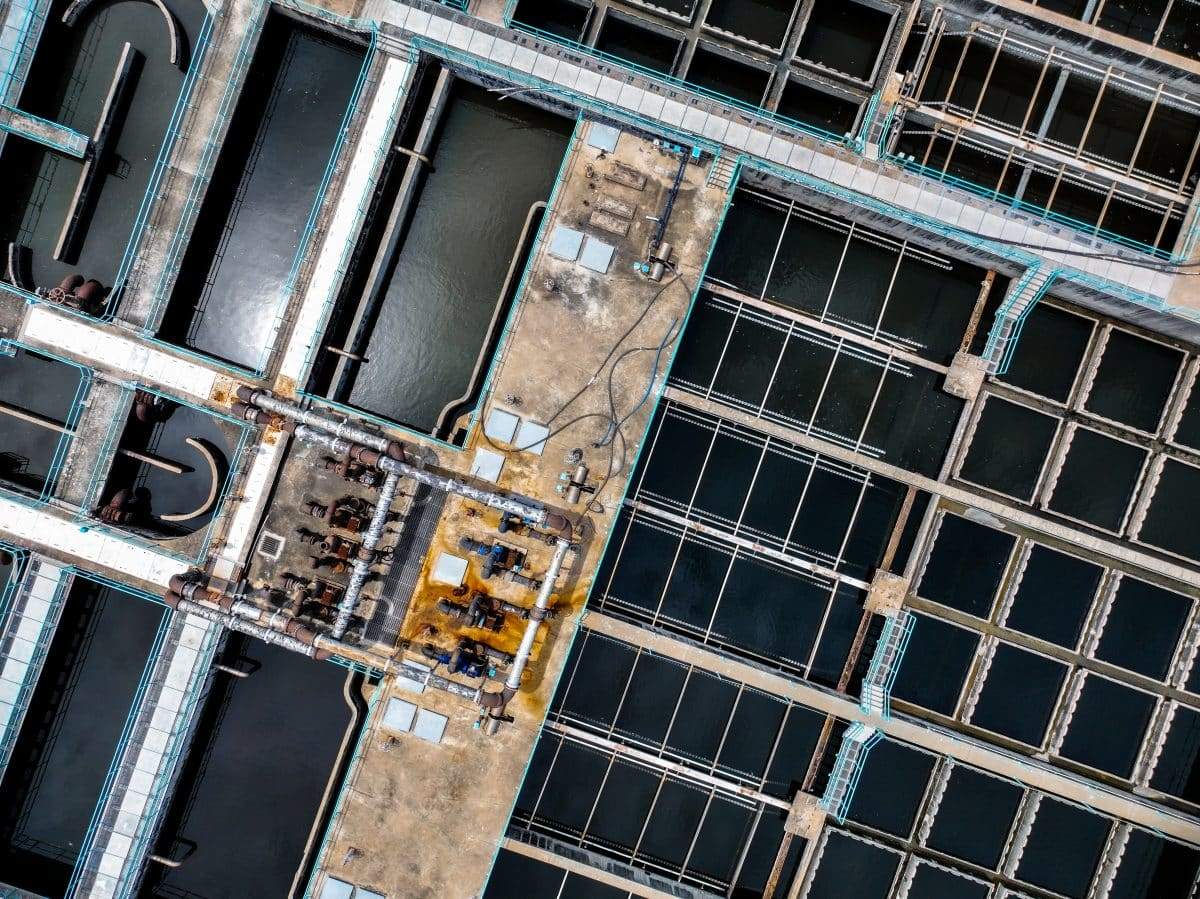
To address high nitrate levels, CIWW is deploying specialized removal facilities adjacent to its local reservoirs and aquifer storage wells. The Des Moines recovery facility uses an advanced aeration system to break down nitrates into nitrogen and oxygen, producing renewable natural gas. The remaining nutrient-rich sludge is dewatered and converted into a semi-solid fertilizer.
During the ban, lawn watering is prohibited except for sports fields, golf courses, or turf seeded during the current growing season. CIWW also urges residents to conserve indoor water by running full dishwasher loads and turning off faucets while brushing teeth.
CIWW was established in April 2024, comprising Des Moines Water Works, Urbandale Water Utility, and 10 other municipalities and water districts. The agency has formed a committee to identify best practices for managing peak water demand, combining consumer education with real-time data analysis and technological improvements. Its Aqualytics program uses predictive weather modeling and advanced landscape controllers to adjust irrigation schedules based on real-time weather conditions. Madsen stated that these strategies can guide residents toward more sustainable climate adaptation methods, noting the need to rethink how water is used in the Midwest and change mindsets—such as distributing smart irrigation meters that respond to weather or adjusting sprinkler heads to avoid spraying sidewalks.
Sarah Green, Executive Director of the Iowa Environmental Council (IEC), the state's largest conservation coalition, stated that CIWW's ban underscores the urgency of the issue. Residents have contacted IEC about technologies like reverse osmosis. Green noted that when source water nitrate levels are so high that a utility must ask 600,000 people to change their water use, it is an imminent health concern. She views the watering ban as a temporary fix for a systemic problem. According to IEC analysis, over 80% of toxic nitrates in the Des Moines and Raccoon Rivers come from industrial agriculture. Green calls on the EPA to protect drinking water by more strongly enforcing the Clean Water Act, stating this is not a partisan issue.
A report by the IEC and the Harkin Institute found that Iowa has the most severe nitrate pollution in waterways in the United States. The organization supports mandatory water restrictions when traditional treatment systems are stressed and advocates for establishing a real-time pollution monitoring network. Green stated that what cannot be measured cannot be managed, and the state needs to invest in these networks and implement transparent public reporting. She noted that conservation should not only occur when supply is insufficient or water quality makes treatment unsustainable; other regions in the U.S. have tried, tested, and proven strategies for education and promoting action. Meanwhile, utilities struggle to ask customers to reduce water use while agriculture and concentrated animal feeding operations operate without restrictions.
To address future supply uncertainties, CIWW has authorized $1.2 billion in capital upgrades over the next 25 years to enhance capacity and resilience. Major projects include expanding two water treatment plants and constructing a new treatment facility, expected to add 12 million gallons per day of treatment capacity by 2032. Madsen stated that these measures are essential to maintaining treatment standards as source water quality declines, and that addressing source water challenges through upstream partnerships will require years or decades of collaborative effort.
Related Products



Acoustic Mineral Fiber Ceiling Tile 595x595x12mm
Shanxi Pano Trading Co., Ltd
Dual-curved Arm Rock Drilling Trolley RSD200D
Chengdu Ruilong Machinery Manufacturing Co., Ltd.



Industrial and Commercial Point-Type Gas Detector
Jinan Benan Technology Development Co., Ltd.
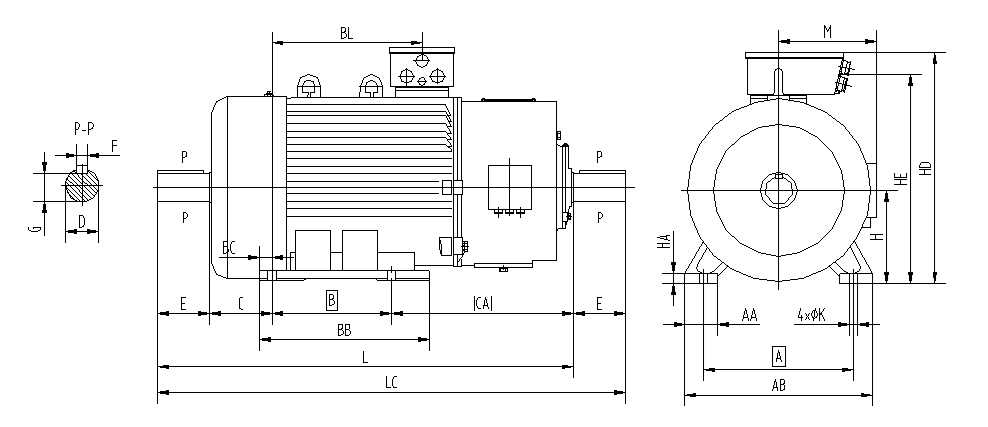
YZR (450-560) Series Wound Rotor Three-Phase Asynchronous Motors for Crane and Metallurgical Applications
Jiamusi Electric Machine Co., Ltd.
RISITA explosion-proof air conditioning
Guangdong RISITA Air Conditioning Equipment Co.,Ltd.
Pure Polyurethane Wall Panel BD-AEF-PIR-01
Baodu International Engineering Technology Co., Ltd.