US PJM Interconnection Requests Data Centers Switch to Backup Power Within 15 Minutes
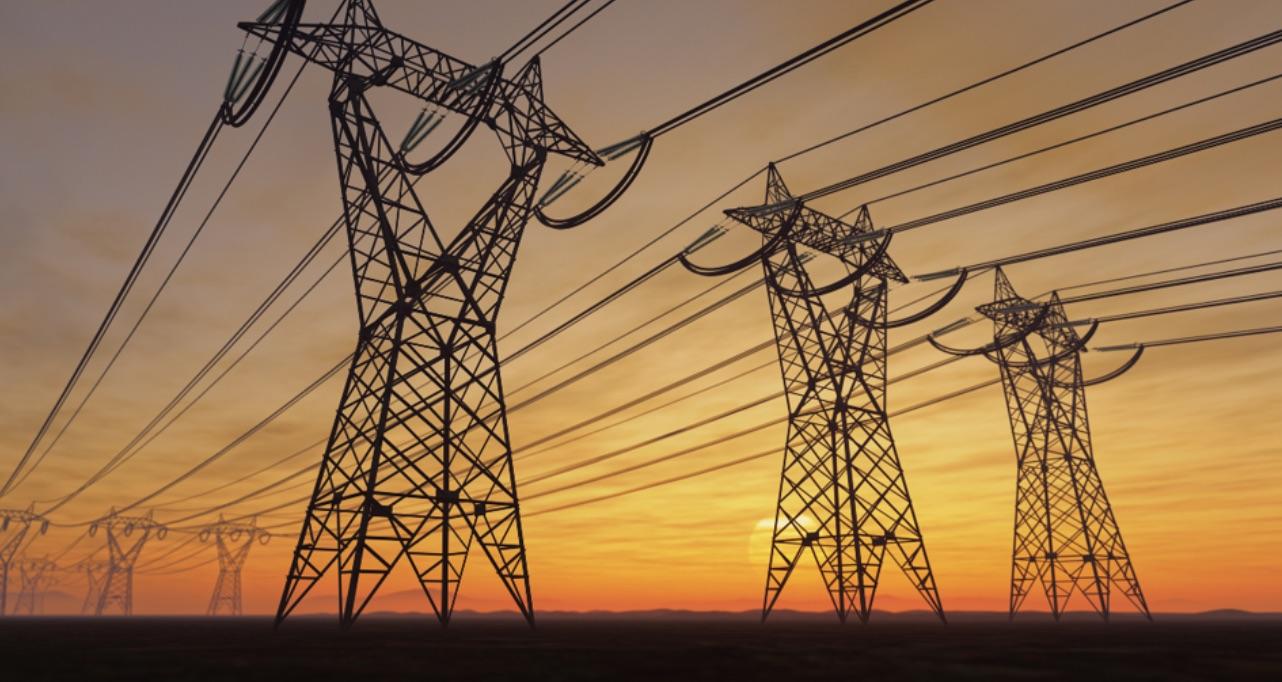
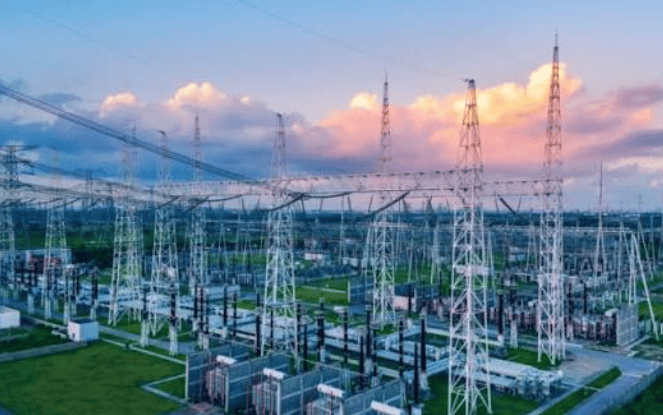
en.Wedoany.com Reported - A severe heatwave sweeping across much of the United States is putting real-time stress on power and water systems, prompting grid operator PJM Interconnection to file an emergency request asking the US Department of Energy to mandate that data centers in its jurisdiction switch to backup generators within 15 minutes of receiving an alert. This rapid switchover could free up enough electricity to power homes and essential services during the current "heat dome" blanketing the East Coast.
This event unfolds against the backdrop of a nationwide acceleration in building thousands of data centers for artificial intelligence (AI). These facilities are extremely energy-intensive and heavily reliant on local water supplies. Tensions between infrastructure capacity and growth demands have persisted for years, but the current heatwave has exposed the physical limits of existing utility grids. The Governor of Texas, in his recent campaign, called for a ban on building data centers in rural areas and reiterated the stance that facilities should generate their own power and recycle water. At the other end of the political spectrum, federal lawmakers are also pushing for a moratorium on new data center development. A recent Gallup poll shows that 70% of Americans oppose building data centers near their communities.
Public sentiment is hardening alongside the growing grid demand driven by AI. The US Department of Energy estimates that data centers currently account for 4% of the nation's total electricity demand, a figure that could rise to 9% by 2030. This growth is compounded by the electrification of transportation and new manufacturing loads. Utility companies warn that after decades of stability, peak demand growth is making a comeback. Research from the sustainability team at the University of Calgary describes similar concerns north of the US border, noting that a typical hyperscale AI facility consumes as much electricity as a small city, with global trends showing such sites typically drawing around 100 megawatts of power.
A report from Consumer Reports explains how AI workloads significantly drive up water demand, with large AI facilities potentially using up to 5 million gallons of water per day. During heatwaves, these facilities often rely on evaporative cooling systems that do not return water to the system. Earlier, about 50,000 customers near Lake Tahoe were forced to switch electricity suppliers due to increased load from data centers. In Henrico County, Virginia, schools were asked to reduce electricity usage as local data centers pushed the grid to its limits. Virginia leads the nation with 398 operational and 287 planned data centers, followed by Texas with 296 operational and 170 planned. These concentrated facilities require massive regional grid upgrades to maintain basic reliability.
Globally, this situation is not uncommon. Research from the Lincoln Institute of Land Policy highlights how data center clusters create localized heat island effects. A study from the University of Cambridge found that temperatures near data centers rise by 2 degrees Celsius, with peak temperatures adjacent to cooling infrastructure increasing by up to 9.2 degrees Celsius. Under normal temperatures, cooling systems already account for 40% of a data center's electricity consumption, a proportion that increases when temperatures rise. The current heat dome affecting Washington, D.C., New York, and much of the eastern US has pushed the heat index in major metropolitan areas above 38.9 degrees Celsius, forcing more facilities into maximum cooling mode, exacerbating the pressure PJM Interconnection is trying to manage.
Another pressure point is water. AI facilities intensify pressure on local communities during peak water usage times, with nearly 80% of the potable water used in evaporative cooling evaporating rather than being recycled. Corpus Christi, Texas, is a prominent example, where officials worry the region may soon face freshwater shortages. After five years of drought, some reservoirs are less than 10% full, and a planned data center development north of the city complicates emergency supply planning. Utilities and policymakers are not aligned on this issue; some regions are delaying the retirement of old power plants, while others are exploring unconventional cooling technologies. Analysts at Bloomberg note that capital markets have begun pricing in long-term grid expansion needs. The International Energy Agency predicts that global data center water consumption could grow from approximately 560 billion liters per year to 1.2 trillion liters by 2030. PJM Interconnection's request to the US Department of Energy demonstrates how operators might handle these peak pressure moments in the future, though it remains unclear whether this will become a standard emergency tool or a temporary fix.
Related Products
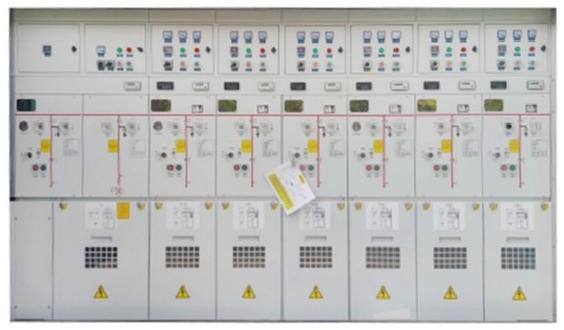

NISELA Series Environmentally Friendly Gas-Insulated Ring Main Unit
XJ DELISHIER ELECTRIC CO., LTD.

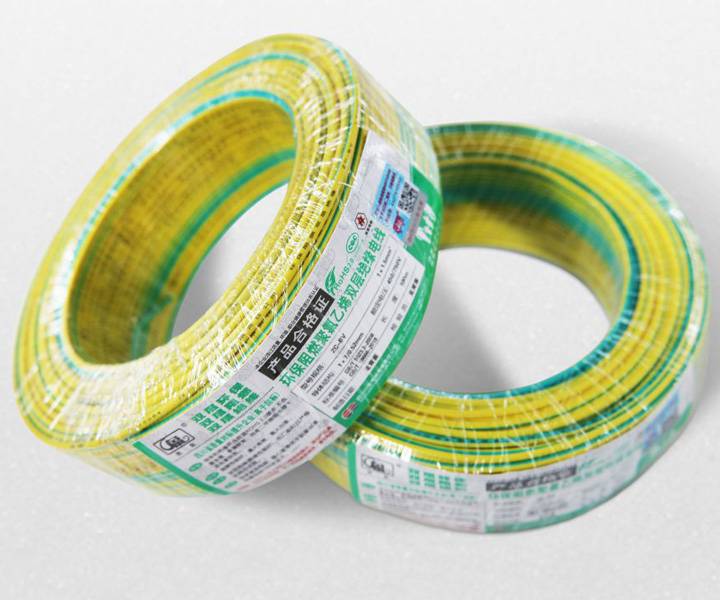
Environmentally Friendly Flame-retardant PVC Double-layer Insulated Wire
Sichuan Chndo Cable Co., Ltd.
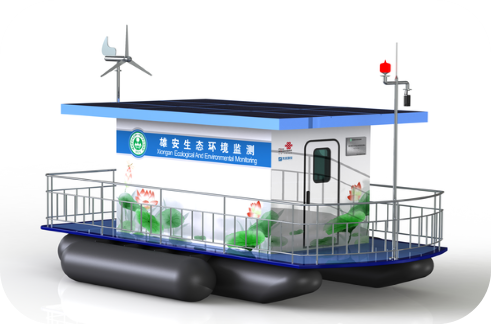
Floating Boat Water Quality Automatic Monitoring System
Hebei Sailhero Environmental Protection High-tech Co., Ltd.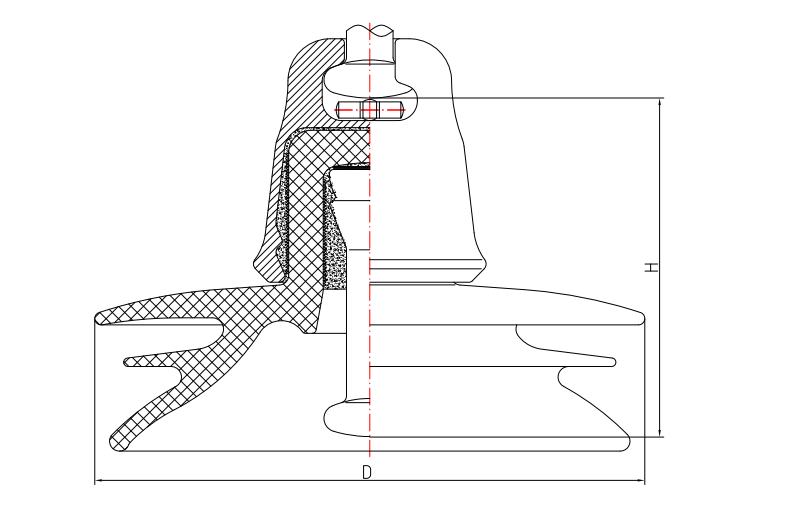
Post-type AC Pollution-resistant Disc Suspension Porcelain Insulator (Triple Umbrella Type)
Shandong High Voltage Insulator Co., Ltd.
714CD Series C-Band Weather Radar
Chengdu Zhongdian Jinjiang Information Industry Co., Ltd.