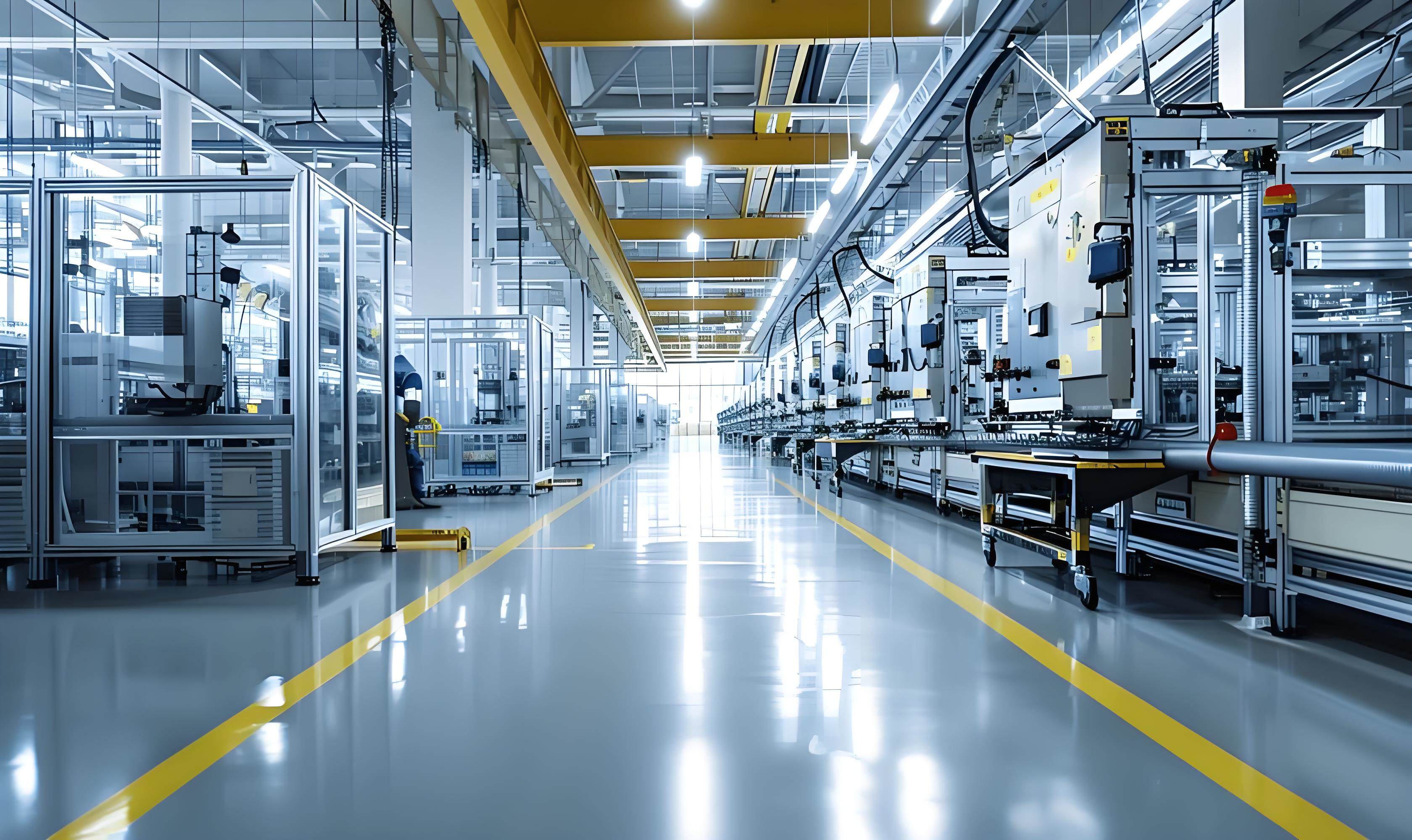
en.Wedoany.com Reported - European AI infrastructure alliance ÆTHER has submitted an application to the European Union to participate in the next round of AI super factory tenders, and has announced partners in the fields of energy, construction, cloud services, semiconductors, high-performance computing, and AI. The group plans to build two campuses around Strasbourg, which could be operational as early as 2027, with an initial capacity of 42 megawatts. If grid conditions permit, the long-term target will exceed 400 megawatts.
The project stems from Europe's deep reflection on its own ability to build AI infrastructure. ÆTHER aims to demonstrate that Europe can build its own AI infrastructure without fully relying on US cloud platforms, accelerators, capital, and non-European operational layers. Alliance members include European companies in servers, CPUs, AI accelerators, construction, sovereign clouds, and energy engineering, forming a reindustrialization landscape built around computing power demands.
Execution faces numerous challenges. The alliance's project company, AETHER Infrastructures, is in advanced negotiations to acquire two industrial sites around Strasbourg. The first site, FR-SXB1, already has infrastructure and administrative permits. If the acquisition is completed by the end of October 2026, it could go online in 2027. The second site, FR-SXB2, will follow a few months later if the acquisition is completed by the end of December 2026. ÆTHER calls this a net-zero land occupation approach, directly addressing the constraints of community permits and land politics in European AI infrastructure construction.
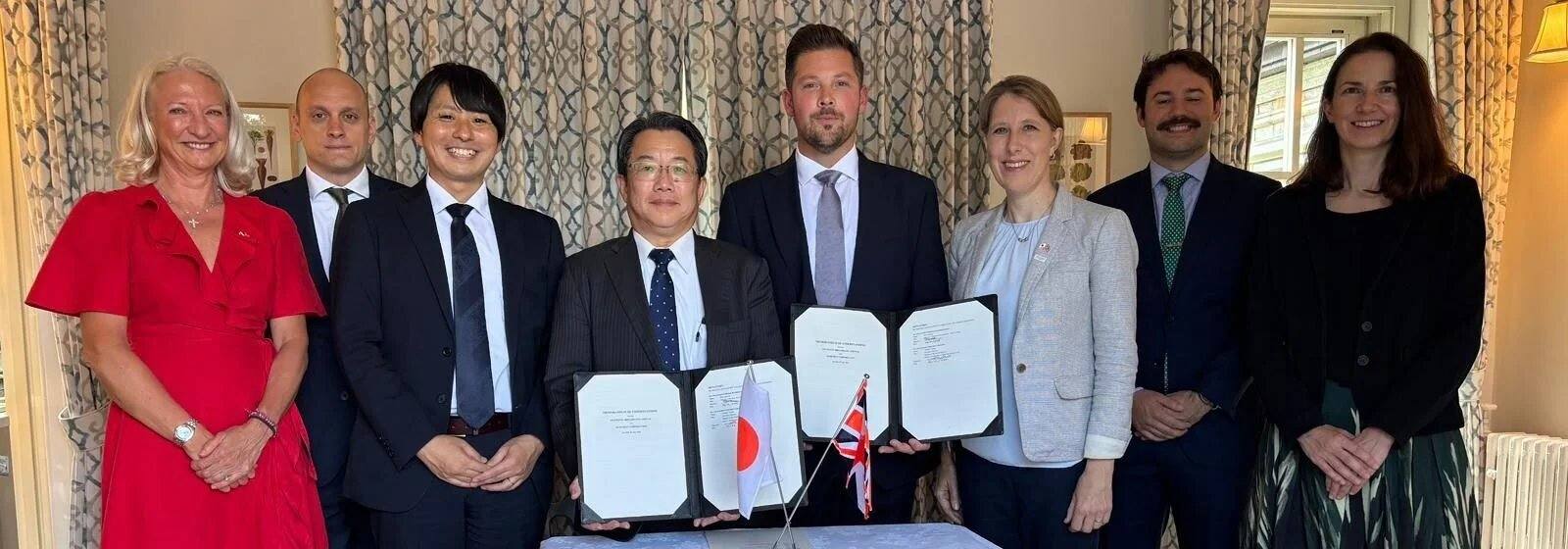
By hyperscale AI standards, the initial capacity of 42 MW is not large, with phased deployment. The alliance aims to add another 40 MW within a year of operation. Long-term capacity will exceed 400 MW, depending on grid availability and the planning of French transmission operator RTE. The partner list showcases Europe's complete industrial chain: Nhood provides real estate and urban renewal expertise; Demathieu Bard handles construction development; Equans manages multi-technical facilities; Projex participates in engineering design; Socomec provides power infrastructure; regional energy supplier ÉS Group offers energy support; and Haffner Energy supplies biomass-based energy technology.
In the computing domain, Strasbourg-based 2CRSi provides high-performance servers and is an elite partner of AMD and NVIDIA; SiPearl brings a European processor vision; Axelera AI offers AI inference systems; Viridien has accumulated expertise in high-performance computing infrastructure; and Dassault Systèmes provides sovereign cloud operations through OUTSCALE Cloud & AI. This reflects that Europe has yet to have a vertically integrated AI infrastructure leader, hence the alliance structure.
The project also highlights the complex relationship between sovereignty and supply chains. 2CRSi's role includes AMD and NVIDIA systems, meaning that the capacity of Europe's first AI super factories will still partially depend on non-European accelerator supplies. SiPearl and Axelera AI may change this balance, but European chips require software support, developer familiarity, and competitive performance economics. Founder and 2CRSi Chairman Alain Wilmouth believes Europe already possesses the expertise to build strategic AI infrastructure. SiPearl founder Philippe Notton noted that a joint hardware approach involving SiPearl processors, Axelera AI accelerators, and 2CRSi high-density servers is advancing.
Energy is another pressure point. Even if AI campuses use low-carbon energy, they may strain regional grids. Waste heat reuse depends on specific locations, and biomass energy will face scrutiny over feedstock, costs, and emission accounting. Regional politics may provide support, with the Grand Est region and the Strasbourg European Metropolis already expressing backing. The site is located in the Rhine economic corridor, offering an industrial base and cross-border relevance.
The project still faces multiple conditions: sites must be acquired, capacity must be guaranteed by the grid, partners must coordinate, European hardware must be deployable at scale, customers must commit, and the European Commission must evaluate the tender. ÆTHER hopes to prove that Europe can create, power, host, and operate AI infrastructure within its borders. The first test is whether the two industrial sites near Strasbourg can meet expectations in terms of schedule, power, and economics, becoming fully operational AI campuses.