Bloom Energy and Brookfield to Expand Cooperation Financing to $25 Billion
en.Wedoany.com Reported - Bloom Energy and Brookfield have announced an expansion of their strategic cooperation framework, increasing the financing scale from $5 billion to $25 billion, with a focus on providing on-site power for artificial intelligence infrastructure. This amount has grown fivefold since October 2025.
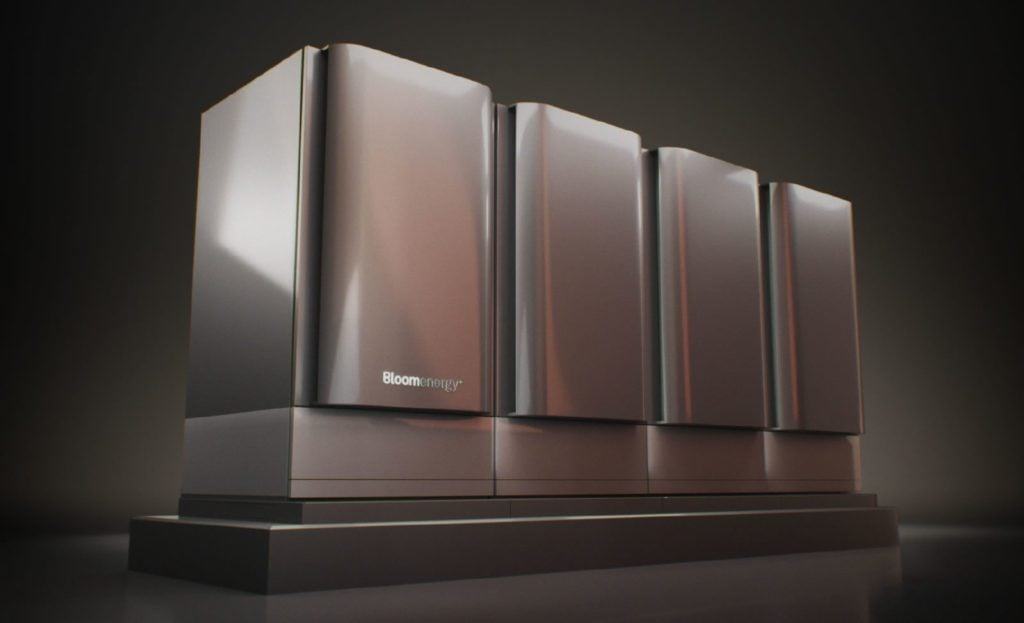
Both parties stated that the new funds will be used to expand fuel cell partnerships globally, combining Brookfield's experience in AI infrastructure development, capital access, and large-scale operations with Bloom Energy's rapidly deployable on-site power platform. This collaboration falls under Brookfield's dedicated AI Infrastructure Fund, launched in November 2025 with a target deployment size of $100 billion, strategically focusing on investments in large-scale artificial intelligence factories, power solutions, computing infrastructure, and strategic capital partnerships. Brookfield has cumulatively invested over $100 billion in digital infrastructure and clean power assets.
Aman Joshi, Chief Commercial Officer of Bloom Energy, stated that this commitment reflects strong market momentum, evidenced by recently announced large-scale transactions. Bloom Energy is uniquely positioned to meet the demand for clean, reliable power from AI, and looks forward to deepening cooperation with Brookfield on large projects.
Last summer, Bloom Energy announced it would deploy its fuel cell technology at some Oracle Cloud Infrastructure (OCI) data centers in the United States, claiming it could provide on-site power for an entire data center within 90 days. The company has previously reached on-site power agreements with Equinix, American Electric Power (AEP), and Quanta Computing.
According to the U.S. Department of Energy (DOE), solid oxide fuel cells are typically used for auxiliary power, electric utilities, and distributed generation. Advantages include high efficiency (60% lower heating value), fuel flexibility, combined heat and power (CHP) capability, and hybrid/gas turbine cycle capability. However, disadvantages include high-temperature corrosion, cell component degradation, long startup times, and limited shutdown cycles.
Data centers have historically used on-site power for backup purposes, but have recently shifted to using it as a primary power source due to delays in grid connections. Using on-site power helps alleviate pressure on the aging U.S. power grid. Surveys have found that in key U.S. markets, utilities report significantly extended power delivery timelines, typically 1 to 2 years longer than expected by hyperscale and colocation developers.
In November 2024, American Electric Power (AEP) agreed to purchase up to 1 gigawatt (GW) of Bloom Energy solid oxide fuel cells for data centers and other large energy users requiring rapid power supply during grid construction.
Related Products

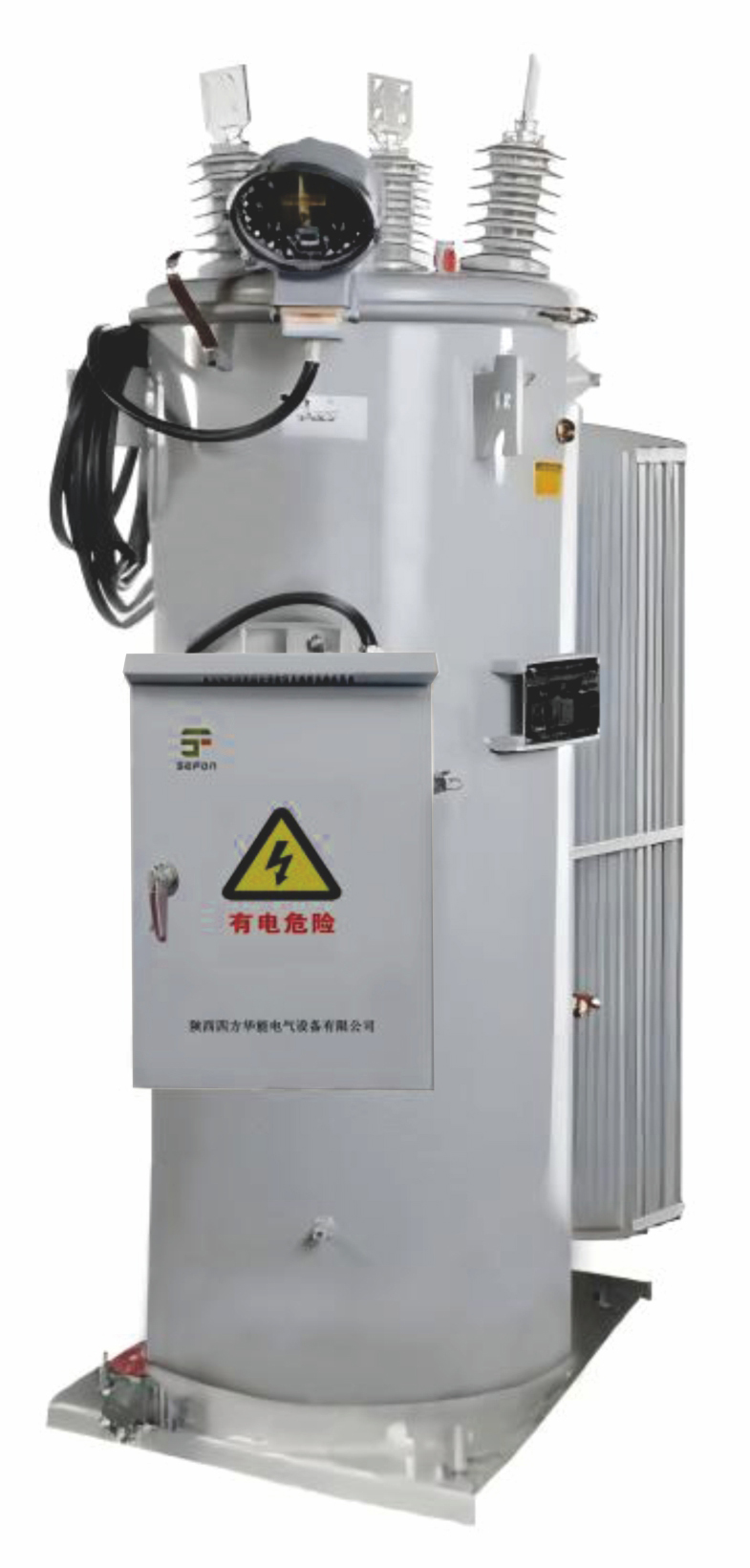
Single-Phase Automatic Voltage Regulator(AVR)
Shaanxi Sefon Electrical Equipment Co.,Ltd.
Electromagnetic Fluid Seawater Floating Oil Separation and Recover Equipment
Huate Magnet Group Co., Ltd.

Modular Multifunctional Water Supply and Drainage Vehicle (18T)
Changsha Dewater Machinery Technology Co., Ltd.
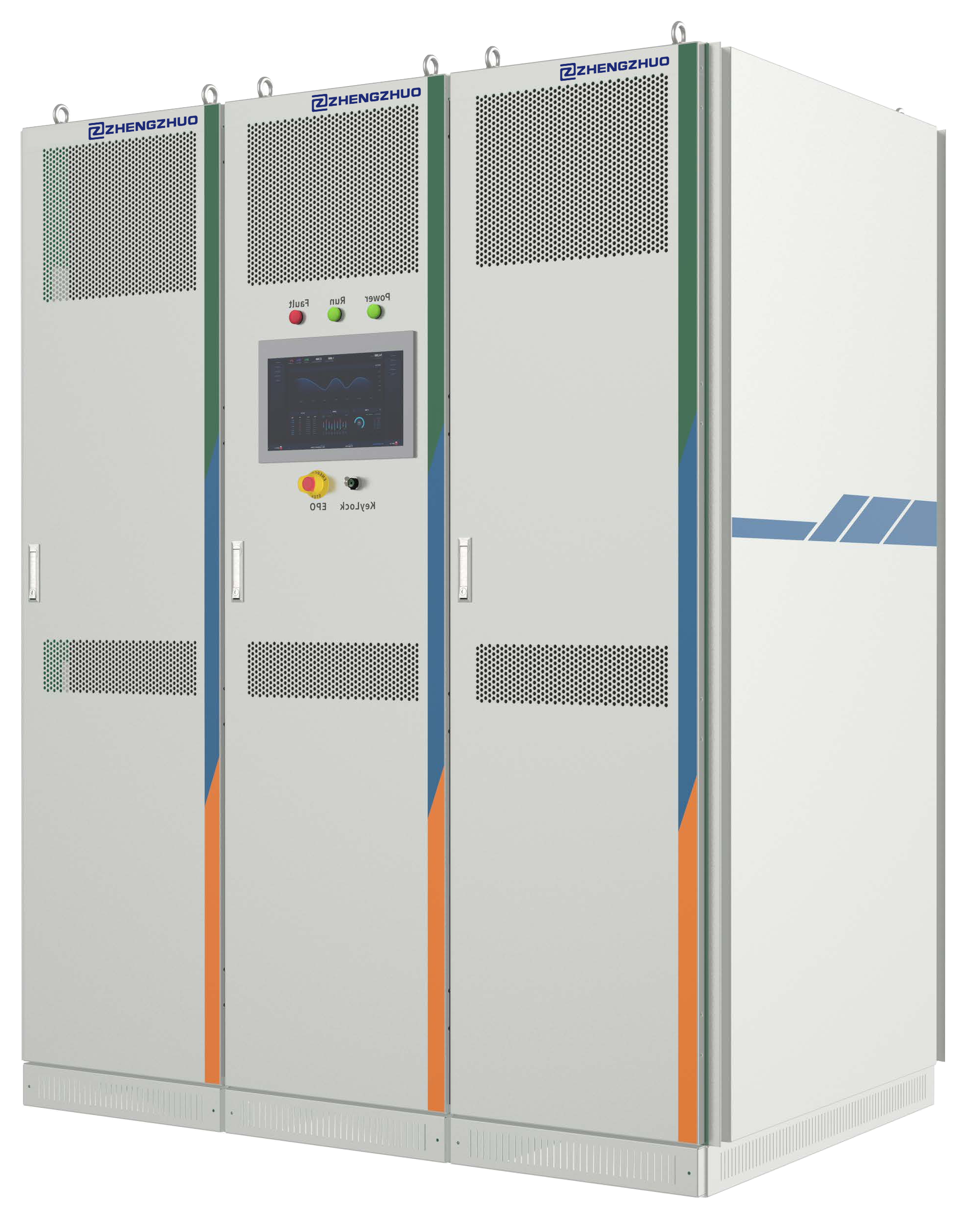
IGBT Hydrogen Production Power Supply - High Power Air Cooling
Beijing Zhengzhuo Engineering Technology Co., Ltd.
Standard Nozzle Flowmeter
Jinggong Automatic Control Instrument Complete Technology Development Company