Nanjing LNG Bunkering Station in China Reaches 3,560 Tons in First Half of 2026
en.Wedoany.com Reported - China's first floating pontoon LNG bunkering station, "Haigangxing 01," has seen a surge in demand, with a total bunkering volume of 3,560 tons in the first half of 2026, serving 254 vessels. The monthly average reached 600 tons and 42 vessels, marking a leap from the mere hundreds of tons recorded in the previous year. Located on the south bank of the Baota Waterway in Nanjing's Baguazhou area, the station is invested by Jiangsu Haigi Ganghua Gas Co., Ltd. and has been in operation since September 2013. It is currently the only waterborne LNG bunkering station in Jiangsu Province.
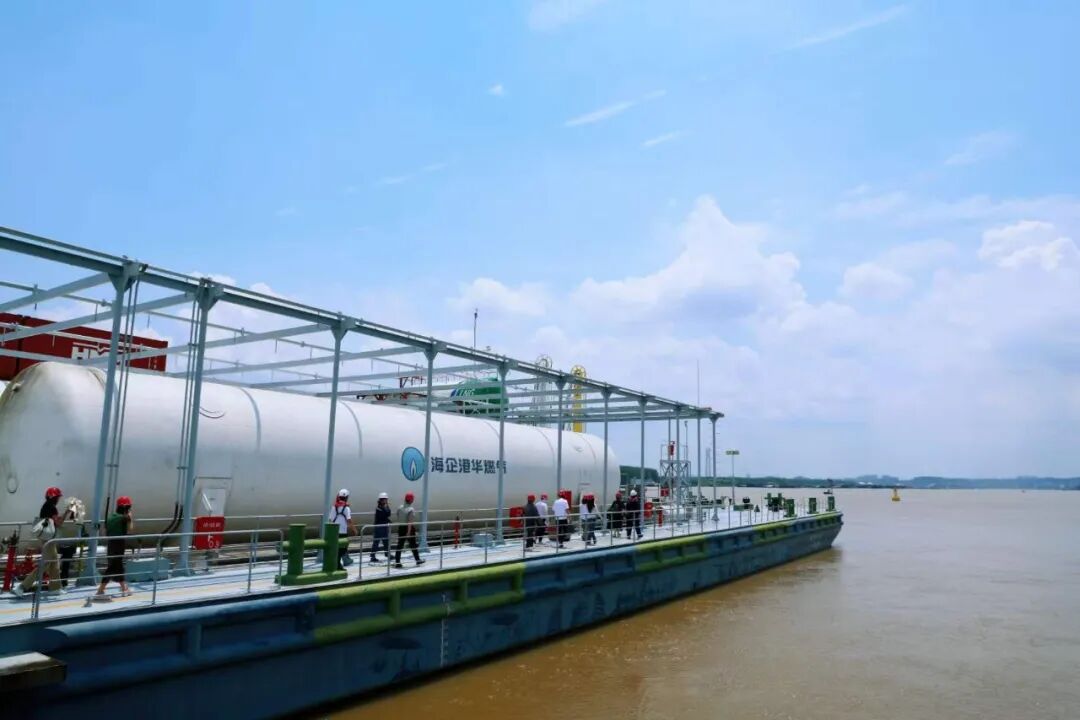
Ma Jian, Assistant General Manager of Jiangsu Haigi Ganghua Gas Co., Ltd., noted that despite persistently high LNG prices in the first half of 2026, bunkering demand has not weakened. From 2013 to 2024, the station cumulatively bunkered only 6,460 tons across 630 vessel calls, with an annual average of 540 tons. In 2025, the annual volume was 708 tons, while the first half of 2026 alone has already surpassed last year's total. The core driver of growth is policy incentives: in 2024, the state introduced subsidies for retrofitting old vessels and building new new-energy vessels, with single-fuel LNG vessels receiving higher subsidy coefficients, significantly boosting shipowners' enthusiasm for construction. Since May 2025, a large number of newly built LNG vessels have been launched, typically measuring 130 meters in length with single-vessel tank capacities of up to 80 cubic meters, far exceeding the small tanks of 5 to 20 cubic meters in earlier years, greatly increasing single bunkering volumes. Ma Jian expects bunkering volumes to continue growing through the end of 2028.
In terms of safety management, Zhou Wei, Deputy Director of the Dachang Maritime Office of the Nanjing Maritime Safety Administration, outlined a full-chain approach: pre-operation checks on personnel qualifications and specialized bunkering plans, with operations prohibited in adverse weather; on-site supervision via patrol boat deployments, VTS vessel traffic management systems, comprehensive CCTV, and intelligent AI monitoring around the clock; and an emergency response system featuring regular joint drills and fully stocked rescue equipment. The Nanjing Maritime Safety Administration is accelerating the adoption of clean energy sources such as LNG, methanol, ammonia, and shore power, while phasing out old, high-pollution vessels. Currently, the Nanjing section of the Yangtze River has put into operation methanol-diesel dual-fuel vessels, pure methanol electric vessels, ammonia-powered vessels, and pure electric container ships. Leveraging its geographical advantages, the administration is also advancing the construction of container battery swap stations, methanol bunkering stations, and ammonia bunkering terminals to build a diversified new-energy vessel refueling network.
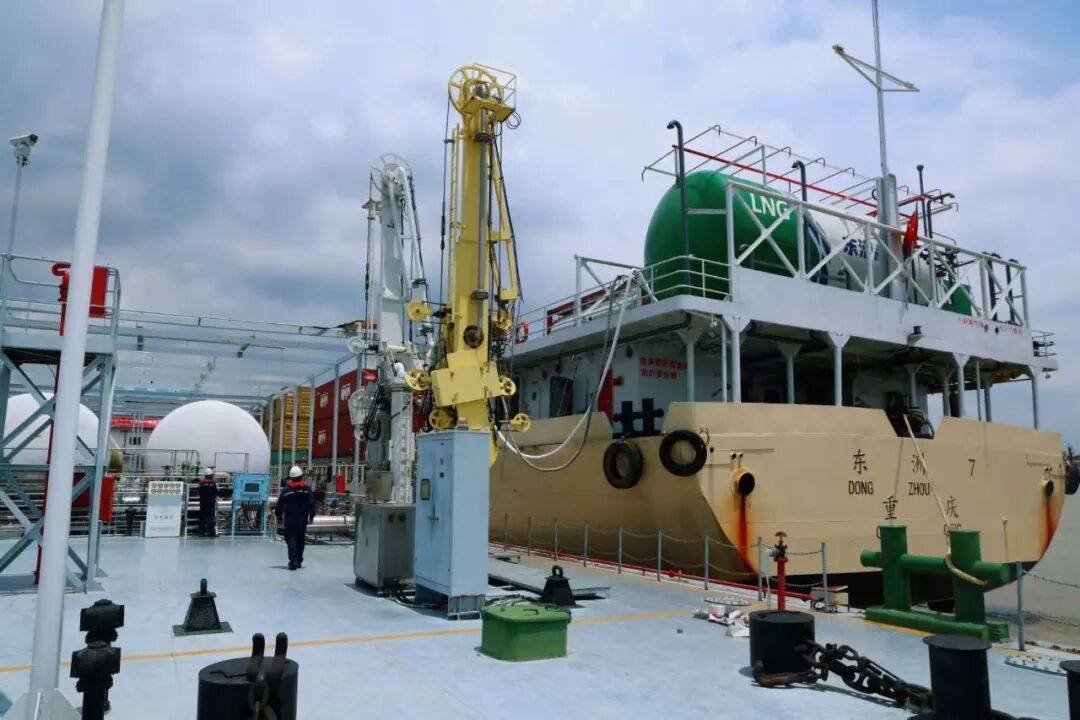
Zhou Wei pointed out that the large-scale adoption of new-energy vessels poses new challenges for maritime regulation. Pure electric vessels rely on large energy storage batteries, while ammonia-powered vessels combine cargo and fuel supply functions, with equipment structures and risk profiles differing from traditional vessels. Regulators must continuously learn and update standards. As a key shipping hub on the Yangtze River, Nanjing is home to major shipbuilders like Jinling Shipyard. A thousand-ton methanol-electric intelligent fleet and the world's first ocean-going ammonia-fueled vessel have completed maiden voyages and demonstration operations here, with multiple green container routes operating regularly, forming an inland river low-carbon shipping ecosystem integrating shipbuilding, terminal bunkering, and green routes. Compared to traditional marine fuel oil, LNG can significantly reduce sulfur and nitrogen oxide emissions, cut carbon dioxide emissions by over 20%, and lower engine wear and maintenance costs. Vessels using LNG power also benefit from port green vessel incentive policies.
In the first half of 2026, the Nanjing Maritime Safety Administration introduced a "one-stop" full-chain regulatory service plan for LNG bunkering. During flood season and periods of high temperatures and strong convective weather, it urged enterprises to inspect and rectify 53 hazards, including 13 major hazards that were all closed out. The administration established a daily risk assessment checklist, implemented "one vessel, one policy" precise scheduling for bunkering vessels, deployed patrol boats to manage traffic during peak hours, and proactively assisted enterprises in improving emergency plans and conducting crew safety training. It also advanced nighttime bunkering safety assessments to enhance bunkering turnover efficiency.
Related Products

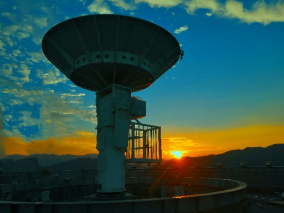
714CD Series C-Band Weather Radar
Chengdu Zhongdian Jinjiang Information Industry Co., Ltd.
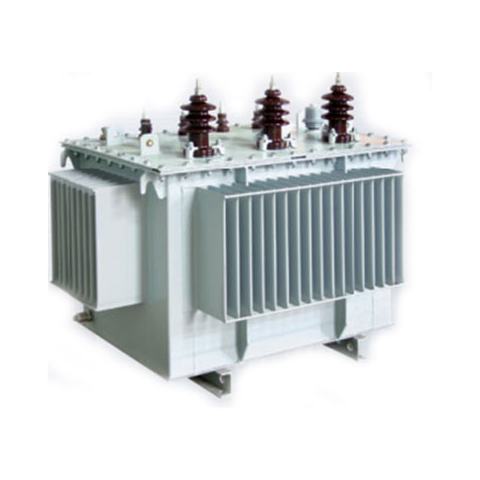
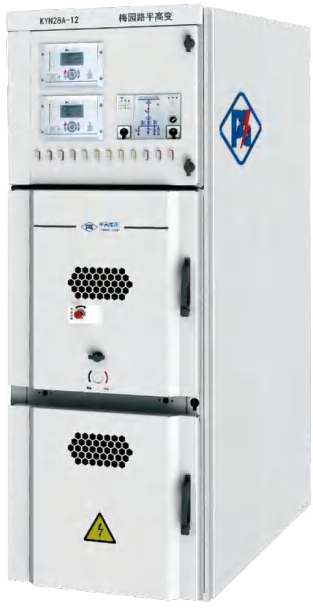
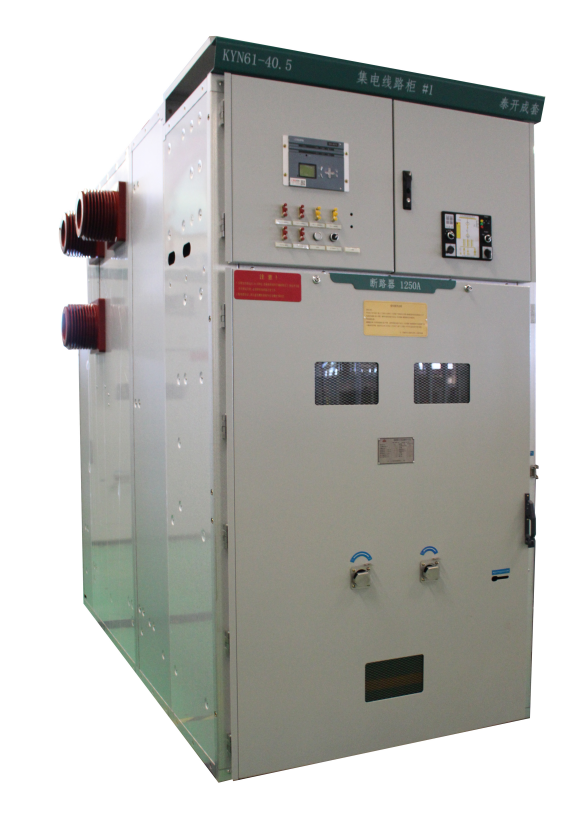
KYN28A-12 Metal Armored Removable Switchgear
Tianjin Ping Gao Intelligent Electric Co., Ltd.

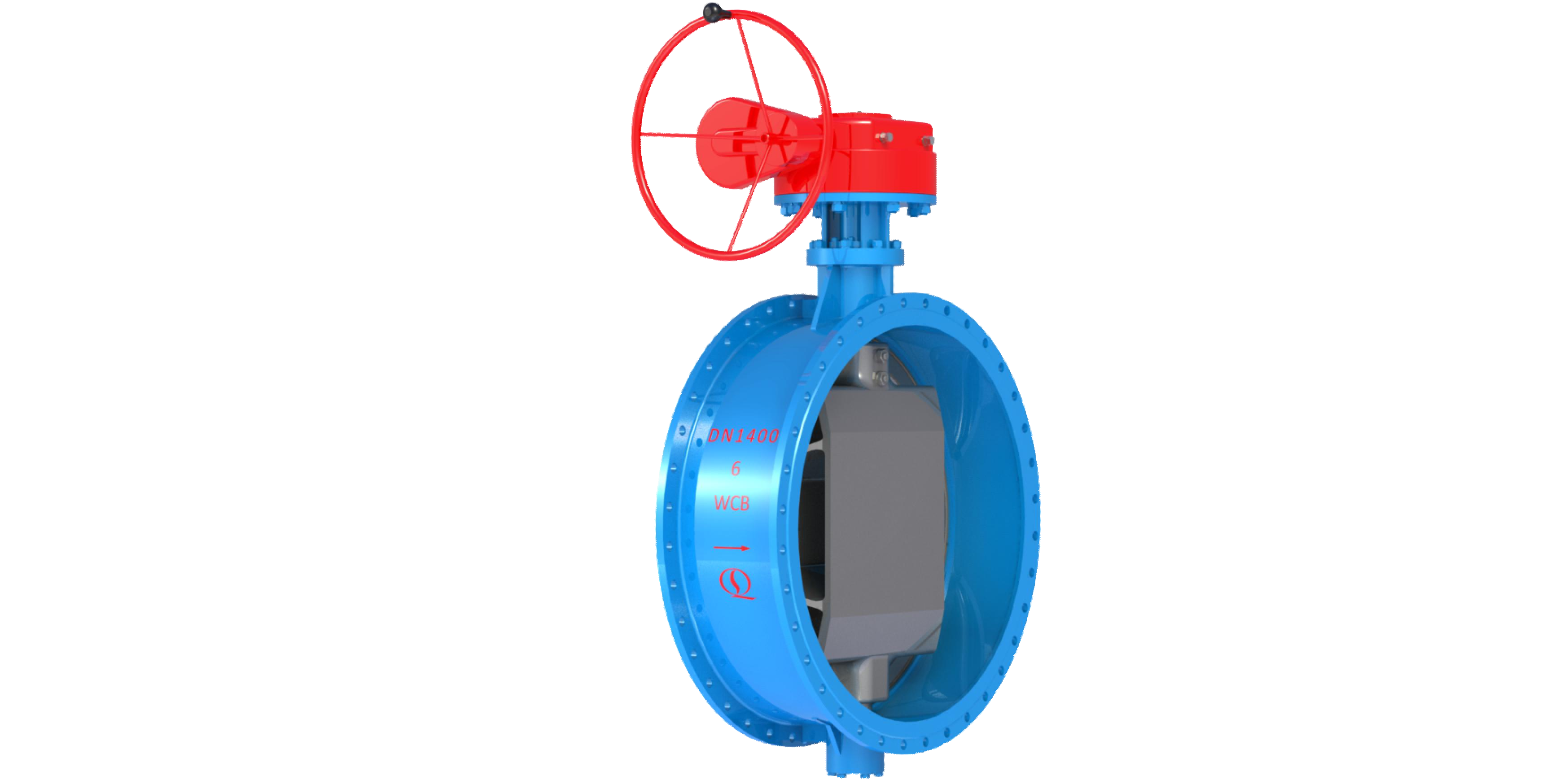
Bidirectional Metal Hard Sealed Seawater Butterfly Valve
Henan Quanshun Flow Control Science & Technology Co., Ltd.