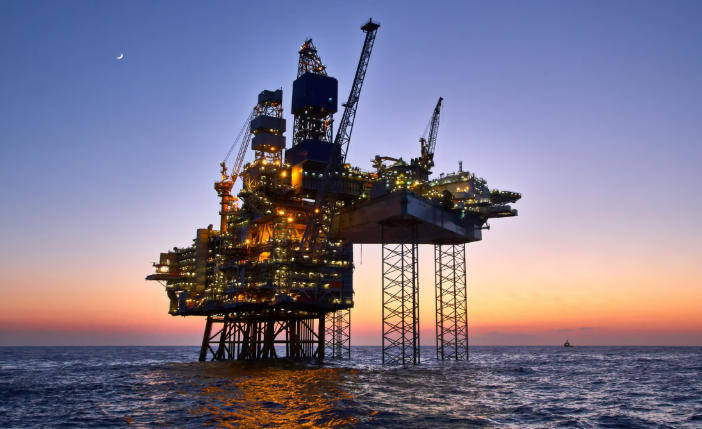
Petrochemical Pipeline Fittings Are Becoming Critical Nodes in Process Reliability
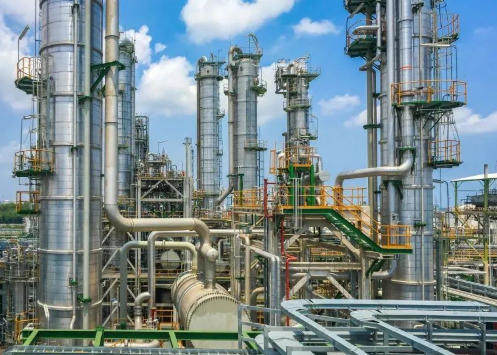
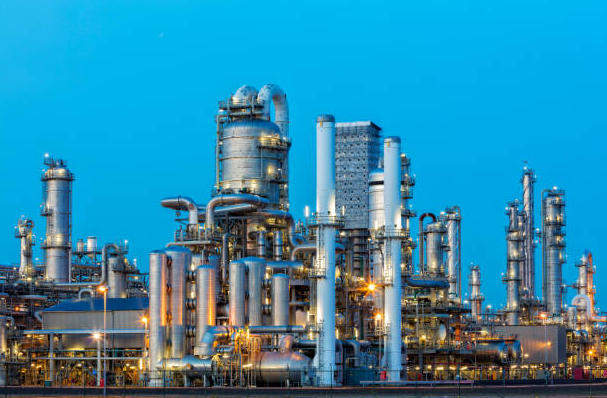
en.Wedoany.com Reported - As integrated refining and chemical complexes, ethylene units, aromatics plants, coal chemical projects, LNG terminals, oil storage facilities and specialty chemical plants continue to upgrade, Petrochemical Pipeline Fittings are gaining more strategic value. Elbows, tees, reducers, flanges, caps, socket fittings and fasteners are no longer viewed only as standard connection parts. They are directly related to process safety, pressure boundary integrity, maintenance efficiency and long-cycle plant operation.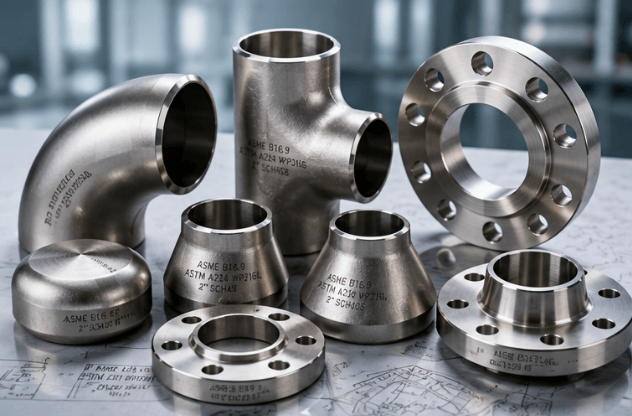
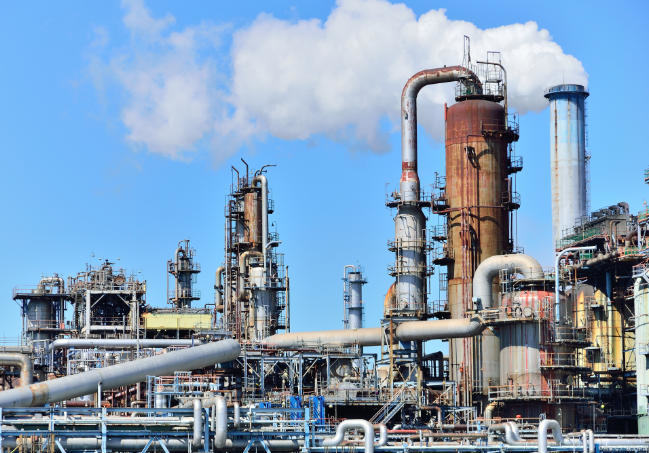
Petrochemical piping systems operate under more demanding conditions than ordinary industrial pipelines. The transported media may be hot, pressurized, flammable, explosive, corrosive, toxic or polymerizing. The piping system may also face thermal expansion, vibration, pressure fluctuation, erosion and external corrosion. If a fitting has a problem in material selection, wall thickness, welding quality, sealing surface or dimensional tolerance, the result may be leakage, unplanned shutdown or a serious safety incident.
Selection should therefore go beyond nominal size and connection type. Engineers need to evaluate fluid properties, design pressure, design temperature, corrosion allowance, piping class, welding process and inspection requirements. Carbon steel, stainless steel, alloy steel, duplex stainless steel, nickel alloy and lined anti-corrosion materials all have different application ranges. In services involving sulfur, chlorine, acid gas, aggressive solvents or high-temperature cracking media, material selection becomes especially important.
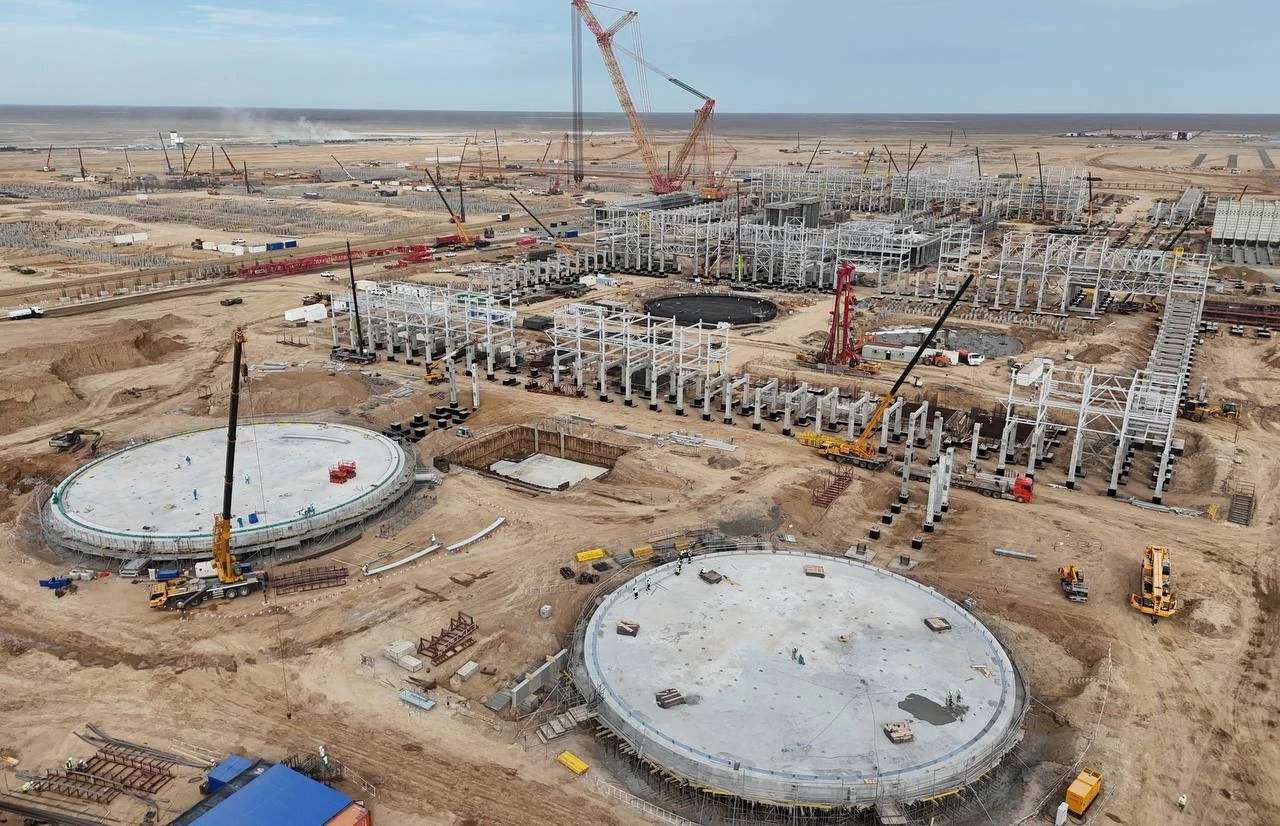
Pipeline fittings also influence construction progress. A large petrochemical project may involve thousands of piping lines, many material classes and highly detailed specifications. If fittings are delayed, poorly marked, dimensionally inconsistent or delivered without complete quality documents, the progress of prefabrication, installation, pressure testing and commissioning can be affected.
A mature supplier is expected to provide more than qualified products. Project bill-of-material management, batch traceability, nondestructive testing, material certificates, packaging marks and site technical coordination are becoming part of the supply chain value. In this sense, pipeline fitting procurement is not a low-value accessory purchase. It is part of pressure piping safety management.
In the future, petrochemical pipeline fittings will develop toward higher reliability, stronger traceability, better standardization and more engineering-oriented service. Suppliers that can combine material control, manufacturing quality, inspection documentation and delivery organization will be better positioned in high-end petrochemical project supply chains.
Related Products


Industrial and Commercial Point-Type Gas Detector
Jinan Benan Technology Development Co., Ltd.
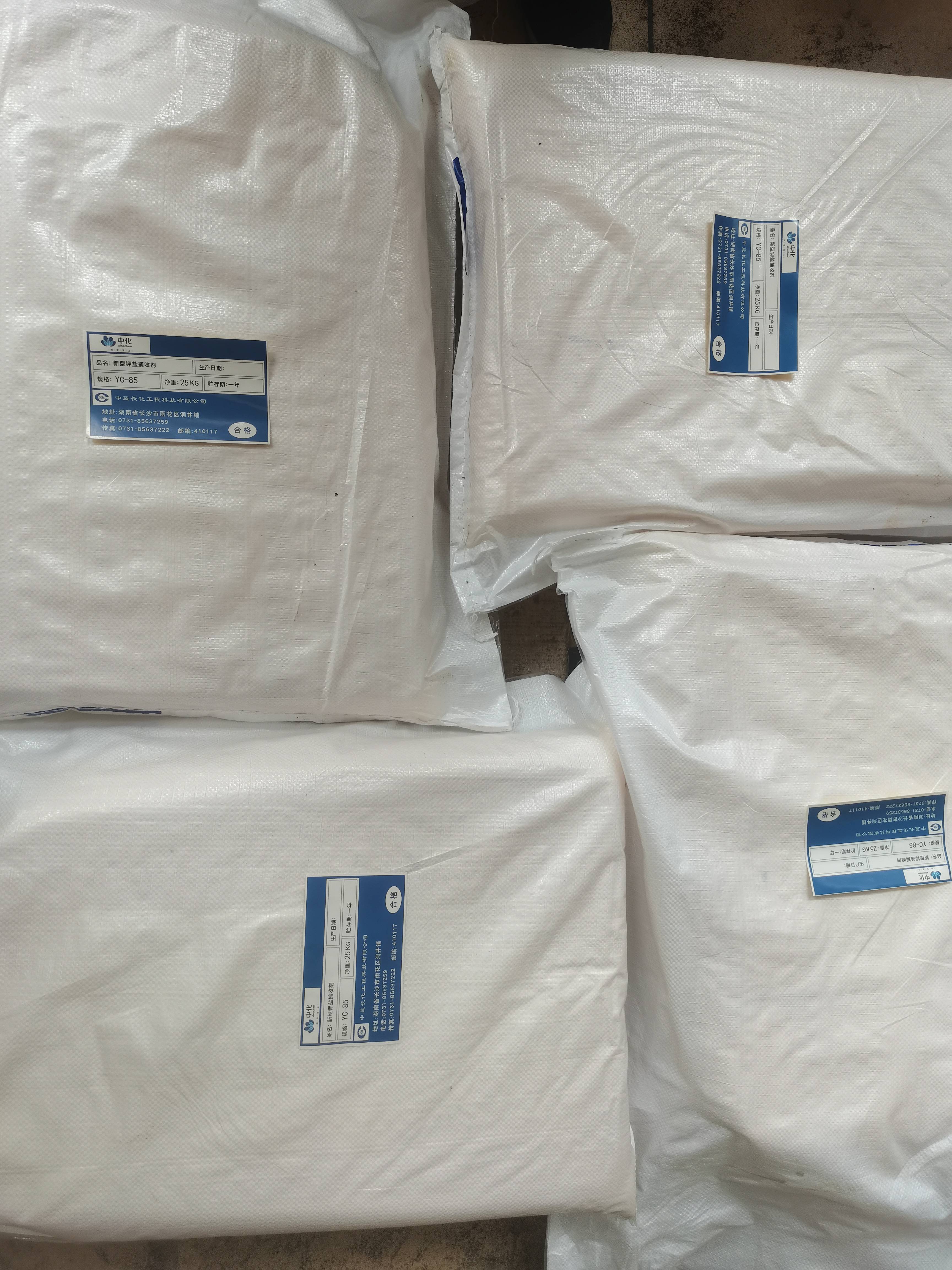
New Environmentally Friendly Green Potassium Salt Collector
Chonfar Engineering and Technology Co., Ltd.
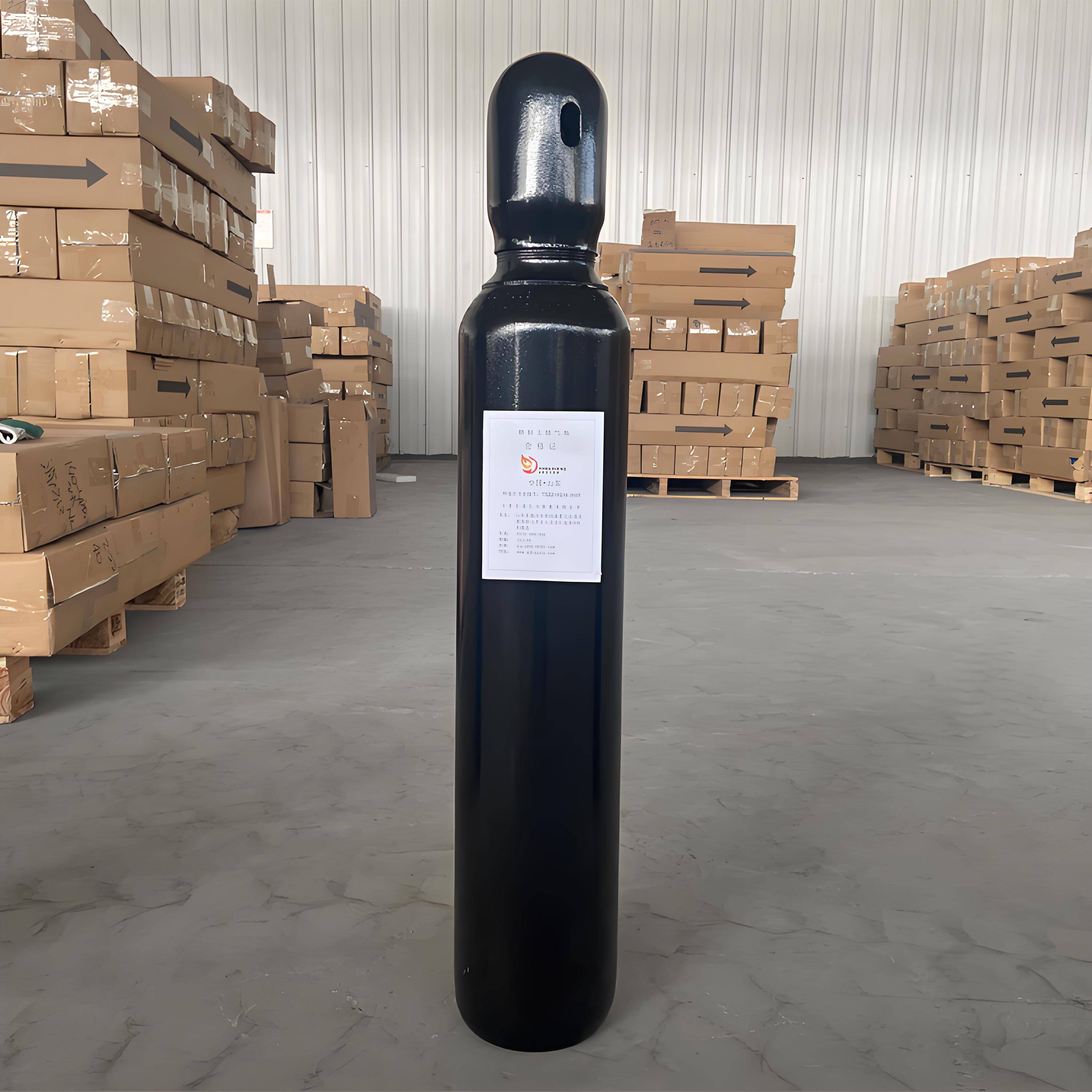
Nitrogen Export, Nitrogen Manufacturer, High-purity Nitrogen Supplier
Foshan Yuexin Industrial Gas Co., Ltd.