Overseas Petrochemical Projects Require Standard Adaptation and Delivery Discipline
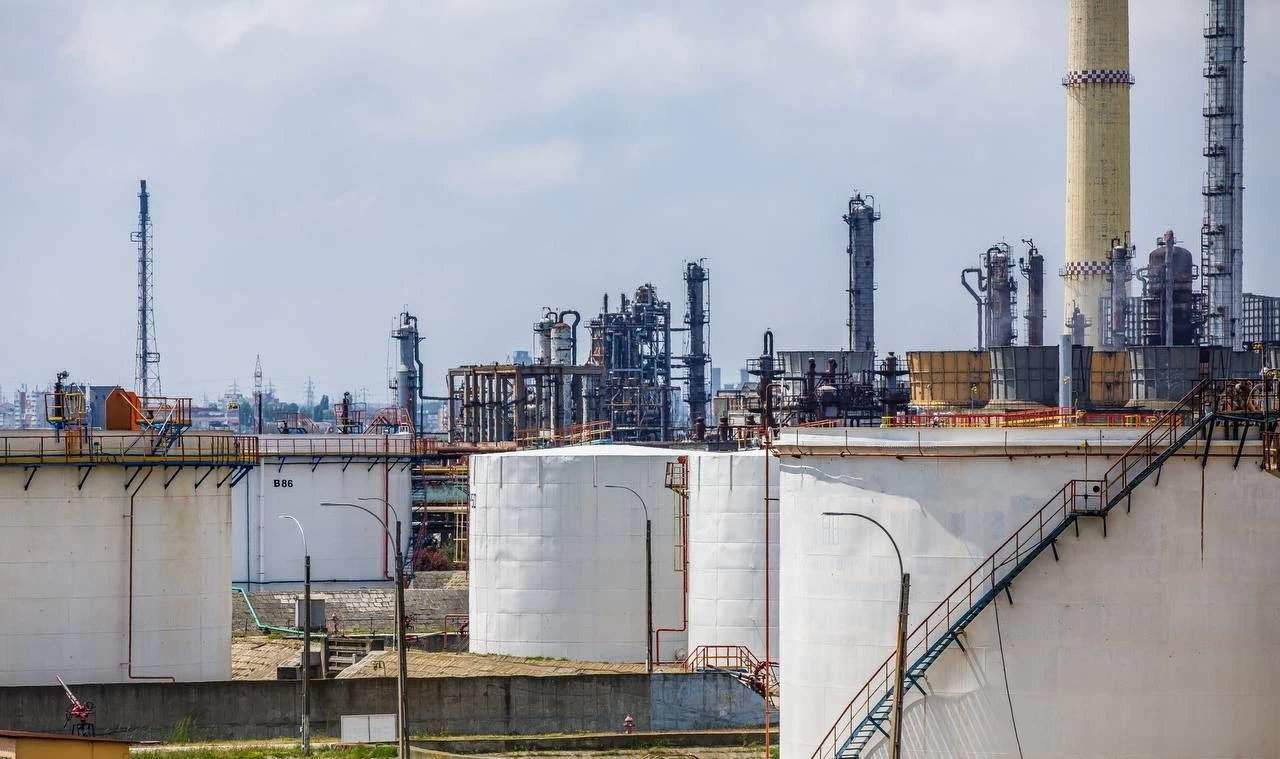
en.Wedoany.com Reported - Global refinery upgrading, gas infrastructure, LNG terminals, chemical parks, oil storage facilities, hydrogen projects and low-carbon fuel developments are supporting overseas demand for Petrochemical Pipeline Fittings. For fitting manufacturers, international business is no longer only about exporting elbows, flanges, tees and reducers. It is about entering EPC supply chains, owner-approved vendor lists, maintenance networks and localized engineering support systems.
Petrochemical projects have strong project-specific requirements. Different countries and project owners may apply different standards, material specifications, inspection rules and document formats. Middle Eastern projects often emphasize high-temperature service, corrosion resistance and large EPC delivery capability. Southeast Asian markets include refinery expansion, oil and gas storage and chemical park projects. Some African and Latin American markets have demand from energy infrastructure, mining-related chemical projects and oil terminal construction. Europe and North America usually have higher entry barriers related to certification, quality systems and compliance documentation.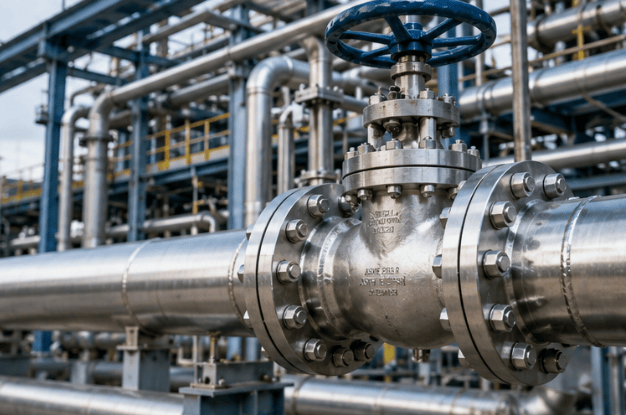
Standard adaptation is the first challenge. Suppliers need to understand differences among ASME, ASTM, API, EN, DIN, JIS and owner specifications. A product quotation based only on familiar domestic practice may not satisfy project requirements. Pressure class, dimensional series, wall thickness, material grade, heat treatment, nondestructive testing, low-temperature impact testing, sour service requirements, positive material identification and marking rules can all affect project acceptance.
Delivery discipline is equally important. Petrochemical pipeline fittings involve many sizes, material classes and delivery batches. If a small-size fitting is delayed or wrongly delivered, piping prefabrication and site installation may be disrupted. Overseas projects also require careful packaging, rust prevention, shipping marks, sea freight planning, customs documents, quality files and emergency replenishment for missing items.
A mature supplier therefore needs project management capability, not only manufacturing capability. Products should be organized by line package, material class and construction schedule. Documentation should be complete and easy for EPC contractors and owner inspectors to review.
In the future, international competitiveness will depend on three capabilities. The first is technical documentation: providing complete, standardized and reviewable quality records. The second is project delivery: organizing supply according to construction sequence and material requirements. The third is engineering service: supporting selection, material substitution review, maintenance spare parts and local customer communication. Suppliers with strong standards knowledge and supply chain organization will be better positioned for long-term orders in overseas petrochemical and energy infrastructure projects.
Related Products
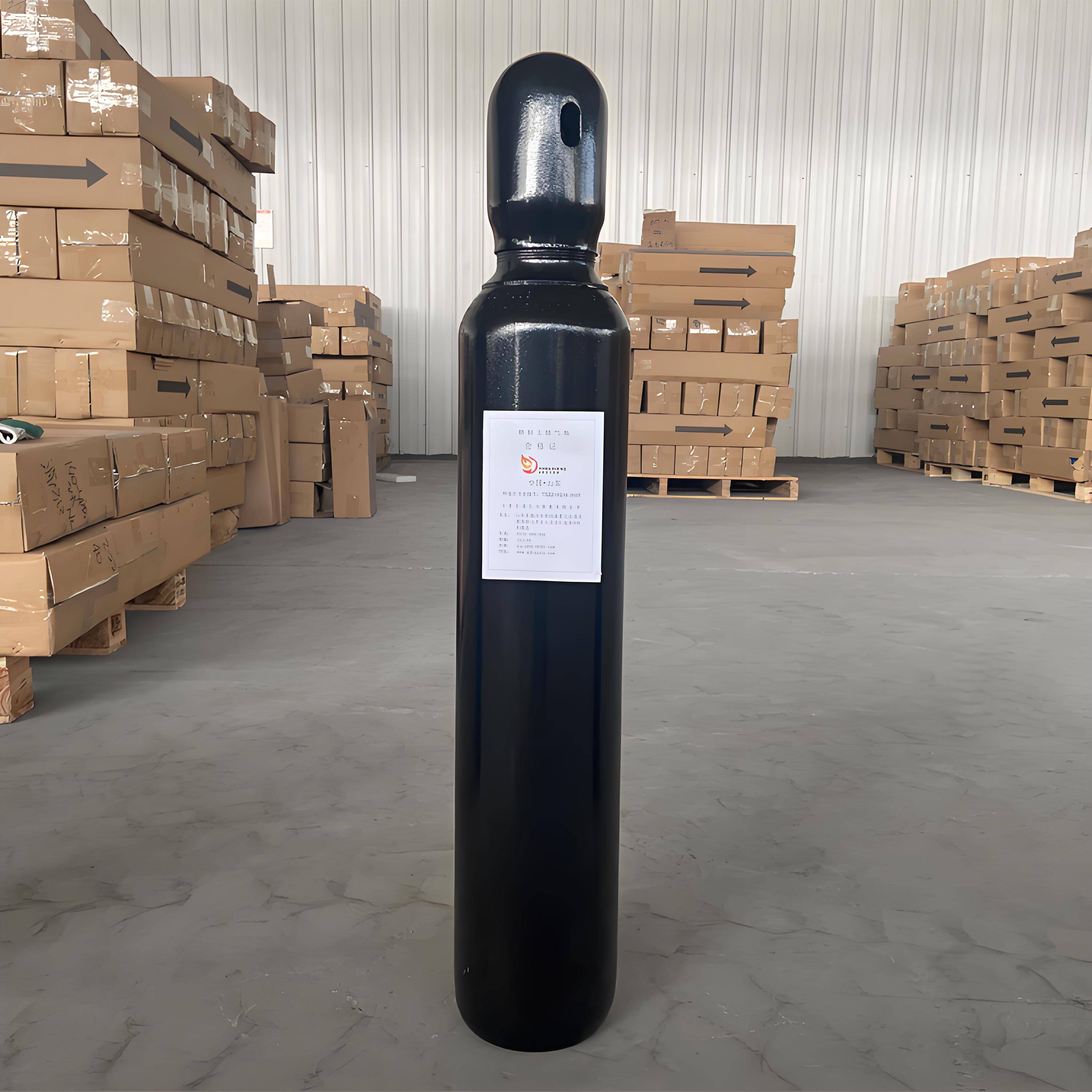

Nitrogen Export, Nitrogen Manufacturer, High-purity Nitrogen Supplier
Foshan Yuexin Industrial Gas Co., Ltd.

Industrial and Commercial Point-Type Gas Detector
Jinan Benan Technology Development Co., Ltd.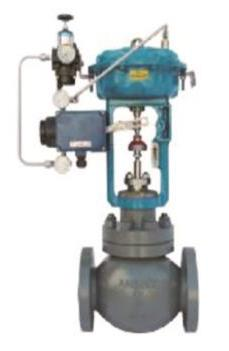
Quick-Change Single-Seat Control Valve / Quick-Change High-Pressure Single-Seat Control Valve
Beijing Consen Automation Technology Co., Ltd.
Steel Plates for Chemical Pressure Equipment
Gansu JISCO Group Hongxing Iron and Steel Co., Ltd.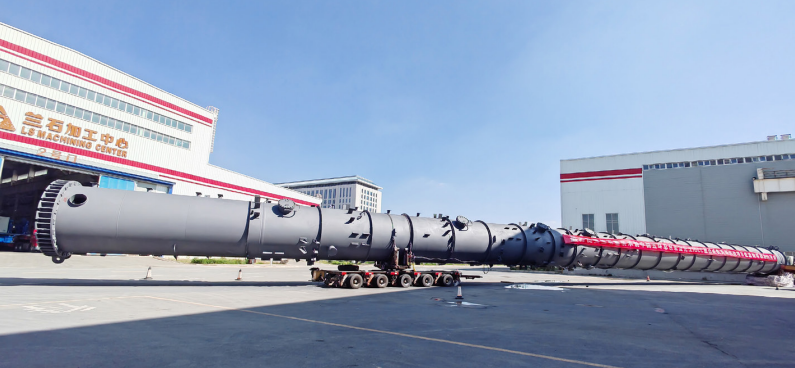
High Thermal Conductivity Encapsulating Resin
Nantong BESALL Sealing Technology Company.,Limited