Mineral Separation Is Moving Toward Higher Accuracy and Recovery
en.Wedoany.com Reported - As ore grades decline, deposits become more complex and environmental constraints increase, Ore Processing Equipment for mineral separation is becoming a key factor in improving resource utilization. Ore processing is not only about crushing and grinding. The economic value of a mine depends on whether valuable minerals can be efficiently separated from gangue, impurities and low-value material.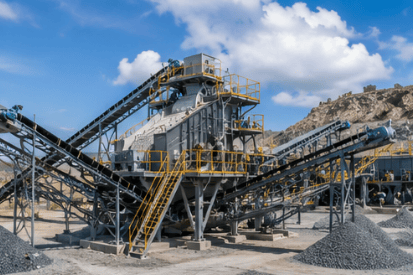
Traditional mineral processing uses gravity separation, magnetic separation, flotation, electrostatic separation and chemical leaching. The right route depends on the mineral type and ore characteristics. Magnetite ores often require magnetic separation. Sulfide copper ores are commonly processed by flotation. Gold ores may combine gravity separation, flotation and leaching. Spodumene lithium ores may require crushing, grinding, dense media separation, flotation or magnetic separation in different combinations.
These machines do not operate as isolated units. They form a continuous flowsheet. Poor performance in one stage can affect the next stage, reducing concentrate grade or recovery rate. This is why process design and equipment matching are as important as single-machine performance.
In recent years, pre-concentration and sensor-based sorting have gained more attention. X-ray transmission, near-infrared sensors, laser systems, color recognition and machine vision can help remove part of the waste rock before grinding. This reduces downstream grinding load, reagent consumption and tailings volume. For low-grade mines and projects with long transport routes, early waste rejection can significantly improve processing economics.
Flotation equipment is also upgrading. Finer particle sizes and more complex mineral dissemination require better control of agitation, aeration, froth behavior and reagent dosing. Column flotation, forced-air mechanical cells, coarse-particle flotation, fine-particle recovery and intelligent reagent control are helping mines improve concentrate grade and recovery. Magnetic separation is also moving toward higher field strength, higher gradient and better fine-particle treatment.
The future of mineral separation will rely more on mineralogical analysis and process data. Mining companies need sample testing, liberation analysis, online grade monitoring, particle-size detection and automatic control to match equipment operation with changing ore properties. For suppliers, the real competitiveness will be the ability to provide flowsheet design, equipment combinations and long-term process optimization services based on ore characteristics.
Related Products

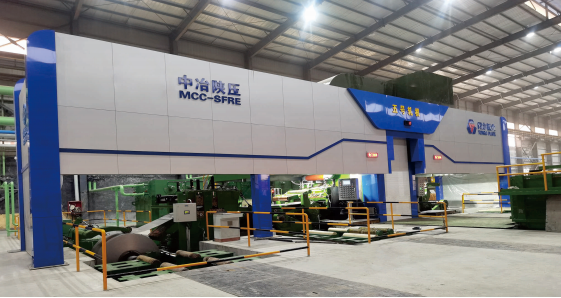
1050-1750mm Steel Strip Single-stand Reversible Cold Rolling Production Line
MCC-SFRE HEAVY INDUSTRY EQUIPMENT CO., LTD.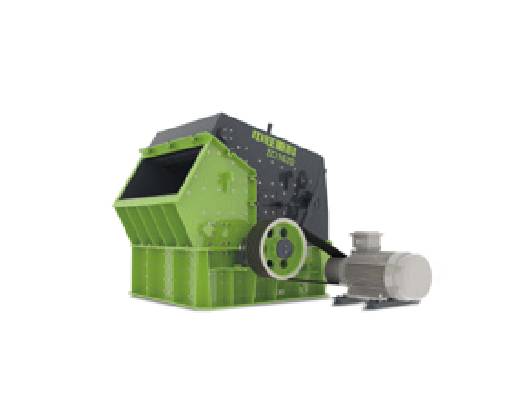
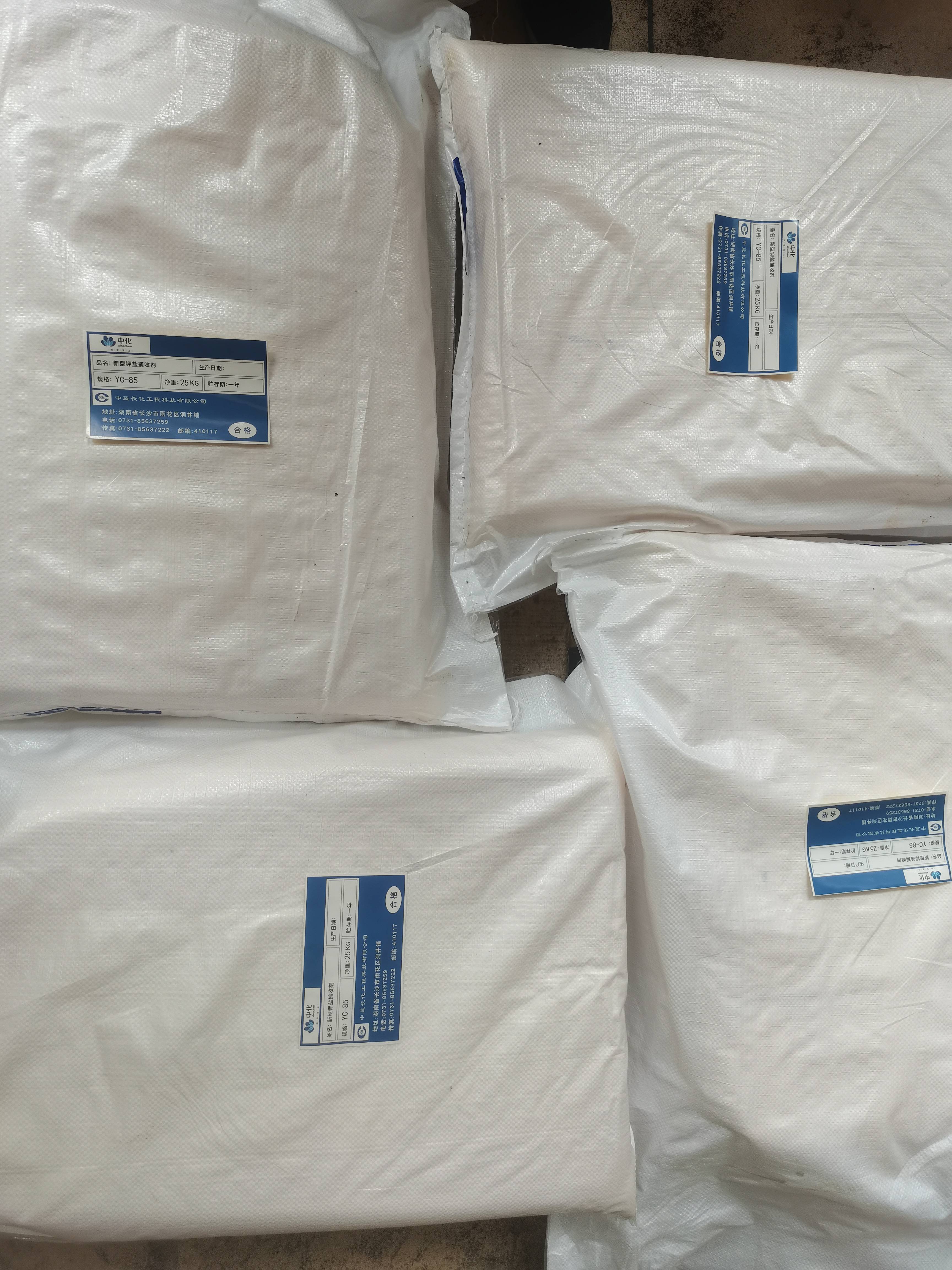
New Environmentally Friendly Green Potassium Salt Collector
Chonfar Engineering and Technology Co., Ltd.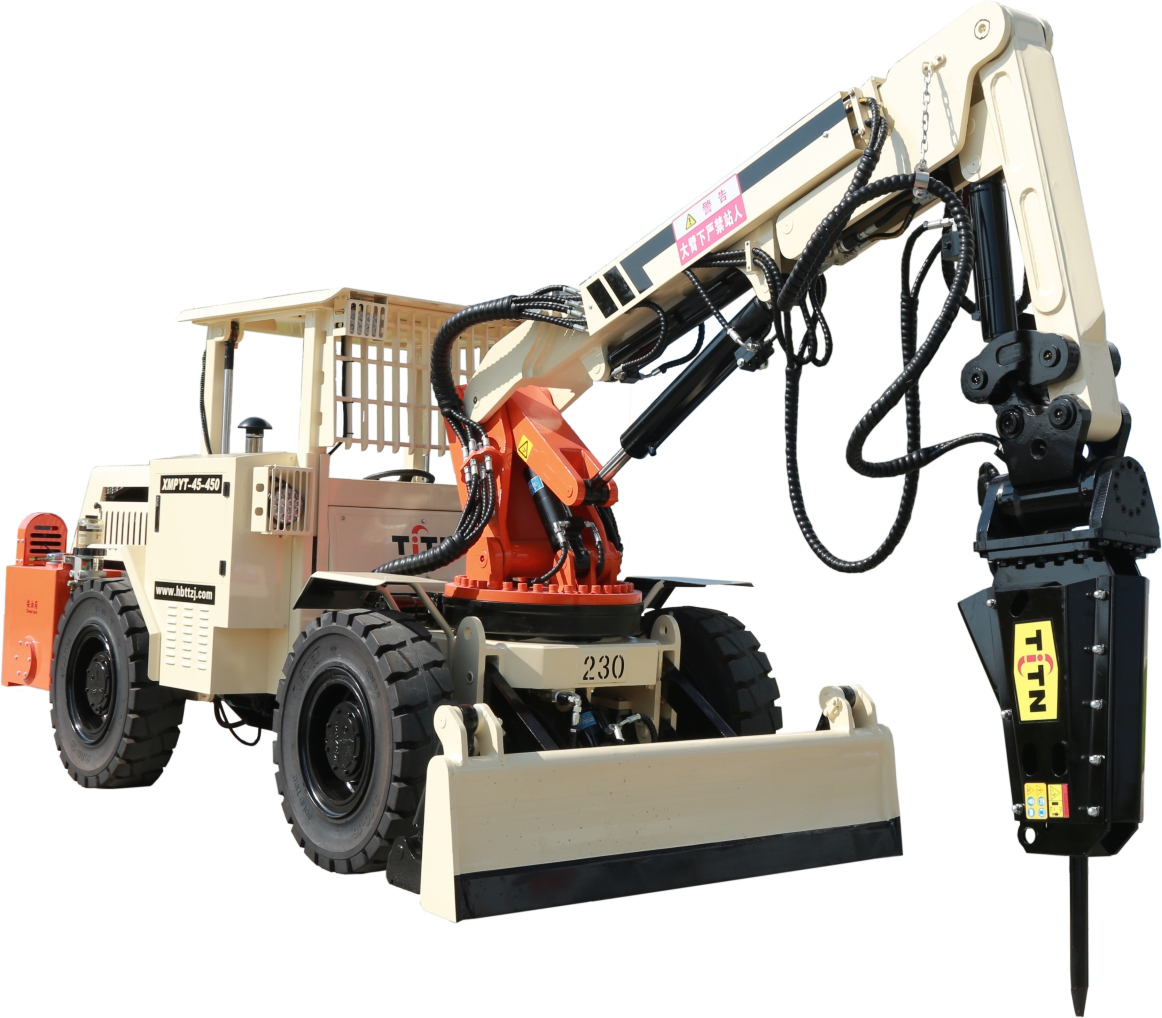

Mine Explosion-proof and Intrinsically Safe Industrial Ethernet Ring Network (10 Gigabit/Gigabit)
Chongqing Mas Sci&Tech Co., Ltd.
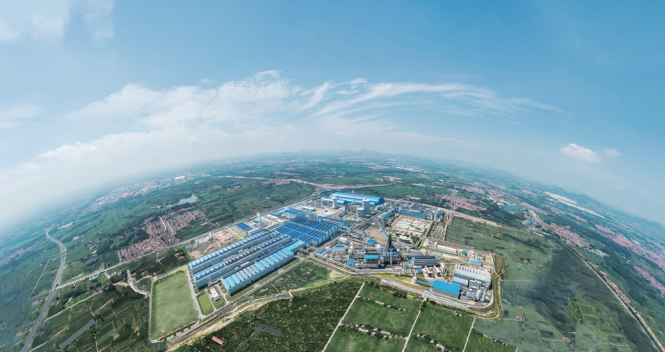
Linyi Steel Investment Special Steel 2.7 Million Tons per Year High-quality Special Steel Project
Capital Engineering & Research Incorporation Limited
High-temperature Equal Wall Thickness High-power Screw Drilling Tool
Orient Energy & Technologies Co., Ltd.