Argentine welding equipment manufacturer MEP upgrades servo drives to accommodate high-power rebar processing
en.Wedoany.com Reported - M.E.P. (Macchine Elettroniche Piegatrici) is a company that manufactures rebar bending, processing, and welding equipment. Due to changes in the coil materials being processed, the company was forced to upgrade its servo drives. The new machine design must handle rebar with a diameter of up to 26 mm, a significant increase from the previous standard of 16 mm. Additionally, the use of different materials such as stainless steel, along with industrial requirements to process two wires simultaneously to increase output, has fundamentally altered the mechanical and electrical specifications required for the equipment.
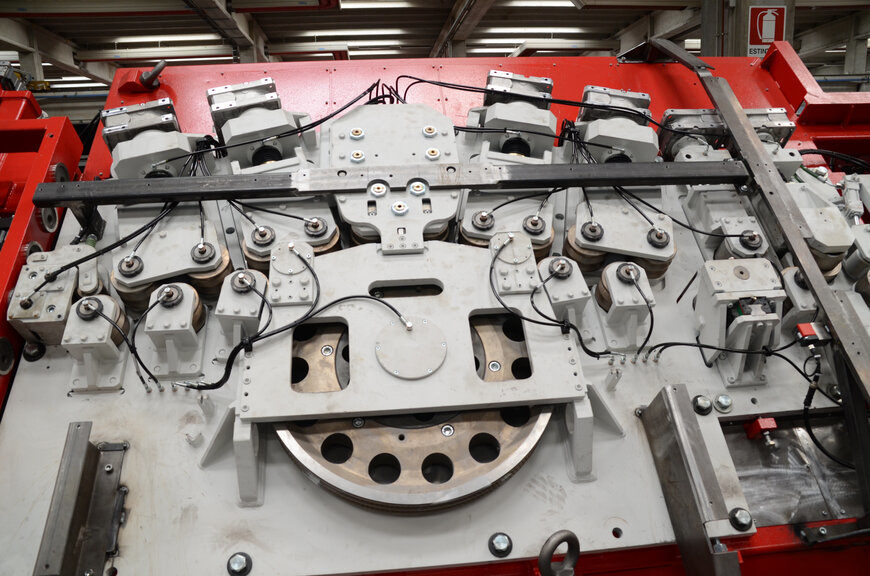
To address the increased mechanical load and output requirements, the engineering department needed more powerful servo axes, with the rated current demand rising from a maximum of 100 amps to 150 amps. Due to the discontinuation of previously used components, MEP selected the KEBA D3 drive platform to meet these higher power specifications. This solution was chosen for its open architecture, allowing the drives to communicate seamlessly across multiple industrial automation interfaces, including CANopen, EtherCAT, and PROFINET.
During the construction of a grid production plant in Argentina, a specific deployment challenge arose requiring the PROFINET protocol. MEP collaborated with technical partner Centro Automazioni to implement the KEBA D3 system to meet this requirement. The integration adopted the IRT PROFINET protocol, enabling the D3 drives to communicate directly with the plant's Siemens automation applications, ensuring stable, high-capacity operation.
MEP is further evaluating this drive platform for new rotor straightening and bending machines equipped with EtherCAT interfaces. In this application, the drive's shared DC bus solution compensates for the continuous high power required by the drawing system (including the rotor and rollers). This power consumption is balanced by energy regenerated from the shear unit, effectively reducing total power consumption and minimizing energy dissipated in external braking resistors.
Giles Haysom, MEP's Procurement Director, emphasized the potential for future technology integration based on these results: "In cutting and bending applications, it is highly likely that we will further expand cooperation at the servo motor level."
Related Products
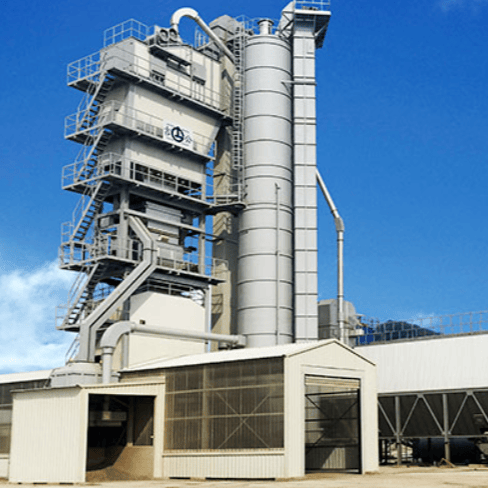

LBH4000 Batch Environmental Protection Asphalt Mixing Plant | Asphalt Batching Plant | Asphalt Mixing Plant
Jilin Province Road Construction Machinery Co., Ltd.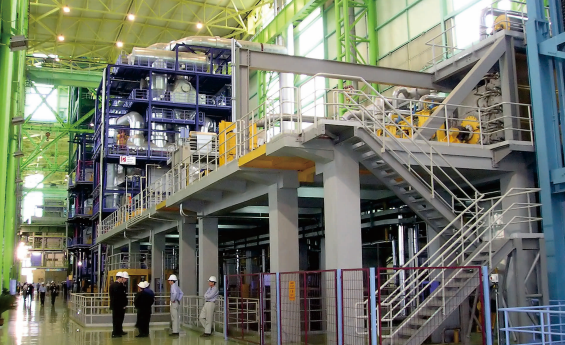
Strip Coating and Plating Production Line Equipment
MCC-SFRE HEAVY INDUSTRY EQUIPMENT CO., LTD.
Pneumatic high-pressure wear-resistant ball valve
Zhejiang Deca Control Valve Meter Co., Ltd.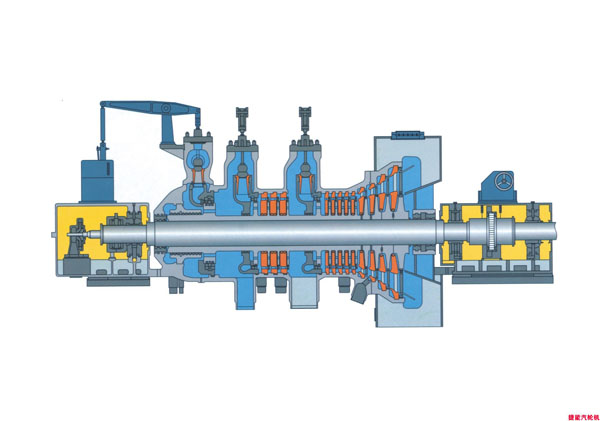
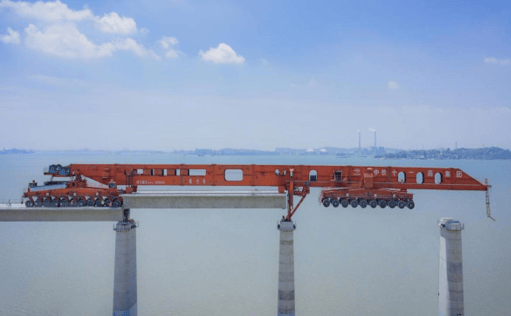
High-Speed Railway Lifting, Transporting, and Erecting Equipment: Integrated Transport and Erection Machine
Hanjiang Heavy Industry Co., Ltd. of China Railway 11th Bureau Group
Industrial and Commercial Point-Type Gas Detector
Jinan Benan Technology Development Co., Ltd.