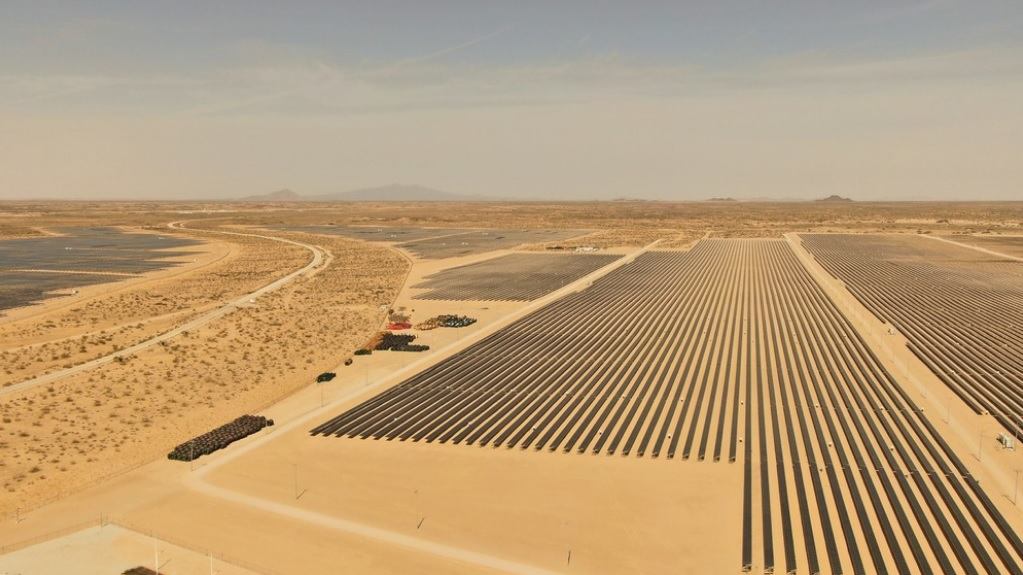
Solaredge’s New EV Charger Cuts Fleet Charging Costs by 70% With Solar Smarts
Wedoany.com Report-May 11, At Intersolar Europe 2025, SolarEdge unveiled a 22kW Level 2 SolarEdge ONE EV Charger, designed to enhance electric fleet charging with solar energy. This charger integrates with SolarEdge’s commercial solar and battery storage systems, managed by energy software acquired from Wevo Energy in 2024. It enables businesses to charge electric vehicle (EV) fleets using solar power, optimizing costs and clean energy use.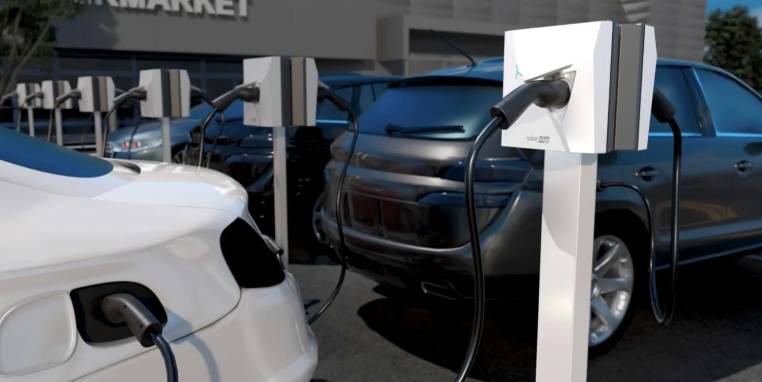
A beta tester, German retailer BV-comOffice GmbH, reported significant savings. “We’ve managed to cut our EV fleet charging costs by around 70% since installing SolarEdge’s PV and EV charging solution,” said CEO Christoph Vogl. “It’s smart enough to prioritize which vehicles charge when, so our sales reps are always ready to hit the road. Our employees are also really pleased to be charging their cars with clean energy.”
The charger prioritizes solar self-consumption, using surplus solar energy to power EVs, reducing dependence on grid electricity. It supports single- and three-phase power modes, automatically switching as needed. Its sleek design allows quick installation with snap-on wall mounting and flexible cable entry points.
The system’s intelligent software selects the most cost-effective energy source—solar, battery, or grid—based on real-time energy prices, solar production, and charging schedules. SolarEdge’s inverters allow up to 175% DC oversizing, directing excess solar power to EVs. The charger offers tiered charging modes, enabling businesses to prioritize critical vehicles, like sales teams, even using grid power if solar is unavailable, while others charge during peak solar hours.
Scalability is a key feature. The system adjusts charging to prevent overloading a building’s power supply, supporting up to 20 times more chargers without infrastructure upgrades. SolarEdge also introduced its ONE software platform for commercial users, offering remote troubleshooting, configuration, and real-time alerts to minimize downtime. A new AI phone support agent for EV charging was launched alongside it.
“The efficient integration of solar energy and public EV infrastructure is an important building block for more cost-effective and sustainable EV charging – after all, an EV fleet is only as clean as the energy that powers it,” said CEO Shuki Nir.
The commercial charger is available globally now, with a residential version expected in Q3 2025. This solution provides businesses with a practical way to lower EV charging costs while maximizing renewable energy use.
Related Products



YE3 Series Low Voltage High Power Three-Phase Asynchronous Motor
Shandong Lijiu Electrical Machinery Co., Ltd.


Environmentally Friendly Flame-retardant PVC Double-layer Insulated Wire
Sichuan Chndo Cable Co., Ltd.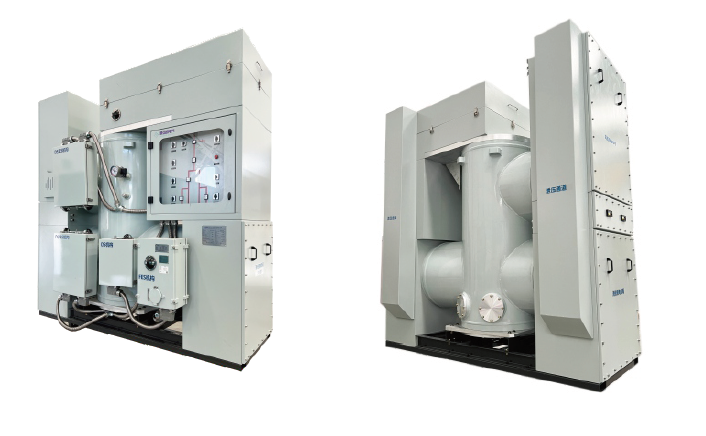
72.5kV 1250A 31.5kA SF6 free Gas-insulated Metal-enclosed Switchgear
Zhejiang Juhonkia Intelligent Electric Co., Ltd.
CAP1400 main feedwater flow nozzle flowmeter.
Jiangsu Hongda Instrument Technology Co., LTD.
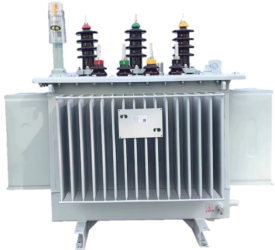
Oil-immersed Amorphous Alloy Core Distribution Transformer
Pinggao Group Smart Electric Co., Ltd.
Standard Nozzle Flowmeter
Jinggong Automatic Control Instrument Complete Technology Development Company