Super Micro Computer and Red Hat Launch Kubernetes Edge AI Appliance
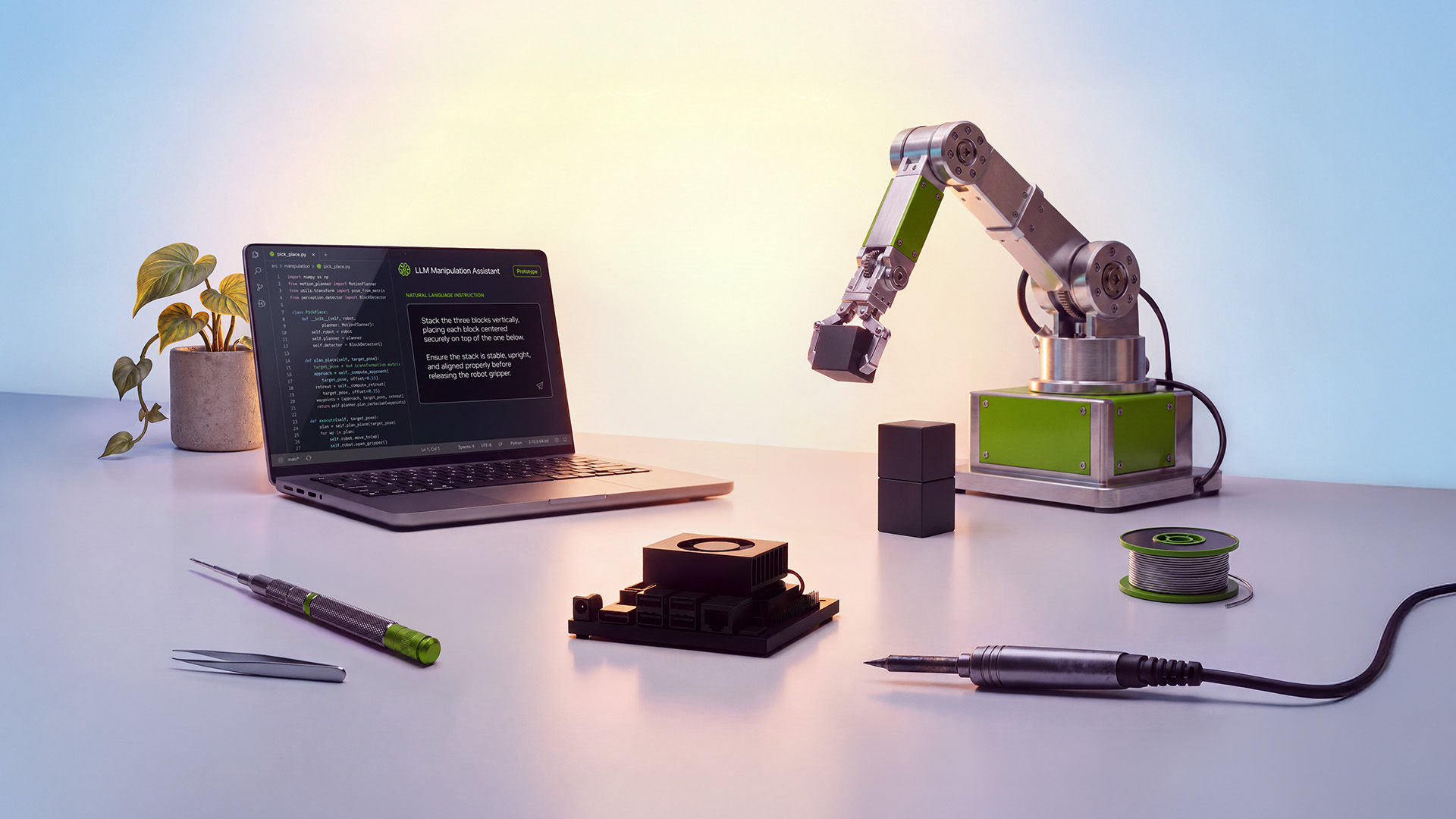
en.Wedoany.com Reported - Super Micro Computer, Inc., in collaboration with Red Hat and Everpure, has launched a Kubernetes edge AI appliance that integrates edge servers, container platforms, and data management systems into a pre-installed hardware and software solution. Built on the Red Hat OpenShift platform and the Portworx by Everpure data management platform, this appliance is primarily designed for stores, factories, and other distributed edge sites, helping enterprises deploy and manage artificial intelligence inference, container, and virtual machine workloads.
The engineering focus of this appliance is to pre-integrate servers, container orchestration platforms, and storage systems—which previously required separate procurement, installation, and configuration—into a unified device. Once deployed, users can run AI applications in edge environments without needing to individually complete hardware selection, software installation, storage configuration, and platform adaptation, thereby reducing the complexity of building edge AI infrastructure across distributed sites.
Edge AI inference is typically distributed across numerous field nodes far from central data centers, with different locations potentially facing issues such as unstable network connections, a lack of on-site technical staff, and limited equipment space. Compared to centralized data centers, edge sites struggle to accommodate large storage arrays and complex operations systems, necessitating more compact, independently operable infrastructure that supports remote management.
Vik Malyala, Chief Business Officer at Super Micro Computer, stated that edge AI inference requires not only computing hardware but also a validated and scalable platform. This ready-to-use appliance combines computing, application orchestration, and data services, enabling enterprises to start deployment from a single site and gradually expand to more stores, factories, and other edge nodes.
Red Hat OpenShift provides a unified hybrid cloud application runtime environment for the entire appliance. Enterprises can use this platform to deploy, orchestrate, and manage AI workflows, ensuring that different edge sites utilize a relatively consistent container environment and management approach, reducing management discrepancies caused by separate application configurations at each location.
For edge environments running AI inference, traditional applications, and virtual machines simultaneously, the unified platform integrates multiple workload types into a single management system. Kelly Switt, Senior Director and Head of Intelligent Edge and Industrial Business at Red Hat, stated that this integrated solution will help customers shorten the time from device installation to actual operation for edge AI inference, enabling applications to enter field business processes more quickly.
Portworx by Everpure handles Kubernetes-native storage and data management functions, providing unified data services for AI inference tasks, containers, and virtual machines. This platform can organize local storage resources on Super Micro Computer's compact edge servers, allowing edge sites to obtain data protection, storage management, and high availability capabilities without deploying traditional enterprise-grade storage arrays.
Software-defined local storage is a key component of this appliance. Storage resources within the server are aggregated and uniformly managed through the Portworx platform, operating within a resilient and self-healing data architecture. When a single component experiences an anomaly, the system can maintain data services through established mechanisms, reducing the impact of local failures on on-site AI applications.
Network outages are a common operational issue at distributed edge sites. This appliance is designed to continue autonomous operation when connectivity to the central data center or cloud platform is interrupted, allowing field nodes such as stores and factories to complete data processing and AI inference without fully relying on remote systems. Once the network is restored, it synchronizes data and undergoes unified management with the central platform.
Greg Muscarella, General Manager of Portworx at Everpure, noted that enterprises deploying AI at the edge commonly face insufficient infrastructure capabilities. Field sites require enterprise-grade data services, yet installing traditional storage systems in every store or factory is impractical. This appliance integrates storage, data protection, and high availability functions into a compact server, supporting enterprises in scaling the same architecture to thousands of locations while reducing reliance on on-site IT personnel.
From a deployment perspective, this edge AI appliance can function either as an independent compute node for a single site or be integrated into an enterprise's unified edge infrastructure network. After devices at different locations run the same OpenShift and Portworx environments, enterprises can centrally manage application deployment, resource adjustment, and data service maintenance, preventing numerous edge sites from forming isolated and difficult-to-manage systems.
Super Micro Computer's existing edge servers and appliances cover various form factors, allowing configuration selection based on retail, industrial, and other field environments. For space-constrained edge sites, compact devices can handle local inference and data processing; for scenarios with heavier compute loads, processing capacity at a single site can be expanded by adding servers and storage resources.
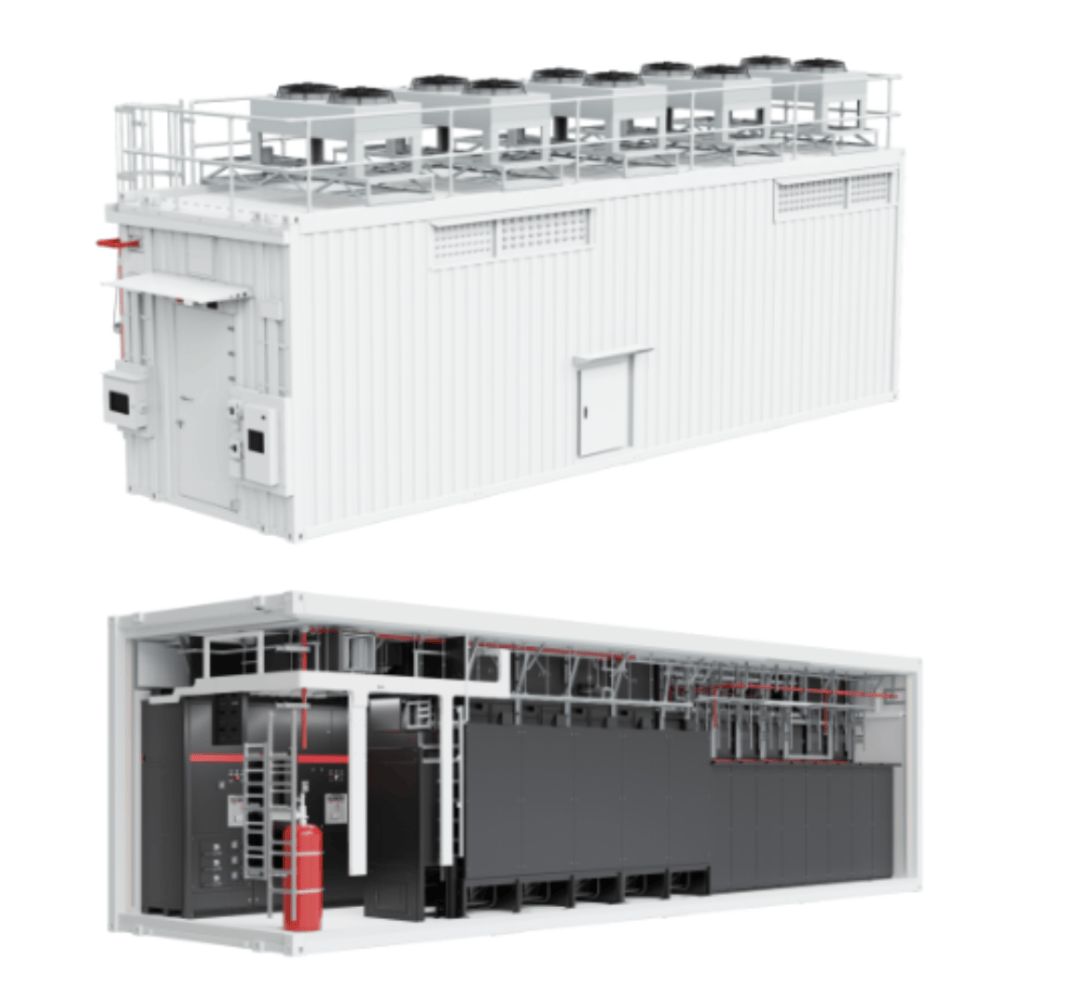
The company's DCBBS solution also offers modular AI infrastructure using validated components, scaling from a single server to a full rack and data center. This Kubernetes edge AI appliance aligns with this deployment approach, enabling enterprises to build small compute nodes at edge sites while deploying larger-scale AI infrastructure in central data centers, connecting different-scale computing environments through a unified platform.
The entire solution forms a continuous technical chain of "server computing—container orchestration—data management—edge operation." Super Micro Computer provides edge computing devices, Red Hat OpenShift handles application deployment and workload orchestration, and Portworx manages local storage and data services. Together, these three components address the challenges of device, platform, and data coordination when deploying AI applications across numerous distributed locations.
As this appliance enters the application phase, subsequent construction efforts will focus on edge server installation, OpenShift platform deployment, Portworx storage configuration, and AI workload onboarding. Its actual operational capabilities will be validated through scenarios such as multi-site expansion, autonomous operation during network outages, data protection, and remote maintenance, providing a unified device solution for building edge AI infrastructure in retail, manufacturing, and other distributed business environments.
Related Products


Automatic Aiming Laser Remote Obstacle Removal Robot
Pinggao Group Weihai High-Voltage Apparatus Co., Ltd.

Comprehensive Mining Automation Control System
Beijing Tianma Intelligent Control Technology Co., Ltd.

MUX Series Communication Interface Device for Security and Stability Control System
Nanjing NR Electric Co., Ltd.
Flat Portable Satellite Terminal 0.35m Aperture Manual Portable Terminal
China Starwin Science & Technology Co., Ltd.
20 Inch 1600*900 Full HD 60Hz TFT LED Monitor with VGA and DP Interfaces for Desktop Computers-Business Use
Guangzhou Zanying Optoelectronics Technology Co., Ltd.
Multi-function Marine Monitoring Low-altitude Detection Radar Sea-air Boundary Ocean Dynamic Environment Measurement
Chengdu Dixin Technology Co., Ltd.